




Menu

Weird Smells from Vents in Riverside – Expert Diagnosis and Fast Odor Elimination

Our trained technicians identify the exact source of strange odors from air ducts and eliminate foul air conditioner odors at the root, restoring clean, safe air to your Riverside home.

Slider Image 1
Slider Image 2
Slider Image 3
Slider Image 4
Slider Image 5
Slider Image 7
Slider Image 8
Slider Image 9
Slider Image 10
Slider Image 11

Why Your Riverside Home Has Weird Smells from Vents

You turn on the AC and get hit with a bad smell coming from vents. Maybe it smells like mildew, rotten eggs, or something burning. You are not imagining it, and you are not alone.

Riverside's climate creates the perfect conditions for HVAC odor problems. High humidity during summer months leads to condensation inside ductwork and evaporator coils. When moisture sits in dark, enclosed spaces, mold and bacteria grow fast. Add the dust and pollen that blow in from the Santa Ana winds, and you get a biological cocktail that produces foul air conditioner odors every time your system runs.

Strange odors from air ducts signal more than discomfort. They indicate contamination that affects indoor air quality and can trigger allergies, headaches, and respiratory issues. A funny smell from heating system components can mean electrical issues, overheating motors, or even gas leaks in furnace systems.

Odd smells from HVAC systems do not go away on their own. The longer you wait, the worse the contamination gets. Mold spreads deeper into ductwork. Dust buildup thickens. Drain lines clog completely. What starts as an annoyance becomes a health hazard and a costly repair.

Riverside homeowners deal with this problem more than most because our microclimates near the Santa Ana River and the Box Springs Mountain foothills trap humidity and allergens. Your HVAC system cycles constantly to handle temperature swings, which means more condensation, more dust circulation, and more opportunities for contamination to take hold.

Why Your Riverside Home Has Weird Smells from Vents
How We Identify and Eliminate HVAC Odor Sources

How We Identify and Eliminate HVAC Odor Sources

We do not spray deodorizer and call it fixed. That masks the problem for a week. We find the source and eliminate it.

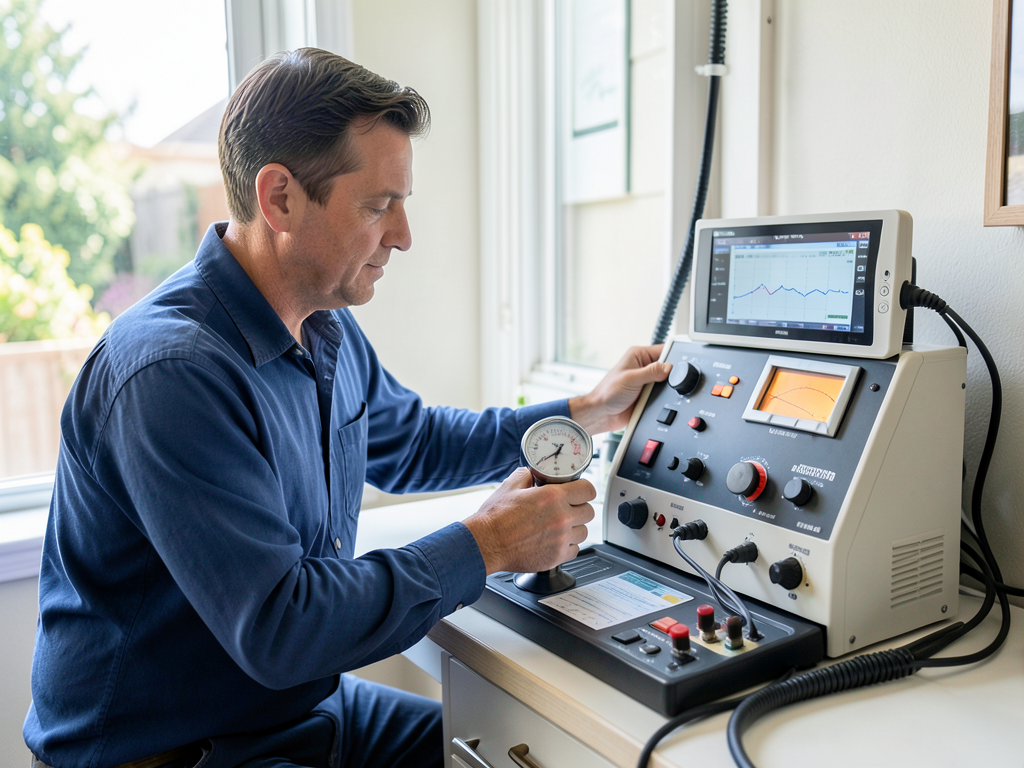
Our diagnostic process starts with airflow analysis. We measure static pressure and check damper positions to identify areas where moisture accumulates. Low airflow zones are breeding grounds for microbial growth. We inspect the evaporator coil, drain pan, and condensate line for standing water, biofilm buildup, and algae growth. These components sit in enclosed, humid spaces and are the most common sources of musty, moldy odors.

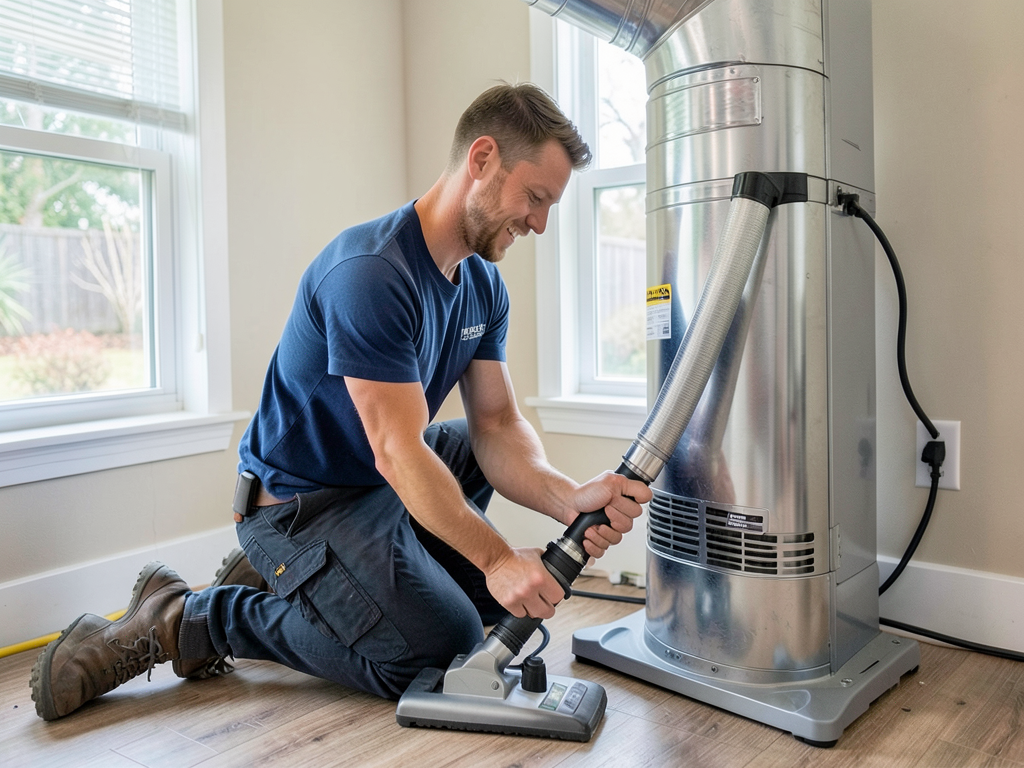
Next, we examine ductwork for gaps, leaks, and contamination. Gaps in duct seams allow attic air, insulation particles, and pest droppings to enter the system. You smell it every time the blower runs. We use cameras to inspect interior duct surfaces for visible mold, dust caking, and debris accumulation.

We check the heat exchanger for cracks or corrosion if the smell occurs when the heater runs. A cracked heat exchanger is a carbon monoxide risk and requires immediate replacement. Burning smells can also come from overheating blower motors, frayed wiring, or debris on heating elements. We test electrical connections, measure amp draw on motors, and inspect all heat-producing components.

For sulfur or rotten egg odors, we check for gas leaks and inspect the anode rod in any connected water heaters. We also evaluate the condensate drain line for clogs and bacterial growth, which produce sewer-like smells.

Once we identify the source, we clean or replace contaminated components, seal duct leaks, treat microbial growth with EPA-registered antimicrobials, and verify airflow is balanced. You get air that smells clean because it is clean.

What Happens During Your Odor Elimination Service

Weird Smells from Vents in Riverside – Expert Diagnosis and Fast Odor Elimination
01

System Inspection and Testing

We start by running your HVAC system and noting when and where the odor occurs. Our technician inspects the air handler, evaporator coil, drain pan, ductwork connections, and all accessible system components. We use thermal imaging and airflow meters to detect hidden moisture, hotspots, and pressure imbalances that contribute to contamination and odor buildup in your Riverside home.
02

Source Identification and Treatment

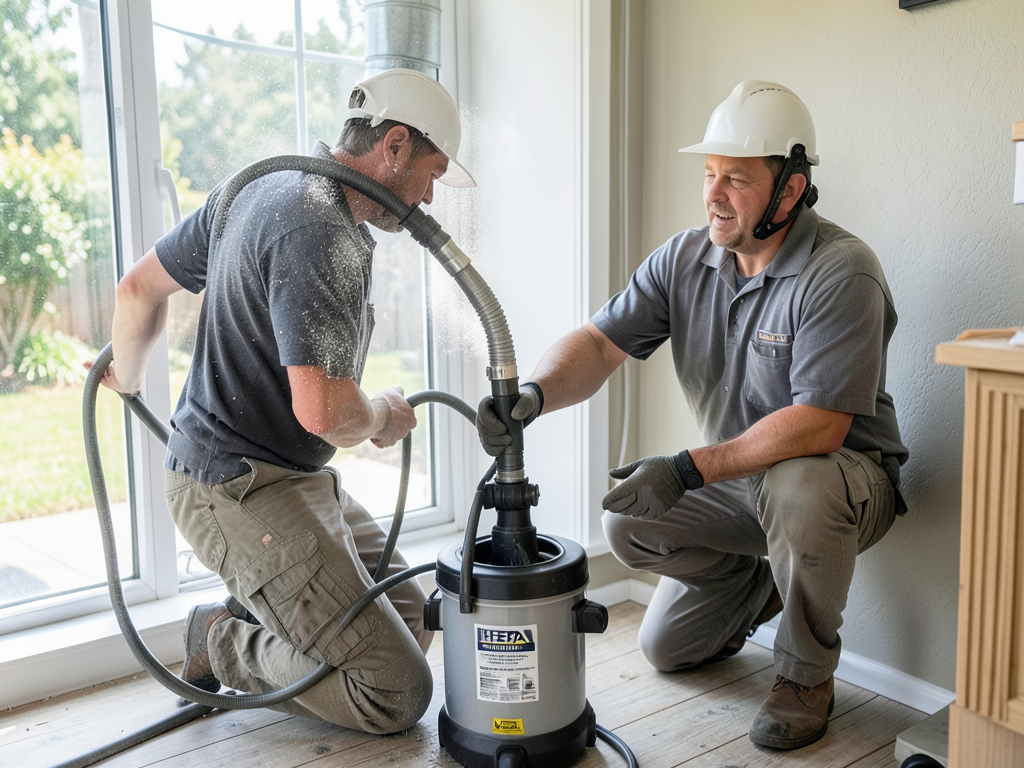
Once we locate the contamination, we clean or replace affected parts. Evaporator coils get treated with coil cleaner and antimicrobial agents. Drain lines are flushed and cleared of biofilm. Ductwork is sealed or cleaned depending on contamination level. Electrical components are tested and repaired. We address the root cause, whether it is microbial growth, mechanical failure, or poor ventilation trapping odors inside your system.
03

Verification and Prevention

After treatment, we run the system and verify the odor is gone. We recheck airflow, test drain line flow, and ensure all repairs hold under operating conditions. You get documentation of what we found and what we fixed. We provide maintenance recommendations to prevent the issue from returning, including filter change schedules, UV light options for microbial control, and humidity management strategies for Riverside's climate.

Why Riverside Homeowners Trust Peak HVAC Tampa for Odor Problems

You need someone who knows what they are looking at when they open your air handler. HVAC odor problems are not one-size-fits-all. A musty smell from the AC in July has a different cause than a burning smell from the heater in January. We have seen both, hundreds of times, in homes across Riverside.

We understand the local variables that affect your system. Homes in the Orangecrest and Victoria Grove areas deal with higher dust loads because of nearby construction and agricultural activity. Properties near the Santa Ana River face elevated humidity and condensation issues. Older homes in the historic downtown neighborhoods have outdated ductwork with asbestos concerns and poor sealing that allows contaminants to circulate freely.

Our technicians know Riverside's building codes and the common HVAC configurations in homes built during different decades. Tract homes from the 1980s and 1990s often have undersized return ducts and flex duct that sags and traps moisture. Newer builds in Harveston and Sycamore Canyon have better duct design but face issues with construction debris left in ducts during installation. We know what to look for based on your home's age and location.

We do not sell you duct replacement if a coil cleaning will fix the problem. We do not ignore a cracked heat exchanger because the repair costs more. We tell you what is wrong, why it smells, and what it takes to fix it correctly.

You also get transparency. We show you the contamination with photos or video. You see the mold on the coil, the standing water in the drain pan, or the debris in the ductwork. You understand what you are paying for and why it matters for your health and system performance.

What You Can Expect from Our Odor Elimination Service

Fast Response Times

We know you do not want to live with foul air conditioner odors while waiting for an appointment. We schedule service calls quickly and arrive on time. Most odor diagnostics and treatments are completed in a single visit. If we need to order parts for a more complex repair, we provide a temporary solution to minimize odor while we wait for components. You do not suffer through weeks of bad smells because we could not fit you in.

Thorough Diagnostic Process

Our technicians do not guess. We use diagnostic tools to measure airflow, inspect hidden components, and test system performance under operating conditions. You get a detailed explanation of what is causing the odor, why it developed, and what needs to happen to eliminate it. We walk you through the findings and answer your questions before we start any work. You make informed decisions based on facts, not fear.

Clean Air That Lasts

When we finish the job, the smell is gone. You breathe clean air that stays clean because we fixed the underlying issue. We do not just clean surfaces. We treat microbial growth, eliminate moisture sources, seal contamination pathways, and restore proper airflow. Your system runs the way it should, and your home smells the way it should. You notice the difference immediately.

Preventive Maintenance Guidance

We give you a clear maintenance plan to prevent odors from returning. This includes filter replacement schedules, drain line maintenance, humidity control recommendations, and system cleaning intervals. If your home would benefit from UV lights or upgraded filtration to control microbial growth, we explain how those solutions work and what they cost. You get options, not pressure. You decide what makes sense for your home and budget.

Frequently Asked Questions

You Have Questions,
We Have Answers

Why is there a weird smell coming from my air vent? +

Weird smells from vents usually signal dust buildup, mold growth, or a dead rodent trapped in ductwork. In Riverside's dry climate, dust accumulates quickly inside HVAC systems and burns off when the heater kicks on, creating a musty or burnt odor. Mold thrives in humid evaporator coils despite our arid conditions. Rodents seeking shelter often die in ducts, causing a foul, decaying smell. Gas odors require immediate attention and evacuation. Electrical smells mean wiring issues. Turn off your system and call a licensed HVAC technician to inspect your ducts, coils, and system components before running it again.

What does an electrical fire smell like before it starts? +

Before an electrical fire starts, you will smell burning plastic or a fishy, acrid odor. This comes from overheating wire insulation melting inside your walls or HVAC system. The smell is sharp and chemical, not like wood smoke. In Riverside homes with older wiring or undersized circuits handling modern HVAC loads, this odor means wires are failing. You may notice it near outlets, switches, or vents where electrical components connect to your system. Shut off power at the breaker immediately. Do not wait. Call an electrician to inspect connections before restarting your HVAC system.

What does mold in vents smell like? +

Mold in vents smells musty, earthy, or like damp socks. The odor intensifies when you run your air conditioner because mold colonies grow inside wet evaporator coils and drain pans. Riverside's temperature swings between hot days and cool nights create condensation inside ductwork, feeding mold spores. You will smell it strongest at vents closest to the air handler. Black mold has a stronger, more pungent odor than common mildew. If you see black staining around vents or smell persistent mustiness, your ducts need professional cleaning and antimicrobial treatment. Do not ignore it.

Is strange smell coming from a vent a chemical hazard? +

Yes, strange vent smells can indicate chemical hazards. A rotten egg smell means a natural gas leak, requiring immediate evacuation and a call to your gas company. Sweet, chemical odors suggest refrigerant leaks, which displace oxygen and cause headaches or dizziness. Formaldehyde from new ductwork or insulation smells sharp and irritates eyes and throat. In Riverside's older homes, deteriorating insulation can release asbestos fibers with a dusty smell. If you experience nausea, breathing difficulty, or burning sensations with vent odors, leave your home and call emergency services. Chemical exposures require professional assessment and remediation.

What does a clogged vent pipe smell like? +

A clogged vent pipe smells like raw sewage or rotten eggs. This happens when your plumbing vent stack, which runs through your roof, gets blocked by bird nests, leaves, or debris common in Riverside's tree-lined neighborhoods. The blockage traps sewer gases that back up through drains and sometimes enter your HVAC system if ductwork runs near plumbing. You will smell it strongest near bathrooms or kitchens when running water. The odor intensifies in warm weather. A plumber needs to clear the vent pipe obstruction and check for damage. Do not confuse this with HVAC issues.

How to sanitize air ducts yourself? +

You can partially clean accessible ducts yourself, but full sanitization requires professional equipment. Turn off your HVAC system. Remove vent covers and vacuum visible dust with a shop vac and long hose attachment. Wipe registers with a damp microfiber cloth and mild detergent. Replace your air filter. For deeper sanitization, professionals use negative air machines, rotary brushes, and EPA-approved antimicrobial treatments that reach inside walls and the air handler. Riverside's dust and allergen loads make DIY efforts temporary fixes. Without proper equipment, you cannot access most ductwork or sanitize coils where mold breeds. Schedule professional duct cleaning every three to five years.

Are there warning signs before an electrical fire? +

Yes, electrical fires give clear warnings before igniting. You will smell burning plastic or fish near outlets and switches. Breakers trip repeatedly without explanation. Outlets feel warm or show scorch marks and discoloration. Lights flicker when your HVAC system cycles on. You hear buzzing or crackling inside walls. In Riverside's older housing stock, aluminum wiring and outdated panels struggle with modern HVAC amp draws, creating hot connections. These signs mean wire insulation is failing and connections are arcing. Do not reset breakers repeatedly. Call a licensed electrician immediately to inspect your electrical panel and HVAC disconnect before fire starts.

What does bad wiring smell like? +

Bad wiring smells like burning plastic, hot metal, or fish. This odor comes from wire insulation melting due to overheating connections, corroded terminals, or undersized circuits. In Riverside homes built before 1980, aluminum wiring oxidizes at connection points, creating resistance and heat that produces the fishy smell. You will notice it near your electrical panel, outlets, or where HVAC equipment connects. The smell intensifies when your air conditioner or heater runs because these systems draw heavy amperage. If you smell this, turn off power at the breaker and call an electrician immediately. Continued use can start a fire.

What are signs of faulty wiring? +

Faulty wiring shows several signs. Breakers trip frequently, especially when your HVAC system starts. Outlets and switches feel warm to the touch. You see scorch marks or discoloration on cover plates. Lights dim when the air conditioner kicks on. You smell burning plastic or see sparks. Outlets stop working intermittently. In Riverside's older homes near the historic districts, outdated wiring struggles with modern HVAC loads. Aluminum wiring connections corrode, creating dangerous resistance. Rodents chewing through insulation expose bare wires. If you notice these signs, stop using affected circuits and call a licensed electrician for a full inspection before fire develops.

What are the 10 warning signs of mold toxicity? +

Mold toxicity shows ten warning signs. You experience persistent headaches and brain fog. Fatigue does not improve with rest. You develop chronic sinus congestion and postnasal drip. Skin rashes or hives appear without explanation. You feel dizzy or experience vertigo. Joint pain and muscle aches intensify. You have difficulty concentrating or remembering details. Respiratory issues worsen, including coughing and wheezing. You notice increased sensitivity to light or sound. Mood changes like anxiety or depression develop suddenly. In Riverside homes with HVAC mold growth, these symptoms worsen indoors and improve outside. If you experience multiple symptoms, see a doctor and schedule professional duct inspection.

How Riverside's Climate and Construction Trends Increase HVAC Odor Risks

Riverside sits in an inland valley where summer temperatures regularly exceed 100 degrees, but mornings bring dew and humidity from the Santa Ana River corridor. This daily humidity cycle creates condensation inside HVAC systems that never fully dries out. Mold, mildew, and bacteria thrive in these conditions. Older neighborhoods near downtown and La Sierra have mature landscaping and poor drainage that keep humidity levels elevated year-round. Newer developments in Orangecrest and Sycamore Canyon have tighter home envelopes that trap moisture and odors inside without adequate ventilation. Your HVAC system cycles constantly to manage temperature swings, which accelerates contamination buildup and makes strange odors from air ducts a persistent problem in Riverside homes.

Riverside's ongoing residential growth means construction dust, drywall particles, and debris are common contaminants in ductwork, especially in new builds and recently remodeled homes. Local HVAC contractors who understand these regional challenges know where to look for contamination and how to address the root causes specific to our climate. Choosing a provider familiar with Riverside's building practices, microclimates, and common HVAC configurations means you get solutions that work long-term, not temporary fixes that fail when summer humidity returns or Santa Ana winds kick up dust and allergens again.
HVAC Services in The Riverside Area

We invite you to explore our service area and see where Horizon HVAC proudly delivers exceptional heating and cooling solutions. While our physical location serves as our hub, our dedicated team extends its expert services across the entire region, bringing unparalleled comfort and air quality directly to your doorstep, whether for residential or commercial needs, ensuring we’re always within reach for your HVAC requirements.

Address:
Horizon HVAC Riverside, 11801 Pierce St Suite 200, Riverside, CA, 92505

Additional Services We Offer

Our news updates

Latest Articles & News from The Blogs

Do Smart Vents Actually Work for Balancing Temperatures in a Two-Story Riverside Home? Smart vents promise to solve the age-old…

Do Smart Vents Actually Work for Balancing Temperatures in a Two-Story Riverside Home?

Do Smart Vents Actually Work for Balancing Temperatures in a Two-Story Riverside Home? Smart vents promise to solve the age-old…

Getting Rid of That Musty Dirty Sock Smell Coming from Your Riverside Air Vents

Getting Rid of That Musty Dirty Sock Smell Coming from Your Riverside Air Vents If your Riverside home suddenly smells…

Thinking About Relocating Your Outdoor AC Unit During a Riverside Home Remodel?

Thinking About Relocating Your Outdoor AC Unit During a Riverside Home Remodel? Moving your outdoor AC unit during a home…

Contact Us

You should not have to smell mold, mildew, or burning odors every time your system runs. Call Peak HVAC Tampa at (951) 223-9644 now. We will diagnose the source, fix it right, and restore clean air to your Riverside home.