




Jurupa Valley sits in Riverside County's inland zone where summer temperatures regularly hit 95 to 105 degrees and winter nights drop to the 30s. This extreme temperature swing forces your HVAC system to work year-round with little rest. The area's high mineral content in groundwater leads to scale buildup in evaporative coolers and condensate lines. Homes near Pyrite Street and Bellegrave Avenue deal with dust from nearby agricultural areas that clogs filters faster than coastal communities. Properties along the Santa Ana River corridor face higher humidity levels that strain air conditioning compressors. The mix of older ranch-style homes built in the 1970s with minimal insulation and newer construction near Jurupa Hills creates different cooling and heating demands across neighborhoods. Your system battles heat, dust, mineral deposits, and constant demand. Without proper maintenance and fast repairs when problems start, a minor issue becomes a complete system failure during the worst possible time.
Horizon HVAC Riverside serves Jurupa Valley with a simple approach. We show up when we say we will, diagnose the problem honestly, and fix it right. Our technicians carry parts for most major brands on every truck, which means we complete most repairs in a single visit instead of making you wait days for an order. We service homes from Glen Avon to Mira Loma and every neighborhood between, and we know the common issues with HVAC systems in this climate. Older homes with original ductwork need different solutions than newer builds with modern SEER-rated equipment. We give you options with upfront pricing before starting work. No hidden fees. No pressure tactics. Just straight answers about what your system needs and what it will cost. Our team has worked through enough Jurupa Valley summers to know that when your AC fails at 3 PM on a Saturday, you need someone who answers the phone and sends help. We staff our emergency line 24 hours because HVAC problems don't follow business hours. When you call Horizon HVAC Riverside, you get a real person who can dispatch a technician to your location, usually within hours. We built our reputation by solving problems fast and treating every home like it matters, because it does.

HVAC failures happen without warning. We staff technicians seven days a week with fully equipped trucks ready to respond to emergency calls across Jurupa Valley. Most emergency service requests get same-day dispatch, and we work until your system is running again. No appointments days away when you're sweating through a heatwave.

You know the total cost before we start work. We diagnose the problem, explain what needs repair or replacement, and give you a firm price. No surprises when the job finishes. No hourly rates that climb while you watch. Just honest pricing for quality HVAC repair in Jurupa Valley.
Our trucks carry parts for Carrier, Trane, Lennox, Rheem, Goodman, and most major brands. Capacitors, contactors, thermostats, and common components are on every truck. This means we fix most problems during the first visit instead of scheduling return trips while you wait for parts to arrive.
We understand how Jurupa Valley's climate and building types affect HVAC performance. From older homes near Pedley with outdated ductwork to newer properties in Belltown with modern systems, we tailor repairs to your specific situation. Local experience matters when diagnosing problems and recommending solutions.
Horizon HVAC Riverside handles every aspect of heating and cooling for residential and commercial properties in Jurupa Valley. Whether your central air stopped cooling, your furnace won't ignite, or you need a complete system replacement, we deliver solutions that work in this climate. Our service range covers emergency repairs when systems fail, preventive maintenance to stop problems before they start, and new installations when repair costs exceed replacement value. We work on split systems, package units, heat pumps, and gas furnaces. Every service call starts with thorough diagnosis using calibrated tools to measure airflow, refrigerant levels, and electrical performance. We explain what we find in plain language and give you options based on your budget and how long you plan to keep your current system. From quick AC service calls to complete HVAC system replacements, we handle the work that keeps Jurupa Valley properties comfortable year-round.
Air conditioner stopped blowing cold air. Heater won't turn on. Strange noises from your outdoor unit. We respond to emergency calls across Jurupa Valley seven days a week. Our technicians diagnose the failure, locate failed components, and restore your system fast. Most emergency repairs finish the same day because our trucks carry common parts. We handle compressor failures, refrigerant leaks, electrical issues, blower motor problems, and thermostat failures.
Regular maintenance extends equipment life and prevents expensive failures during peak summer and winter months. We clean coils, check refrigerant levels, test electrical connections, inspect ductwork for leaks, replace filters, and calibrate thermostats. Maintenance catches small problems like worn contactors or low refrigerant before they cause complete system failure. Schedule service twice yearly to keep your air conditioning and heating running efficiently through Jurupa Valley's temperature extremes.
Systems older than 15 years with major component failures often cost more to repair than replace. We install high-efficiency central air conditioning, heat pumps, and gas furnaces sized correctly for your home. New systems deliver better cooling performance, lower energy bills, and come with manufacturer warranties. We handle load calculations, permit applications, ductwork modifications, and electrical upgrades needed for modern equipment that meets California Title 24 energy standards.
Jurupa Valley's desert climate and older housing stock create specific HVAC challenges. Summer heat pushes air conditioners to their limits for months without relief. Dust from agricultural areas and construction activity clogs filters and coils faster than cleaner environments. Mineral-heavy water leaves scale deposits in condensate drains that cause overflow and water damage. Many properties still run original equipment from the 1980s and 1990s that's long past its useful life. Inadequate insulation in older homes forces systems to run constantly, wearing out components faster. Properties near busy roads collect more dust and debris. These local factors combine to create the most common HVAC failures we respond to across Jurupa Valley neighborhoods.
Evaporator and condenser coils develop leaks after years of exposure to Jurupa Valley heat and vibration. Low refrigerant causes poor cooling, frozen coils, and compressor damage. We locate leaks using electronic detectors, repair when possible, or replace coils that are too corroded. Proper refrigerant charge is critical for efficient cooling and equipment protection.
Outdoor condensing units run continuously during summer months when temperatures stay above 100 degrees. This constant operation wears out compressors, especially on systems over 10 years old. Failed compressors make grinding noises, trip breakers, or simply stop working. Replacement often costs more than half the price of a new system, making replacement the better choice.
Air conditioning removes humidity from indoor air, creating condensate that drains through pipes. Mineral deposits and algae growth block these drains, causing water to back up into air handlers and overflow onto ceilings or floors. Regular maintenance includes drain cleaning, but emergency calls for water leaks are common when drains haven't been serviced.
Start and run capacitors provide the electrical boost needed to start compressors and fan motors. Heat and age cause capacitor failure, which prevents the outdoor unit from starting even though power reaches the equipment. This is one of the most common emergency repairs we perform. Replacing failed capacitors usually restores system operation immediately.
When your HVAC system fails, you need fast answers and reliable service. We designed our process to eliminate the frustration most people experience with service companies. You talk to a real person when you call, not a voicemail system. We give you a service window and stick to it. Our technicians arrive in marked trucks with your name on the schedule. They diagnose the problem using proper testing equipment, explain what failed and why, then give you a firm price before starting repairs. No surprise charges. No pressure to buy services you don't need. Just honest communication about what your system needs and what it costs. Here's what you can expect from first contact through completed repair.
Call our dispatch line and speak with someone who can help immediately. We gather basic information about your problem, check technician availability, and schedule service usually within hours for emergencies. You receive a call when the technician is en route with an estimated arrival time. No waiting all day wondering when help will arrive. We respect your time by showing up during the scheduled window.
Our technician inspects your system, tests components, measures performance, and identifies the cause of failure. They explain what's wrong in plain language without technical jargon. You receive a written estimate with the total cost for repairs before any work begins. This flat-rate pricing means you know exactly what you'll pay. If you approve the estimate, we proceed immediately with repairs using parts from our truck.
We complete repairs using quality replacement parts that meet or exceed original equipment specifications. After finishing work, the technician tests system operation to confirm proper cooling or heating performance. You receive documentation of all work performed and warranties covering both parts and labor. We stand behind our repairs and respond quickly if any issues develop after service completion.
HVAC repair shouldn't be complicated. We keep the process straightforward so you get working comfort systems fast without confusion or delays.
Call (951) 223-9644 and describe your HVAC problem. Our dispatcher schedules a technician visit usually the same day for emergencies or next-day for standard service calls. You receive a service window and the technician's name. We send a confirmation with arrival details. For emergencies, we often dispatch within hours. The technician calls before arriving to confirm you're ready.
The technician inspects your system, identifies the problem, and explains what needs repair. You receive upfront pricing before work begins. No hidden costs or surprise charges. Once you approve the estimate, we start repairs immediately using parts from the truck. Most repairs finish in a few hours. Complex jobs might require ordering specialized parts, but we'll explain the timeline clearly.
We complete repairs, then test system operation to verify proper performance. The technician reviews warranty information and answers questions about maintaining your system. You receive documentation of work performed and recommended maintenance schedules. If any concerns arise after we leave, call us. We stand behind our work and respond quickly to address any issues.
California enforces strict energy efficiency requirements through Title 24 building codes that affect both new installations and replacement equipment. Any HVAC system installed in Jurupa Valley must meet minimum SEER ratings for air conditioners and AFUE ratings for furnaces. As of current standards, new central air conditioning must achieve at least 14 SEER in most residential applications, though higher efficiency models reaching 16 to 20 SEER deliver better performance in extreme heat. Gas furnaces require 80 percent AFUE minimum, but high-efficiency models reach 95 percent by capturing more heat from combustion gases. These efficiency standards directly impact your energy bills and comfort during Jurupa Valley's temperature extremes. Proper system sizing matters as much as efficiency ratings. An oversized air conditioner cycles on and off rapidly without removing humidity, while undersized equipment runs constantly without reaching set temperatures. We perform Manual J load calculations that account for square footage, insulation levels, window area, orientation, and occupancy to determine correct equipment capacity. Ductwork design follows Manual D standards to ensure proper airflow distribution. Leaky ducts waste up to 30 percent of conditioned air into attics and crawl spaces. Refrigerant charging must meet manufacturer specifications verified by superheat and subcooling measurements, not just pressure gauges. Improper refrigerant charge reduces efficiency and damages compressors. Permits are required for system replacements and major repairs in Riverside County, and final inspections verify code compliance. These technical standards exist to protect equipment performance and energy efficiency, but they also ensure safe operation. Understanding these requirements helps you evaluate contractor proposals and avoid substandard work that creates problems later.
All HVAC installations must meet state energy efficiency standards including minimum SEER ratings, proper duct sealing, and refrigerant charge verification. We handle permit applications and coordinate inspections to ensure your new system passes final approval. Non-compliant installations void warranties and create problems during home sales.
Proper system sizing requires Manual J calculations that account for Jurupa Valley's climate, your home's construction, insulation levels, and heat gain factors. Oversized equipment wastes energy and delivers poor humidity control. Undersized systems run constantly without reaching comfortable temperatures. Correct sizing optimizes both comfort and efficiency.
Accurate refrigerant charge is critical for system performance and longevity. We measure superheat and subcooling to verify charge levels match manufacturer specifications. Overcharged systems damage compressors. Undercharged systems reduce cooling capacity and freeze coils. Pressure gauges alone can't verify proper charge in variable conditions.
Duct systems must follow Manual D design standards for proper airflow and distribution. Leaky ducts waste conditioned air and reduce system efficiency significantly. We test duct leakage using calibrated equipment and seal connections with mastic compound, not just tape. Properly sealed ductwork delivers more comfort while lowering energy costs.
This video explains common HVAC problems affecting Jurupa Valley homes and how to get fast repair service. Learn about refrigerant leaks, compressor failures, and clogged condensate drains caused by local climate conditions. Horizon HVAC Riverside demonstrates the diagnostic process, explains upfront pricing, and shows what to expect during emergency air conditioning and heating repairs. Covers service areas throughout Jurupa Valley including Glen Avon, Mira Loma, and Belltown.
Horizon HVAC Riverside provides service throughout Jurupa Valley and the surrounding Riverside County communities. We respond to calls from Glen Avon near the 60 Freeway where older homes with original HVAC equipment need both repairs and replacements. Properties in Mira Loma along Etiwanda Avenue face dust from nearby warehouses and distribution centers that clogs filters faster than residential areas. The Belltown community features newer construction with modern high-efficiency systems that require technicians familiar with variable-speed equipment and advanced thermostats. Homes near Pyrite Street and Rubidoux Boulevard deal with hard water that creates mineral buildup in condensate systems. The Jurupa Hills area includes properties with challenging installations due to hillside locations and unique architectural designs. We serve commercial properties along Mission Boulevard and industrial facilities that require larger packaged units and rooftop equipment. The Pedley neighborhood has many mid-century homes where ductwork modifications improve airflow distribution and comfort. Properties near the Santa Ana River corridor experience higher humidity that affects air conditioning performance differently than drier inland areas. Van Buren Boulevard connects multiple communities where we handle everything from emergency repairs to complete system replacements. Each area presents specific challenges based on building age, construction type, and local environmental factors. Our technicians understand these differences and tailor solutions to match each property's needs. Whether you're in Glen Avon dealing with an aging furnace, in Mira Loma facing dust problems, or in Belltown needing service for new equipment, we bring the same fast response and quality workmanship to every location across Jurupa Valley.
The $5000 rule is a repair versus replacement guideline. Multiply the cost of the repair by your system's age in years. If that number exceeds $5000, replacement makes more financial sense than repair. For example, if your 12-year-old AC needs a $600 compressor, that equals $7200, which signals replacement time. In Jurupa Valley's hot climate, an aging system working overtime loses efficiency fast. This rule helps you avoid throwing money at a system near the end of its lifespan while giving you a clear decision framework.
HVAC jobs in Jurupa Valley vary widely based on scope. Simple repairs like capacitor replacements or thermostat fixes run lower, while compressor replacements or full system installs cost significantly more. Factors include your home's square footage, existing ductwork condition, system efficiency rating, and whether you need single or dual-zone climate control. Jurupa Valley's extreme summer heat pushes many homeowners toward higher SEER-rated units for better energy savings. Always get multiple quotes and verify the contractor checks your ductwork for leaks before installation.
A complete HVAC system for Jurupa Valley homes depends on size and efficiency needs. Smaller homes under 1500 square feet require less tonnage, while larger properties need bigger capacity units. The intense summer temperatures here make higher SEER ratings worth the investment through lower monthly utility bills. System costs include the outdoor condenser, indoor air handler or furnace, thermostat, and installation labor. Ductwork modifications, zone controls, and air quality upgrades add to the base price. Focus on proper sizing, not just the cheapest option.
The $5000 rule is a repair versus replacement guideline. Multiply the cost of the repair by your system's age in years. If that number exceeds $5000, replacement makes more financial sense than repair. For example, if your 12-year-old AC needs a $600 compressor, that equals $7200, which signals replacement time. In Jurupa Valley's hot climate, an aging system working overtime loses efficiency fast. This rule helps you avoid throwing money at a system near the end of its lifespan while giving you a clear decision framework.
HVAC jobs in Jurupa Valley vary widely based on scope. Simple repairs like capacitor replacements or thermostat fixes run lower, while compressor replacements or full system installs cost significantly more. Factors include your home's square footage, existing ductwork condition, system efficiency rating, and whether you need single or dual-zone climate control. Jurupa Valley's extreme summer heat pushes many homeowners toward higher SEER-rated units for better energy savings. Always get multiple quotes and verify the contractor checks your ductwork for leaks before installation.
A complete HVAC system for Jurupa Valley homes depends on size and efficiency needs. Smaller homes under 1500 square feet require less tonnage, while larger properties need bigger capacity units. The intense summer temperatures here make higher SEER ratings worth the investment through lower monthly utility bills. System costs include the outdoor condenser, indoor air handler or furnace, thermostat, and installation labor. Ductwork modifications, zone controls, and air quality upgrades add to the base price. Focus on proper sizing, not just the cheapest option.
Dirty filters cause most HVAC problems in Jurupa Valley. The dry, dusty conditions here clog filters faster than coastal areas. Refrigerant leaks from aging coils rank second, followed by capacitor failures from heat stress. Thermostat malfunctions and drainage clogs also plague local systems. Blower motor issues increase when homeowners skip maintenance in our climate, where AC units run six months straight. Electrical connection problems develop from thermal expansion cycles. Regular maintenance catches these issues before they become expensive failures during peak cooling season.
A 4000 square foot home in Jurupa Valley needs a larger capacity system, typically requiring a 4-5 ton unit or multiple zones for proper coverage. The cost reflects increased tonnage, longer ductwork runs, and potentially dual systems for two-story layouts. Higher SEER ratings become more cost-effective at this square footage because energy savings compound over time. Two-story homes often benefit from zoned systems to balance temperatures between levels. Proper load calculations matter more than generic square footage estimates, especially with Jurupa Valley's temperature extremes.
The 3-minute rule protects your compressor from damage. After your AC cycles off, wait three minutes before restarting it. This allows refrigerant pressure to equalize throughout the system. Starting too soon forces the compressor to work against high pressure, which can burn out the motor or trip breakers. In Jurupa Valley's heat, homeowners often frantically cycle thermostats when the house feels warm. Modern thermostats include built-in delays for this reason. Let the system complete its full cycle before making adjustments.
A 2000 square foot California home typically needs a 3-4 ton air conditioner. Costs vary based on SEER rating, brand, and installation complexity. California's Title 24 energy standards require minimum SEER 14, but higher ratings deliver better savings in Jurupa Valley's climate. Factors affecting price include existing ductwork condition, electrical panel capacity, accessibility, and permit fees. Summer installations during peak season sometimes cost more due to demand. Focus on proper sizing through Manual J load calculations rather than square footage alone for optimal performance.
HVAC systems in Jurupa Valley last 12-15 years on average, though lifespan varies by maintenance and usage. The constant cooling demand here shortens equipment life compared to milder climates. Units running eight months yearly accumulate wear faster than those with seasonal breaks. Regular filter changes, annual maintenance, and keeping outdoor units clear of debris extend lifespan. Higher-quality installations with proper sizing last longer than undersized units working overtime. Furnaces outlast air conditioners because heating needs are minimal in Jurupa Valley.
Capacitor replacements top the repair list in Jurupa Valley. Heat stress kills these components first. Refrigerant leak repairs follow, requiring locating the leak, fixing it, and recharging the system. Contactor replacements, blower motor repairs, and thermostat fixes round out common repairs. Drainage line clearing becomes necessary when algae blocks condensate removal. Compressor replacements represent major repairs that often trigger the replacement decision instead. Electrical connection tightening prevents bigger failures. Most repairs stem from deferred maintenance or age-related component wear.
No single brand dominates because the installation quality matters more than the nameplate. Reputable manufacturers include Carrier, Trane, Lennox, Rheem, and Goodman. Each offers multiple tiers from builder-grade to premium. In Jurupa Valley's demanding climate, focus on proper sizing, quality installation, and contractor support over brand loyalty. A correctly installed mid-tier system outperforms a poorly installed premium unit. Check warranty coverage, local parts availability, and which brands your contractor services best. Verify AHRI certification for the exact model and coil pairing.
Dirty filters cause most HVAC problems in Jurupa Valley. The dry, dusty conditions here clog filters faster than coastal areas. Refrigerant leaks from aging coils rank second, followed by capacitor failures from heat stress. Thermostat malfunctions and drainage clogs also plague local systems. Blower motor issues increase when homeowners skip maintenance in our climate, where AC units run six months straight. Electrical connection problems develop from thermal expansion cycles. Regular maintenance catches these issues before they become expensive failures during peak cooling season.
A 4000 square foot home in Jurupa Valley needs a larger capacity system, typically requiring a 4-5 ton unit or multiple zones for proper coverage. The cost reflects increased tonnage, longer ductwork runs, and potentially dual systems for two-story layouts. Higher SEER ratings become more cost-effective at this square footage because energy savings compound over time. Two-story homes often benefit from zoned systems to balance temperatures between levels. Proper load calculations matter more than generic square footage estimates, especially with Jurupa Valley's temperature extremes.
The 3-minute rule protects your compressor from damage. After your AC cycles off, wait three minutes before restarting it. This allows refrigerant pressure to equalize throughout the system. Starting too soon forces the compressor to work against high pressure, which can burn out the motor or trip breakers. In Jurupa Valley's heat, homeowners often frantically cycle thermostats when the house feels warm. Modern thermostats include built-in delays for this reason. Let the system complete its full cycle before making adjustments.
A 2000 square foot California home typically needs a 3-4 ton air conditioner. Costs vary based on SEER rating, brand, and installation complexity. California's Title 24 energy standards require minimum SEER 14, but higher ratings deliver better savings in Jurupa Valley's climate. Factors affecting price include existing ductwork condition, electrical panel capacity, accessibility, and permit fees. Summer installations during peak season sometimes cost more due to demand. Focus on proper sizing through Manual J load calculations rather than square footage alone for optimal performance.
HVAC systems in Jurupa Valley last 12-15 years on average, though lifespan varies by maintenance and usage. The constant cooling demand here shortens equipment life compared to milder climates. Units running eight months yearly accumulate wear faster than those with seasonal breaks. Regular filter changes, annual maintenance, and keeping outdoor units clear of debris extend lifespan. Higher-quality installations with proper sizing last longer than undersized units working overtime. Furnaces outlast air conditioners because heating needs are minimal in Jurupa Valley.
Capacitor replacements top the repair list in Jurupa Valley. Heat stress kills these components first. Refrigerant leak repairs follow, requiring locating the leak, fixing it, and recharging the system. Contactor replacements, blower motor repairs, and thermostat fixes round out common repairs. Drainage line clearing becomes necessary when algae blocks condensate removal. Compressor replacements represent major repairs that often trigger the replacement decision instead. Electrical connection tightening prevents bigger failures. Most repairs stem from deferred maintenance or age-related component wear.
No single brand dominates because the installation quality matters more than the nameplate. Reputable manufacturers include Carrier, Trane, Lennox, Rheem, and Goodman. Each offers multiple tiers from builder-grade to premium. In Jurupa Valley's demanding climate, focus on proper sizing, quality installation, and contractor support over brand loyalty. A correctly installed mid-tier system outperforms a poorly installed premium unit. Check warranty coverage, local parts availability, and which brands your contractor services best. Verify AHRI certification for the exact model and coil pairing.
We invite you to explore our service area and see where Horizon HVAC proudly delivers exceptional heating and cooling solutions. While our physical location serves as our hub, our dedicated team extends its expert services across the entire region, bringing unparalleled comfort and air quality directly to your doorstep, whether for residential or commercial needs, ensuring we’re always within reach for your HVAC requirements.
Address:
Jurupa Valley, CA, 92509

Understanding the 2026 Riverside Energy Standards for New Home Additions\nBuilding a home addition in Riverside in 2026 means navigating new energy efficiency requirements that will directly impact your HVAC system costs and specifications. The 2025…
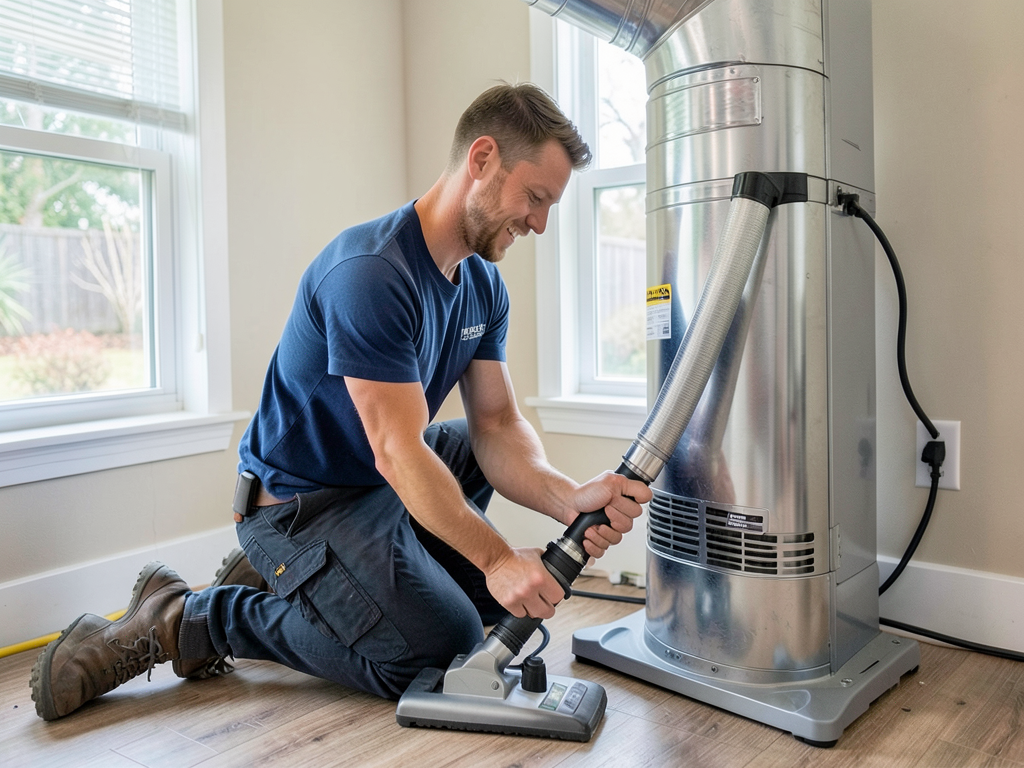
Eliminating Deep Set Pet Odors from Your Riverside Air Ducts for Good If you live…
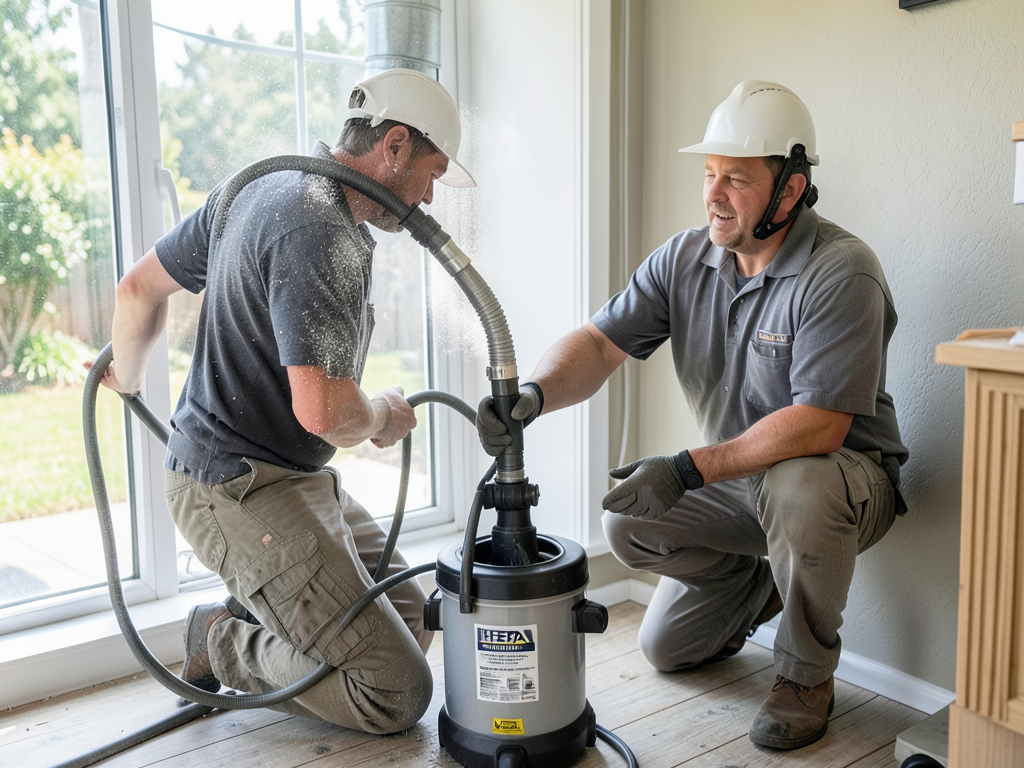
Eliminating Deep Set Pet Odors from Your Riverside Air Ducts for Good Living with pets…
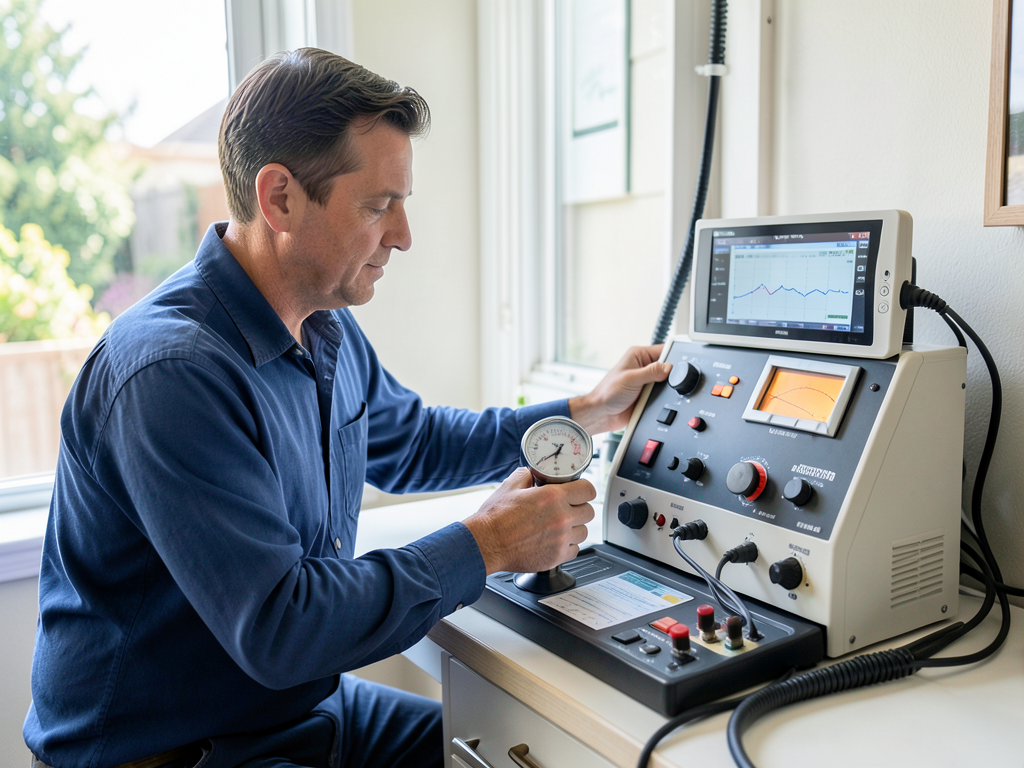
Why Your Riverside Range Hood and Bathroom Fans Affect Your AC Efficiency Your Riverside kitchen…
Your comfort can't wait. Call Horizon HVAC Riverside now at (951) 223-9644 for same-day service across Jurupa Valley. We answer our phones 24/7 and dispatch technicians fast when your heating or cooling fails.