




Menu

Commercial Ventilation & Exhaust Systems in Riverside | Minimizing Downtime with Industrial-Grade Solutions

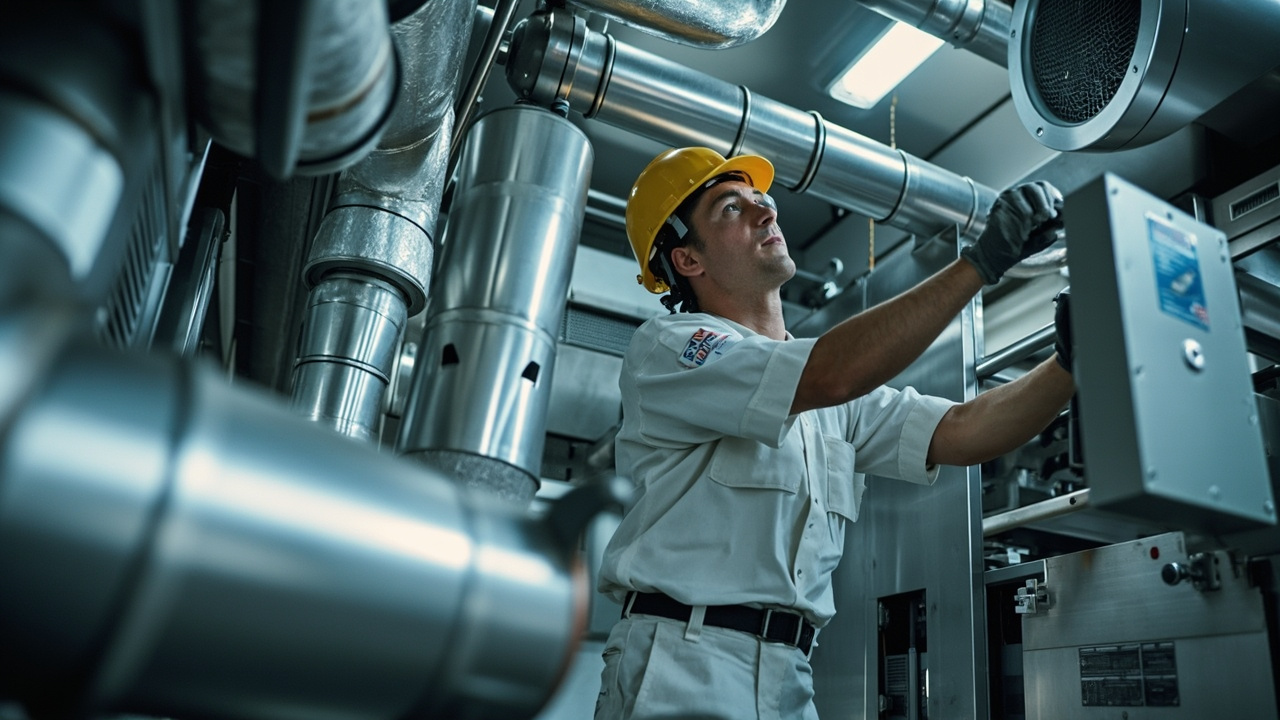
Horizon HVAC Riverside delivers industrial air handling and mechanical ventilation systems engineered for business continuity, helping facilities across the Inland Empire maintain compliant, high-performing commercial air extraction without interrupting operations.

Slider Image 1
Slider Image 2
Slider Image 3
Slider Image 4
Slider Image 5
Slider Image 7
Slider Image 8
Slider Image 9
Slider Image 10
Slider Image 11

Why Riverside Facilities Require Specialized Commercial Ventilation

Riverside's industrial corridor runs hot. Summer temperatures regularly exceed 100 degrees, placing extraordinary thermal loads on warehouses, manufacturing plants, and commercial kitchens along the 60 and 91 corridors. When commercial ventilation systems fail in this climate, the consequences compound quickly. Indoor air quality deteriorates, production slows, and regulatory exposure increases.

The region's particulate-heavy air, driven by wind patterns from the Badlands and San Gorgonio Pass, clogs intake filters faster than coastal facilities experience. Distribution centers in Riverside's logistics hub need industrial exhaust solutions that handle high dust loads without constant maintenance intervals. Food processing operations near Hunter Park face strict California Title 24 ventilation mandates, requiring commercial air extraction systems that maintain specific air change rates while managing heat gain.

Older facilities in the downtown Historic District present unique challenges. Retrofitting mechanical ventilation systems into buildings with structural limitations demands precision engineering. You cannot simply install oversized equipment and expect compliance. Ductwork routing must account for existing infrastructure, seismic bracing requirements, and sound attenuation needs for mixed-use buildings.

The regulatory environment adds complexity. South Coast Air Quality Management District (SCAQMD) regulations govern volatile organic compound emissions, meaning your industrial air handling must include proper filtration and exhaust treatment. Facilities that ignore these requirements face citations, work stoppages, and mandatory retrofits that cost significantly more than proper initial installation. Commercial ventilation in Riverside is not a commodity purchase. It requires local knowledge, engineering competency, and an understanding of how environmental factors affect system performance.

Why Riverside Facilities Require Specialized Commercial Ventilation
How Proper Commercial Exhaust Engineering Protects Your Operation

How Proper Commercial Exhaust Engineering Protects Your Operation

Effective industrial exhaust solutions begin with load calculation, not equipment selection. Horizon HVAC Riverside starts with computational fluid dynamics modeling to map airflow patterns, identify pressure differentials, and determine required ventilation rates based on your specific processes. A welding shop generates different contaminants than a paint booth. A commercial kitchen requires different air change rates than a server room. Generic solutions fail because they ignore these variables.

We calculate total external static pressure across the entire system, factoring in duct length, fitting losses, louver resistance, and filter pressure drop at rated airflow. Undersized fans struggle, waste energy, and fail prematurely. Oversized units create negative pressure problems, noise issues, and unnecessary capital expense. Proper mechanical ventilation systems match fan curves to actual system resistance curves, ensuring efficient operation across variable loads.

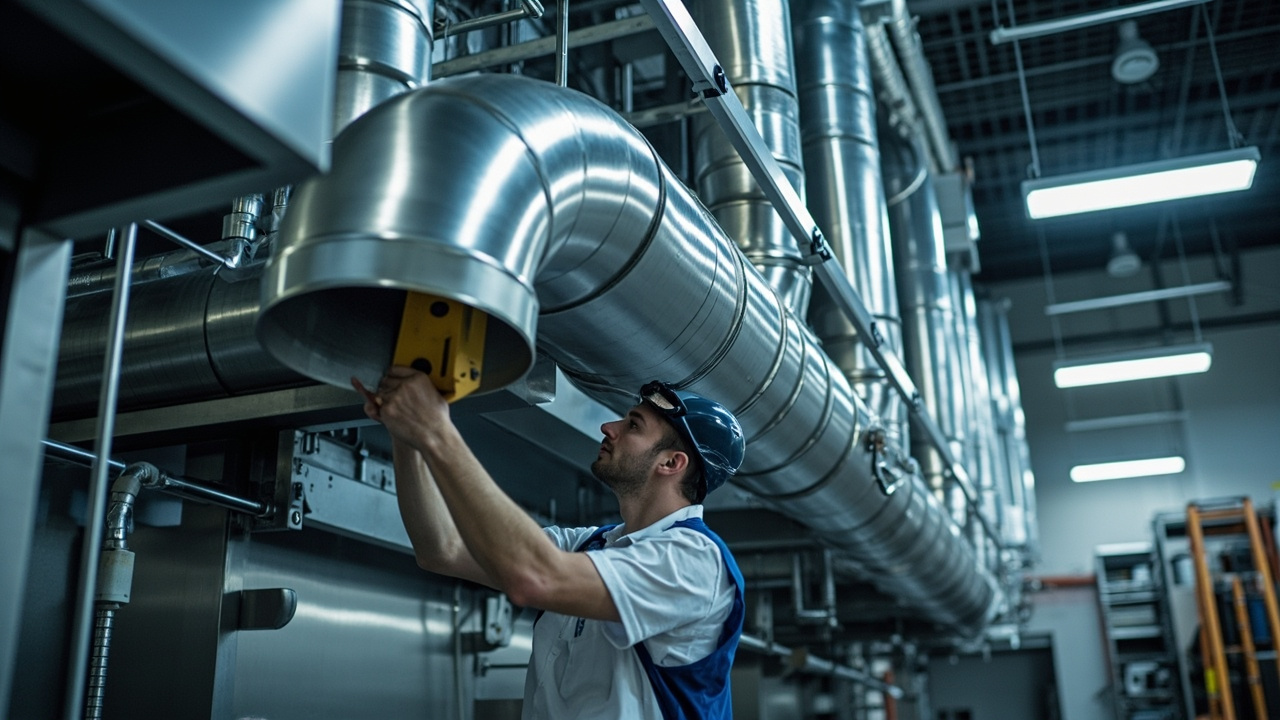
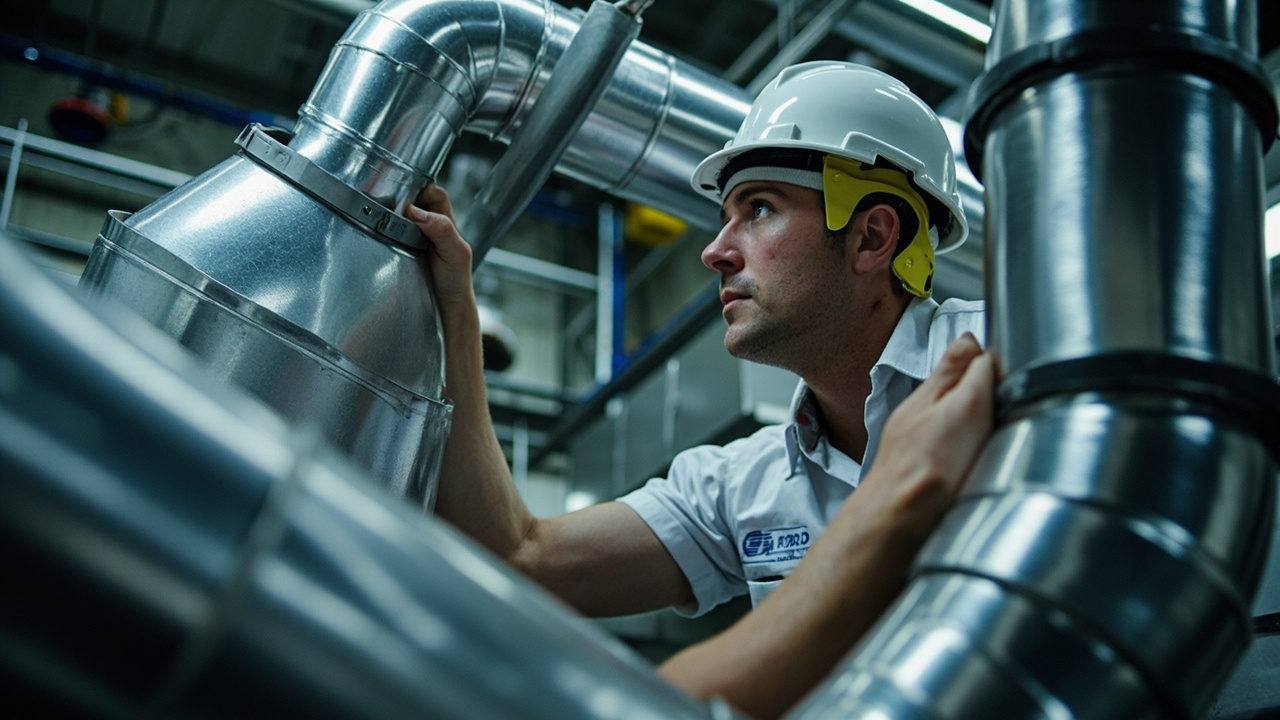
Ductwork design determines system effectiveness. We specify gauge thickness based on static pressure and velocity, use proper aspect ratios to minimize turbulence, and position access panels for maintenance. Welded seams and gasketed joints prevent leakage that reduces system capacity. Vibration isolation protects structural connections and eliminates noise transmission through building framing.

Makeup air integration separates functional systems from failing ones. Exhausting air without replacing it creates negative building pressure, forcing contaminants back into occupied spaces through unintended pathways. We engineer dedicated makeup air units with appropriate tempering to maintain indoor environmental quality without thermal penalties. Variable frequency drives allow system modulation based on actual demand, reducing operating costs while maintaining code-required minimum ventilation rates. Commercial air extraction that ignores these principles creates more problems than it solves.

Our Commercial Ventilation Installation Method

Commercial Ventilation & Exhaust Systems in Riverside | Minimizing Downtime with Industrial-Grade Solutions
01

Site Assessment and Load Analysis

We document existing conditions, measure contaminant concentrations, and evaluate structural capacity for new equipment loads. Your process equipment, occupancy patterns, and building envelope characteristics determine system requirements. We review local permit requirements, identify utility connection points, and establish realistic project timelines based on equipment lead times and your operational constraints. This phase prevents costly mid-project changes that delay completion.
02

System Design and Engineering

Our engineers produce stamped mechanical drawings showing ductwork routing, equipment specifications, electrical requirements, and control sequences. We specify commercial-grade components rated for continuous duty, not residential equipment repurposed for light commercial use. Detailed submittals allow accurate pricing, prevent substitution issues, and provide documentation for building department approval. You receive a system engineered for your facility, not adapted from a template.
03

Installation and Commissioning

Installation occurs during scheduled production downtime to minimize business interruption. We verify airflow at each terminal, balance the distribution system, and program control sequences. Commissioning includes smoke testing to confirm capture efficiency, sound level measurements to verify acceptable ambient conditions, and documentation of all setpoints. You receive operation manuals, maintenance schedules, and filter specifications required for ongoing compliance. The system performs as engineered, not as hoped.

Why Riverside Operations Choose Local Ventilation Expertise

Riverside facilities require contractors who understand regional compliance requirements. California Mechanical Code, Title 24 energy standards, and SCAQMD air quality regulations create a complex framework that generic contractors miss. Horizon HVAC Riverside maintains relationships with local building officials, understands permit processes, and knows which AHJs require third-party commissioning for mechanical systems above specific capacities.

Our familiarity with Riverside's industrial base provides practical advantages. We know which equipment suppliers stock replacement components locally, reducing downtime when failures occur. We understand seasonal demand patterns that affect service availability. Summer months strain every HVAC contractor in the Inland Empire. Facilities that establish relationships with local providers before emergencies occur get priority response when systems fail during peak production periods.

The Riverside market includes diverse facility types. Food processing operations near Arlington require washdown-rated exhaust systems. Warehouses in the Meridian West corridor need high-volume, low-velocity ventilation for thermal management. Auto body shops downtown need compliant spray booth exhaust with explosion-proof components. Medical facilities require negative pressure rooms with redundant systems. We engineer solutions for these specific applications rather than forcing standard products into incompatible situations.

Project continuity matters for complex installations. Multi-phase projects spanning months require coordination with ongoing operations, other trades, and building management. Local contractors provide consistency. You work with the same project manager, the same installation crews, and the same service department after completion. When modifications become necessary or capacity expansion occurs, institutional knowledge prevents reengineering work that should build on existing infrastructure. Commercial ventilation represents a long-term investment. Partner selection should reflect that reality.

What Your Commercial Ventilation Project Includes

Project Timeline and Scheduling

Design and engineering typically require two to four weeks depending on system complexity and required calculations. Equipment procurement adds four to eight weeks for commercial-grade components, longer for specialized industrial applications. Installation duration depends on system size, but most projects complete within scheduled production downtime windows. We coordinate with your operational calendar to minimize business disruption. Rush projects accommodate urgent compliance deadlines or facility expansion schedules, though expedited equipment procurement may affect product selection. Clear communication throughout the process ensures you can plan staffing, adjust production schedules, and coordinate with other contractors sharing the same workspace.

Engineering Assessment Process

Initial consultation identifies your specific ventilation challenges, regulatory requirements, and budget parameters. We tour your facility, document process equipment, and discuss operational constraints. Engineering analysis includes heat load calculations, contaminant characterization, and airflow modeling. You receive detailed proposals showing equipment specifications, installation scope, and project timeline. We explain technical decisions in practical terms, comparing options and their cost-performance tradeoffs. This transparency allows informed decisions rather than choosing between competing bids you cannot properly evaluate. Engineering fees apply to complex projects but credit toward installation contracts, ensuring serious proposals receive appropriate technical effort.

System Performance and Reliability

Properly engineered commercial ventilation systems operate continuously with minimal attention. You receive equipment rated for 20-plus year service life with routine maintenance, not residential products pushed beyond their design parameters. Installation quality determines long-term reliability. We use commercial-grade hangers, proper duct support spacing, and code-compliant fire dampers. Electrical connections meet National Electrical Code requirements for commercial installations. Control systems include diagnostic capabilities that identify developing problems before failures occur. Post-installation documentation provides maintenance staff with complete system information, including filter specifications, belt sizes, and recommended service intervals. Performance should meet engineered specifications, confirmed through commissioning measurements you can verify independently.

Maintenance and Service Support

Commercial mechanical systems require ongoing maintenance to maintain design performance and efficiency. We offer planned maintenance agreements covering filter changes, belt inspections, bearing lubrication, and motor analysis. Regular service identifies wear before failures occur, preventing unplanned downtime during critical production periods. Emergency service provides rapid response when systems fail, with priority scheduling for maintenance agreement customers. Parts inventory for common components reduces repair delays. Service documentation tracks system condition over time, identifying degradation patterns that suggest component replacement before catastrophic failure. Maintenance agreements provide budget predictability, spreading costs across annual payments rather than facing large unplanned repair expenses. Your facility maintains continuous code compliance and optimal indoor air quality without dedicating internal resources to mechanical system management.

Frequently Asked Questions

You Have Questions,
We Have Answers

What is the difference between exhaust system and ventilation system? +

An exhaust system removes contaminated air from a specific area, like a kitchen hood venting grease and heat or a restroom fan expelling moisture. It pushes stale air out. A ventilation system is broader. It manages total airflow, bringing fresh air in and distributing it throughout your facility while also exhausting stale air. Ventilation maintains air quality, temperature, and humidity across entire buildings. In Riverside's commercial spaces, where heat buildup and air stagnation are common, proper ventilation prevents IAQ complaints and regulatory issues. Exhaust is a component of ventilation, not a replacement.

How much does a ventilation system cost? +

Commercial ventilation system costs in Riverside vary widely based on building size, occupancy type, and code requirements. A small retail space might need $8,000 to $15,000 for basic mechanical ventilation. Industrial facilities requiring makeup air units, lab-grade filtration, or hazardous exhaust can exceed $100,000. Riverside's climate demands efficient cooling integration, which affects pricing. Budget for engineering assessments, ductwork modifications, and Title 24 compliance. Energy recovery ventilators add upfront cost but reduce operating expenses. Request detailed proposals that outline equipment specifications, labor, permits, and expected energy performance.

What are the three types of ventilation systems? +

The three types are natural, mechanical, and hybrid ventilation. Natural ventilation uses passive airflow through windows, vents, and building design, common in older Riverside structures but unreliable for code compliance. Mechanical ventilation uses fans and ductwork to control airflow precisely, meeting commercial IAQ standards and allowing filtration. Hybrid systems combine both, using natural ventilation when conditions allow and mechanical systems during extreme heat or poor outdoor air quality. Most Riverside commercial properties require mechanical systems due to consistent indoor climate demands, tenant density, and California Title 24 energy codes.

How much does a home ventilation system cost? +

This question targets residential scope, but for commercial context in Riverside, small office or mixed-use residential-commercial properties see costs from $5,000 to $25,000 for whole-building ventilation upgrades. Variables include square footage, existing ductwork condition, zoning requirements, and whether you need heat recovery ventilators. Riverside's hot summers mean ventilation must integrate with cooling loads efficiently. Older buildings often lack adequate return air pathways, requiring significant ductwork investment. Always factor in Title 24 compliance testing and commissioning. Multi-tenant properties face higher costs due to separate zone controls and fire damper requirements.

Why don't people use attic fans anymore? +

Attic fans fell out of favor because they often depressurize conditioned spaces, pulling cooled air from your building into the attic and drawing hot outdoor air in through gaps. This increases cooling costs. In Riverside's heat, poorly designed attic ventilation can worsen energy performance. Modern commercial buildings use balanced ventilation with controlled intake and exhaust, sealed building envelopes, and radiant barriers. Ridge vents and soffit vents provide passive attic cooling without energy penalties. If your facility has attic fans, assess whether they align with current HVAC loads or create pressure imbalances.

How much does it cost to replace an exhaust vent? +

Replacing a commercial exhaust vent in Riverside ranges from $500 for simple roof cap replacements to $5,000 for commercial kitchen hood exhaust assemblies with fire-rated ductwork and makeup air integration. Costs depend on vent type, roof access, duct runs, and code compliance needs. Commercial restroom exhaust fans with integrated ductwork average $800 to $2,000. Industrial process exhaust requiring specialized materials or hazardous fume handling costs significantly more. Riverside's building codes require proper flashing and sealing to prevent roof leaks during winter rains. Always include permit and inspection costs in your budget.

How long do ventilation systems last? +

Commercial ventilation systems in Riverside last 15 to 25 years with proper maintenance. Exhaust fans and motors typically need replacement every 10 to 15 years due to wear. Ductwork can last 30 years if properly sealed and insulated, but Riverside's temperature swings can degrade insulation faster. Control systems and sensors often require upgrades every 10 years as technology advances. Heat recovery ventilators have shorter lifespans due to moving parts. Neglected systems fail prematurely. Schedule annual inspections, replace filters quarterly, and address duct leaks immediately to maximize lifespan and maintain energy efficiency.

Are ventilators covered by insurance? +

Commercial property insurance typically does not cover ventilation system replacements due to normal wear and equipment failure. Coverage applies if damage results from covered perils like fire, vandalism, or storm damage. If your Riverside facility suffers roof damage that destroys exhaust fans or ductwork, your policy may cover repairs. Business interruption insurance can offset lost revenue if ventilation failure forces closure due to code violations. Review your policy for equipment breakdown endorsements, which cover mechanical failures. Document all maintenance records to demonstrate due diligence if filing claims. Consult your broker about specific ventilation coverage.

How much does it cost to put AC in a 1500 sq ft house? +

This question targets residential HVAC, but for commercial context in Riverside, cooling costs for 1,500 square feet depend on building use, insulation, and occupancy. Retail or office spaces need 2 to 3 tons of cooling capacity. Equipment and installation range from $8,000 to $18,000 for split systems. High-efficiency units cost more upfront but reduce operating costs in Riverside's extended cooling season. Add ventilation integration, ductwork modifications, and Title 24 compliance testing. Warehouse or industrial spaces require different calculations based on heat loads and air changes per hour. Always size systems based on Manual J calculations.

What are the 3 C's of ventilation? +

The three Cs of ventilation are Capture, Contain, and Control. Capture means collecting contaminated air at the source before it spreads, like kitchen hoods or welding fume extractors. Contain refers to isolating hazardous areas with negative pressure and proper duct routing to prevent cross-contamination. Control involves regulating airflow rates, pressure differentials, and air quality through dampers, variable speed fans, and sensors. In Riverside commercial facilities, especially food service and light industrial, applying the three Cs prevents IAQ complaints, meets OSHA standards, and protects your liability exposure. Proper design is critical.

How Riverside's Industrial Growth Drives Ventilation Complexity

The Inland Empire logistics boom transformed Riverside's industrial footprint. Massive distribution centers replaced citrus groves along the 215 corridor, creating concentrated mechanical demands that strain existing utility infrastructure. These facilities require industrial air handling systems moving hundreds of thousands of cubic feet per minute to manage thermal loads from people, equipment, and solar gain through expansive roof surfaces. Southern California Edison grid capacity and demand charges make energy efficiency critical, not optional. Variable frequency drives, economizer controls, and demand-controlled ventilation reduce operating costs while maintaining required ventilation rates. Facilities ignoring these factors pay penalty rates during peak demand periods.

Riverside enforces California's stringent building codes with local amendments addressing seismic concerns and fire safety in mixed-use developments. Commercial ventilation projects require mechanical permits, plan review by city building officials, and final inspection before occupancy. Contractors unfamiliar with local procedures face delays, correction notices, and failed inspections that postpone facility openings. Horizon HVAC Riverside maintains working relationships with plan reviewers, understands submittal requirements, and designs systems that pass inspection without modifications. This local expertise protects project timelines and prevents costly rework. When compliance issues affect your facility, you need contractors who navigate regulatory requirements efficiently.
HVAC Services in The Riverside Area

We invite you to explore our service area and see where Horizon HVAC proudly delivers exceptional heating and cooling solutions. While our physical location serves as our hub, our dedicated team extends its expert services across the entire region, bringing unparalleled comfort and air quality directly to your doorstep, whether for residential or commercial needs, ensuring we’re always within reach for your HVAC requirements.

Address:
Horizon HVAC Riverside, 11801 Pierce St Suite 200, Riverside, CA, 92505

Additional Services We Offer

Our news updates

Latest Articles & News from The Blogs

A Guide for Riverside Tenants on Requesting HVAC Repairs and Maintenance Living in Riverside means dealing with extreme summer heat…

A Guide for Riverside Tenants on Requesting HVAC Repairs and Maintenance

A Guide for Riverside Tenants on Requesting HVAC Repairs and Maintenance Living in Riverside means dealing with extreme summer heat…

Propane vs Electric Heating for Rural Homes in the Outskirts of Woodcrest

Propane vs Electric Heating for Rural Homes in the Outskirts of Woodcrest Homeowners in the outskirts of Woodcrest face a…

Heating and Cooling Solutions for New Multi-Generational Suites in Sycamore Highlands

Heating and Cooling Solutions for New Multi-Generational Suites in Sycamore Highlands Building a multi-generational suite in Sycamore Highlands means creating…

Contact Us

Your operation cannot afford ventilation failures during production periods. Call Horizon HVAC Riverside at (951) 223-9644 for engineering consultation and project evaluation. We provide solutions that work, not equipment that disappoints.