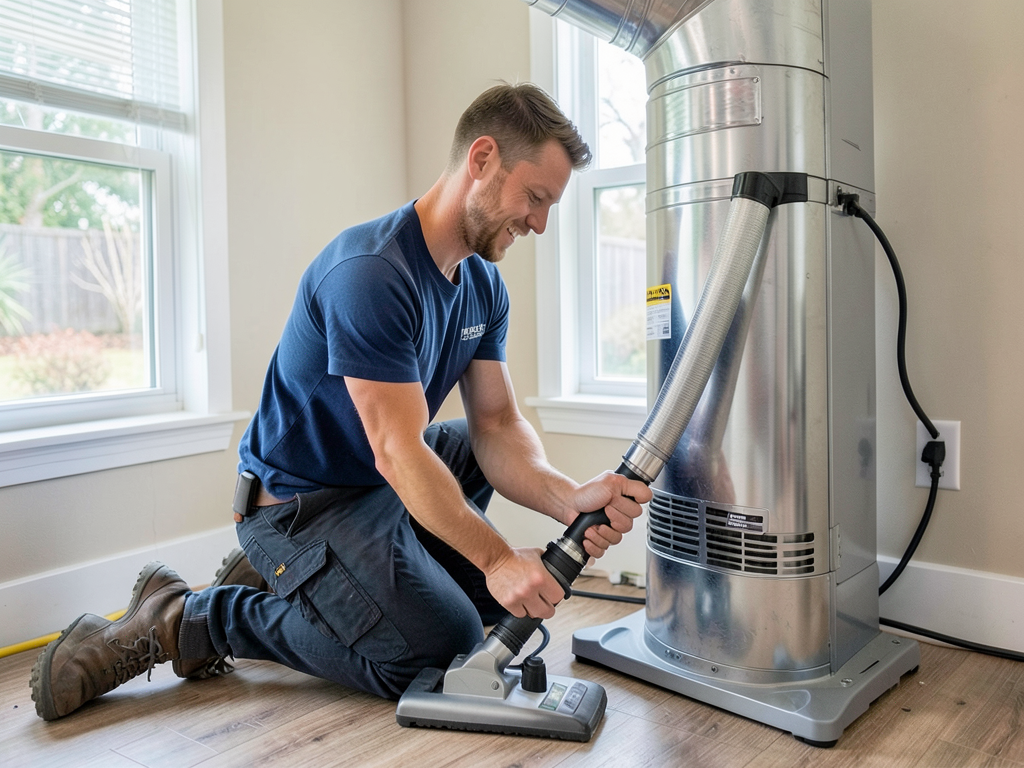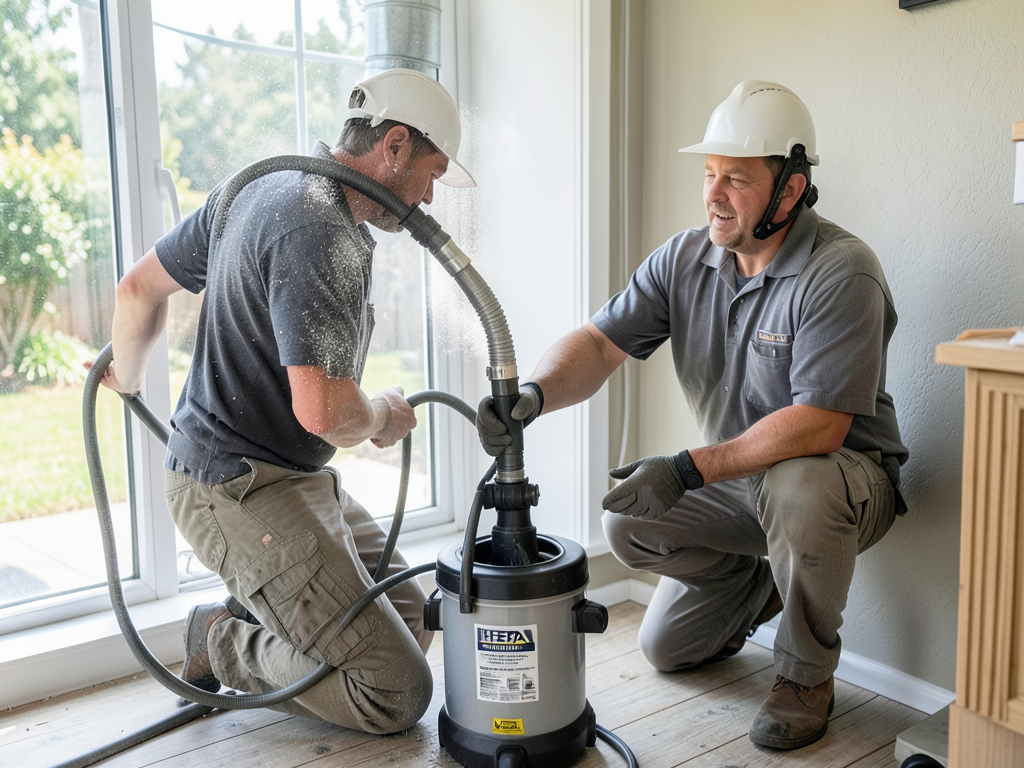







Riverside sits in the direct path of Santa Ana wind events that push hot, dry air from the desert through the mountain passes. These winds carry fine particulate matter, dust, and debris that infiltrate homes through attic vents, crawl space openings, and furnace combustion air intakes. The dust accumulates on the pilot assembly, thermocouple, and burner ports faster than in coastal or valley locations. Furnaces installed in attics or garages experience the highest contamination rates. This is why pilot light problems spike in October and November when Santa Ana conditions are most frequent. Regular pilot assembly cleaning prevents these failures, but most homeowners do not discover the contamination until the pilot will not stay lit.
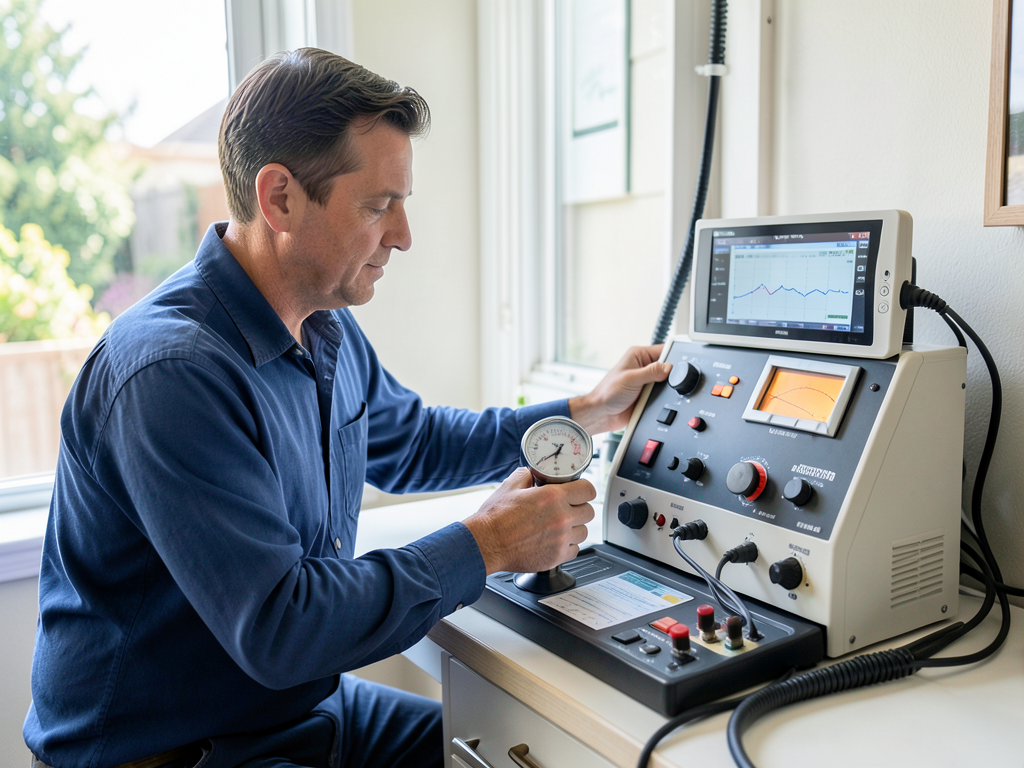
Riverside County enforces specific combustion air and venting requirements under the California Mechanical Code, which many homeowners and handyman installers overlook. Furnaces installed in closets, alcoves, or confined spaces require properly sized combustion air openings to the outdoors or to spaces with adequate air supply. When these openings are blocked or undersized, the furnace cannot draw sufficient oxygen for complete combustion. The pilot flame becomes starved and unstable. We verify code compliance during every pilot light service call because improper air supply is a leading cause of recurring pilot failures. Choosing a local HVAC provider who understands these regional code requirements prevents repeated service calls and ensures your system operates safely and efficiently.