




Menu

Heat Pump vs. Furnace Guide for Riverside Homes – Get Expert Comparison Before You Buy

Compare heat pumps and gas furnaces side-by-side with cost breakdowns, efficiency ratings, and climate-specific recommendations tailored to Riverside's mild winters and hot summers.

Slider Image 1
Slider Image 2
Slider Image 3
Slider Image 4
Slider Image 5
Slider Image 7
Slider Image 8
Slider Image 9
Slider Image 10
Slider Image 11

Why Riverside Homeowners Face a Real Choice Between Heat Pumps and Furnaces

Riverside's Mediterranean climate creates a unique situation. You need cooling for 8 months of the year and heating for maybe 3. Winter lows rarely drop below 40°F, but summer highs push past 100°F regularly.

This climate puts you in the sweet spot for heat pump technology. A heat pump moves heat rather than generating it, making it incredibly efficient when outdoor temperatures stay moderate. You get heating and cooling in one system. Gas furnaces generate heat through combustion, which makes them powerful in extreme cold but less efficient in mild winters like ours.

The difference between heat pump and furnace operation matters here. A furnace only heats. You still need a separate air conditioner. A heat pump does both jobs, which means lower installation costs and less equipment on your property.

Heat pump vs furnace pros and cons shift based on geography. In Minnesota, a gas furnace wins. In Riverside, the math tilts toward heat pumps for most homes. Your utility costs, existing ductwork, and whether you have natural gas service all factor into the equation.

The heat pump or furnace decision also depends on your home's insulation, square footage, and your tolerance for temperature swings. Older homes in the Wood Streets or Magnolia Center neighborhoods with single-pane windows and minimal insulation may need supplemental heating on rare cold nights.

Understanding the heat pump vs gas furnace comparison means looking at SEER ratings, HSPF numbers, and your actual energy bills. We break down the real costs and performance differences so you make the right choice for your specific home.

Why Riverside Homeowners Face a Real Choice Between Heat Pumps and Furnaces
How Heat Pumps and Furnaces Actually Work in Riverside Conditions

How Heat Pumps and Furnaces Actually Work in Riverside Conditions

A heat pump uses refrigerant and a reversing valve to transfer heat. In summer, it pulls heat from your indoor air and dumps it outside. In winter, it reverses the cycle and extracts heat from outdoor air, even when it feels cold outside. The refrigerant absorbs ambient heat and concentrates it through compression before delivering it indoors.

Heat pumps lose efficiency when outdoor temps drop below 25°F to 30°F, depending on the model. In Riverside, we rarely hit those numbers. That makes heat pump vs furnace efficiency calculations favor the heat pump for 95% of the year.

A gas furnace burns natural gas in a combustion chamber. The heat exchanger warms air without mixing combustion gases into your ductwork. AFUE ratings measure furnace efficiency. A 95% AFUE furnace converts 95% of gas into usable heat. The other 5% escapes through the flue vent.

Modern variable-speed heat pumps adjust capacity in 1% increments. They run longer at lower speeds, which eliminates temperature swings and reduces energy waste. Single-stage furnaces blast heat at 100% capacity until the thermostat is satisfied, then shut off completely. This on-off cycling wastes energy and creates uneven temperatures.

The heat pump vs furnace comparison also involves humidity control. Heat pumps dehumidify while cooling. Furnaces add no moisture control, so you may need a separate dehumidifier in summer.

Ductwork design matters for both systems. Undersized ducts create static pressure, which reduces airflow and efficiency. Leaky ducts waste 20% to 30% of conditioned air in most Riverside homes. We measure static pressure and duct leakage before recommending equipment to ensure your system operates at rated capacity.

How We Help You Choose the Right System for Your Home

Heat Pump vs. Furnace Guide for Riverside Homes – Get Expert Comparison Before You Buy
01

Load Calculation Analysis

We perform a Manual J load calculation to determine your home's exact heating and cooling requirements. This accounts for insulation levels, window orientation, square footage, and occupancy. Oversized equipment cycles on and off rapidly, which wastes energy and shortens equipment life. Undersized systems run constantly and never reach comfortable temperatures. The calculation gives us the precise tonnage and BTU capacity your home needs for optimal performance and efficiency.
02

Equipment Comparison Review

We present side-by-side comparisons of heat pump and furnace options with real energy cost projections based on your current utility rates. You see SEER ratings, HSPF ratings, AFUE percentages, and estimated monthly operating costs. We explain tax credits, utility rebates, and financing options. You get upfront equipment costs, installation costs, and 10-year operating cost projections so you can make an informed decision based on total cost of ownership, not just sticker price.
03

Installation and Performance Verification

After you select your system, we install it according to manufacturer specifications and verify performance with diagnostic tools. We measure airflow at each register, check refrigerant charge, test thermostat calibration, and verify proper condensate drainage. You receive a commissioning report showing your system operates at rated capacity. We program your thermostat for optimal efficiency and walk you through the controls so you understand how to use every feature your new equipment offers.

Why Riverside Homeowners Trust Our System Recommendations

We operate in Riverside year-round. We know how the Santa Ana winds affect cooling loads in fall. We understand how morning fog impacts heat pump defrost cycles. We see how homes in different neighborhoods perform based on age, construction type, and tree coverage.

Generic online calculators cannot account for local variables. A home near the 91 freeway deals with different air quality issues than a home in Mission Grove. Homes built in the 1950s in Casa Blanca have different duct systems than new construction in Orangecrest. We factor these details into our recommendations.

Riverside uses California Title 24 energy codes, which set minimum efficiency standards and require duct testing on new installations. We stay current on code changes and permit requirements so your installation passes inspection the first time.

We also understand local utility rate structures. Southern California Edison offers time-of-use rates that change the cost calculation for heat pumps versus gas furnaces. If you run your heat pump during off-peak hours, your operating costs drop significantly compared to peak rates.

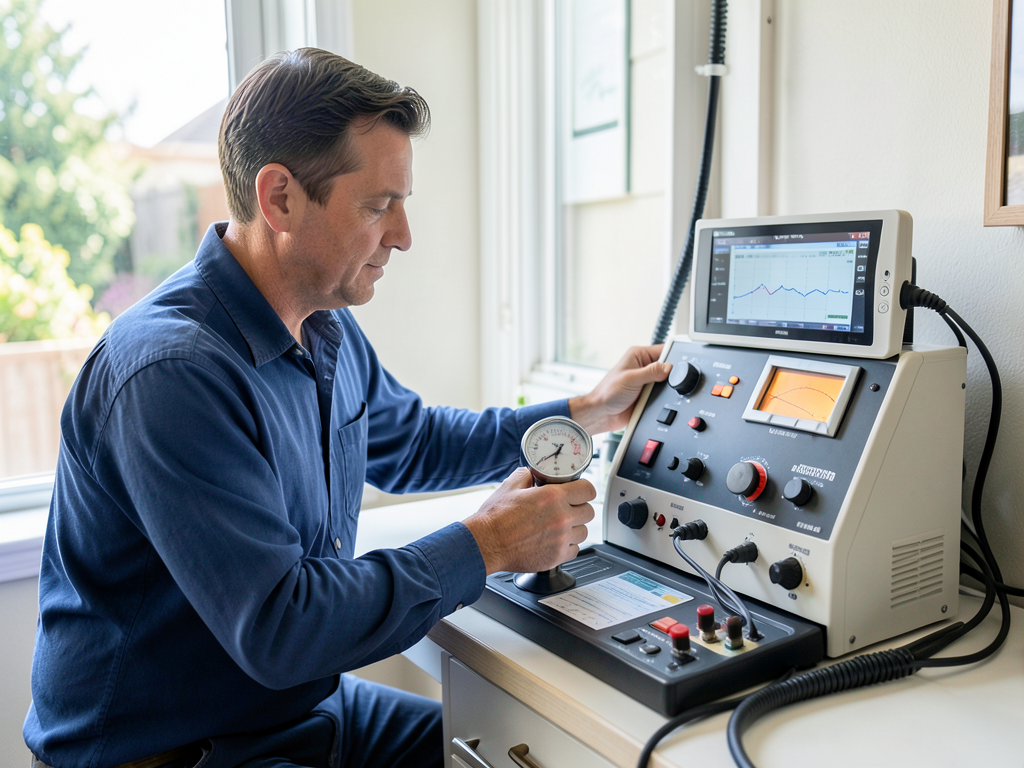
Our technicians carry refrigerant leak detectors, digital manifolds, and airflow hoods to every appointment. We do not guess at system performance. We measure static pressure, superheat, subcooling, and temperature split to diagnose problems accurately and recommend solutions based on data.

We also provide honest assessments when repair makes more sense than replacement. A 12-year-old furnace with a failed inducer motor might only need a part. A 20-year-old heat pump with a compressor failure probably needs replacement because the refrigerant type is obsolete and parts are scarce.

You get straightforward advice based on your specific situation, not a sales pitch designed to maximize our revenue.

What You Need to Know Before Choosing Your Heating System

Decision Timeline and Availability

Equipment selection takes 60 to 90 minutes for a thorough load calculation and cost comparison. We can usually schedule installation within 5 to 10 business days depending on equipment availability and permit processing time. If your existing system fails completely, we can provide temporary heating or cooling solutions while you decide on replacement options. Rush installations are possible in true emergencies, but proper planning leads to better outcomes. Peak season runs from May through September for cooling equipment and November through February for heating equipment, so expect longer lead times during those windows.

In-Home Assessment Process

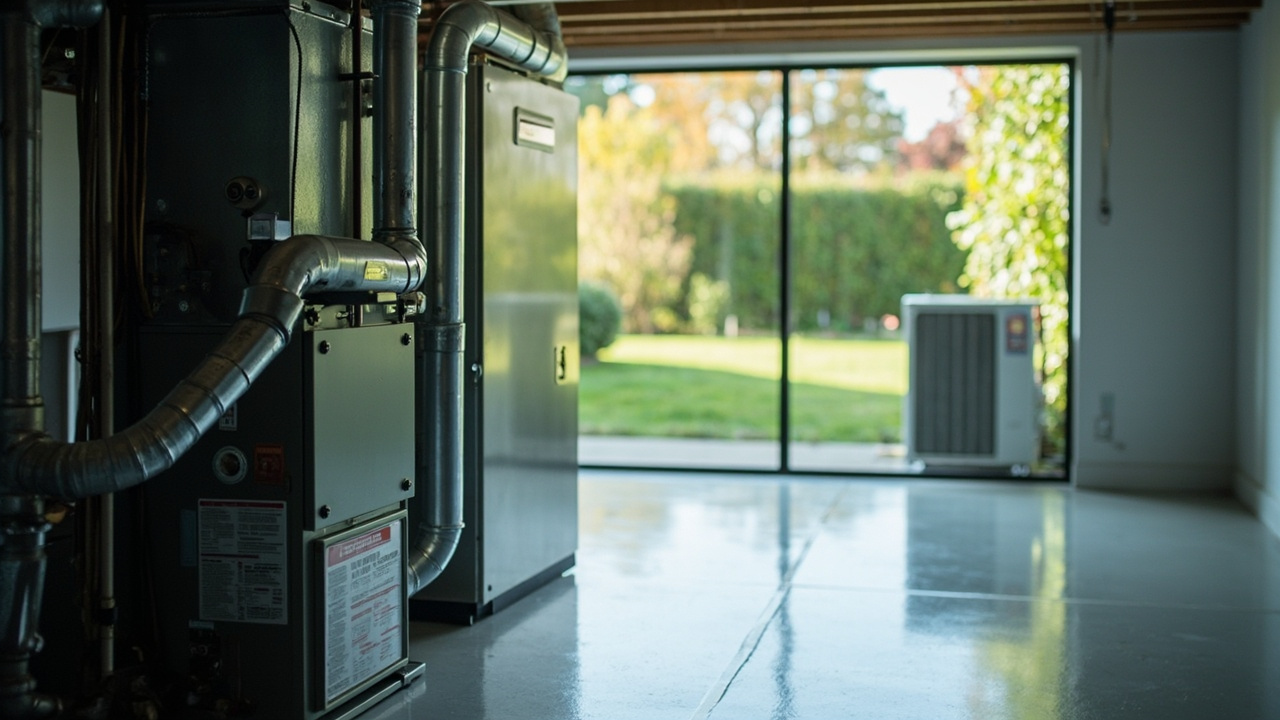
We inspect your existing ductwork, electrical service, thermostat wiring, and outdoor unit placement. Heat pumps require adequate clearance for airflow and service access. Furnaces need proper venting and combustion air. We check your electrical panel capacity because heat pumps draw more amperage than furnaces. We measure your duct system for leaks and proper sizing. If your ducts need sealing or modification, we include that in the proposal. We also photograph your current setup and explain any deficiencies that affect performance or safety. You receive a written proposal with equipment specifications, labor costs, permit fees, and warranty details.

Performance and Comfort Outcomes

A properly sized and installed heat pump maintains consistent temperatures with minimal noise. You notice better humidity control and more even airflow compared to older systems. A new high-efficiency furnace heats your home faster with less cycling and lower gas bills. Both systems improve indoor air quality when paired with high-MERV filters and regular maintenance. Your energy bills drop 20% to 40% compared to older equipment, depending on your current system's age and condition. Variable-speed systems eliminate hot and cold spots by running longer at lower speeds. You gain smart thermostat compatibility for remote control and energy tracking through mobile apps.

Maintenance Requirements and Longevity

Heat pumps need professional maintenance twice yearly because they operate year-round. Furnaces need annual tune-ups before heating season. Maintenance includes cleaning coils, checking refrigerant levels, testing electrical connections, lubricating motors, and inspecting heat exchangers. Neglected systems fail 5 to 7 years earlier than maintained systems. Most manufacturers require proof of annual maintenance to honor warranty claims. We offer maintenance agreements that include priority scheduling, discounted repairs, and automatic appointment reminders. Well-maintained heat pumps last 15 to 20 years. Furnaces typically last 15 to 25 years depending on usage and maintenance quality.

Frequently Asked Questions

You Have Questions,
We Have Answers

How Riverside's Mild Winters Change the Heat Pump vs Gas Furnace Decision

Riverside averages only 15 nights per year below 40°F. Most winters see overnight lows between 42°F and 50°F. Heat pumps operate at peak efficiency in this temperature range, delivering 3 to 4 units of heat for every unit of electricity consumed. Gas furnaces cannot match that efficiency ratio. The mild climate eliminates the main drawback of heat pumps, which is reduced output in extreme cold. Homes near the Santa Ana River or in lower elevation neighborhoods like Arlanza see even milder winter conditions. This climate reality makes the heat pump vs furnace comparison favor heat pumps for energy efficiency and operating costs.

Riverside homeowners also benefit from California's TECH Clean California initiative, which offers rebates up to several thousand dollars for heat pump installations. These incentives reduce the upfront cost difference between heat pumps and gas furnaces. Local HVAC contractors familiar with Riverside's building department requirements can navigate permit approvals efficiently. We work with inspectors regularly and understand their expectations for equipment placement, electrical work, and duct modifications. Choosing a local provider means faster service, familiarity with neighborhood-specific challenges, and accountability that national chains cannot match.
HVAC Services in The Riverside Area

We invite you to explore our service area and see where Horizon HVAC proudly delivers exceptional heating and cooling solutions. While our physical location serves as our hub, our dedicated team extends its expert services across the entire region, bringing unparalleled comfort and air quality directly to your doorstep, whether for residential or commercial needs, ensuring we’re always within reach for your HVAC requirements.

Address:
Horizon HVAC Riverside, 11801 Pierce St Suite 200, Riverside, CA, 92505

Additional Services We Offer

Our news updates

Latest Articles & News from The Blogs

Simple HVAC Maintenance for UCR Students Living in Off Campus Housing Riverside summers can hit triple digits and your off-campus…

Simple HVAC Maintenance for UCR Students Living in Off Campus Housing

Simple HVAC Maintenance for UCR Students Living in Off Campus Housing Riverside summers can hit triple digits and your off-campus…

Why Your Smart Thermostat Settings Might Be Wasting Money in the Riverside Climate

Why Your Smart Thermostat Settings Might Be Wasting Money in the Riverside Climate The Inland Empire's triple-digit summer heat can…

Is Your Current Riverside Air Conditioner Energy Efficient Enough to Run on Solar Power?

Is Your Current Riverside Air Conditioner Energy Efficient Enough to Run on Solar Power? Your Riverside air conditioner might be…

Contact Us

Call (951) 223-9644 now for a free in-home assessment. We provide detailed cost comparisons, equipment recommendations, and financing options with no pressure to buy. You get honest answers based on your specific home and budget.