




Perris sits in the inland valley where summer temperatures routinely hit 100 to 110 degrees from June through September. The dry desert air and extreme heat cycles put intense strain on air conditioning systems. Your compressor runs longer hours than coastal units, your refrigerant lines expand and contract daily, and your condenser coils collect dust from agricultural areas and construction sites across the valley.
The temperature swings matter too. Winter nights drop to the 30s while summer days exceed 105 degrees, creating a 70-degree annual range that stresses seals, gaskets, and electrical connections. Units near March Air Reserve Base handle additional vibration stress from aircraft operations. Older homes in the May Farms and Perris Valley neighborhoods often have undersized ductwork or single-pane windows that force HVAC systems to work overtime.
California Title 24 energy codes require specific SEER ratings and installation standards, but older Perris homes built before these regulations need system upgrades to handle the heat efficiently. The local soil is expansive clay that shifts foundations and can crack concrete pads under outdoor units. Most Perris residents need air conditioning repair or maintenance at least once per year to keep systems running through the brutal summer months.
Horizon HVAC Riverside has served Riverside County for years, and we know what breaks in Perris heat. Our technicians train specifically on the challenges of inland valley climate conditions. We stock our trucks with the capacitors, contactors, and refrigerant blends that fail most often in extreme temperatures. When you call us, we arrive prepared to fix your system instead of making multiple trips for parts.
We price every job upfront before work starts. No surprises, no hidden fees, no upselling services you do not need. You see the total cost in writing, and you decide if we proceed. Our technicians explain what failed, why it failed, and what you can do to prevent the same problem next year.
Most HVAC companies in Perris send undertrained helpers on service calls. We send licensed technicians with at least five years of field experience. They diagnose problems accurately the first time and repair systems correctly so you do not pay twice for the same issue. We guarantee our work because we stand behind the quality of our repairs.
We answer emergency calls 24 hours a day, seven days a week. When your AC fails at midnight during a heat wave, you reach a real person who dispatches a real technician. We do not use answering services or callback systems. Your call goes directly to our dispatch team, and we send help fast. Perris families deserve reliable air conditioning, and we deliver it.

We dispatch technicians to Perris homes within two hours of your call, often faster. Our trucks carry the most common replacement parts for immediate repairs. When your system fails during a heat wave, you get cool air restored the same day, not next week.

You see the total repair cost in writing before we touch your system. No hourly rates, no surprise charges, no pressure tactics. Our technicians diagnose the problem, quote the repair, and let you decide. The price we quote is the price you pay.
Every technician we send to your home holds current California licenses and has at least five years of hands-on experience. We do not send helpers or trainees on service calls. You get experienced professionals who diagnose accurately and repair correctly the first time.
We train our team specifically on the failure patterns caused by inland valley heat. We know which components fail first in 110-degree temperatures, which refrigerants perform best in desert conditions, and how to size systems for extreme climate stress unique to Perris.
Horizon HVAC Riverside handles every type of heating and cooling need in Perris, from emergency breakdowns to planned system replacements. We repair all major brands of air conditioners, heat pumps, and furnaces. Our service range includes central air conditioning systems, ductless mini-splits, package units, and commercial HVAC equipment.
Most Perris homes need three types of service over the life of their HVAC system. Emergency repairs happen when something breaks and you need immediate help. Preventive maintenance keeps systems running efficiently and catches small problems before they become expensive failures. System replacements become necessary when equipment reaches the end of its useful life or when repair costs exceed replacement value.
We organize our services around these three core needs. Each service category requires different expertise, different parts inventory, and different customer communication. When you call with an emergency, we focus on speed and damage control. When you schedule maintenance, we focus on thorough inspection and optimization. When you need a new system, we focus on proper sizing, energy efficiency, and long-term value. Understanding which service you need helps us respond with the right technician, the right equipment, and the right approach.
Your AC stopped cooling during a Perris heat wave, and you need help now. We dispatch technicians around the clock with fully stocked trucks. Most emergency calls involve failed capacitors, bad contactors, refrigerant leaks, or compressor failures. We diagnose the problem fast, quote the repair upfront, and restore cool air the same day. Our emergency service covers all residential and light commercial systems, including central air, heat pumps, and package units.
Regular maintenance extends system life and prevents expensive breakdowns during peak seasons. Our technicians clean condenser coils, check refrigerant levels, test electrical connections, calibrate thermostats, and inspect ductwork for leaks. We catch worn components before they fail and optimize system efficiency to lower energy bills. Most Perris homeowners schedule maintenance twice per year, before summer cooling season and before winter heating season, to keep systems running reliably year-round.
Old systems eventually cost more to repair than replace. We install high-efficiency air conditioners, heat pumps, and furnaces sized correctly for Perris climate conditions. Our installation process includes load calculations, ductwork evaluation, electrical upgrades if needed, and proper refrigerant charging. We help you choose equipment that balances upfront cost with long-term energy savings. Every installation includes warranty registration, system startup, and operation training so you understand how to use your new equipment efficiently.
The extreme inland valley heat creates specific failure patterns in Perris HVAC systems. Components that last 15 years in coastal climates often fail in 8 to 10 years here. The temperature stress, dust exposure, and long runtime hours accelerate wear on electrical components, refrigerant systems, and mechanical parts.
We see the same problems repeatedly in Perris homes. Capacitors fail from heat exposure. Contactors pit and burn from high amperage loads. Refrigerant leaks develop in coil joints stressed by temperature cycling. Compressors seize after running too many hours in extreme heat. Blower motors burn out from dust buildup and inadequate airflow. Understanding these common problems helps you recognize warning signs before total system failure occurs.
Most breakdowns give advance warning. Your system runs constantly but never reaches temperature. You hear unusual sounds like clicking, buzzing, or grinding. Your energy bills spike without explanation. Ice forms on refrigerant lines. Warm air blows from vents during cooling mode. Catching these signs early prevents emergency failures during the hottest days of summer when you need your AC most.
Capacitors store electrical charge to start compressors and fan motors. Perris heat degrades the electrolyte inside capacitors, causing them to bulge, leak, or fail completely. A failed capacitor prevents your system from starting or causes it to hum without running. Replacing capacitors before they fail prevents compressor damage from hard starting attempts.
Daily temperature swings cause refrigerant lines to expand and contract. The stress concentrates at brazed joints where copper lines connect to coils. Tiny cracks develop and leak refrigerant slowly over time. Low refrigerant reduces cooling capacity, forces your system to run longer, and can damage the compressor if not corrected promptly.
Compressors pump refrigerant through your system and generate the cooling effect. Running 12 to 16 hours per day in Perris summer heat wears compressor bearings and motor windings. Most compressors fail between years 8 and 12 in extreme climates. A failed compressor usually requires full system replacement because compressor cost approaches new system cost.
Ductwork in Perris attics experiences extreme temperature swings that loosen tape seals and separate joints. Leaking ducts waste 20 to 40 percent of cooled air into unconditioned spaces. Your system runs longer to compensate, raising energy bills and shortening equipment life. Proper duct sealing improves comfort and reduces cooling costs significantly.
We built our service process around clear communication and respect for your time. When your HVAC system fails, you need fast help, straight answers, and reliable repairs. Our process eliminates the frustration most homeowners experience with service companies.
You talk to a real person when you call, not an answering service. We ask about your symptoms, check your location in Perris, and dispatch the nearest available technician. You receive a text message with your technician's name, photo, and estimated arrival time. Our technicians call when they are 15 minutes away so you can prepare for their arrival.
Once on site, our technician diagnoses your system thoroughly before recommending any repairs. We test electrical components, measure refrigerant pressures, check airflow, and inspect all mechanical parts. You receive a written quote showing exactly what failed, what we recommend, and what it costs. No work begins until you approve the price. After repairs, we test the system completely and show you that everything works correctly. You receive documentation of all work performed and warranty information for parts and labor.
We answer phones 24 hours a day, and a real dispatcher takes your call. No automated systems, no callbacks required. We gather information about your problem, locate the nearest available technician, and provide an accurate arrival window. You receive text updates with technician details and arrival time. Our technicians call when they are 15 minutes away and arrive within the promised timeframe or we notify you immediately if delays occur.
Our technicians spend time diagnosing your system correctly before recommending repairs. We test all components, measure system performance, and identify the root cause of failure. You receive a written quote showing the problem, the solution, and the total cost before any work begins. We explain your options clearly and answer all questions. No pressure, no upselling, no surprises. You decide whether to proceed based on complete information.
After completing repairs, we test your entire system to verify proper operation. We measure temperature splits, check refrigerant pressures, test safety controls, and confirm adequate airflow. You see the system running correctly before our technician leaves. We provide written documentation of all work performed, warranty information for parts and labor, and maintenance recommendations to prevent future problems. If issues arise after we leave, we return to make it right.
We keep the service process simple and straightforward. Three clear steps get your system diagnosed, repaired, and running correctly again.
Call us at (951) 223-9644 anytime day or night. Our dispatcher answers immediately, gathers information about your HVAC problem, and locates your home in Perris. We provide an arrival time window and dispatch the nearest technician with the skills and parts needed for your type of system. You receive a text confirmation with technician details and estimated arrival time. Most emergency calls get same-day service.
Our technician arrives with a fully stocked truck and diagnostic equipment. We inspect your system thoroughly, test all components, and identify what failed. You receive a written quote showing the problem, the recommended repair, and the total cost including parts and labor. We explain everything clearly and answer your questions. No work begins until you approve the quote and authorize us to proceed with repairs.
We complete the repair using quality parts and proper techniques. After finishing the work, we test your entire system to verify correct operation. We measure performance, check safety controls, and confirm your system cools or heats properly. You see it running correctly before we leave. We clean up completely, provide documentation of work performed, and explain warranty coverage on parts and labor.
Professional HVAC service in California requires adherence to specific codes, standards, and technical protocols. Title 24 energy standards mandate minimum SEER ratings for new equipment, proper duct sealing procedures, and refrigerant charge verification. Horizon HVAC Riverside follows these regulations strictly and applies industry best practices that exceed minimum code requirements.
All refrigerant work must comply with EPA Section 608 regulations. Our technicians hold current EPA certifications for handling refrigerants. We recover refrigerant properly before system repairs, prevent atmospheric releases during service, and charge systems to manufacturer specifications using accurate manifold gauges and digital scales. California banned R-22 refrigerant in new equipment, so older systems require careful management of remaining refrigerant or conversion to approved alternatives.
Electrical work follows National Electrical Code standards and local amendments. We verify proper wire sizing for amperage loads, install appropriate disconnect switches, and ensure systems have adequate overcurrent protection. Many older Perris homes have undersized electrical services that require upgrades before installing modern high-efficiency equipment. We identify these issues during system evaluation and coordinate electrical upgrades when necessary.
Ductwork installation and modification must meet California mechanical code requirements. We seal all joints with mastic or approved tape, insulate ducts to code minimums, and support ductwork properly to prevent sagging. Proper duct sizing matters for system performance. Undersized ducts restrict airflow and reduce system capacity. We calculate duct sizes using Manual D protocols to ensure adequate airflow for system tonnage.
Installation quality determines system longevity. We install condensing units on level concrete pads or composite pad systems that resist settling in Perris clay soil. We pitch refrigerant lines properly for oil return, support lines to prevent vibration damage, and insulate suction lines to prevent condensation. Indoor coils mount level with proper drainage for condensate removal. We test all installations with pressure tests, leak detection, and performance verification before completing the job.
California Title 24 energy standards require minimum 14 SEER for split systems and 11 SEER for package units. Ductwork must be sealed and tested for leakage. New installations require refrigerant charge verification using manufacturer specifications. We document compliance on every installation and provide homeowners with required certification documents for building department approval.
Repair costs depend on which component failed, refrigerant type, system age, and accessibility. Capacitors and contactors cost less to replace than compressors or coils. R-22 refrigerant costs significantly more than modern R-410A. Systems in difficult locations like tight attics require more labor. We provide exact pricing upfront so you know total cost before repairs begin.
Most emergency repairs take two to four hours from arrival to completion. Simple fixes like capacitor replacement finish faster. Complex repairs like coil replacement take longer. New system installations typically require one full day for complete changeout including startup and testing. We provide accurate time estimates when we quote repairs so you can plan accordingly.
Manufacturer warranties cover parts for five to ten years depending on equipment brand and registration. We register all new equipment immediately to activate full warranty coverage. Our labor warranty covers workmanship for one full year on repairs and two years on new installations. If problems occur due to our work, we return and correct them at no charge.
Professional HVAC technician explains how extreme Perris heat damages air conditioning systems and causes premature component failure. Covers common problems including capacitor failure, refrigerant leaks, compressor damage, and ductwork issues specific to inland valley California climate. Provides maintenance tips and warning signs that indicate system problems before complete failure. Horizon HVAC Riverside offers emergency AC repair throughout Perris with same-day service and upfront pricing.
Horizon HVAC Riverside provides fast service throughout Perris and the surrounding Riverside County communities. We dispatch technicians to homes across the entire city, from the historic downtown area near D Street to the newer developments in the May Farms neighborhood on the south side. Our trucks reach the Perris Valley area quickly via the 215 freeway, and we serve residential communities near March Air Reserve Base with the same rapid response times as central Perris locations.
The northern sections of Perris near Nuevo Road and Placentia Avenue see frequent service calls due to older housing stock with aging HVAC systems. These homes often have original equipment from the 1980s and 1990s that requires more frequent repairs or complete replacement. The southern growth areas including subdivisions off Briggs Road and near Perris Boulevard feature newer construction with modern equipment, but desert heat still causes premature capacitor failures and refrigerant leaks even in systems under ten years old.
Perris sits at the intersection of the 215 and 74 highways, giving us fast access from our Riverside County service area. We reach homes in Menifee to the south, Moreno Valley to the north, and Hemet to the east within our standard service radius. The agricultural areas on the western edge of Perris toward Lake Mathews present unique challenges with well water systems and dust exposure that require specialized HVAC solutions.
Commercial properties near the Perris Auto Speedway and industrial areas along Placentia Avenue receive the same priority service as residential customers. The extreme summer temperatures affect warehouse cooling systems, retail storefront units, and office buildings throughout the industrial corridor. We stock commercial-grade components and maintain relationships with suppliers who provide same-day parts delivery for larger commercial equipment.
Our technicians know the street grid in Perris and navigate efficiently to your location without delays. We understand which neighborhoods have difficult attic access, which areas have older electrical services that need upgrades, and which communities experience the most dust infiltration from nearby agricultural operations. This local knowledge helps us arrive prepared with the right tools and parts for your specific location within Perris.
The $5000 rule is a simple math test to decide repair versus replacement. Multiply the age of your system by the repair cost. If the total exceeds $5000, you should replace the unit instead of repairing it. For example, if your 12-year-old AC needs a $500 repair, that equals $6000, so replacement makes more financial sense. In Perris, where summer heat pushes older systems hard, this rule helps you avoid throwing money at a failing unit. A technician can confirm your system age and provide repair estimates to apply this formula.
An average HVAC job in Perris ranges widely based on scope. A simple repair like replacing a capacitor or cleaning coils may run a few hundred dollars. Full system installations vary based on home size, ductwork condition, and equipment efficiency. A typical residential replacement for a 1500 to 2000 square foot home sits in the mid-range. Add-ons like smart thermostats, air purification, or duct modifications increase total cost. The Inland Empire climate demands reliable cooling, so factor in energy efficiency ratings when comparing estimates. Get multiple quotes and ask about labor, permits, and disposal fees.
An average HVAC system for a standard Perris home varies based on size, efficiency rating, and installation complexity. A basic split system with standard efficiency costs less than a high-efficiency variable-speed model with advanced filtration. Single-story homes with accessible attic ductwork typically cost less to install than two-story homes requiring extensive ductwork modifications. In Perris, where summer temps regularly hit triple digits, investing in a higher SEER rating pays off through lower monthly bills. Always request a Manual J load calculation to ensure proper sizing for your square footage and insulation levels.
The $5000 rule is a simple math test to decide repair versus replacement. Multiply the age of your system by the repair cost. If the total exceeds $5000, you should replace the unit instead of repairing it. For example, if your 12-year-old AC needs a $500 repair, that equals $6000, so replacement makes more financial sense. In Perris, where summer heat pushes older systems hard, this rule helps you avoid throwing money at a failing unit. A technician can confirm your system age and provide repair estimates to apply this formula.
An average HVAC job in Perris ranges widely based on scope. A simple repair like replacing a capacitor or cleaning coils may run a few hundred dollars. Full system installations vary based on home size, ductwork condition, and equipment efficiency. A typical residential replacement for a 1500 to 2000 square foot home sits in the mid-range. Add-ons like smart thermostats, air purification, or duct modifications increase total cost. The Inland Empire climate demands reliable cooling, so factor in energy efficiency ratings when comparing estimates. Get multiple quotes and ask about labor, permits, and disposal fees.
An average HVAC system for a standard Perris home varies based on size, efficiency rating, and installation complexity. A basic split system with standard efficiency costs less than a high-efficiency variable-speed model with advanced filtration. Single-story homes with accessible attic ductwork typically cost less to install than two-story homes requiring extensive ductwork modifications. In Perris, where summer temps regularly hit triple digits, investing in a higher SEER rating pays off through lower monthly bills. Always request a Manual J load calculation to ensure proper sizing for your square footage and insulation levels.
Installing AC in a 2000 square foot house in Perris depends on existing ductwork and electrical capacity. If you have functioning ducts from an old furnace, a central air conditioner installation is straightforward. Starting from scratch with no ductwork increases costs due to fabrication and labor. You will likely need a 3 to 4-ton unit for proper cooling in this climate. Factors like insulation quality, window count, and sun exposure affect load calculations. A site visit and Manual J calculation determine the exact tonnage and installation requirements. Permit fees in Riverside County add to the total.
A new HVAC system for 4000 square feet requires a larger capacity unit or potentially dual systems for proper zoning. In Perris, homes this size often benefit from two separate units to handle cooling loads efficiently and provide temperature control for different areas. Expect to need between 5 and 8 tons of cooling capacity depending on insulation, ceiling height, and sun exposure. Two-story homes may require zone dampers or dual systems. Installation costs increase with ductwork complexity and electrical upgrades. Get a detailed load calculation and consider high-efficiency equipment to offset higher operating costs for larger spaces.
Your HVAC may qualify for federal tax credits if you install qualifying high-efficiency equipment. The Inflation Reduction Act offers credits for heat pumps, central air conditioners, and furnaces meeting specific efficiency standards. Equipment must have a minimum SEER2 rating and be installed in your primary residence. Save your manufacturer certification and installation receipts for tax filing. California also offers rebates through energy utilities for qualifying upgrades. Check the Energy Star website for current eligible models and efficiency thresholds. A qualified HVAC contractor in Perris can help identify equipment that meets credit requirements before you purchase.
The 3-minute rule for AC protects your compressor from short cycling damage. After your system shuts off, wait at least 3 minutes before restarting it. This delay allows refrigerant pressures to equalize inside the system. Restarting too quickly forces the compressor to start against high pressure, which strains the motor and shortens its lifespan. In Perris, where AC units run hard during summer, short cycling accelerates wear. If your thermostat causes rapid on-off cycles, you have a problem. Modern thermostats have built-in delay timers. If your system short cycles frequently, call a technician to diagnose the issue.
An HVAC system typically lasts 15 to 20 years with proper maintenance. In Perris, where cooling systems run heavily from May through October, lifespan depends on usage intensity and care. Neglected systems with dirty filters and coils fail earlier. Annual tune-ups, timely filter changes, and prompt repairs extend equipment life. Furnaces often outlast air conditioners because they run fewer hours annually. Coastal moisture and desert dust in the Inland Empire can accelerate component wear. If your system approaches 15 years and needs frequent repairs, start budgeting for replacement. Newer models offer better efficiency and reliability.
The most common HVAC repairs include capacitor failure, refrigerant leaks, thermostat malfunctions, and dirty evaporator coils. Capacitors start the compressor and blower motor, and they fail frequently in Perris heat. Refrigerant leaks reduce cooling capacity and require locating the leak, repairing it, and recharging the system. Thermostat issues cause short cycling or no operation. Dirty coils from desert dust reduce efficiency and freeze up. Blower motor failures stop airflow. Clogged condensate drains cause water damage. Contactor wear prevents the compressor from starting. Regular maintenance catches many issues before they become expensive failures requiring emergency service calls.
A 2000 square foot house in Perris typically needs a 3 to 4-ton air conditioner, equal to 36,000 to 48,000 BTUs. The exact size depends on insulation quality, ceiling height, window count, sun exposure, and occupancy. Homes with poor insulation or west-facing windows need more capacity. A Manual J load calculation determines precise tonnage for your specific home. Oversized units short cycle and waste energy. Undersized units run constantly and never cool properly. In the Inland Empire heat, proper sizing is critical for comfort and efficiency. A qualified technician should perform load calculations before recommending equipment size.
Installing AC in a 2000 square foot house in Perris depends on existing ductwork and electrical capacity. If you have functioning ducts from an old furnace, a central air conditioner installation is straightforward. Starting from scratch with no ductwork increases costs due to fabrication and labor. You will likely need a 3 to 4-ton unit for proper cooling in this climate. Factors like insulation quality, window count, and sun exposure affect load calculations. A site visit and Manual J calculation determine the exact tonnage and installation requirements. Permit fees in Riverside County add to the total.
A new HVAC system for 4000 square feet requires a larger capacity unit or potentially dual systems for proper zoning. In Perris, homes this size often benefit from two separate units to handle cooling loads efficiently and provide temperature control for different areas. Expect to need between 5 and 8 tons of cooling capacity depending on insulation, ceiling height, and sun exposure. Two-story homes may require zone dampers or dual systems. Installation costs increase with ductwork complexity and electrical upgrades. Get a detailed load calculation and consider high-efficiency equipment to offset higher operating costs for larger spaces.
Your HVAC may qualify for federal tax credits if you install qualifying high-efficiency equipment. The Inflation Reduction Act offers credits for heat pumps, central air conditioners, and furnaces meeting specific efficiency standards. Equipment must have a minimum SEER2 rating and be installed in your primary residence. Save your manufacturer certification and installation receipts for tax filing. California also offers rebates through energy utilities for qualifying upgrades. Check the Energy Star website for current eligible models and efficiency thresholds. A qualified HVAC contractor in Perris can help identify equipment that meets credit requirements before you purchase.
The 3-minute rule for AC protects your compressor from short cycling damage. After your system shuts off, wait at least 3 minutes before restarting it. This delay allows refrigerant pressures to equalize inside the system. Restarting too quickly forces the compressor to start against high pressure, which strains the motor and shortens its lifespan. In Perris, where AC units run hard during summer, short cycling accelerates wear. If your thermostat causes rapid on-off cycles, you have a problem. Modern thermostats have built-in delay timers. If your system short cycles frequently, call a technician to diagnose the issue.
An HVAC system typically lasts 15 to 20 years with proper maintenance. In Perris, where cooling systems run heavily from May through October, lifespan depends on usage intensity and care. Neglected systems with dirty filters and coils fail earlier. Annual tune-ups, timely filter changes, and prompt repairs extend equipment life. Furnaces often outlast air conditioners because they run fewer hours annually. Coastal moisture and desert dust in the Inland Empire can accelerate component wear. If your system approaches 15 years and needs frequent repairs, start budgeting for replacement. Newer models offer better efficiency and reliability.
The most common HVAC repairs include capacitor failure, refrigerant leaks, thermostat malfunctions, and dirty evaporator coils. Capacitors start the compressor and blower motor, and they fail frequently in Perris heat. Refrigerant leaks reduce cooling capacity and require locating the leak, repairing it, and recharging the system. Thermostat issues cause short cycling or no operation. Dirty coils from desert dust reduce efficiency and freeze up. Blower motor failures stop airflow. Clogged condensate drains cause water damage. Contactor wear prevents the compressor from starting. Regular maintenance catches many issues before they become expensive failures requiring emergency service calls.
A 2000 square foot house in Perris typically needs a 3 to 4-ton air conditioner, equal to 36,000 to 48,000 BTUs. The exact size depends on insulation quality, ceiling height, window count, sun exposure, and occupancy. Homes with poor insulation or west-facing windows need more capacity. A Manual J load calculation determines precise tonnage for your specific home. Oversized units short cycle and waste energy. Undersized units run constantly and never cool properly. In the Inland Empire heat, proper sizing is critical for comfort and efficiency. A qualified technician should perform load calculations before recommending equipment size.
We invite you to explore our service area and see where Horizon HVAC proudly delivers exceptional heating and cooling solutions. While our physical location serves as our hub, our dedicated team extends its expert services across the entire region, bringing unparalleled comfort and air quality directly to your doorstep, whether for residential or commercial needs, ensuring we’re always within reach for your HVAC requirements.
Address:
Perris, CA, 92570

Understanding the 2026 Riverside Energy Standards for New Home Additions\nBuilding a home addition in Riverside in 2026 means navigating new energy efficiency requirements that will directly impact your HVAC system costs and specifications. The 2025…
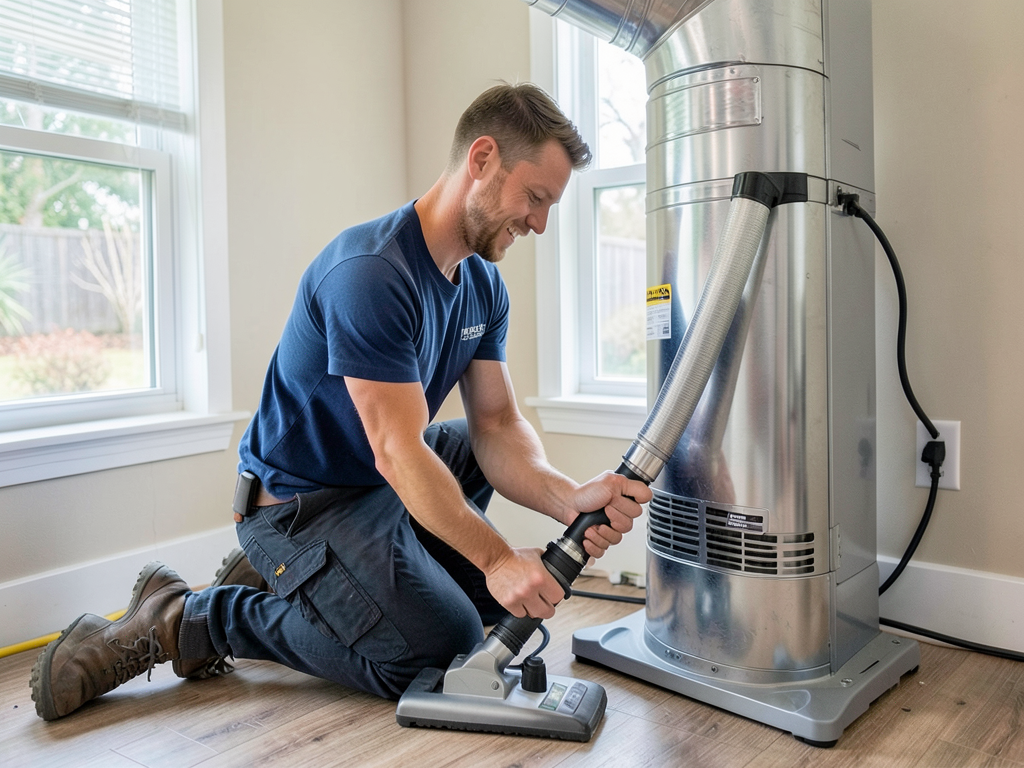
Eliminating Deep Set Pet Odors from Your Riverside Air Ducts for Good If you live…
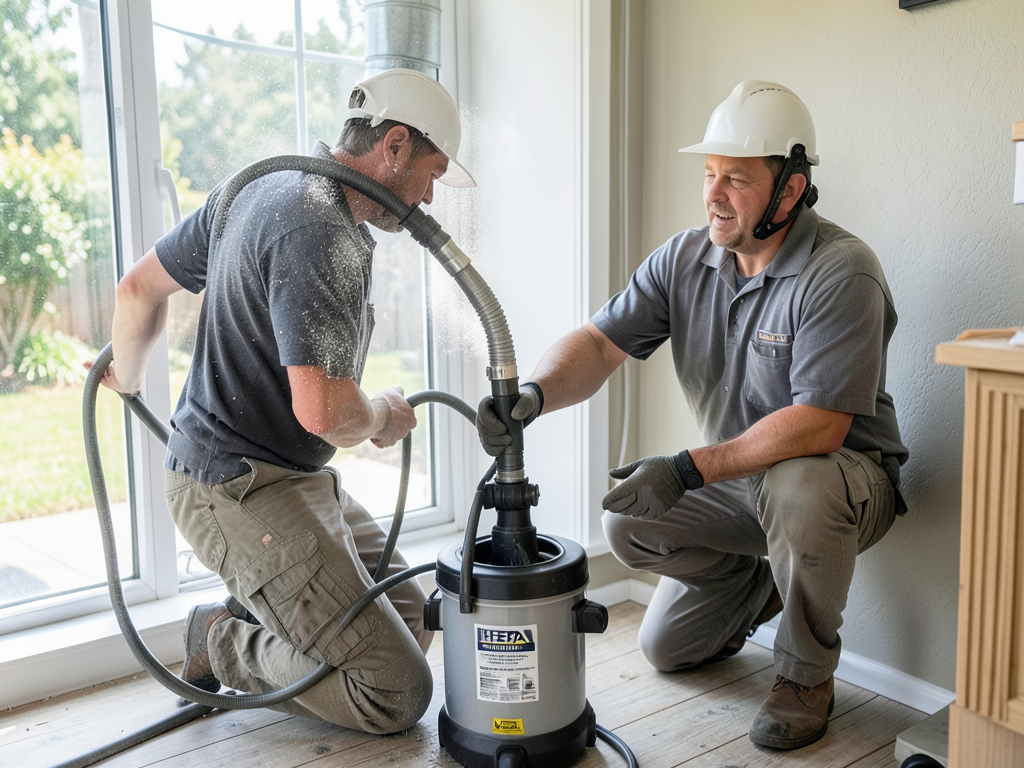
Eliminating Deep Set Pet Odors from Your Riverside Air Ducts for Good Living with pets…
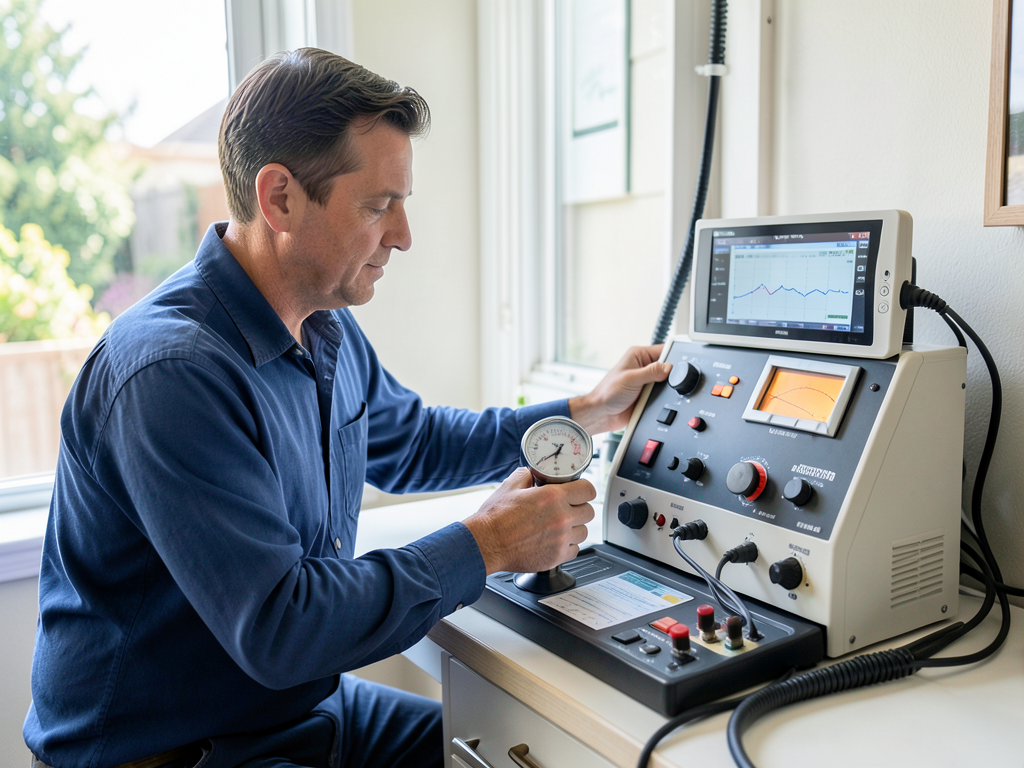
Why Your Riverside Range Hood and Bathroom Fans Affect Your AC Efficiency Your Riverside kitchen…
Your AC is broken and your family is suffering in the heat. Call Horizon HVAC Riverside right now at (951) 223-9644 for same-day emergency service. We answer 24/7, dispatch technicians fast, and fix it right the first time.