





Beaumont sits at the edge of the San Gorgonio Pass where temperatures swing 40 degrees between day and night. Summer heat pushes past 100 degrees for weeks straight. Winter nights drop below freezing. Your HVAC system runs harder here than almost anywhere in California.
The constant wind coming through the pass fills filters with dust and debris faster than coastal areas. Desert air dries out seals and gaskets. Temperature swings stress components. AC units run six months straight, then furnaces take over. There's no break, no mild season where your system rests.
Homes in Noble Creek and Oak Valley Greens face direct afternoon sun that superheats attics. Older homes near the original Beaumont downtown lack proper insulation. Newer developments in Sundance and The Legends have modern systems but desert landscaping means more dust infiltration. Every neighborhood faces different challenges, but all share the same brutal climate that wears down HVAC equipment faster than moderate zones. A well-maintained system in coastal California might last 20 years. In Beaumont, you're looking at 12 to 15 years before major components fail. Understanding this reality changes how we approach maintenance and repairs.
We built our reputation by showing up when we say we will and fixing problems right the first time. Most Beaumont homeowners have been burned by companies that promise same-day service but show up three days later, or by technicians who diagnose expensive replacements when a simple repair would work fine.
Horizon HVAC Riverside operates differently. When you call with an AC failure on a 105-degree afternoon, we understand you're not looking for a sales pitch. You need your home livable again. Our dispatch system prioritizes emergency calls, and our trucks carry the parts that fail most often in desert climates. We stock capacitors, contactors, and blower motors because those components burn out fast in Beaumont's heat.
Our technicians live and work in the Inland Empire. They know the difference between a system that's legitimately dying and one that needs a $200 repair. We've seen how some companies use fear tactics to sell replacements to people who can't afford them. That's not our business model. We give you honest assessments and real options. If your 18-year-old system finally gave up, we'll tell you. If your three-year-old system just needs a new capacitor, we'll fix it and send you on your way.
We don't disappear after the repair either. Our work comes with real guarantees. If something fails within the warranty period, we come back and make it right at no additional charge. We answer our phones. We return calls. We treat your home the way we'd want someone to treat ours. That approach has earned us steady business from Beaumont families who know they can call us when something breaks.

When your AC quits in triple-digit heat or your heater fails on a freezing night, you can't wait. We prioritize emergency calls and dispatch technicians within hours, not days. Our trucks stock common failure parts so we can complete most repairs in a single visit. We understand that comfort emergencies are real emergencies in Beaumont's extreme climate.

We tell you what's actually wrong, not what makes us the most money. Our technicians explain problems in plain language and give you real options with accurate costs. If a repair makes sense, we recommend it. If your system is genuinely at end of life, we explain why. You make the final decision with complete information.
Beaumont's high desert environment kills HVAC systems in ways coastal technicians don't understand. We know which components fail first under constant dust and temperature stress. We understand how wind infiltration affects system performance. Our maintenance plans address the specific challenges your equipment faces in this climate, extending system life and preventing breakdowns.
We serve the Inland Empire communities where we live. Our reputation depends on doing right by neighbors, not disappearing after collecting payment. When you call six months after a repair with a question, you reach the same team. We stand behind our work because we'll see you at the grocery store. That local accountability changes how we do business.
Horizon HVAC Riverside handles everything from emergency breakdowns to planned system replacements. We service all major brands of central air systems, heat pumps, and furnaces. Our technicians diagnose problems accurately because they understand how desert conditions affect different system types.
We split our services into three main categories based on what you actually need. Emergency repairs get you working again fast when something breaks. Maintenance services prevent those breakdowns and extend equipment life. System replacements help you choose and install the right equipment when repair no longer makes financial sense. Each category requires different expertise and different approaches. A good emergency technician thinks fast and stocks the right parts. A good installation crew plans carefully and executes precisely. We've built teams that excel at each type of work because your needs change depending on whether your system is broken, aging, or simply needs attention.
Your air conditioner quit cooling. Your furnace won't ignite. Your home is becoming unlivable and you need help now. We dispatch technicians quickly, diagnose the failure, and fix it if parts are available. Most emergency repairs involve failed capacitors, burned contactors, tripped safeties, or clogged condensate drains. Our trucks carry these common failure parts. We get your system running again the same day whenever possible because we understand that waiting until tomorrow isn't realistic in Beaumont's climate extremes.
Regular maintenance catches small problems before they become expensive failures. We clean coils that dust and debris have clogged. We check refrigerant levels and electrical connections. We test capacitors showing early signs of weakness. We replace filters and lubricate motors. Desert conditions accelerate wear, so annual service matters more here than in mild climates. A maintained system runs more efficiently, costs less to operate, and lasts years longer. Most breakdowns we respond to could have been prevented with basic service.
Eventually every system reaches the point where continued repairs waste money. When your 15-year-old AC needs its third compressor or your furnace heat exchanger cracks, replacement becomes the smart choice. We help you select appropriately sized equipment for your home and climate. We calculate proper tonnage based on actual heat load, not guesses. We install systems correctly with proper refrigerant charge, sealed ductwork, and calibrated controls. Poor installation kills even premium equipment, so we take the time to do it right.
Beaumont's combination of extreme heat, cold nights, constant wind, and blowing dust creates specific HVAC challenges. The same climate that makes this area beautiful also stresses mechanical systems beyond what manufacturers test for. Systems rated for 15-year lifespans in moderate climates often fail at 10 years here.
Understanding these common problems helps you recognize warning signs before minor issues become major failures. Strange noises, weak airflow, frequent cycling, and rising electric bills all signal developing problems. The sooner you address them, the less they cost to fix. Most Beaumont homes experience these four issues repeatedly because the climate and environment make them nearly inevitable. Regular maintenance reduces their frequency but can't eliminate them entirely. The key is catching them early.
Wind through the San Gorgonio Pass carries constant dust. It infiltrates homes and coats everything, including HVAC components. Dirty coils can't transfer heat efficiently. Clogged filters restrict airflow and make systems work harder. Dust buildup inside ductwork circulates through your home. We clean components thoroughly and recommend filter schedules based on local conditions, not manufacturer guidelines written for average environments.
Capacitors help motors start and run efficiently. High temperatures degrade them faster than any other factor. Attic temperatures in Beaumont reach 140 degrees in summer. Equipment installed in attics or on hot roofs experiences extreme heat stress. Failed capacitors cause motors to struggle, draw excess current, and eventually burn out. We test capacitors during maintenance visits because replacement costs $200 while motor replacement costs $800.
Constant wind causes systems to vibrate. Copper refrigerant lines develop stress cracks over time where they connect to components. Small leaks slowly reduce system charge. Low refrigerant makes your AC run constantly without cooling properly. Your electric bill climbs while your comfort drops. We locate leaks, repair them properly, and recharge systems to manufacturer specifications. Simply adding refrigerant without fixing leaks wastes money and damages the environment.
Temperature swings confuse older thermostats. They lose calibration and read incorrectly. Your home feels warm even though the thermostat shows 72 degrees. Or your system runs constantly trying to hit an impossible setpoint. Sometimes the problem is thermostat placement. If it's located where afternoon sun hits it or near a heat source, it can't sense accurate temperatures. We test, recalibrate, or relocate thermostats to restore proper system control and efficiency.
We answer our phones during business hours and return after-hours messages promptly. When you call about a broken system, we gather basic information to help our technician arrive prepared. What brand and type of system do you have? When did it stop working? What symptoms are you experiencing? This information helps us bring the right parts and tools.
We give you a realistic arrival window and call when we're on the way. Our technicians arrive in marked vehicles with visible identification. They protect your floors with shoe covers and respect your home. They explain what they're doing and why. After diagnosis, they present clear options with upfront pricing. You decide whether to proceed. If you approve the repair, they complete it and test system operation before leaving. You receive documentation of work performed and parts installed. We follow up within a few days to confirm everything is working properly. This process ensures you're never surprised by hidden fees or unexpected problems.
When you call with a problem, you speak with someone who understands HVAC systems and asks relevant questions. We don't use scripted responses or transfer you repeatedly. We determine problem urgency, schedule appropriately, and give you a realistic time window. If we're running late, we call to update you. We treat your time as valuable as our own. You'll know our technician's name, when to expect arrival, and what to have ready for diagnosis.
After diagnosis, we explain the problem in plain language without technical jargon. We tell you what failed, why it failed, and what's required to fix it. We provide written pricing for recommended repairs before starting work. No surprise charges appear on your invoice. If we discover additional problems during repair, we stop and get your approval before proceeding. You always know what you're paying for and why. This transparency eliminates the anxiety most people feel when dealing with emergency repairs.
We guarantee our repairs and stand behind our work. If something fails within the warranty period, we return and fix it at no charge. We don't make excuses or blame other components. Our technicians take responsibility for their work because their reputation depends on it. We also follow up after major repairs to confirm everything is working properly. If you have questions weeks or months later, you can call and speak with someone who knows your system history. That ongoing support matters when problems develop.
We keep the process simple because you're already dealing with a broken system and don't need additional stress. Our approach focuses on fast diagnosis, clear options, and quality repairs that last.
Our technician arrives with diagnostic tools and begins systematic testing. We check power supply, thermostat signals, safety switches, and component operation. We measure voltages, test capacitors, check refrigerant pressures, and inspect for obvious damage. Most HVAC failures involve a limited number of common problems. Experienced technicians identify them quickly. We explain what failed and show you the problem when possible. You understand what broke and why before we discuss repair options.
Once you approve the repair, we complete it efficiently using quality parts designed for your system. We don't cut corners or use cheap components that fail quickly. We follow manufacturer specifications for installation and testing. After replacement, we verify proper operation under load. We check that temperatures, pressures, and voltages match specifications. We test safety switches and controls. Only after confirming everything works correctly do we consider the job complete.
Before leaving, we run your system through complete cycles to confirm the repair solved the problem. We document all work performed, parts installed, and system readings on your invoice. We explain any maintenance needs we observed and answer your questions. We clean up our work area and dispose of old parts properly. You receive written warranty information and our contact details. We follow up within a few days to confirm your system is still operating properly.
HVAC efficiency ratings like SEER and AFUE matter more in Beaumont than moderate climates because your system runs harder and longer. A 14 SEER air conditioner costs significantly less to operate than a 10 SEER unit when it's running six months straight in temperatures exceeding 100 degrees. The efficiency difference translates directly to your electric bill.
Proper sizing matters even more than efficiency ratings. An oversized AC unit short-cycles, failing to dehumidify properly and wearing out faster. An undersized unit runs constantly without maintaining comfortable temperatures. Load calculations must account for Beaumont's afternoon sun exposure, typical insulation levels, and duct system efficiency. Rules of thumb like 400 square feet per ton don't work here because they ignore critical variables.
Ductwork condition affects system performance dramatically. Leaky ducts waste 20 to 40 percent of conditioned air in typical homes. Air heated or cooled at significant cost escapes into attics and crawlspaces before reaching living areas. Sealed ducts improve comfort and efficiency more than most equipment upgrades. We test duct leakage on larger projects and seal obvious gaps on every service call.
Refrigerant charge accuracy is critical for efficiency and system longevity. Low charge makes compressors work harder and can cause permanent damage. Overcharge floods coils and prevents proper heat exchange. We charge systems by weight and verify with temperature measurements, not just pressure readings. Many technicians skip this step, but it's the difference between a system that works and one that works well. California's Title 24 energy code requires specific installation and testing protocols. We follow them not because inspectors check but because they represent best practices developed through decades of research into what actually works.
Properly sized equipment matches your home's actual cooling and heating requirements. We perform Manual J load calculations that account for square footage, insulation levels, window area and orientation, occupancy, and local climate data. Beaumont's temperature extremes require careful analysis. Oversized systems waste energy and money while providing poor comfort. Undersized systems can't maintain temperatures during peak conditions. Accurate sizing is fundamental to system performance and longevity.
System replacement costs vary based on equipment efficiency, required modifications to existing infrastructure, and installation complexity. Higher efficiency units cost more upfront but save money over their lifespan. Required duct modifications, electrical upgrades, or structural access issues increase project scope. We evaluate your specific situation and provide detailed proposals showing equipment options with projected operating costs. This information helps you make decisions based on total cost of ownership, not just initial price.
Well-maintained HVAC systems in Beaumont typically last 12 to 15 years compared to 15 to 20 years in moderate climates. Constant operation and temperature stress accelerate component wear. Regular maintenance extends life by preventing minor problems from damaging major components. Neglected systems often fail at 8 to 10 years. Factor replacement timing into home maintenance budgets because climate will eventually win the war against mechanical equipment regardless of quality or maintenance.
System replacements and major modifications require permits from Riverside County. California Title 24 energy code mandates specific efficiency levels, duct testing, and installation protocols. Permit processes protect homeowners by ensuring work meets safety and efficiency standards. We handle permit applications and inspections as part of installation projects. Unpermitted work can affect home sales and insurance coverage. Code compliance isn't bureaucratic hassle, it's verification that your system will perform safely and efficiently for years.
This video explains why HVAC systems fail faster in Beaumont, California's high desert climate and provides solutions for common problems. Topics include heat stress component failure, dust infiltration effects, proper system sizing for extreme temperatures, maintenance requirements for desert conditions, and realistic equipment lifespan expectations. Viewers learn about capacitor failure, refrigerant leaks, thermostat calibration issues, and duct sealing importance. The video covers emergency repair services, preventive maintenance programs, and system replacement guidance for Beaumont area homes experiencing AC and heating problems.
Horizon HVAC Riverside serves all of Beaumont from the historic downtown core to the newest master-planned communities spreading across former ranch land. The original Beaumont neighborhoods near Beaumont Avenue feature older homes built before modern energy codes. These homes often need duct sealing and insulation upgrades alongside HVAC repairs. Systems work harder when the building envelope leaks air.
The Sundance master-planned community and adjacent developments like Three Rings Ranch and The Legends feature newer construction with modern systems. These homes need preventive maintenance more than major repairs during their first decade. Keeping new systems clean and properly maintained ensures they reach expected lifespans. Many homeowners in these areas are first-time buyers who've never dealt with HVAC maintenance. We help them understand what their systems need and why.
Noble Creek and Oak Valley neighborhoods sit on the north side where elevation changes slightly and wind patterns differ. Homes here face different sun exposure angles that affect cooling loads. South-facing homes cook in afternoon sun. We adjust maintenance and recommendations based on actual conditions your specific home faces, not generic advice.
The area along Cherry Valley Boulevard toward the county line includes ranch properties with larger homes and detached casitas. These properties often have multiple HVAC systems serving different structures. Coordination between systems and zones requires understanding how the property functions. We've serviced everything from 1,200 square foot tract homes to 4,000 square foot custom builds on acreage.
We also serve homes in Banning just west of Beaumont and properties in Cherry Valley to the north. The San Gorgonio Pass wind affects all these communities similarly. Equipment faces the same dust infiltration and temperature stress. Our experience throughout the region means we understand local conditions and common problems regardless of which side of Highland Springs Avenue you live on. Distance from the freeway, exposure to prevailing winds, and age of development all influence what your system faces. We've seen it all and know how to address the specific challenges your location presents.
The $5000 rule helps you decide between repair or replacement. If your system is over 10 years old, multiply its age by the repair cost. If the result exceeds $5000, replace the unit. For example, a 12-year-old system needing a $500 repair equals $6000, so replacement makes sense. In Beaumont's high desert climate, where AC units work overtime against 100-plus degree summers, older systems lose efficiency fast. This rule accounts for future repair likelihood and rising energy bills. It's a guideline, not gospel, but it prevents throwing good money after bad.
A complete HVAC system in Beaumont typically ranges from budget-friendly to premium depending on size, efficiency rating, and equipment brand. Most residential systems fall in the mid-range. Factors affecting cost include SEER rating (higher SEER means better efficiency in our hot climate), ductwork condition, and installation complexity. Single-story homes cost less to install than two-story designs. Beaumont's extreme summer heat makes higher-efficiency units worth the upfront investment. You'll recoup costs through lower electric bills. Get multiple quotes and ask about seasonal rebates from Southern California Edison.
A standard service call in Beaumont runs between reasonable and moderate pricing, covering the technician's trip, diagnostics, and the first hour of labor. This fee typically applies toward repair costs if you approve the work. Emergency after-hours calls cost more due to premium labor rates. The diagnostic process identifies issues like refrigerant leaks, failed capacitors, or airflow restrictions. Beaumont's dusty conditions and temperature extremes accelerate wear on components. Beware of abnormally low service call fees. Some companies use them as loss leaders, then inflate repair quotes to compensate.
The $5000 rule helps you decide between repair or replacement. If your system is over 10 years old, multiply its age by the repair cost. If the result exceeds $5000, replace the unit. For example, a 12-year-old system needing a $500 repair equals $6000, so replacement makes sense. In Beaumont's high desert climate, where AC units work overtime against 100-plus degree summers, older systems lose efficiency fast. This rule accounts for future repair likelihood and rising energy bills. It's a guideline, not gospel, but it prevents throwing good money after bad.
A complete HVAC system in Beaumont typically ranges from budget-friendly to premium depending on size, efficiency rating, and equipment brand. Most residential systems fall in the mid-range. Factors affecting cost include SEER rating (higher SEER means better efficiency in our hot climate), ductwork condition, and installation complexity. Single-story homes cost less to install than two-story designs. Beaumont's extreme summer heat makes higher-efficiency units worth the upfront investment. You'll recoup costs through lower electric bills. Get multiple quotes and ask about seasonal rebates from Southern California Edison.
A standard service call in Beaumont runs between reasonable and moderate pricing, covering the technician's trip, diagnostics, and the first hour of labor. This fee typically applies toward repair costs if you approve the work. Emergency after-hours calls cost more due to premium labor rates. The diagnostic process identifies issues like refrigerant leaks, failed capacitors, or airflow restrictions. Beaumont's dusty conditions and temperature extremes accelerate wear on components. Beware of abnormally low service call fees. Some companies use them as loss leaders, then inflate repair quotes to compensate.
A 3000 square foot home in Beaumont typically needs a 3.5 to 5-ton AC unit, depending on insulation quality, ceiling height, window count, and sun exposure. Beaumont's desert location and full sun exposure increase cooling load. Homes with poor attic insulation or west-facing walls need larger capacity. Two-story layouts may require zoned systems for balanced comfort. A proper Manual J load calculation accounts for local climate data, not just square footage. Oversizing wastes energy and causes humidity issues. Undersizing leaves you sweating through July and August.
For 4000 square feet in Beaumont, expect to invest significantly more than smaller homes due to equipment size and installation complexity. You'll likely need a 5-ton or dual-zone system with two smaller units for balanced temperature control. Multi-story homes cost more due to longer refrigerant line runs and additional ductwork. Beaumont's extreme heat demands high-efficiency equipment to keep utility bills manageable. Installation factors include existing duct condition, electrical panel capacity, and accessibility. Two smaller units often outperform one oversized system in large homes. Request detailed load calculations before accepting quotes.
The 3-minute rule protects your compressor from damage. After your AC shuts off, wait at least three minutes before restarting it. This allows refrigerant pressure to equalize throughout the system. Starting too soon forces the compressor to work against high pressure, straining the motor and potentially tripping the breaker. Most modern thermostats have built-in delay timers. In Beaumont's heat, you might be tempted to fiddle with the thermostat when it's not cooling fast enough. Don't. The delay protects your equipment and extends compressor life.
AC units in Beaumont typically last 12 to 15 years, while furnaces reach 15 to 20 years. Our extreme summer heat and near-constant AC use shortens lifespan compared to milder climates. High desert dust clogs filters and coils faster, forcing systems to work harder. Regular maintenance extends life significantly. Replace filters monthly during cooling season. Annual tune-ups catch small problems before they cascade into failures. Signs your system is dying include frequent repairs, rising energy bills, and uneven cooling. Plan replacement before catastrophic failure, especially before summer hits.
No single brand dominates because the right choice depends on your budget, home size, and efficiency needs. Tier-one brands offer superior warranties and efficiency but cost more upfront. Mid-tier brands provide solid performance at better value. In Beaumont's punishing heat, focus on SEER rating and compressor quality over brand loyalty. A well-installed mid-tier system outperforms a poorly installed premium unit. Local parts availability matters too. Your installer's expertise and ongoing service capability matter more than the nameplate. Ask which brands your contractor services most and stocks parts for.
A 2000 square foot home in Beaumont typically needs a 2.5 to 3.5-ton AC unit. Exact sizing depends on insulation, window efficiency, ceiling height, and sun exposure. Beaumont's desert heat and intense sun increase cooling requirements compared to coastal areas. Homes with older single-pane windows or minimal attic insulation need larger capacity. Proper sizing requires a Manual J load calculation, not guesswork based on square footage alone. Oversized units short-cycle, wasting energy and failing to dehumidify properly. Undersized units run constantly and never reach comfortable temperatures during peak summer heat.
Common AC problems in Beaumont include refrigerant leaks, failed capacitors, dirty coils, and clogged drain lines. Desert dust clogs filters and reduces airflow, causing frozen evaporator coils. Extreme heat stresses compressors and ages capacitors faster. Thermostat malfunctions create comfort complaints. Low refrigerant reduces cooling capacity and damages compressors if ignored. Electrical issues like tripped breakers often stem from failing contactors or weak capacitors. Ductwork leaks waste cooled air in attics. Many problems start small but cascade into expensive failures. Regular maintenance catches these issues early, preventing emergency breakdowns during 110-degree heat waves.
A 3000 square foot home in Beaumont typically needs a 3.5 to 5-ton AC unit, depending on insulation quality, ceiling height, window count, and sun exposure. Beaumont's desert location and full sun exposure increase cooling load. Homes with poor attic insulation or west-facing walls need larger capacity. Two-story layouts may require zoned systems for balanced comfort. A proper Manual J load calculation accounts for local climate data, not just square footage. Oversizing wastes energy and causes humidity issues. Undersizing leaves you sweating through July and August.
For 4000 square feet in Beaumont, expect to invest significantly more than smaller homes due to equipment size and installation complexity. You'll likely need a 5-ton or dual-zone system with two smaller units for balanced temperature control. Multi-story homes cost more due to longer refrigerant line runs and additional ductwork. Beaumont's extreme heat demands high-efficiency equipment to keep utility bills manageable. Installation factors include existing duct condition, electrical panel capacity, and accessibility. Two smaller units often outperform one oversized system in large homes. Request detailed load calculations before accepting quotes.
The 3-minute rule protects your compressor from damage. After your AC shuts off, wait at least three minutes before restarting it. This allows refrigerant pressure to equalize throughout the system. Starting too soon forces the compressor to work against high pressure, straining the motor and potentially tripping the breaker. Most modern thermostats have built-in delay timers. In Beaumont's heat, you might be tempted to fiddle with the thermostat when it's not cooling fast enough. Don't. The delay protects your equipment and extends compressor life.
AC units in Beaumont typically last 12 to 15 years, while furnaces reach 15 to 20 years. Our extreme summer heat and near-constant AC use shortens lifespan compared to milder climates. High desert dust clogs filters and coils faster, forcing systems to work harder. Regular maintenance extends life significantly. Replace filters monthly during cooling season. Annual tune-ups catch small problems before they cascade into failures. Signs your system is dying include frequent repairs, rising energy bills, and uneven cooling. Plan replacement before catastrophic failure, especially before summer hits.
No single brand dominates because the right choice depends on your budget, home size, and efficiency needs. Tier-one brands offer superior warranties and efficiency but cost more upfront. Mid-tier brands provide solid performance at better value. In Beaumont's punishing heat, focus on SEER rating and compressor quality over brand loyalty. A well-installed mid-tier system outperforms a poorly installed premium unit. Local parts availability matters too. Your installer's expertise and ongoing service capability matter more than the nameplate. Ask which brands your contractor services most and stocks parts for.
A 2000 square foot home in Beaumont typically needs a 2.5 to 3.5-ton AC unit. Exact sizing depends on insulation, window efficiency, ceiling height, and sun exposure. Beaumont's desert heat and intense sun increase cooling requirements compared to coastal areas. Homes with older single-pane windows or minimal attic insulation need larger capacity. Proper sizing requires a Manual J load calculation, not guesswork based on square footage alone. Oversized units short-cycle, wasting energy and failing to dehumidify properly. Undersized units run constantly and never reach comfortable temperatures during peak summer heat.
Common AC problems in Beaumont include refrigerant leaks, failed capacitors, dirty coils, and clogged drain lines. Desert dust clogs filters and reduces airflow, causing frozen evaporator coils. Extreme heat stresses compressors and ages capacitors faster. Thermostat malfunctions create comfort complaints. Low refrigerant reduces cooling capacity and damages compressors if ignored. Electrical issues like tripped breakers often stem from failing contactors or weak capacitors. Ductwork leaks waste cooled air in attics. Many problems start small but cascade into expensive failures. Regular maintenance catches these issues early, preventing emergency breakdowns during 110-degree heat waves.
We invite you to explore our service area and see where Horizon HVAC proudly delivers exceptional heating and cooling solutions. While our physical location serves as our hub, our dedicated team extends its expert services across the entire region, bringing unparalleled comfort and air quality directly to your doorstep, whether for residential or commercial needs, ensuring we’re always within reach for your HVAC requirements.
Address:
Beaumont, CA, 92223

Understanding the 2026 Riverside Energy Standards for New Home Additions\nBuilding a home addition in Riverside in 2026 means navigating new energy efficiency requirements that will directly impact your HVAC system costs and specifications. The 2025…
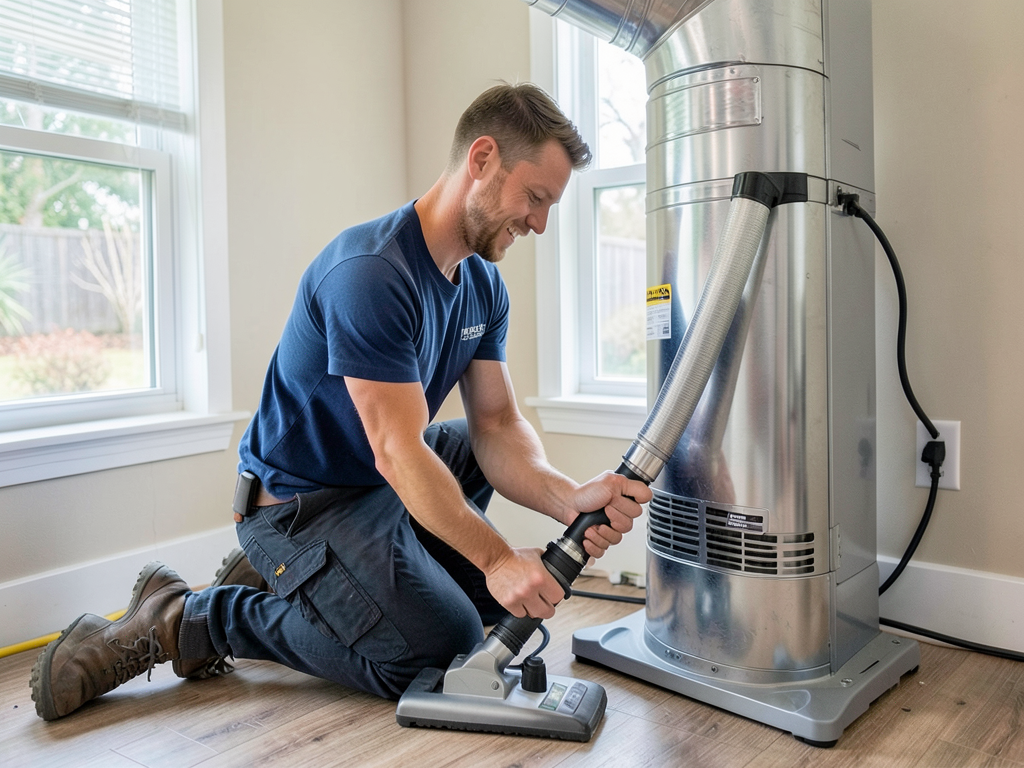
Eliminating Deep Set Pet Odors from Your Riverside Air Ducts for Good If you live…
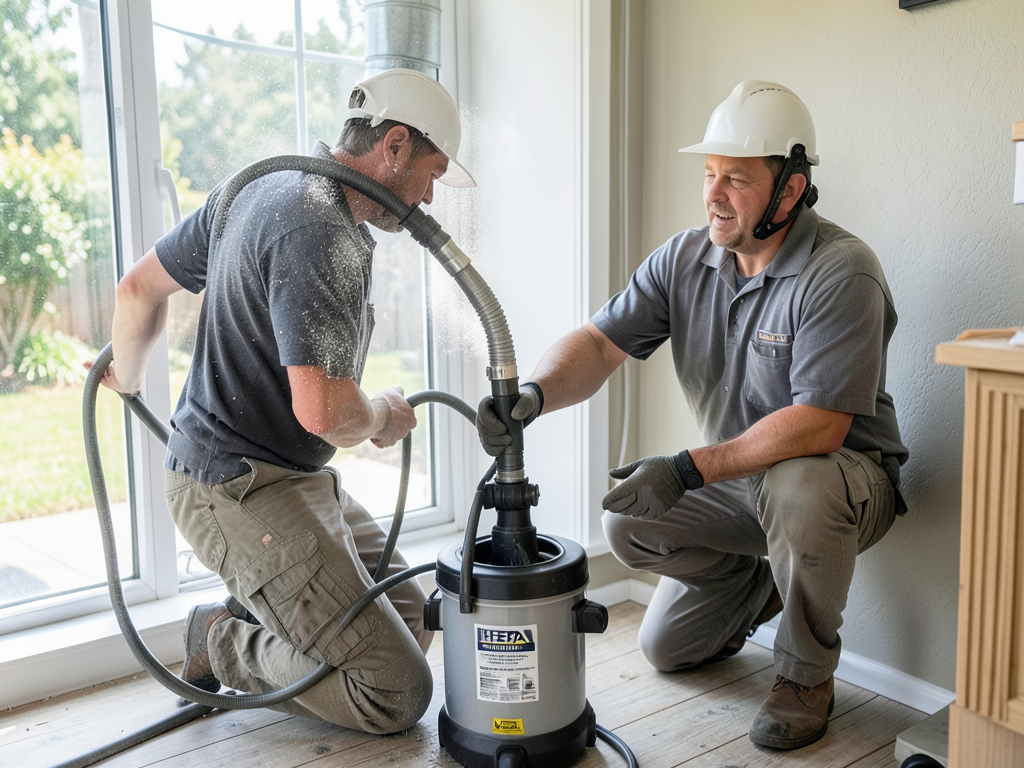
Eliminating Deep Set Pet Odors from Your Riverside Air Ducts for Good Living with pets…
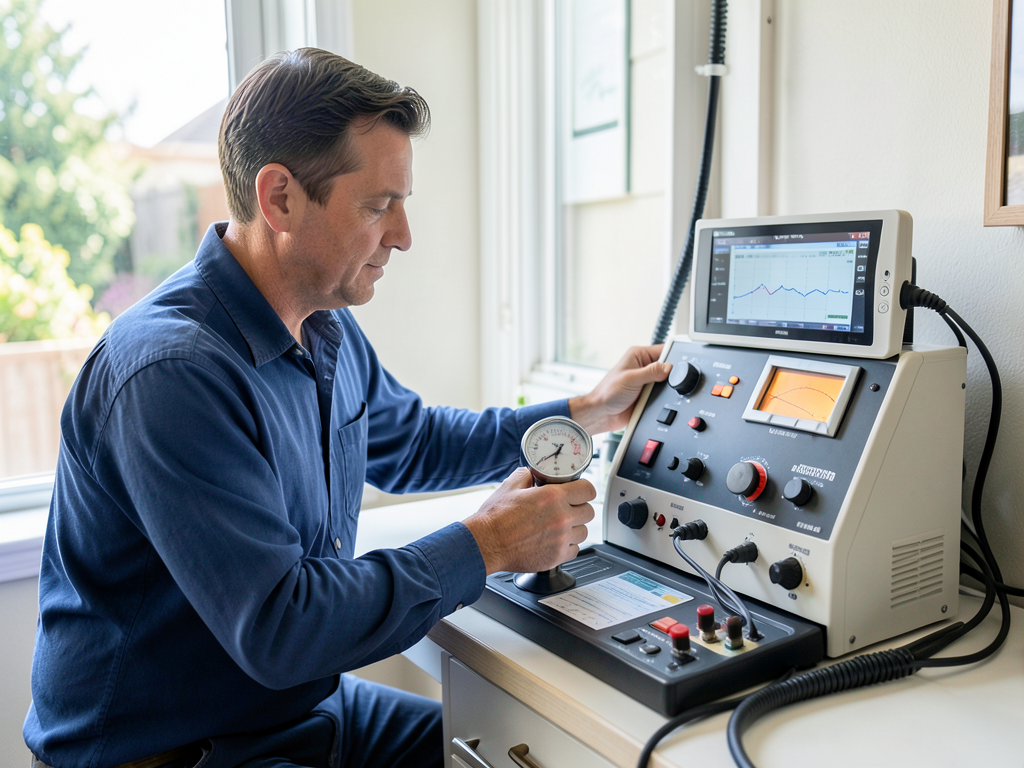
Why Your Riverside Range Hood and Bathroom Fans Affect Your AC Efficiency Your Riverside kitchen…
Your broken air conditioner or furnace won't fix itself. Call Horizon HVAC Riverside at (951) 223-9644 right now for same-day service. We'll diagnose the problem, give you honest options, and get your home comfortable again. Stop sweating or freezing and call now.