





Menu

Geothermal Heating & Cooling in Riverside | Slash Energy Bills with Ground Source Heat Pump Systems

Horizon HVAC Riverside installs high-efficiency geothermal HVAC systems designed for California's unique soil composition, delivering year-round comfort while cutting heating and cooling costs by up to 70 percent.

Slider Image 1
Slider Image 2
Slider Image 3
Slider Image 4
Slider Image 5
Slider Image 7
Slider Image 8
Slider Image 9
Slider Image 10
Slider Image 11

Why Riverside's Climate and Geography Make Geothermal Systems the Smart Choice

Riverside sits in the heart of Southern California's Inland Empire, where summer temperatures regularly exceed 100 degrees and winter nights can drop into the low 40s. Your conventional HVAC system works overtime fighting these extremes, burning through electricity and driving up utility bills.

The geology beneath Riverside offers a solution most homeowners and business owners overlook. Just six feet below the surface, the ground maintains a stable temperature between 50 and 60 degrees year-round, regardless of what the thermometer reads above ground. Geothermal heat pumps tap into this constant temperature reservoir, using the earth itself as a heat source in winter and a heat sink in summer.

The alluvial soil composition common throughout Riverside provides excellent thermal conductivity for ground-coupled heat pumps. This matters because efficient heat transfer between your geoexchange system and the surrounding earth directly impacts system performance and energy savings. Areas near the Santa Ana River corridor and neighborhoods with higher water tables see particularly strong results from ground source heat pumps.

Traditional air conditioning systems fight against 110-degree air to cool your building. A geothermal HVAC system starts with 55-degree earth temperature. The physics work in your favor. You move less heat across a smaller temperature difference, consuming less energy. The same principle applies in winter when heating your space. These systems do not generate heat or cooling. They move existing thermal energy, making them three to five times more efficient than conventional forced-air systems.

Why Riverside's Climate and Geography Make Geothermal Systems the Smart Choice
How Ground Source Heat Pumps Work in Riverside's Soil Conditions

How Ground Source Heat Pumps Work in Riverside's Soil Conditions

A geothermal HVAC system consists of three primary components: the ground loop field, the heat pump unit, and the distribution system. The ground loop field contains high-density polyethylene piping buried in your property. A water-based solution circulates through these pipes, exchanging thermal energy with the surrounding earth.

We design the loop configuration based on your property's available land, soil type, and heating and cooling load calculations. Horizontal loops work well for properties with adequate yard space, typically requiring 400 to 600 feet of piping per ton of capacity. We trench between four and six feet deep, laying pipes in a slinky or straight configuration. Vertical loops suit smaller lots or areas with space constraints. We drill boreholes 150 to 400 feet deep, inserting U-bend piping that maximizes ground contact in a minimal footprint.

The heat pump unit sits inside your building, connected to the ground loop and your ductwork. In cooling mode, the refrigerant absorbs heat from your indoor air and transfers it to the water solution circulating through the ground loop. That warmed solution travels underground, where the cooler earth absorbs the excess heat. In heating mode, the process reverses. The ground loop solution absorbs heat from the earth and carries it to the heat pump, which concentrates and delivers it to your building.

The distribution system uses your existing ductwork in most retrofits. For new construction or major renovations, we can integrate radiant floor heating, which pairs exceptionally well with geothermal systems. The lower temperature water required for radiant systems matches perfectly with the heat pump's output characteristics, maximizing efficiency.

Riverside's soil moisture content affects thermal conductivity. During site assessment, we test soil composition and conduct thermal conductivity analysis. Clay soils common in parts of Riverside conduct heat better than sandy soils. This data determines proper loop sizing to ensure your system performs optimally for decades.

What Happens During Your Geothermal System Installation

Geothermal Heating & Cooling in Riverside | Slash Energy Bills with Ground Source Heat Pump Systems
01

Site Assessment and Load Calculation

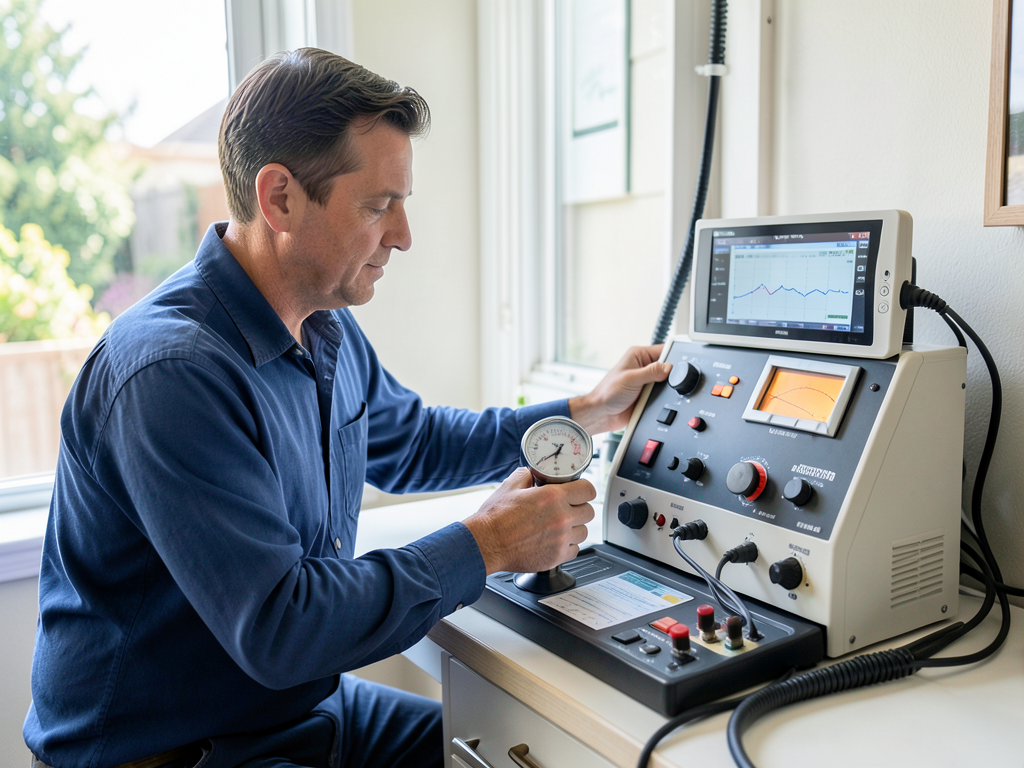
We start by analyzing your property's geology, available land, and building's thermal characteristics. Our team performs Manual J load calculations to size the system correctly, then conducts soil boring tests to measure thermal conductivity. We evaluate your existing ductwork, electrical service capacity, and current HVAC equipment. This data determines whether horizontal or vertical loops suit your site and calculates the precise loop field dimensions needed to meet your heating and cooling demands efficiently.
02

Loop Field Installation

The loop field installation represents the most intensive phase. For horizontal systems, we excavate trenches using tracked equipment, carefully preserving your landscaping where possible. For vertical systems, we bring in specialized drilling rigs to bore the required depth. We pressure test all piping connections before backfilling, then flush and charge the system with heat transfer fluid. The loop field connects to the heat pump location through insulated underground supply and return lines, creating a closed-loop circuit.
03

System Commissioning and Optimization

After installing the indoor heat pump unit and connecting all electrical and loop field components, we commission the complete system. This includes verifying refrigerant charge, measuring airflow across the coil, programming the thermostat for optimal comfort settings, and running the system through multiple heating and cooling cycles. We document baseline performance metrics including entering and leaving water temperatures, which serve as reference points for future maintenance visits and ensure your system operates at peak efficiency from day one.

Why Riverside Property Owners Choose Horizon HVAC for Geothermal Systems

Installing a geothermal HVAC system requires expertise that extends beyond conventional heating and cooling knowledge. You need a contractor who understands subsurface thermal dynamics, loop field hydraulics, and ground-coupled heat exchanger design. The difference between an adequately sized system and an optimally designed system shows up in your utility bills every month for the next 25 years.

Horizon HVAC Riverside brings specialized training in geoexchange technology to every project. We account for Riverside's specific climate data, including cooling degree days that exceed 2,000 annually and the temperature swings between day and night that characterize Inland Empire weather patterns. This local climate knowledge directly impacts how we size your system and design your loop field.

We work within Riverside's building permit requirements and coordinate with utility companies regarding available rebates and interconnection requirements. The California Energy Commission offers incentives for high-efficiency geothermal installations, and we handle the documentation to ensure you receive every dollar you qualify for. These rebates can offset a significant portion of installation expenses.

Our installation crews have completed geothermal projects across Riverside's diverse property types. We have installed systems in the historic neighborhoods near Mission Inn, in newer developments along Alessandro Boulevard, and in commercial properties throughout the downtown business district. Each site presents unique challenges related to soil conditions, space constraints, or existing infrastructure. Experience with these varied conditions means fewer surprises and more accurate project timelines.

The equipment we install comes from manufacturers who specialize in geothermal technology, not companies that treat ground source heat pumps as a side product. We specify water-to-air and water-to-water heat pumps with scroll compressors, desuperheaters for supplemental water heating, and variable-speed blowers that optimize efficiency across all operating conditions. Component selection matters because your system will operate for 25 years or more.

What to Expect from Your Geothermal Installation Project

Project Timeline and Scheduling

A complete geothermal system installation typically requires seven to ten days for residential properties and longer for commercial projects. The loop field installation consumes the majority of this time. Weather rarely delays work since ground conditions in Riverside remain stable year-round. We schedule the most disruptive phases of trenching or drilling when it least impacts your schedule. The indoor equipment installation and startup generally complete within two days. We coordinate with your existing HVAC system to minimize any time without heating or cooling, though most installations happen during mild weather when backup heating or cooling needs are minimal.

Initial Assessment and System Design

The assessment phase takes two to three hours onsite, followed by several hours of engineering work. We measure your building envelope, assess insulation levels, evaluate solar heat gain through windows, and document your current energy usage patterns. For properties with existing cooling and heating systems, we review utility bills to understand seasonal load variations. The soil boring test helps determine thermal properties of your specific location. We create a custom system design with loop field layouts, equipment specifications, and projected energy savings. You receive a detailed proposal showing equipment models, installation scope, project timeline, and expected performance metrics before any work begins.

System Performance and Energy Savings

Your geothermal system will deliver consistent temperatures throughout your building without the hot and cold spots common with conventional systems. The variable-speed blower motors adjust airflow to match demand, reducing temperature swings and eliminating the blast of air associated with single-stage systems. Energy consumption drops dramatically compared to traditional air conditioning and gas furnace combinations. Most Riverside homeowners see 40 to 60 percent reductions in total heating and cooling costs. Commercial properties with significant simultaneous heating and cooling loads achieve even greater savings. The system operates quietly, with the only indoor noise coming from airflow through registers. Outside, there are no condensing units cycling on and off.

Maintenance Requirements and Longevity

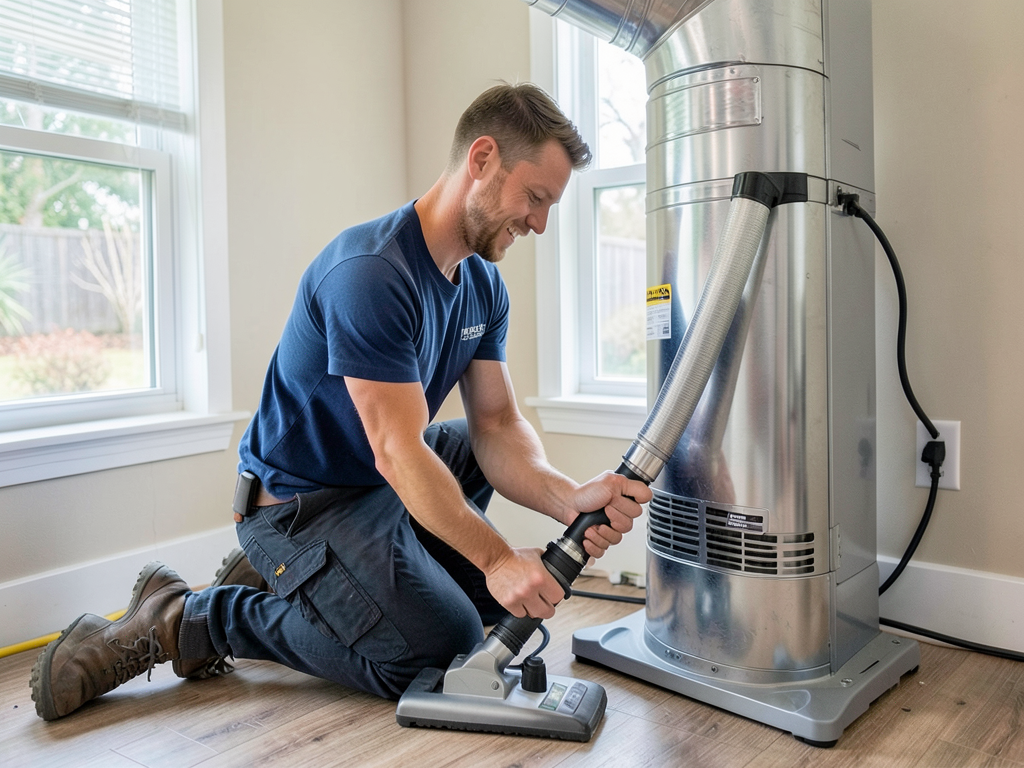
Geothermal systems require less maintenance than conventional HVAC equipment. The ground loop contains no mechanical components and will last 50 years or more without attention. The indoor heat pump unit needs annual filter changes and periodic inspection of the blower motor, refrigerant levels, and heat transfer fluid. We recommend annual maintenance visits where we measure system performance, verify proper water flow through the ground loop, and check electrical connections. The absence of outdoor equipment exposed to weather, sun, and debris means fewer service calls and longer component life. Heat pump units typically last 20 to 25 years, roughly twice the lifespan of conventional air conditioning equipment.

Frequently Asked Questions

You Have Questions,
We Have Answers

Is geothermal heating and cooling worth it? +

Yes, geothermal heating and cooling is worth it for most Riverside homeowners. You can slash energy bills by 30-60% compared to traditional HVAC systems. The upfront cost is higher, but the 30% federal tax credit offsets the investment. In Riverside's hot summers and mild winters, geothermal systems run more efficiently than air conditioners that struggle in 100-degree heat. You get consistent indoor comfort year-round. The system pays for itself in 5-10 years through lower utility bills. Property values increase too. For long-term homeowners in Riverside, the return on investment is solid.

What is the downside of geothermal heating? +

The main downside of geothermal heating is the high upfront installation cost. You will pay more initially than a standard air conditioner and furnace. Ground loop installation requires excavation or drilling, which disrupts your yard temporarily. In Riverside, soil conditions and lot size affect feasibility. Some properties lack adequate space for horizontal loops. You need a backup heating source if sizing is incorrect. The refrigerant lines can leak over time. Installation requires specialized contractors, and not every HVAC company in Riverside has geothermal expertise. Repairs cost more than conventional systems due to specialized parts and labor.

How much does it cost to put geothermal in a 2000 sq ft house? +

Installing geothermal in a 2000 square foot house in Riverside ranges from $20,000 to $40,000 before tax credits. The final cost depends on soil conditions, loop type, and system efficiency. Horizontal loops cost less but need more yard space. Vertical boreholes work for smaller lots but increase drilling expenses. Riverside's clay soil and groundwater depth affect installation complexity. You can reduce costs by 30% with the federal tax credit. Factor in ductwork modifications if needed. Get multiple quotes from qualified geothermal contractors familiar with Riverside building codes and local geology.

How does the 30% tax credit work for geothermal? +

The federal tax credit covers 30% of your total geothermal system cost, including equipment and installation. You claim it on IRS Form 5695 when filing taxes. If your system costs $30,000, you receive a $9,000 credit that directly reduces your tax liability. The credit applies to installations through 2032. You can carry forward unused credits if your tax liability is lower than the credit amount. In Riverside, this credit stacks with potential utility rebates from Southern California Edison. Keep all receipts and contractor invoices. The system must meet Energy Star requirements to qualify.

Why is my electric bill so high with geothermal? +

Your electric bill may be high with geothermal due to incorrect system sizing, thermostat misuse, or equipment malfunction. Oversized or undersized systems run inefficiently. In Riverside's summer heat, you might be setting the thermostat too low, forcing the system to work harder. Leaking ductwork wastes conditioned air. Dirty filters reduce airflow and efficiency. Your ground loop may have lost fluid or developed air pockets. Old electric water heaters or pool pumps also drive up bills. Have a qualified technician inspect your system, check refrigerant levels, and verify the loop circuit is functioning correctly.

What are the 10 disadvantages of geothermal? +

The ten disadvantages of geothermal include high upfront costs, yard disruption during installation, space requirements for ground loops, limited contractor availability, potential soil contamination from refrigerant leaks, expensive repairs, longer payback periods in mild climates, dependence on electricity prices, difficult retrofits in existing homes, and noise from indoor equipment. In Riverside, clay soil can complicate installation. Smaller urban lots may lack space for horizontal loops. Not all HVAC companies service geothermal systems. Heat pump compressors can fail prematurely if poorly maintained. You need adequate electrical service capacity. Ground loop leaks require excavation to repair.

What are three bad things about geothermal energy? +

Three major drawbacks of geothermal energy are high installation costs, site limitations, and environmental concerns. You pay significantly more upfront than conventional HVAC systems. Your property needs adequate space and suitable soil conditions for ground loops. In Riverside, properties with small lots or rocky soil face challenges. Refrigerant leaks can contaminate groundwater, though modern systems use safer fluids. Drilling vertical boreholes consumes water and energy. The manufacturing of heat pumps has a carbon footprint. Improper installation damages landscaping and irrigation systems. These issues are manageable with experienced contractors and proper planning.

What is the life expectancy of a geothermal system? +

Geothermal systems last 20-25 years for indoor components and 50-plus years for ground loops. The heat pump unit needs replacement after two decades, similar to conventional HVAC equipment. The buried piping remains functional for generations with proper installation. In Riverside, ground loop longevity depends on soil chemistry and water table conditions. Compressors typically fail first. Regular maintenance extends lifespan. You should flush the ground loop every few years and replace filters quarterly. The system outlasts traditional air conditioners and furnaces. Factor in eventual heat pump replacement when calculating long-term costs and savings.

Is geothermal worth it in 2025? +

Geothermal is worth it in 2025 for Riverside homeowners planning to stay long-term. The 30% federal tax credit remains available through 2032, reducing upfront costs. Electricity rates in Southern California continue rising, increasing your savings. New heat pump technology offers better efficiency ratings than older models. In Riverside's climate, geothermal handles extreme summer heat better than struggling air conditioners. You avoid natural gas price volatility. Property values reflect energy efficiency upgrades. Supply chain improvements have reduced equipment costs slightly. If you can afford the initial investment, the return improves each year.

How deep do you have to dig for a geothermal heat pump? +

Vertical ground loops in Riverside require drilling 150-400 feet deep, depending on soil conditions and system size. Each borehole is 4-6 inches in diameter. A 2000 square foot home needs 3-5 boreholes spaced 15-20 feet apart. Horizontal loops only go 4-6 feet deep but need 1500-3000 square feet of yard space. Riverside's geology and groundwater depth influence the final depth. Clay soil may require deeper drilling for adequate heat transfer. Pond loops need at least 8-10 feet of water depth. A qualified geothermal contractor conducts soil analysis to determine optimal depth and loop configuration.

How Riverside's Inland Empire Climate Maximizes Geothermal System Efficiency

The temperature extremes that define Riverside's climate create the perfect scenario for geothermal HVAC systems. When summer air temperatures hit 110 degrees, a conventional air conditioner must move heat from your 75-degree indoor space to 110-degree outdoor air, a 35-degree temperature difference. Your geothermal system moves that same heat to 55-degree earth, an 80-degree temperature difference. The larger the temperature gap, the less work required to move heat. This physics advantage compounds across the entire cooling season. The same principle applies during winter heating, though Riverside's mild winters mean cooling efficiency matters more. Properties in areas like Canyon Crest and Orangecrest with high cooling loads see the most dramatic energy savings.

Riverside's building community has grown increasingly aware of geothermal technology as California's energy codes push toward zero-net-energy requirements for new construction. The 2022 Title 24 standards favor high-efficiency systems, and geothermal installations help builders meet these benchmarks without relying entirely on solar panels. Local utility providers recognize geothermal systems as demand-reducing technology, important as summer peak loads strain grid capacity. Our relationships with Riverside's building department streamline the permitting process, and our track record with local inspectors means projects pass inspection without delays. We understand which AHJs require engineered loop field designs and which accept standard calculations, saving you time and engineering fees.
HVAC Services in The Riverside Area

We invite you to explore our service area and see where Horizon HVAC proudly delivers exceptional heating and cooling solutions. While our physical location serves as our hub, our dedicated team extends its expert services across the entire region, bringing unparalleled comfort and air quality directly to your doorstep, whether for residential or commercial needs, ensuring we’re always within reach for your HVAC requirements.

Address:
Horizon HVAC Riverside, 11801 Pierce St Suite 200, Riverside, CA, 92505

Additional Services We Offer

Our news updates

Latest Articles & News from The Blogs

A Guide for Riverside Tenants on Requesting HVAC Repairs and Maintenance Living in Riverside means dealing with extreme summer heat…

A Guide for Riverside Tenants on Requesting HVAC Repairs and Maintenance

A Guide for Riverside Tenants on Requesting HVAC Repairs and Maintenance Living in Riverside means dealing with extreme summer heat…

Propane vs Electric Heating for Rural Homes in the Outskirts of Woodcrest

Propane vs Electric Heating for Rural Homes in the Outskirts of Woodcrest Homeowners in the outskirts of Woodcrest face a…

Heating and Cooling Solutions for New Multi-Generational Suites in Sycamore Highlands

Heating and Cooling Solutions for New Multi-Generational Suites in Sycamore Highlands Building a multi-generational suite in Sycamore Highlands means creating…

Contact Us

Call Horizon HVAC Riverside at (951) 223-9644 for a free geothermal system assessment. We will evaluate your property, calculate your potential energy savings, and design a system that delivers decades of efficient comfort.