




Menu

Uneven Heating or Cooling in Riverside | Expert Diagnosis and Precision Airflow Solutions

Eliminate hot and cold spots with a complete system analysis that identifies ductwork leaks, airflow restrictions, and equipment sizing problems causing inconsistent room temperatures throughout your Riverside home.

Slider Image 1
Slider Image 2
Slider Image 3
Slider Image 4
Slider Image 5
Slider Image 7
Slider Image 8
Slider Image 9
Slider Image 10
Slider Image 11

Why Your Riverside Home Has Hot and Cold Spots

You close the bedroom door at night and wake up sweating. Your living room feels like an icebox while the hallway stays stuffy. One side of your house is comfortable, the other unbearable.

This home temperature imbalance affects thousands of Riverside residents, and the inland climate makes it worse. Summer temperatures push past 100 degrees, forcing your system to work harder. Winter nights drop into the 40s, exposing weak points in your ductwork and insulation. These temperature swings amplify inconsistent room temperatures that might go unnoticed in milder climates.

Older neighborhoods near downtown Riverside and the historic Arlington Heights area often have homes with undersized return air systems or added rooms that were never properly integrated into the original HVAC design. Split-level homes common throughout the area create natural thermal stratification, where hot air rises and cold air settles, creating different temperatures in each room.

Poor ductwork design causes most problems. Crimped flex duct in attics restricts airflow. Disconnected joints leak conditioned air into unconditioned spaces. Inadequate insulation around supply runs lets heat transfer before air reaches distant rooms. A single poorly designed duct run can create uneven airflow distribution that affects multiple rooms.

Undersized or oversized equipment causes cycling issues. A system that short-cycles never runs long enough to balance temperatures. Closed vents in unused rooms create pressure imbalances that push air where you don't want it. Dirty filters and coils reduce system capacity, leaving some areas underserved.

The result is uncomfortable living spaces and wasted energy as your system runs constantly trying to satisfy a thermostat that never reads the temperature in the problem rooms.

Why Your Riverside Home Has Hot and Cold Spots
How We Fix Uneven Heating and Cooling Problems

How We Fix Uneven Heating and Cooling Problems

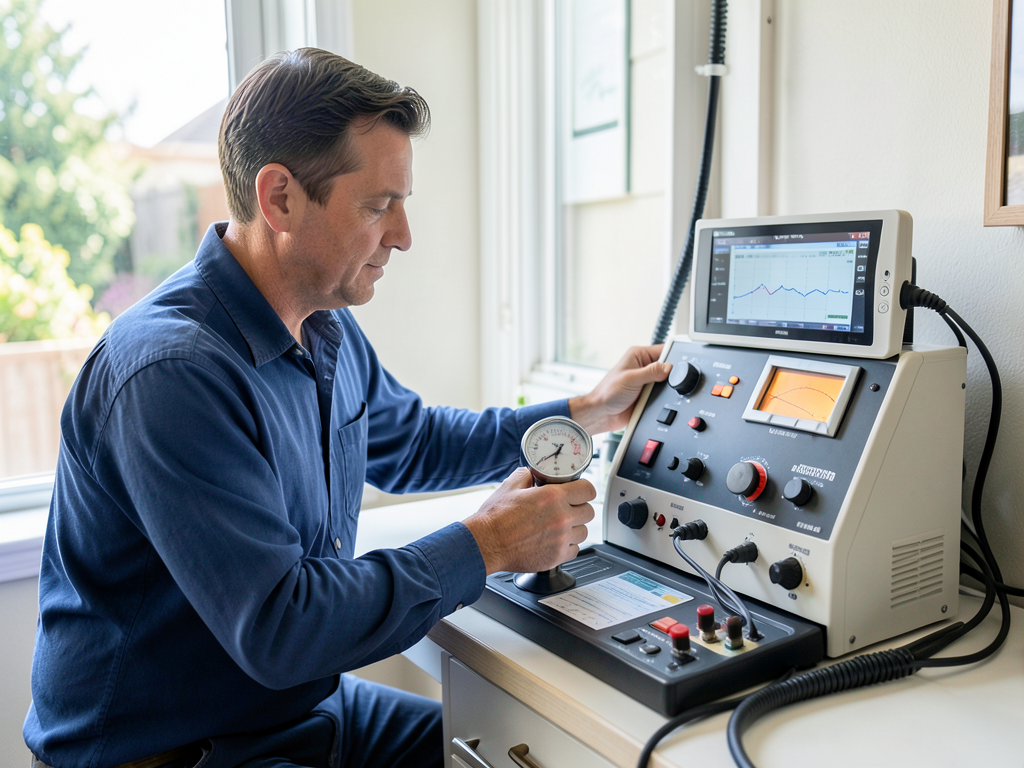
Horizon HVAC Riverside uses diagnostic tools that identify the actual cause instead of guessing at solutions. We measure static pressure across your system to determine if ductwork restrictions are choking airflow. We use thermal imaging cameras to find temperature differentials in walls and ceilings that indicate duct leaks or insulation gaps.

We perform room-by-room airflow measurements with a digital anemometer, comparing actual CFM delivery against the calculated load requirements for each space. This reveals undersized supply runs or improperly balanced dampers. We check return air pathways because inadequate return air is one of the most common causes of pressure imbalances and inconsistent temperatures.

Manual J load calculations tell us if your equipment is properly sized for your home. Many Riverside homes have had additions, window replacements, or insulation upgrades that changed the heating and cooling load, making the original equipment inappropriate. We verify refrigerant charge because low charge reduces capacity and causes the evaporator coil to freeze, reducing airflow to the entire system.

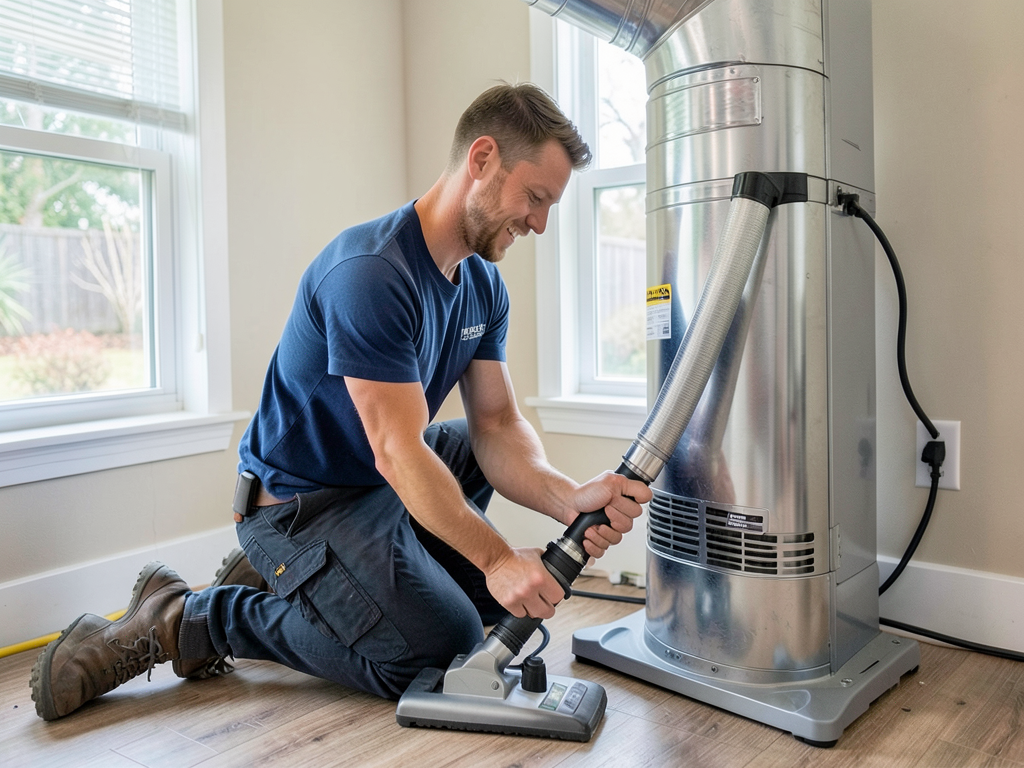
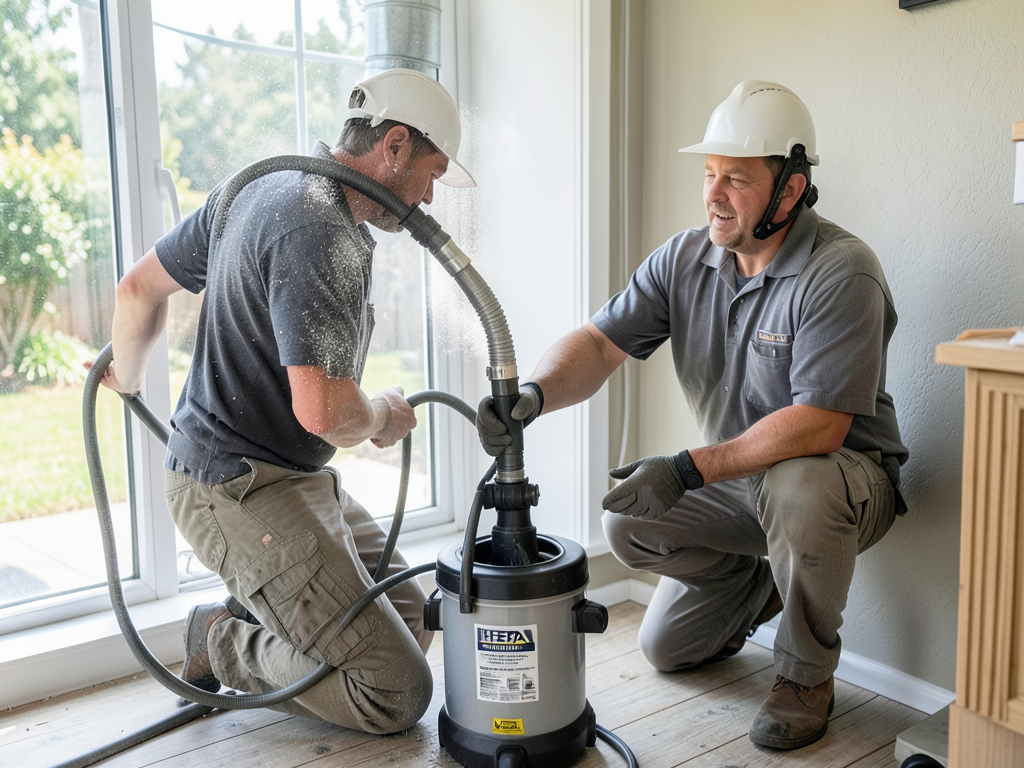
Duct system modifications often deliver the biggest improvement. We seal leaks with mastic and add insulation where heat transfer is occurring. We resize supply and return runs that are too small. We install balancing dampers and adjust them using measured airflow data, not guesswork. In homes with serious design flaws, we recommend zoning systems with multiple thermostats and dampers that control airflow to different areas independently.

We address equipment issues when diagnostics reveal them. A variable-speed air handler can compensate for minor duct issues by running longer at lower speeds, improving air distribution. Proper thermostat placement ensures the system responds to representative temperatures instead of hot spots near windows or cold spots near return vents.

What Happens During Your Temperature Balance Service

Uneven Heating or Cooling in Riverside | Expert Diagnosis and Precision Airflow Solutions
01

System Performance Testing

We measure supply and return static pressures at the air handler to identify restrictions in your duct system. We check temperature splits across the evaporator coil and condenser to verify proper refrigerant charge and heat transfer. We document runtime patterns and cycling behavior that indicate capacity or airflow problems affecting room-to-room consistency.
02

Room-by-Room Airflow Analysis

We measure actual CFM delivery at each supply register and compare it against design requirements based on room size and heat load. We use thermal imaging to locate duct leaks, disconnected joints, and insulation gaps in attic spaces where most losses occur. We check return air pathways and door undercuts to ensure proper air circulation throughout your home.
03

Targeted System Corrections

We seal identified duct leaks and add insulation where needed to prevent heat transfer. We adjust or install balancing dampers based on measured airflow data to redistribute conditioned air properly. We modify undersized duct runs and correct design flaws that prevent proper air distribution. You get consistent temperatures in every room and lower utility bills from improved system efficiency.

Why Riverside Homeowners Choose Horizon HVAC for Temperature Balance Issues

Generic HVAC companies treat uneven heating and cooling as a thermostat problem or tell you to close vents in rooms that are too cold. That makes the problem worse by creating pressure imbalances and forcing your system to work harder.

Horizon HVAC Riverside approaches temperature imbalance as a system problem that requires diagnostic tools and measured data. We have seen every duct configuration common to Riverside homes, from post-war tract houses with undersized trunk lines to newer homes with flex duct runs that were never properly supported. We know the shortcuts builders took in different decades and which neighborhoods have the most frequent airflow issues.

Riverside's building codes have evolved significantly over the past 40 years. Homes built before modern efficiency standards often have minimal duct insulation, no return air from bedrooms, and single-pane windows that create localized heat gain and loss. We factor these realities into our solutions instead of applying one-size-fits-all fixes that ignore your home's specific construction.

We understand how Riverside's climate affects your system. Extreme summer heat loads stress equipment and expose undersized duct systems. Temperature swings between day and night create cycling patterns that reveal equipment sizing problems. We have worked in every Riverside neighborhood, from the historic Eastside to newer developments near Canyon Crest, and we understand the specific challenges each area presents.

Our technicians receive ongoing training in airflow diagnostics and system balancing. We invest in diagnostic equipment that most companies skip because it requires skill to use properly. When we identify a problem, we explain the physics behind it so you understand why the solution we recommend will actually work.

We focus on solving the root cause instead of selling you equipment you don't need. Sometimes a complete duct renovation is necessary. Often, targeted repairs and proper balancing restore comfort at a fraction of the cost of system replacement.

What to Expect When You Call About Uneven Temperatures

Same-Day Diagnostic Appointments

We schedule diagnostic appointments within 24 hours because you should not have to live with uncomfortable rooms while waiting for service. Our diagnostic visit takes two to three hours because thorough testing cannot be rushed. We arrive with all necessary equipment to measure static pressure, airflow, temperature differentials, and refrigerant charge. You receive a written report with measured data showing exactly where your system is underperforming and why certain rooms are not getting proper airflow.

Comprehensive Airflow and Duct Analysis

We inspect accessible ductwork in your attic, crawlspace, and garage to identify leaks, damage, and design flaws. We use thermal imaging to locate hidden problems behind walls and ceilings. We measure CFM delivery at each register and compare it to calculated requirements based on room load. We check return air adequacy because restricted return air is one of the most common causes of uneven temperatures. You see the actual measurements and understand exactly what is causing your comfort problems.

Measurable Temperature Consistency

After we complete repairs and adjustments, we verify temperature consistency with follow-up measurements in each problem room. Properly balanced systems typically maintain room-to-room temperature variations within two to three degrees when the system is running. You notice the difference immediately. Rooms that were previously too hot or too cold now match the rest of your home. Your system runs less frequently because it is not struggling to overcome poor airflow distribution. Energy bills drop because you are not conditioning air that leaks into unconditioned spaces.

Ongoing Performance Monitoring

We recommend seasonal maintenance visits to verify your system continues performing as designed. Duct connections can separate over time. Insulation can settle or degrade. Filters that are not changed regularly restrict airflow and recreate temperature imbalance issues. Our maintenance visits include airflow spot-checks in previously problematic rooms to catch developing issues before they affect your comfort. We adjust dampers if seasonal load changes require rebalancing. You receive priority scheduling and discounted rates on any future repairs.

Frequently Asked Questions

You Have Questions,
We Have Answers

Is uneven heating normal? +

No, uneven heating is not normal and signals a problem with your HVAC system. You should experience consistent temperatures throughout your home. Common causes include blocked vents, leaky ductwork, incorrect thermostat placement, or an undersized system. In Riverside's fluctuating climate, where winter mornings can drop into the 40s, uneven heating becomes more noticeable. Poor insulation in older homes near the Mission Inn District can worsen the issue. If some rooms stay cold while others overheat, your system is working harder than needed, wasting energy and driving up utility bills. A professional inspection can identify the root cause and restore balanced comfort.

Is 70 heat the same as 70 cool? +

No, 70 degrees on heat does not feel the same as 70 degrees on cool. Heating warms surfaces in your home, including walls and floors, creating radiant warmth. Cooling only chills the air, leaving surfaces warmer, which makes the space feel less comfortable. Humidity also plays a role. Riverside's dry climate means winter heating can feel more comfortable at lower settings, while summer cooling requires lower thermostat settings to achieve the same comfort level. Your HVAC system's blower speed differs between modes too. Heat mode uses slower airflow to maximize warmth, while cool mode uses faster airflow for better dehumidification and air circulation.

What is the $5000 rule for HVAC? +

The $5000 rule is a guideline to help you decide between repairing or replacing your HVAC system. Multiply the repair cost by your system's age. If the total exceeds $5000, replacement makes more financial sense. For example, a $500 repair on a 12-year-old unit equals $6000, suggesting replacement is wiser. In Riverside, where summer temperatures regularly hit the triple digits, an aging, inefficient system costs more to operate. Newer units offer better SEER ratings and lower energy bills. This rule is not absolute, but it provides a practical framework for making smart investment decisions about your home comfort system.

How do you fix uneven heating in a house? +

Start by checking for blocked vents or closed registers in cold rooms. Inspect your air filter and replace it if dirty, as restricted airflow causes uneven heating. Check ductwork in your attic or crawlspace for gaps, tears, or disconnected sections. Leaky ducts waste 20 to 30 percent of heated air before it reaches rooms. In Riverside homes with older duct systems, rodent damage is common. Verify your thermostat placement. If it sits near a window or heat source, it gives false readings. Balancing dampers in your ductwork can redirect airflow to problem areas. If these steps fail, call a professional for a system assessment and proper diagnosis.

Why is half my house hot and half cold? +

Your home feels half hot and half cold due to ductwork issues, zoning problems, or system capacity. Leaky or undersized ducts fail to deliver adequate airflow to distant rooms. In two-story Riverside homes, heat naturally rises, leaving downstairs rooms colder in winter. Poor insulation in exterior walls or attic spaces allows heat loss in specific zones. Your system may lack proper zoning controls to manage different areas independently. Closed or blocked vents in certain rooms create pressure imbalances. An incorrectly sized HVAC unit struggles to distribute conditioned air evenly. A load calculation and duct inspection can pinpoint the issue and guide the right solution.

Do I need a plumber to balance my radiators? +

No, you do not need a plumber to balance radiators if you have a forced-air HVAC system, which is standard in Riverside homes. Radiator balancing applies to older hydronic heating systems with boilers and water-filled radiators. Most Riverside residences use central air with ductwork. If you have radiators, a plumber or HVAC technician familiar with hydronic systems can adjust flow valves to balance heat distribution. For forced-air systems, balancing involves adjusting dampers in ductwork to control airflow to different rooms. This is an HVAC task, not plumbing. Confirm your system type before scheduling service to avoid unnecessary service calls and charges.

What is the 3 minute rule for AC? +

The 3-minute rule protects your air conditioner's compressor from damage. After your AC shuts off, wait at least 3 minutes before restarting it. This delay allows refrigerant pressure to equalize between the high and low sides of the system. Restarting too soon forces the compressor to start against high pressure, causing strain, overheating, and potential failure. In Riverside's intense summer heat, where systems cycle frequently, this rule becomes critical. Many modern thermostats have built-in delay timers. Repeated short cycling without the 3-minute buffer shortens compressor lifespan and leads to expensive repairs. Always allow the system time to rest between cycles.

Why does my house feel cold at 73 in winter? +

Your house feels cold at 73 in winter because heating systems work differently than cooling systems. Radiant heat loss through windows, walls, and floors makes the air feel cooler than the thermostat reading. Riverside winter mornings can dip into the 40s, creating greater temperature contrast. Humidity also affects comfort. Winter air is drier, and low humidity makes you feel colder at the same temperature. Your body loses heat faster in dry conditions. Drafts from older single-pane windows common in historic Riverside neighborhoods worsen the issue. Consider raising the thermostat to 75 or 76, adding a humidifier, and sealing air leaks around windows and doors.

How long should it take to cool a house from 78 to 74? +

A properly sized, well-maintained air conditioner should cool your home from 78 to 74 degrees in 15 to 30 minutes in moderate conditions. In Riverside's extreme summer heat, where outdoor temps exceed 100 degrees, it may take 45 minutes to an hour. Cooling speed depends on system size, ductwork efficiency, insulation quality, and outdoor temperature. If your system takes several hours, it indicates undersizing, low refrigerant, dirty coils, or ductwork leaks. Homes with poor attic insulation struggle more during midday heat. If cooling takes excessively long, schedule a system inspection to identify efficiency losses and restore proper performance.

Is a 3 ton AC too big for 1500 square feet? +

A 3-ton AC may be too large for 1500 square feet, depending on insulation, ceiling height, window quality, and sun exposure. In Riverside's hot climate, the general guideline is 400 to 600 square feet per ton. A 1500-square-foot home typically needs 2.5 to 3 tons. Oversizing causes short cycling, where the unit cools quickly but shuts off before dehumidifying properly. This leaves your home clammy and uncomfortable. Homes with high ceilings, poor insulation, or west-facing windows need more capacity. A proper Manual J load calculation accounts for Riverside's specific climate and your home's characteristics. Avoid guessing. Correct sizing maximizes efficiency, comfort, and equipment lifespan.

How Riverside's Inland Heat and Older Housing Stock Create Persistent Temperature Problems

Riverside sits 50 miles inland from the Pacific Ocean, eliminating the marine layer that moderates coastal temperatures. Summer days regularly exceed 100 degrees, creating extreme heat loads that stress undersized duct systems and expose poor insulation. Older neighborhoods near Mission Inn and the Arlington Heights area contain homes built in the 1940s through 1970s with minimal attic insulation and duct systems that were never designed for modern cooling loads. Uninsulated ductwork in 140-degree attics loses 30 percent of its cooling capacity before air reaches living spaces, creating hot spots in rooms farthest from the air handler.

Riverside homeowners need technicians who understand how original duct designs in post-war housing fail under modern temperature demands. Horizon HVAC Riverside has worked throughout the area, from historic Victoria Avenue to newer developments near UC Riverside, and we recognize the patterns that create inconsistent room temperatures in different construction eras. We hold a California contractor license and follow Title 24 energy code requirements when modifying duct systems, ensuring improvements meet current efficiency standards while solving comfort problems that have frustrated homeowners for years.
HVAC Services in The Riverside Area

We invite you to explore our service area and see where Horizon HVAC proudly delivers exceptional heating and cooling solutions. While our physical location serves as our hub, our dedicated team extends its expert services across the entire region, bringing unparalleled comfort and air quality directly to your doorstep, whether for residential or commercial needs, ensuring we’re always within reach for your HVAC requirements.

Address:
Horizon HVAC Riverside, 11801 Pierce St Suite 200, Riverside, CA, 92505

Additional Services We Offer

Our news updates

Latest Articles & News from The Blogs

A Guide for Riverside Tenants on Requesting HVAC Repairs and Maintenance Living in Riverside means dealing with extreme summer heat…

A Guide for Riverside Tenants on Requesting HVAC Repairs and Maintenance

A Guide for Riverside Tenants on Requesting HVAC Repairs and Maintenance Living in Riverside means dealing with extreme summer heat…

Propane vs Electric Heating for Rural Homes in the Outskirts of Woodcrest

Propane vs Electric Heating for Rural Homes in the Outskirts of Woodcrest Homeowners in the outskirts of Woodcrest face a…

Heating and Cooling Solutions for New Multi-Generational Suites in Sycamore Highlands

Heating and Cooling Solutions for New Multi-Generational Suites in Sycamore Highlands Building a multi-generational suite in Sycamore Highlands means creating…

Contact Us

Stop fighting with your thermostat and closing vents that make the problem worse. Call Horizon HVAC Riverside at (951) 223-9644 for a comprehensive airflow diagnostic that identifies the actual cause of hot and cold spots in your home and fixes it with measured precision.