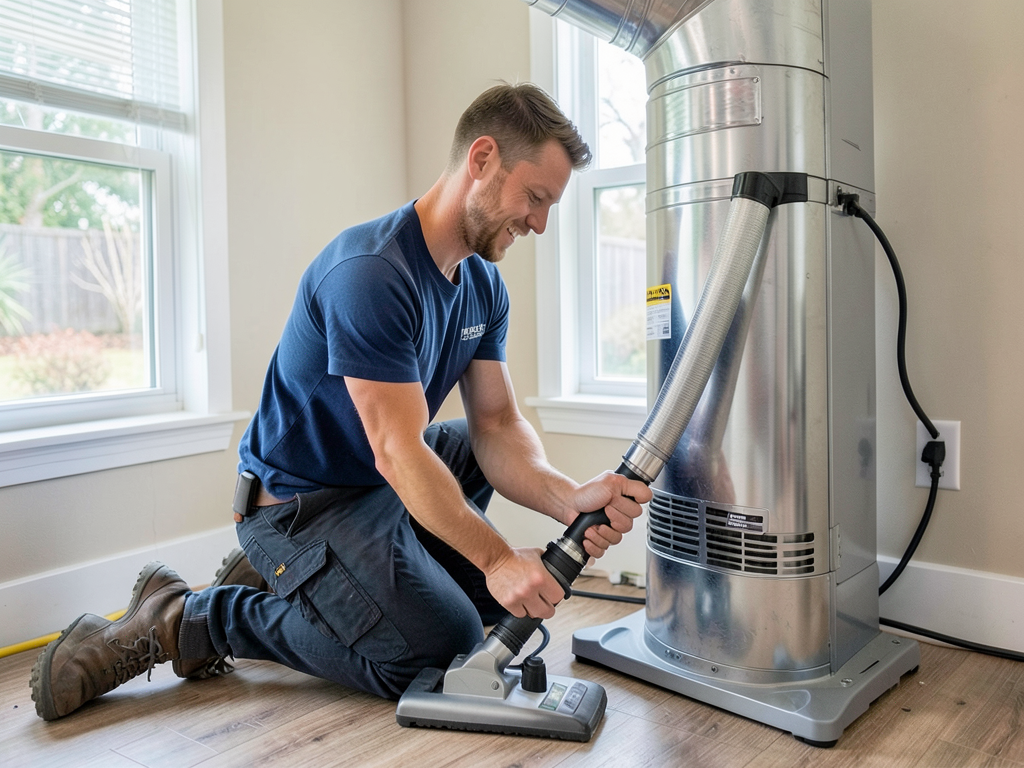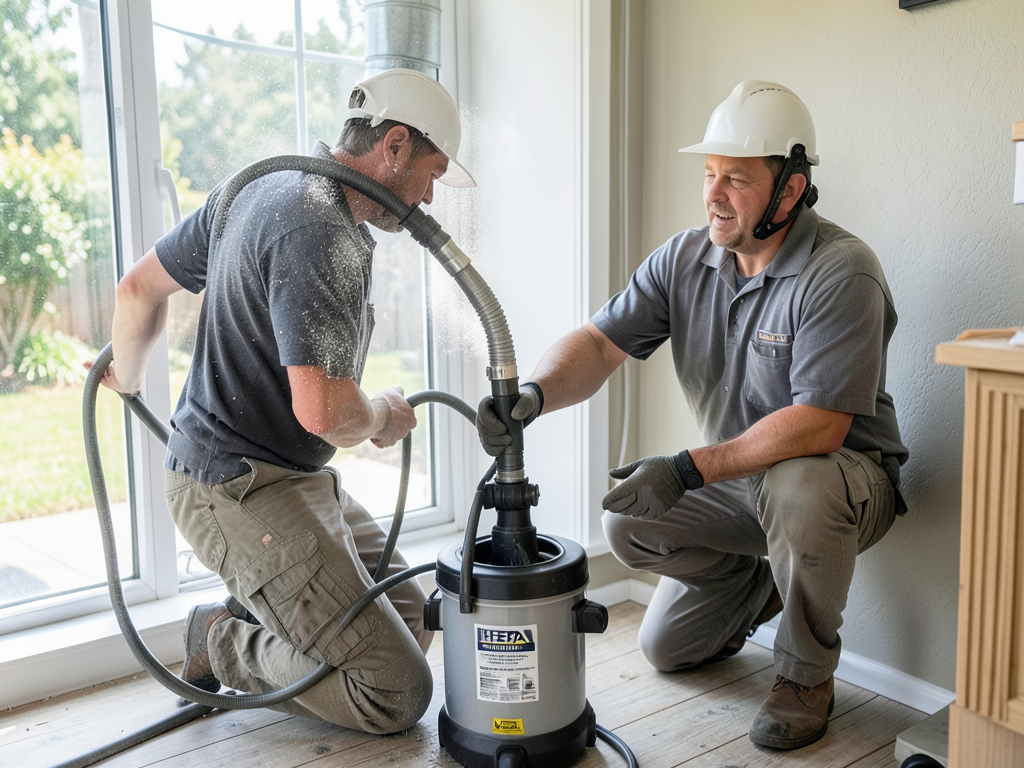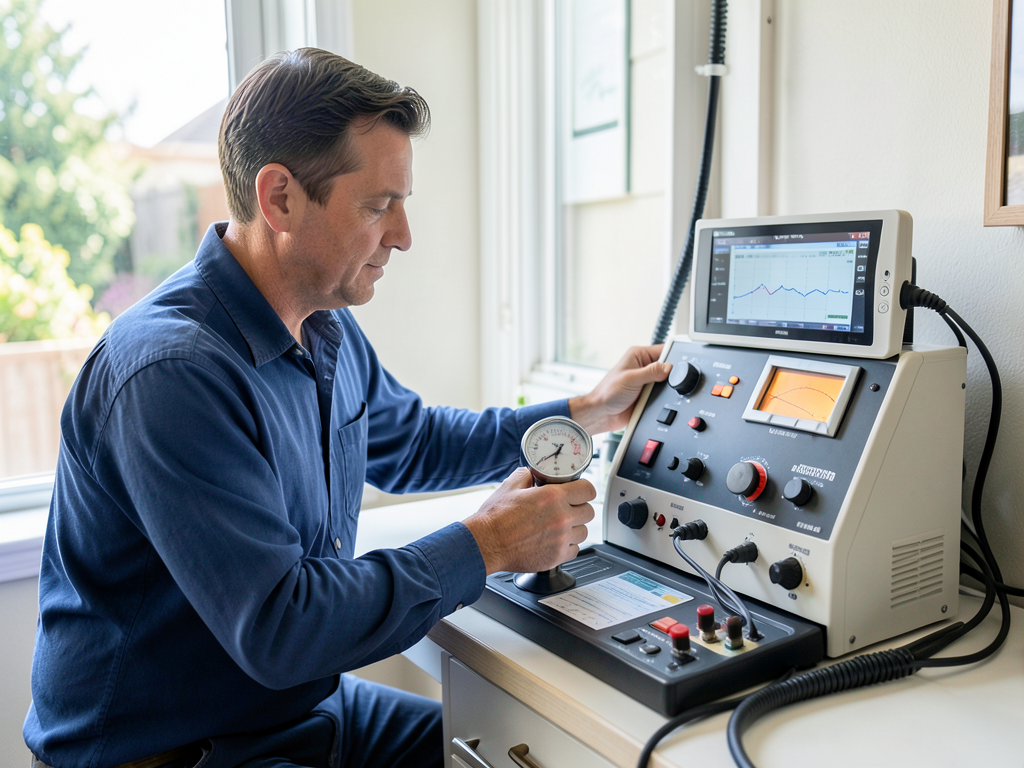





Riverside sits in a unique transition zone where coastal marine air meets desert heat. This creates dramatic temperature swings that stress heating systems more than stable cold climates. Your furnace might run zero hours one day when afternoon temperatures hit 80 degrees, then cycle every 20 minutes the next night when Santa Ana winds drop temperatures into the 30s. This frequent cycling wears ignition components and blower motors faster than steady operation. Dust carried by offshore winds combines with low humidity to create abrasive particles that coat heat exchangers and clog filters rapidly. Winter HVAC preparation addresses these specific stresses through targeted cleaning and component testing that standard maintenance might miss.
Riverside County has specific ventilation codes that affect furnace installation and operation, particularly for homes built before 1995. Many older properties in neighborhoods like Arlington and Wood Streets have furnaces in small closets or garages where combustion air requirements changed under updated building standards. Local HVAC professionals understand these grandfathered installations and know when modifications are required for safety. We also recognize the signs of improper venting common in homes where unpermitted work was performed. This local code knowledge protects you from liability and ensures your heating system operates safely within current Riverside County regulations.