






The Inland Empire experiences 90 to 110 days annually with temperatures above 90 degrees. Peak temperatures from June through September regularly exceed 105 degrees. Your air conditioning system runs continuously during these periods, often cycling for 18 to 20 hours daily. This extreme duty cycle accelerates compressor wear, stresses electrical components, and degrades refrigerant efficiency faster than equipment installed in moderate climates. A 12-year-old system in Riverside has operational hours equivalent to a 20-year-old system in coastal California. The air conditioner fix vs replace decision must account for this accelerated aging when calculating remaining useful life and comparing repair costs to replacement value.
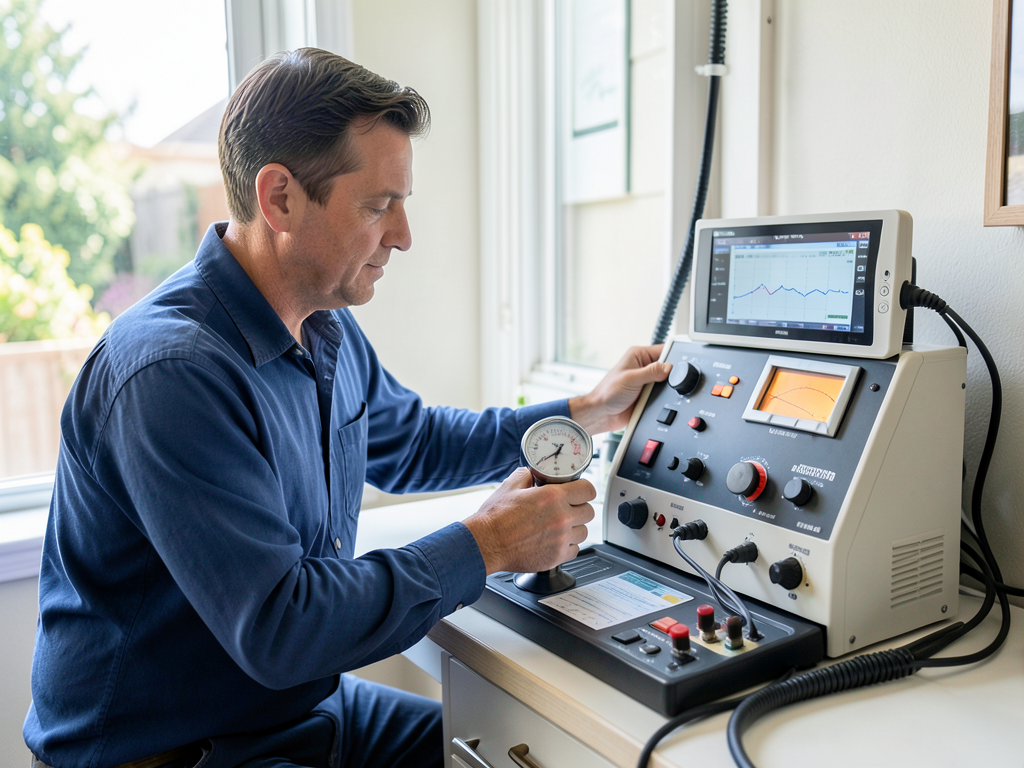
Local HVAC contractors in Riverside understand how desert heat affects equipment longevity and performance. We account for rapid cycling during peak load periods, the impact of 150-degree attic temperatures on ductwork efficiency, and how extreme ambient conditions reduce compressor lifespan. Riverside building inspectors require strict compliance with California Title 24 energy codes for any system replacement, including duct leakage testing and HERS verification. We maintain direct relationships with local inspectors and ensure your installation meets all municipal requirements. National HVAC chains frequently miss these local code nuances and create permitting delays that leave you without cooling during the hottest months.