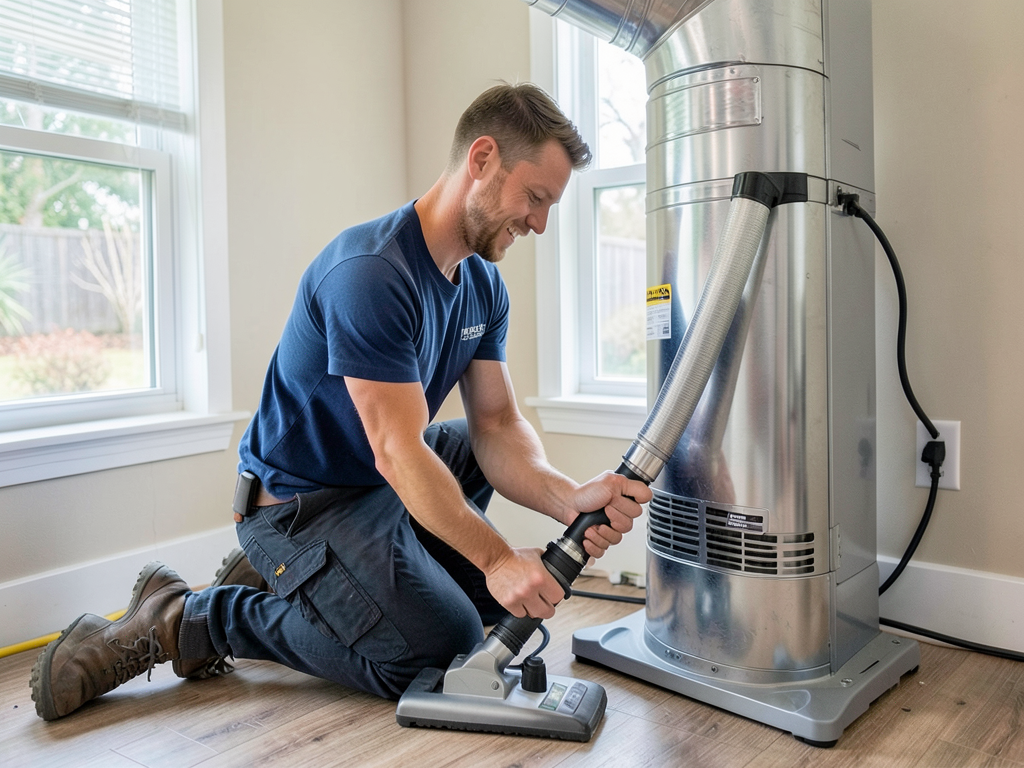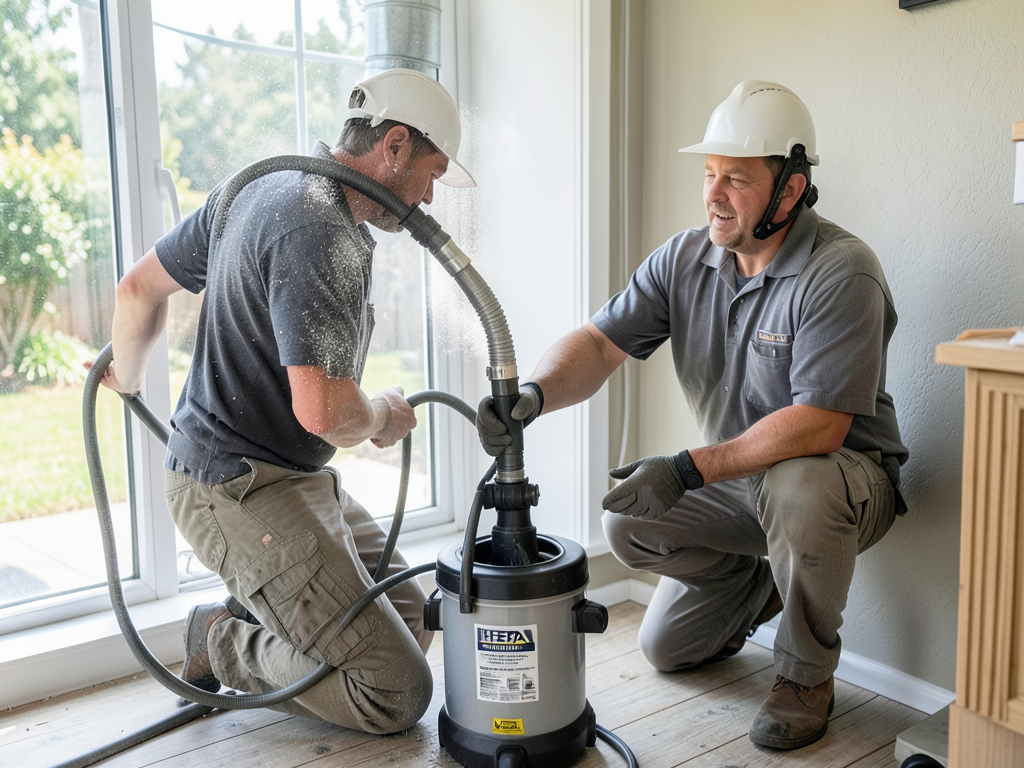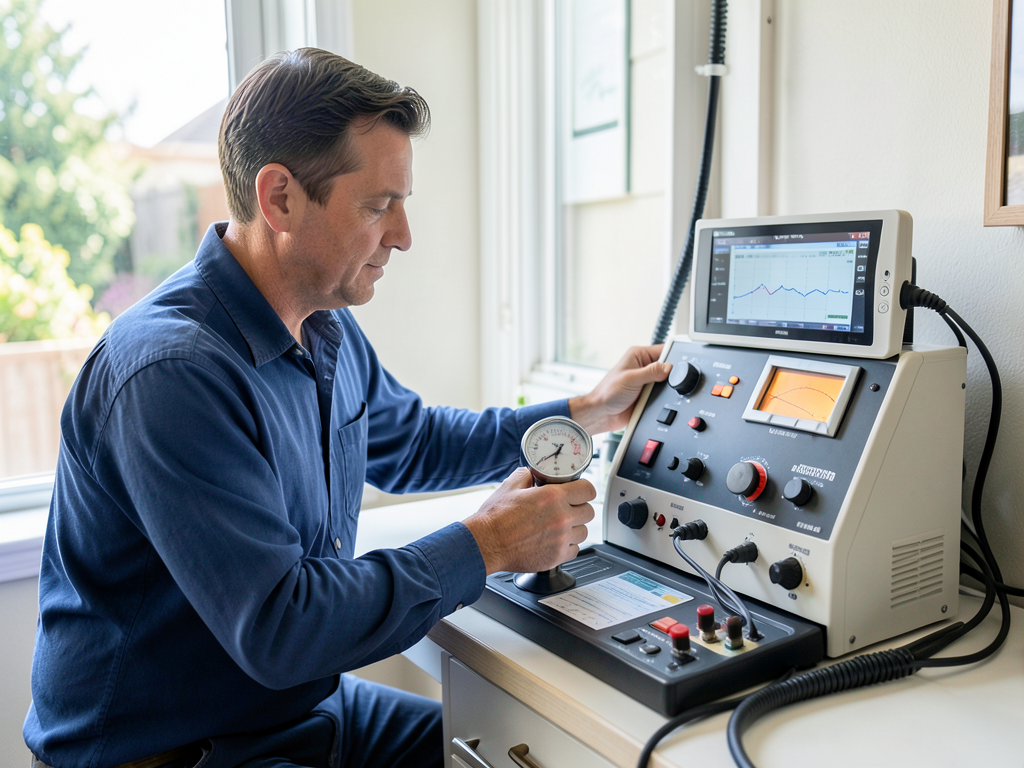







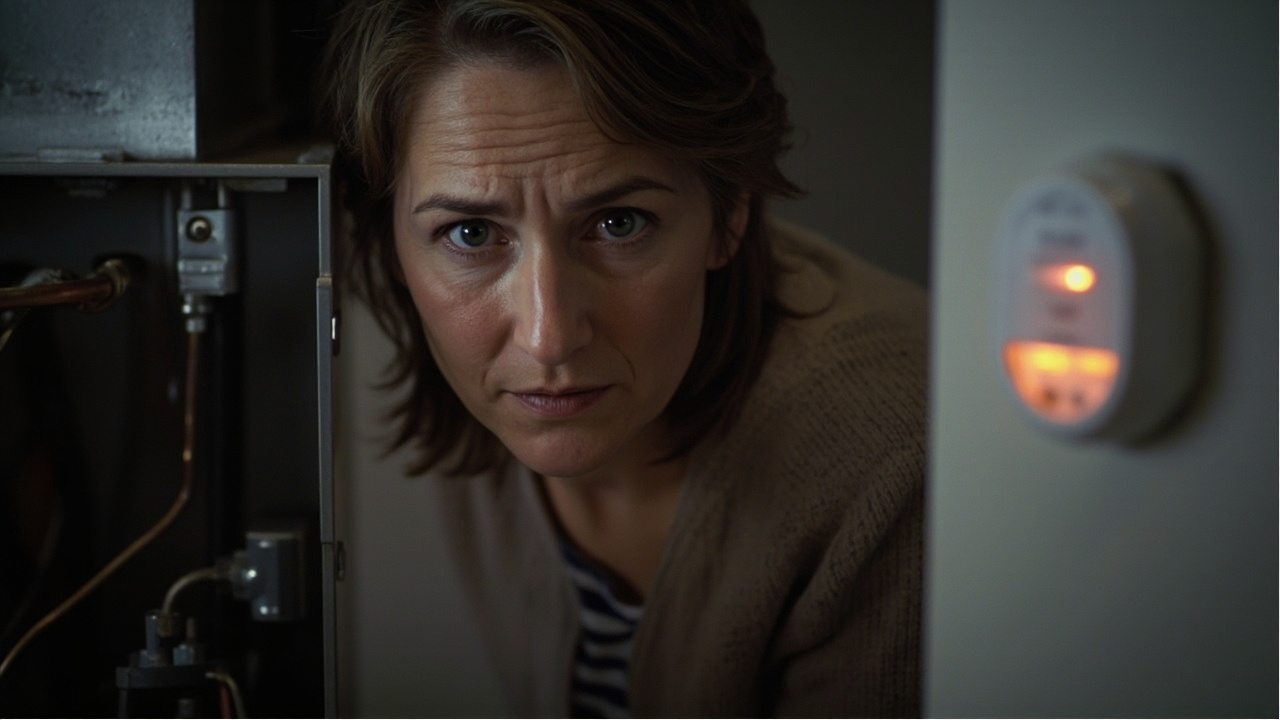
Riverside's Mediterranean climate creates unique carbon monoxide hazards that colder regions avoid. Your furnace sits idle for eight months each year. Burner assemblies collect dust during dormant periods. Spiders and insects nest in pilot light assemblies and burner orifices. When you fire up the system in November, this debris restricts airflow and creates incomplete combustion. The carbon monoxide warning signs appear suddenly rather than developing gradually over a heating season. Riverside's older neighborhoods contain furnaces from the 1970s and 1980s that outlived their design life decades ago. These vintage systems lack modern safety controls that shut down equipment when carbon monoxide levels rise.
Properties near UC Riverside and the downtown historic district contain rental units with absent landlords and deferred maintenance. Student housing and multi-family properties receive less attentive care than owner-occupied homes. We see carbon monoxide incidents cluster in these areas because nobody schedules routine furnace inspections. Riverside's building department requires carbon monoxide detectors in residential properties, but enforcement depends on tenant complaints and property transfers. Working with a local HVAC contractor who understands these neighborhood-specific risks provides protection that generic home warranty companies cannot match. We know which Riverside subdivisions contain which equipment vintages and failure patterns.