




Menu

Humidity Issues Indoors in Riverside – Fast Diagnosis and Permanent Solutions for Moisture Problems

Our Riverside HVAC technicians diagnose the root cause of high humidity in your house, from undersized equipment to ductwork leaks, and implement targeted solutions that restore comfort and protect your home from mold and structural damage.

Slider Image 1
Slider Image 2
Slider Image 3
Slider Image 4
Slider Image 5
Slider Image 7
Slider Image 8
Slider Image 9
Slider Image 10
Slider Image 11

Why Riverside Homes Struggle with Indoor Moisture Problems

Riverside's proximity to the Santa Ana River and the region's subtropical microclimate create the perfect storm for excess indoor moisture. Summer months bring heavy humidity that indoor cooling systems struggle to remove, while winter inversions trap moisture inside tightly sealed homes.

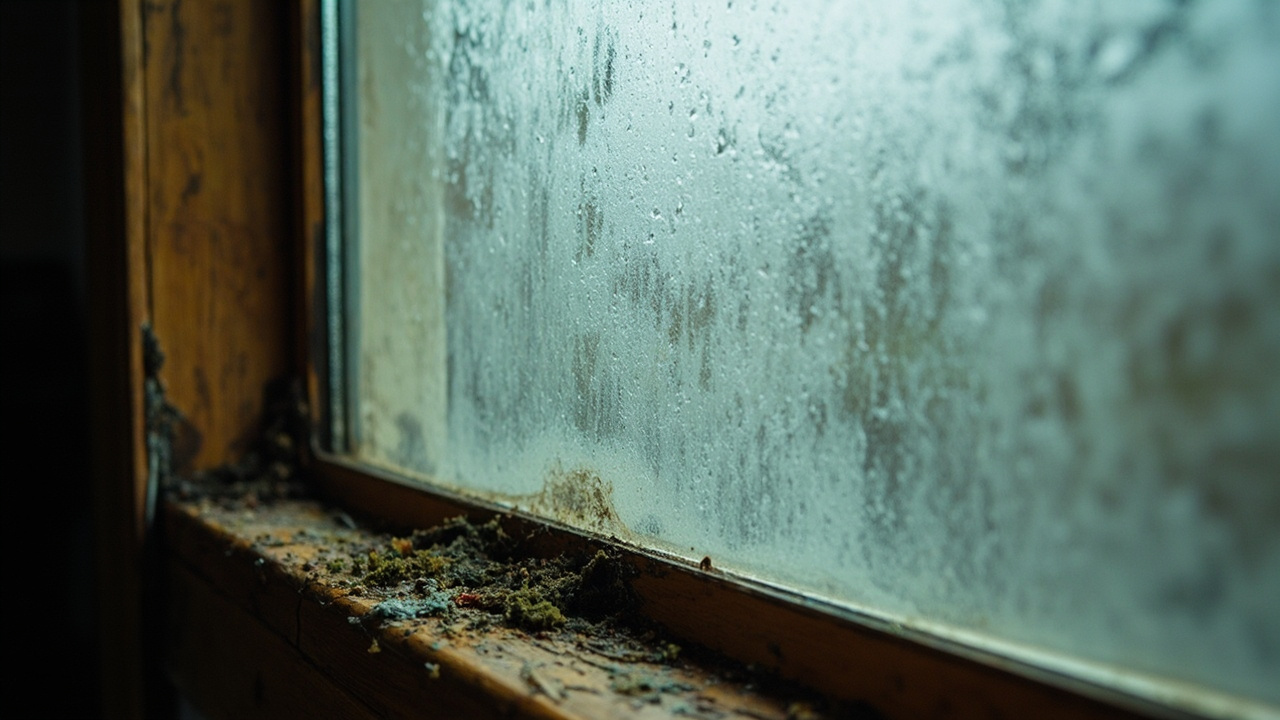
You notice it first as condensation on windows. Then comes the musty smell in closets. Paint bubbles on interior walls. Your air conditioner runs constantly but the air still feels thick and uncomfortable. High indoor humidity levels create more than discomfort. They accelerate mold growth, warp hardwood floors, and turn your home into a breeding ground for dust mites and allergens.

The root cause is rarely simple. Oversized air conditioning systems cycle off before completing proper dehumidification. Undersized return air pathways create negative pressure that pulls humid outdoor air through every crack and gap. Ductwork leaks in attics dump conditioned air into unconditioned spaces while pulling in superheated, moisture-laden air from above.

Poor humidity control damages more than your comfort. It degrades indoor air quality, increases cooling costs, and creates conditions where respiratory problems flourish. The longer these issues persist, the more extensive the damage becomes.

Riverside homeowners in the historic Magnolia Center and downtown districts face additional challenges. Older construction methods, single-pane windows, and minimal vapor barriers allow moisture to migrate freely. Modern additions grafted onto vintage homes create pressure imbalances that traditional HVAC systems cannot address. You need a diagnostic approach that identifies the specific factors driving moisture into your living space, then implements targeted corrections that work with your home's unique characteristics.

Why Riverside Homes Struggle with Indoor Moisture Problems
How We Diagnose and Fix High Humidity in Your House

How We Diagnose and Fix High Humidity in Your House

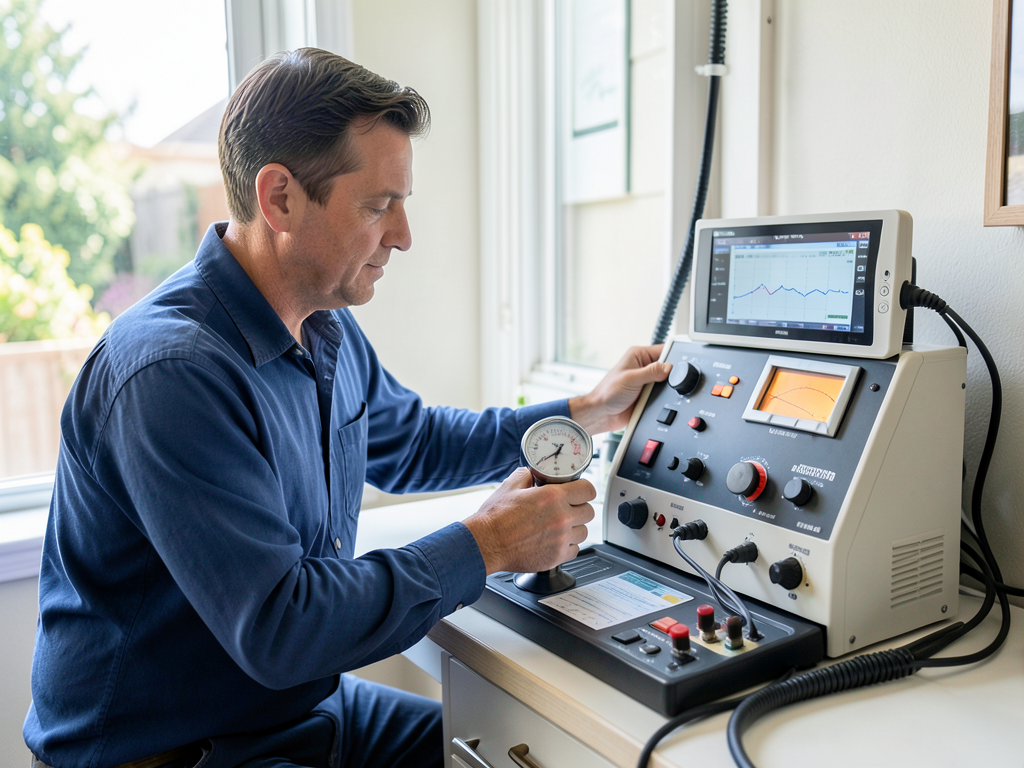
Generic humidity fixes waste money and rarely work. We start with comprehensive psychrometric testing using calibrated digital hygrometers and manometers to measure relative humidity, temperature differentials, and pressure imbalances across every zone in your home.

Our technicians inspect your air handler for proper airflow across evaporator coils. Reduced airflow prevents adequate moisture removal even when refrigerant charge is correct. We measure static pressure in supply and return plenums to identify restrictions that compromise dehumidification capacity. Dirty coils, clogged filters, and undersized return grilles all contribute to poor humidity control.

We perform blower door testing to quantify air infiltration rates. Homes that leak excessive outside air overwhelm even properly functioning HVAC systems. We trace ductwork through attics and crawlspaces, using thermal imaging cameras to locate hidden leaks that dump conditioned air where it does no good while pulling in humid outdoor air.

Equipment sizing matters more than most homeowners realize. An oversized system cools your home quickly but shuts off before removing moisture from the air. We calculate Manual J load requirements for your specific home, accounting for insulation values, window orientation, and occupancy patterns. Right-sized equipment runs longer cycles that extract moisture effectively while maintaining consistent temperatures.

Sometimes the solution involves dedicated dehumidification equipment. Whole-home dehumidifiers integrated with your HVAC system provide independent moisture control without overcooling your living space. We install these units with condensate pumps and dedicated electrical circuits, ensuring reliable operation during peak humidity periods.

Ductwork modifications often deliver the biggest impact. Sealing leaks with mastic and adding return pathways in moisture-prone areas like bathrooms and laundry rooms prevents localized humidity spikes. We balance airflow across all registers to eliminate hot spots and ensure even dehumidification throughout your home.

What Happens During Your Humidity Assessment

Humidity Issues Indoors in Riverside – Fast Diagnosis and Permanent Solutions for Moisture Problems
01

Initial Moisture Mapping

We measure relative humidity and temperature in every room, documenting patterns that reveal where moisture enters and accumulates. This creates a baseline map showing problem zones. We inspect windows, doors, and penetrations for condensation evidence. You learn exactly where your home is losing the battle against excess indoor moisture before we touch any equipment.
02

System Performance Testing

Our technicians test your air conditioning system under operating conditions, measuring supply and return air temperatures, airflow rates, and refrigerant pressures. We verify that your evaporator coil operates at temperatures cold enough to condense moisture effectively. Static pressure readings across the system reveal ductwork restrictions and airflow problems. This diagnostic testing identifies equipment deficiencies that compromise dehumidification capacity.
03

Solution Implementation Plan

You receive a detailed report explaining what we found and why your home suffers from high indoor humidity levels. We outline specific corrections ranked by impact and cost, from simple filter upgrades to ductwork modifications or equipment replacement. You decide which solutions fit your budget and timeline. We schedule the work, complete the installations, and verify results with follow-up humidity measurements.

Why Riverside Homeowners Trust Horizon HVAC Riverside for Moisture Control

Indoor moisture problems require local knowledge. We understand how Riverside's unique climate patterns affect homes differently across neighborhoods. Properties near the Arlington Heights area face different challenges than homes in Canyon Crest due to elevation changes and prevailing wind patterns.

Our technicians train specifically on humidity control, not just cooling and heating. We invest in diagnostic tools that most HVAC companies skip because proper moisture assessment requires more than basic service gauges. Thermal imaging cameras, digital manometers, and calibrated hygrometers cost money, but they identify problems that visual inspections miss.

We work with homes built across eight decades of construction standards. Historic bungalows near downtown require different solutions than tract homes from the 1980s or modern construction in newer developments. Our approach accounts for your home's specific building envelope, insulation levels, and ventilation characteristics.

You get honest assessments. If your humidity problem stems from a clogged filter and dirty coils, we tell you that before recommending expensive equipment. If you need a dehumidifier or ductwork modifications, we explain exactly why and show you the data supporting our recommendations.

Our service area extends across Riverside and surrounding communities. We respond quickly because our technicians live and work here. You reach a local dispatcher who schedules appointments around your needs, not corporate call center protocols dictated from another state.

Riverside building codes and California Title 24 energy standards affect how we design HVAC solutions. We pull permits when required and ensure all work meets current code requirements. This protects your investment and prevents problems when you sell your home or file insurance claims.

We stand behind our diagnostic work. If our testing identifies a problem and our solution fails to fix it, we return and make it right. You deserve indoor air quality that protects your health and comfort.

What You Can Expect When You Call Us

Fast Response Times

We schedule most diagnostic appointments within 48 hours of your call. Our technicians arrive during the two-hour window we promise, equipped with testing equipment and ready to investigate your indoor moisture problems. Emergency situations involving active water damage or mold growth get priority scheduling. We understand that high humidity in your house creates health risks and property damage that worsen with each passing day. You receive confirmation calls and text updates so you know exactly when to expect us.

Thorough Humidity Diagnostics

Your assessment takes 90 minutes to two hours depending on home size and system complexity. We test every component that affects moisture removal, from airflow rates and refrigerant charge to ductwork integrity and ventilation pathways. You receive a written report with humidity readings, system performance data, and thermal images showing problem areas. We explain our findings in clear language, demonstrating exactly what causes your poor humidity control. You see the evidence and understand the problems before we discuss solutions.

Measurable Results

We document humidity levels before starting work and verify improvements after completing repairs. You receive baseline readings and post-service measurements proving your system now maintains target humidity ranges between 40 and 50 percent. Air feels comfortable without that sticky, oppressive quality. Condensation disappears from windows. Musty odors fade as excess moisture stops feeding mold growth. Your energy bills often drop because properly dehumidified air feels cooler at higher thermostat settings, reducing compressor run times and electrical consumption.

Ongoing Moisture Management

Humidity control requires maintenance. We offer service plans that include seasonal inspections, filter changes, and coil cleaning to keep your system removing moisture effectively year-round. Our technicians check humidity levels during routine maintenance visits, catching problems before they affect your comfort. You receive reminders when service is due and priority scheduling for plan members. We track your equipment history and system performance over time, identifying trends that predict future problems. This proactive approach prevents the return of high indoor humidity levels.

Frequently Asked Questions

You Have Questions,
We Have Answers

What are the symptoms of too much humidity in your house? +

You will notice condensation on windows, damp spots on walls or ceilings, and a musty odor throughout your home. Mold or mildew may appear in bathrooms, closets, or around air vents. Wood floors may warp, and paint or wallpaper can peel. You might feel clammy or sticky even when the air conditioner runs. In Riverside, where summer temperatures push cooling systems hard, excess moisture often signals an undersized AC unit or ductwork leaks. Your thermostat may read comfortable, but the air feels heavy and oppressive.

Is 70% humidity in a house bad? +

Yes. Indoor humidity above 60% creates conditions for mold growth, dust mites, and structural damage. At 70%, you are well into the danger zone. Mold spores multiply rapidly, and wood framing can absorb moisture, leading to rot. In Riverside's dry climate, 70% indoor humidity usually points to a serious HVAC problem like a failed evaporator coil, blocked condensate drain, or oversized cooling system that short cycles. Your system should remove moisture as it cools. This level demands immediate professional assessment.

Why is my house at 67% humidity? +

Your home likely has poor ventilation, an oversized air conditioner that cools too quickly without dehumidifying, or a ductwork issue. Everyday activities like cooking, showering, and laundry add moisture, but your HVAC system should remove it. In Riverside, 67% humidity indoors is abnormal given the region's low outdoor humidity. Check for blocked return vents, dirty filters, or a malfunctioning condensate pump. Crawl spaces or attics with inadequate vapor barriers can also introduce ground moisture into living areas. This is not normal for the area.

What is dangerously humid indoors? +

Anything above 60% is problematic. At 65-70%, mold grows aggressively. Above 70%, you risk structural damage, respiratory issues, and rapid allergen proliferation. Dust mites thrive above 50%. In Riverside, where outdoor humidity rarely exceeds 40% during peak heat, indoor levels above 60% signal HVAC failure or hidden water intrusion. Dangerously high humidity stresses your cooling system, raises energy bills, and compromises indoor air quality. If your meter reads consistently above 60%, you need a technician to diagnose the root cause immediately.

How do you fix high humidity in your house? +

Start by running your air conditioner on auto mode, not just the fan. Replace dirty filters and ensure all supply and return vents are unobstructed. Use exhaust fans during cooking and showering. If levels stay high, your system may need a condensate drain cleaning, refrigerant recharge, or thermostat recalibration. In Riverside, many homes benefit from whole-house dehumidifiers integrated into the ductwork. Check crawl spaces and attics for moisture sources. A professional load calculation ensures your HVAC system is properly sized for both cooling and dehumidification.

Does opening a window reduce humidity? +

Not in Riverside. Opening windows during summer introduces hot, outdoor air, forcing your air conditioner to work harder. While outdoor humidity is low here, the heat load overwhelms any ventilation benefit. Windows can help during cooler mornings or evenings when outdoor air is drier and temperatures drop. However, if indoor humidity is high, you have an HVAC issue that fresh air will not fix. Opening windows in a climate like Riverside typically worsens cooling efficiency and increases energy costs without addressing the moisture problem.

Do dehumidifiers really work for humidity? +

Yes. Portable or whole-house dehumidifiers pull moisture from the air and drain it away. Portable units work for small areas like bedrooms or basements. Whole-house systems integrate with your ductwork and treat the entire home. In Riverside, standalone dehumidifiers are often unnecessary if your air conditioner functions properly. The cooling process itself should remove humidity. If you need a dehumidifier here, it usually means your HVAC system is oversized, undersized, or failing. Address the root cause first before adding equipment.

What is the best humidity level for your lungs? +

Between 30-50% supports healthy respiratory function. Below 30%, dry air irritates mucous membranes, causes nosebleeds, and worsens asthma. Above 50%, mold spores and dust mites flourish, triggering allergies and breathing difficulties. Riverside homes often struggle with the opposite problem in summer: overly humid indoor air due to HVAC issues. Aim for 40-50% year-round. A quality hygrometer lets you monitor levels in real time. If you cannot maintain this range naturally, your HVAC system requires professional evaluation.

How to tell if humidity is too high in a house? +

Place a hygrometer in main living areas. Readings above 60% confirm the problem. Look for visible condensation on windows, mirrors, or metal fixtures. Smell for musty odors in closets or bathrooms. Check for mold on grout, windowsills, or air vents. In Riverside, high indoor humidity feels uncomfortable because it is abnormal for the climate. Your skin feels sticky, and the air seems thick. If your air conditioner runs constantly but the house never feels dry, your system is not dehumidifying properly.

Does putting heating on reduce humidity? +

Yes. Heating air increases its capacity to hold moisture, lowering relative humidity. However, in Riverside, you rarely need heat during humid conditions. Summer humidity problems stem from HVAC cooling failures, not cold weather. Running heat in summer to reduce humidity is inefficient and costly. Your air conditioner should handle dehumidification during cooling. If you are tempted to run heat for this reason, your cooling system is broken or improperly sized. Address the HVAC issue directly rather than using heating as a workaround.

How Riverside's River Valley Climate Drives Indoor Moisture Problems

The Santa Ana River corridor creates a humidity microclimate that affects Riverside differently than neighboring communities. Summer months bring moisture-laden air that settles in the valley, particularly in low-lying neighborhoods near downtown and the Arlington area. Morning dew points often exceed 60 degrees, meaning outdoor air contains enough moisture to overwhelm undersized or poorly maintained HVAC systems. Homes in these areas battle condensation and mold growth that properties at higher elevations avoid. Your air conditioning system must remove this excess moisture while cooling your home, doubling the load on equipment not designed for sustained dehumidification duty.

Riverside's mix of historic and modern construction adds complexity to humidity control. Older homes lack proper vapor barriers and mechanical ventilation, allowing moisture to migrate through walls and accumulate in living spaces. City building codes now require tighter construction and mechanical ventilation, but retrofitting existing homes requires knowledge of local permit requirements and inspection procedures. Horizon HVAC Riverside has worked with the city's building department for years, understanding which modifications require permits and how to navigate approval processes efficiently. We design humidity solutions that satisfy code requirements while delivering the moisture control your home needs.
HVAC Services in The Riverside Area

We invite you to explore our service area and see where Horizon HVAC proudly delivers exceptional heating and cooling solutions. While our physical location serves as our hub, our dedicated team extends its expert services across the entire region, bringing unparalleled comfort and air quality directly to your doorstep, whether for residential or commercial needs, ensuring we’re always within reach for your HVAC requirements.

Address:
Horizon HVAC Riverside, 11801 Pierce St Suite 200, Riverside, CA, 92505

Additional Services We Offer

Our news updates

Latest Articles & News from The Blogs

A Guide for Riverside Tenants on Requesting HVAC Repairs and Maintenance Living in Riverside means dealing with extreme summer heat…

A Guide for Riverside Tenants on Requesting HVAC Repairs and Maintenance

A Guide for Riverside Tenants on Requesting HVAC Repairs and Maintenance Living in Riverside means dealing with extreme summer heat…

Propane vs Electric Heating for Rural Homes in the Outskirts of Woodcrest

Propane vs Electric Heating for Rural Homes in the Outskirts of Woodcrest Homeowners in the outskirts of Woodcrest face a…

Heating and Cooling Solutions for New Multi-Generational Suites in Sycamore Highlands

Heating and Cooling Solutions for New Multi-Generational Suites in Sycamore Highlands Building a multi-generational suite in Sycamore Highlands means creating…

Contact Us

Call (951) 223-9644 now to schedule your comprehensive humidity assessment. Our technicians will identify exactly why your home retains excess moisture and provide solutions that work. You deserve comfortable, healthy indoor air.