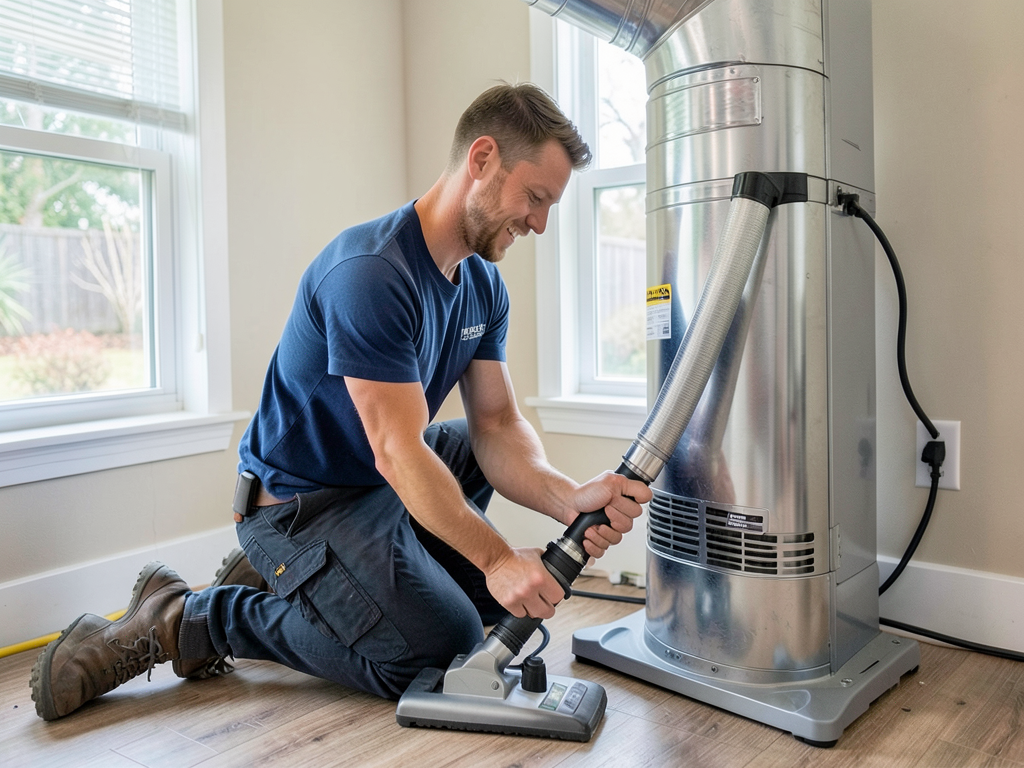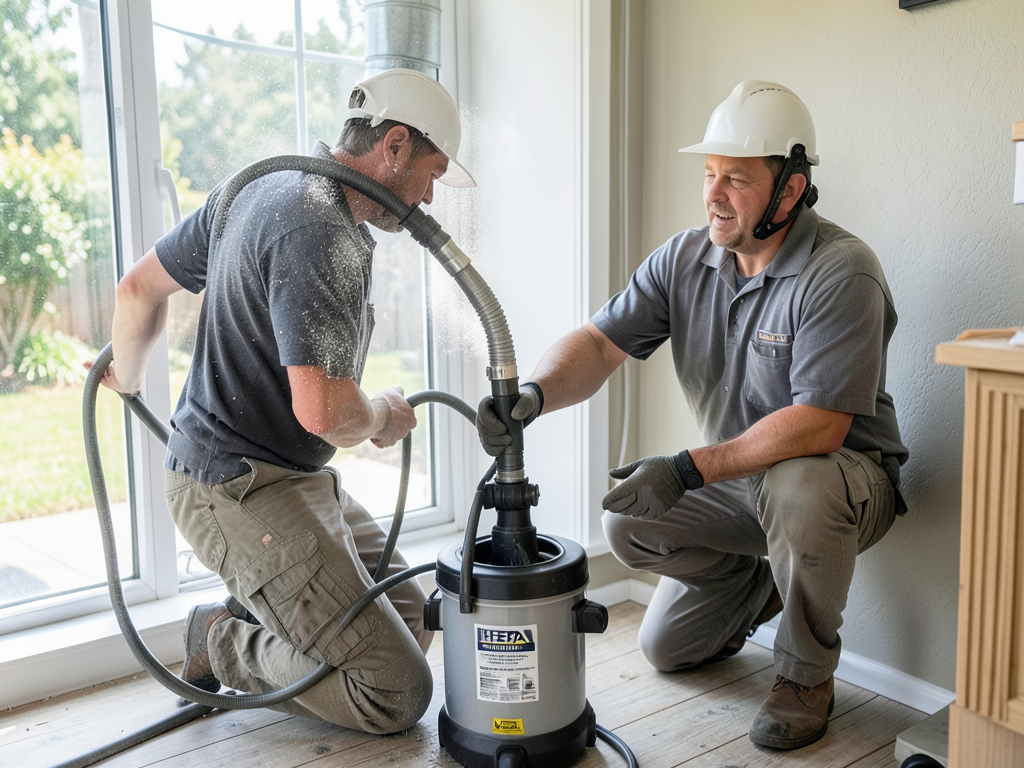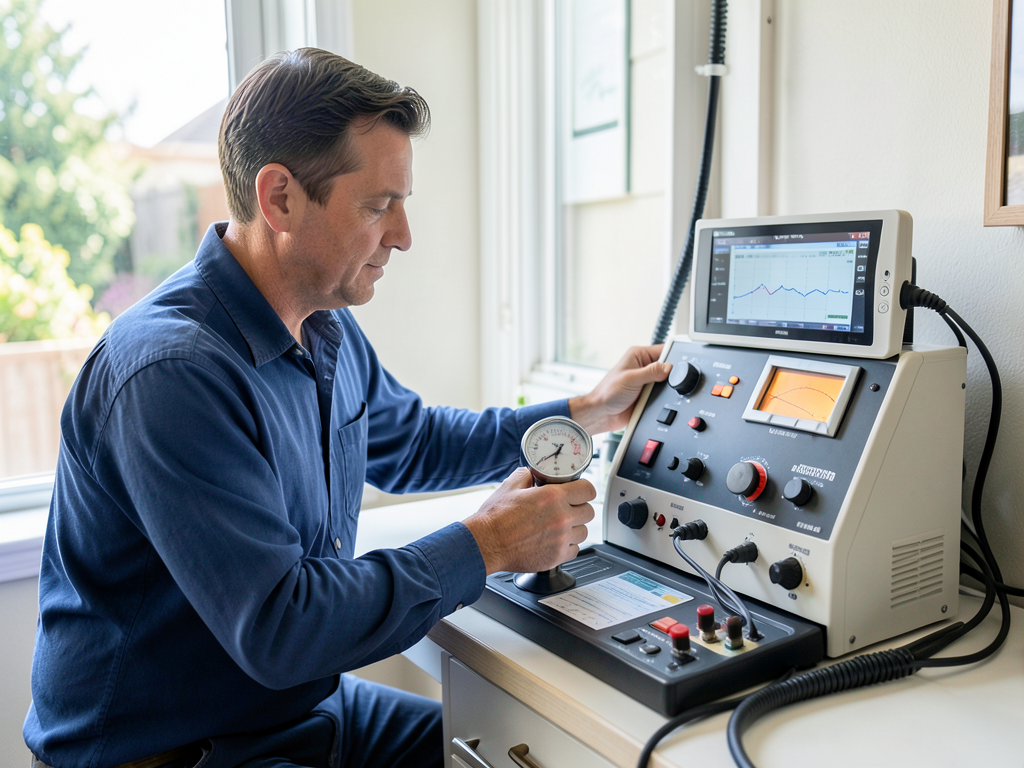





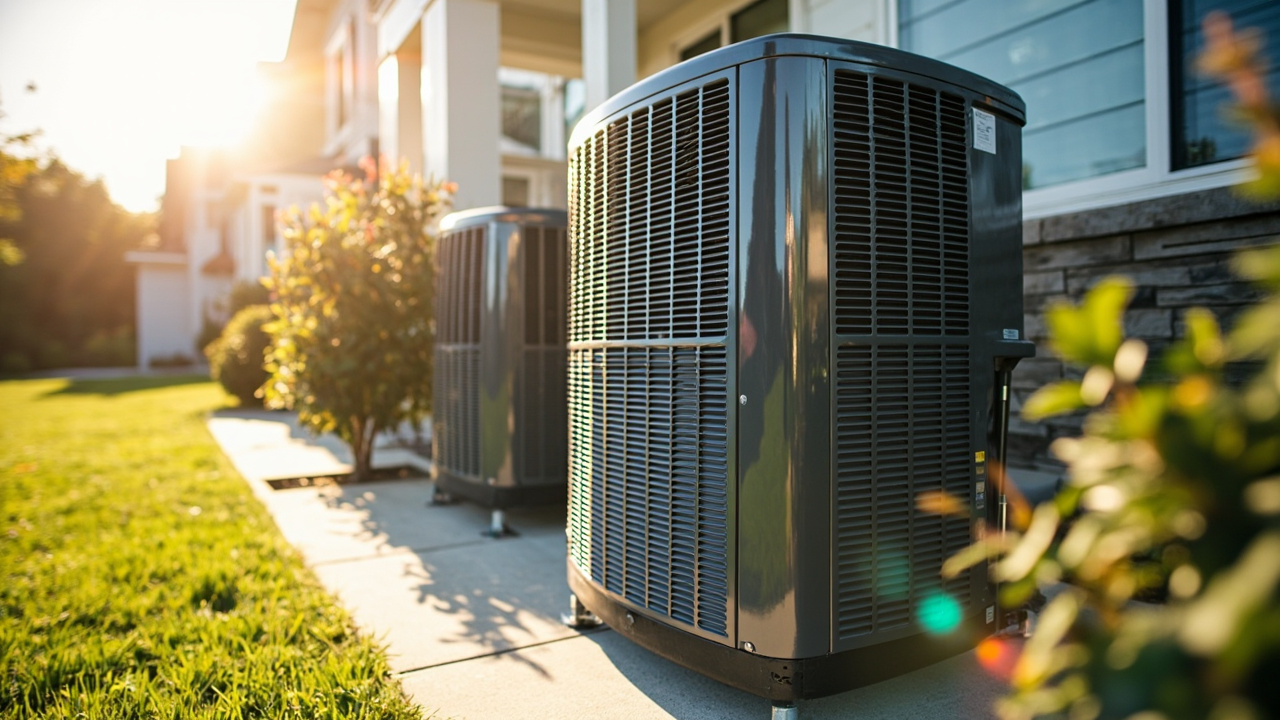

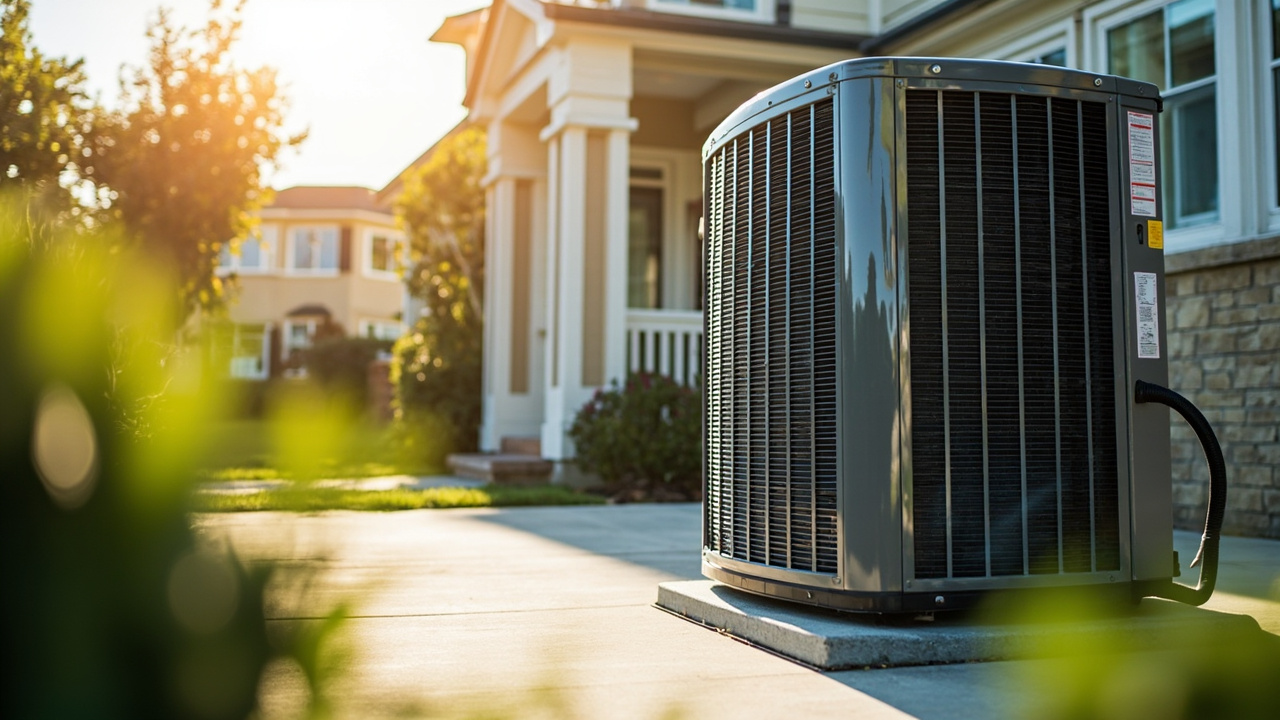
Riverside experiences some of the most extreme temperature swings in Southern California, with summer highs regularly exceeding 105 degrees and occasional winter lows dipping into the 30s. This wide temperature range demands HVAC systems capable of handling peak cooling loads that coastal areas never see. Undersized systems run continuously during heat waves, fail to dehumidify properly, and burn out compressors within years instead of decades. Proper load calculations account for Riverside's specific design temperatures, solar heat gain through west-facing windows, and attic radiant heat that can add several tons to your required cooling capacity. The 2026 HVAC replacement cost reflects this reality because correctly sized equipment for Riverside conditions costs more than the minimum systems adequate for milder climates.
Riverside's housing diversity also complicates system selection and pricing. Historic neighborhoods feature homes built before modern insulation standards, with single-pane windows and minimal attic insulation that increase cooling loads. Newer developments meet current Title 24 requirements but often have open floor plans that create temperature stratification without proper duct zoning. Local HVAC contractors who understand these variables provide more accurate pricing because they account for the actual challenges your specific property presents. Horizon HVAC Riverside has installed systems across every neighborhood from downtown's Victoria Avenue to the hillside communities in Woodcrest, and this experience allows us to price projects accurately based on real-world conditions rather than generic estimates that ignore local factors.