




Menifee sits in Riverside County's inland valley where summer temperatures regularly hit 95 to 105 degrees from June through September. Your HVAC system runs nearly nonstop during these months, pushing components to their limits. The fine desert dust that blankets neighborhoods from Sun City to Quail Valley clogs filters faster than in coastal areas. This dust infiltrates condenser coils and ductwork, forcing your system to work harder and consume more energy.
Winter brings a different challenge. When temperatures drop to the low 30s in December and January, residents near Audie Murphy Ranch and Heritage Lake rely on heating systems that often sit dormant most of the year. This seasonal cycling creates thermal stress on heat exchangers and ignition components. The temperature swings between seasons exceed 70 degrees, putting extreme demands on your equipment.
Local building codes require SEER ratings of at least 14 for new installations, but many older homes near Menifee Lakes still run systems from the early 2000s. These aging units struggle with efficiency losses and frequent breakdowns during peak demand. When your system fails in extreme heat or cold, it's not just uncomfortable. It's a safety concern for young children and elderly residents.
We've served Riverside County homes for years, learning exactly how desert heat and dust affect HVAC systems in communities like Menifee. Our technicians carry parts specific to the brands most common in your neighborhood because we've worked on hundreds of systems in developments from Sun City to Heritage Lake. When we arrive, we already know the typical failure points for your equipment model and climate zone.
Many HVAC companies dispatch from distant counties, adding hours to your wait time. We operate locally in Riverside County with response times measured in hours, not days. Our service vehicles stay stocked with capacitors, contactors, fan motors, and thermostats that fit the systems installed throughout Menifee subdivisions. This means we complete most repairs in a single visit instead of ordering parts and returning days later.
We don't upsell replacements when repairs make sense. Our diagnostic process identifies the root cause of failure, not just symptoms. If your compressor failed due to a clogged filter restriction, we explain the sequence of events so you understand what happened and how to prevent it. When replacement is necessary, we provide equipment options matched to your home's square footage, insulation quality, and duct configuration.
Our work comes with clear warranties on parts and labor. We follow Title 24 energy code requirements for all installations and pull proper permits with Riverside County building departments. You receive documentation that protects your home's value and ensures compliance if you sell.

We dispatch technicians within hours when your HVAC system fails during extreme heat or cold. Our trucks stay stocked with common repair parts for faster completion. You won't wait days in discomfort while your system sits broken. We prioritize emergencies affecting vulnerable family members.

Menifee's dust and heat create specific HVAC challenges we see daily. We understand how fine particulate matter damages coils and how thermal cycling stresses components. Our maintenance programs address the environmental factors unique to inland Riverside County, extending your system's lifespan through targeted preventive care.
We identify failure causes, not just symptoms. You receive a written diagnostic report explaining what failed, why it happened, and what repairs prevent recurrence. We photograph damaged components and show you exactly what we found. No surprise charges appear after work begins.
We operate from Riverside County, not distant regions. This proximity means faster response to your emergency and familiarity with local building codes and permit requirements. We've worked in your neighborhood and understand the HVAC systems common to Menifee developments built over the past two decades.
Horizon HVAC Riverside handles everything from emergency breakdowns to planned system replacements throughout Menifee. We repair all major brands including Carrier, Trane, Lennox, Rheem, and Goodman found in local homes. Our service range covers central air conditioning systems, heat pumps, gas furnaces, electric heating, and ductwork throughout your home.
We divide our services into three categories based on urgency and scope. Emergency repairs address immediate system failures threatening your comfort and safety. Maintenance services prevent breakdowns through scheduled inspections and cleaning. Installation projects replace aging equipment or add HVAC to new additions and remodels.
Each category requires different expertise and equipment. Emergency repairs demand diagnostic skills and stocked service vehicles. Maintenance requires attention to detail and knowledge of manufacturer specifications. Installations need load calculations, duct design, and permit coordination with Riverside County. We handle all three because comprehensive HVAC service means addressing whatever your home needs, from a failed capacitor to a complete system replacement.
Your air conditioner quit cooling or your heater stopped working. We dispatch quickly to diagnose the failure and restore operation. Our technicians carry common repair parts for compressors, fan motors, contactors, capacitors, and thermostats. We handle refrigerant leaks, electrical failures, and mechanical breakdowns affecting all system types. Most emergency repairs complete in one visit so you're not waiting days for parts to arrive while temperatures climb or drop.
Regular maintenance extends equipment life and prevents failures during peak demand. We clean condenser coils clogged with desert dust, replace filters, check refrigerant levels, test electrical connections, and lubricate moving parts. Our maintenance visits include combustion analysis on gas furnaces and heat exchanger inspection. We identify wear patterns before components fail, giving you time to budget for repairs instead of facing emergency replacements during the hottest week of summer.
Systems older than 15 years often cost more to repair than replace. We perform load calculations to size equipment correctly for your home's square footage and insulation. Our installations include duct modifications when needed, thermostat upgrades, and permit processing with Riverside County. We offer equipment options at different efficiency levels so you can balance upfront cost against long-term energy savings. All installations meet Title 24 energy code requirements and include manufacturer warranties.
Menifee's climate and housing stock create predictable HVAC challenges. The desert dust that blankets vehicles and patios also infiltrates your cooling system. Summer heat runs equipment constantly for months, accelerating wear on components. Many homes in developments built between 2000 and 2010 now face aging equipment reaching the end of its service life.
Your system's location matters too. Condenser units placed on south-facing walls absorb radiant heat from both sun and reflected stucco, reducing efficiency. Attic ductwork in homes near Sun City and Quail Valley heats up to 140 degrees in summer, adding thermal load before air reaches your rooms. These factors combine with deferred maintenance to create failures that could have been prevented.
We see the same issues repeatedly across Menifee neighborhoods. Recognizing these problems early saves money and prevents emergency breakdowns when you need cooling or heating most. These four issues account for most service calls we receive in your area.
Fine dust coats outdoor condenser coils, blocking airflow and forcing your system to work harder. This increases energy bills and causes premature compressor failure. Regular coil cleaning restores efficiency and prevents expensive damage. We see this problem in every Menifee neighborhood, especially during windy spring months when dust storms blanket the valley.
Capacitors start compressor and fan motors. Extreme heat degrades these components faster in desert climates. When capacitors fail, your outdoor unit won't start or will hum without running. We carry replacement capacitors sized for all common residential systems. This repair typically completes within an hour of our arrival at your home.
Systems older than ten years develop leaks in coils, line sets, or valve connections. Low refrigerant reduces cooling capacity and can damage compressors. We locate leaks using electronic detectors, repair the source, and recharge to manufacturer specifications. Simply adding refrigerant without fixing leaks wastes money and harms the environment through continued loss.
Faulty thermostats cause short cycling, incorrect temperatures, and system failures. Older mechanical thermostats drift out of calibration. We test thermostat operation, check wire connections, and verify temperature accuracy. Upgrading to programmable or smart thermostats improves comfort and reduces energy waste from heating or cooling empty homes during work hours.
We understand you're calling because something went wrong. Your home is too hot, too cold, or you heard concerning noises from your HVAC system. Our process focuses on fast diagnosis, clear communication, and permanent repairs that address root causes.
When you call, we ask specific questions about your system's behavior. Is the outdoor unit running? Does the thermostat display correctly? When did you last replace filters? These questions help us dispatch the right technician with appropriate parts. We provide arrival windows in hours, not vague all-day ranges.
Our technicians arrive in marked vehicles with your scheduled appointment confirmed. We show identification and explain our diagnostic process before starting work. You'll understand what we're checking and why each step matters. This transparency builds trust and helps you make informed decisions about repairs.
We answer your call promptly and schedule service based on urgency. Emergency breakdowns during extreme temperatures get same-day priority. Routine maintenance and non-emergency repairs schedule at your convenience. You receive confirmation with technician name and arrival window. We call ahead when we're 30 minutes away so you're not waiting around all day wondering when we'll arrive.
We test your system systematically to identify the actual problem, not just symptoms. Our diagnostic includes electrical measurements, refrigerant pressure checks, airflow testing, and component inspection. We explain what failed and what caused the failure. You receive a written estimate before we start repairs. We don't proceed without your approval, and we don't discover surprise problems halfway through that inflate your bill.
We replace failed components with quality parts backed by warranties. If your system failed due to maintenance neglect or environmental factors, we explain what changes prevent recurrence. You receive documentation of work performed, parts installed, and warranty coverage. We test system operation before leaving and verify temperatures meet expectations. Our goal is fixing your problem once, not returning repeatedly for the same issue.
We've streamlined HVAC service into three clear steps. This process works for emergency repairs, maintenance visits, and installation projects. You always know what happens next.
Call us at (951) 223-9644 to describe your HVAC problem or schedule maintenance. We ask targeted questions to understand your situation and dispatch an appropriate technician. Upon arrival, we perform systematic diagnosis to identify the root cause. You receive a clear explanation of what's wrong and a written estimate for repairs. We answer all questions before starting work.
Once you approve the estimate, we complete repairs using quality parts from our stocked vehicles. Most common repairs finish in one visit. For installations, we perform load calculations, obtain permits, and schedule work at your convenience. We protect your home with floor coverings and clean up all debris. Our work meets manufacturer specifications and local building codes.
We test system operation thoroughly before leaving your home. For cooling repairs, we verify temperature drop across the coil. For heating work, we check combustion efficiency and heat exchanger integrity. You receive documentation of work performed, parts installed, and warranty information. We follow up to ensure your system operates correctly and you're satisfied with results.
Menifee's inland valley climate creates unique demands on residential HVAC systems. California Title 24 energy standards require minimum SEER 14 efficiency for new installations, but older systems in your neighborhood often rate SEER 10 or lower. This efficiency gap costs hundreds of dollars annually in excess energy consumption.
Proper system sizing requires Manual J load calculations accounting for your home's square footage, insulation values, window area, and orientation. Many systems installed during Menifee's rapid growth were sized using rough square footage estimates rather than detailed calculations. Oversized equipment short cycles, failing to remove humidity and wearing out components faster. Undersized systems run continuously without reaching set temperatures.
Ductwork design significantly affects system performance. Ducts located in attics reach 140 degrees in summer, adding thermal load before air reaches living spaces. This location is common in single-story homes throughout Sun City and Heritage Lake. Proper duct sealing using mastic and metal tape prevents conditioned air loss. California requires duct testing to verify less than 6% leakage in new construction and major renovations.
Refrigerant charge must match manufacturer specifications exactly. Too little refrigerant reduces cooling capacity and can freeze evaporator coils. Excess refrigerant increases head pressure, causing compressor damage. We use digital manifolds and weigh refrigerant charges rather than relying on pressure readings alone. R-410A refrigerant used in newer systems requires different service procedures than older R-22 systems being phased out under EPA regulations.
Air filter selection balances filtration efficiency against airflow restriction. MERV 8 pleated filters capture dust without excessive pressure drop in standard residential systems. Higher MERV ratings require system modifications to handle increased resistance. We measure static pressure across filters to verify your system moves adequate airflow. The industry standard is 400 CFM per ton of cooling capacity.
Seasonal Energy Efficiency Ratio measures cooling output divided by energy input. Higher SEER ratings reduce operating costs but increase equipment price. California requires minimum SEER 14 for new systems. A SEER 16 system costs about 15% less to operate than SEER 14 in Menifee's climate with extended cooling seasons from May through October.
Equipment efficiency, brand selection, and installation complexity drive replacement costs. Two-stage and variable-speed systems cost more upfront but provide better humidity control and efficiency. Duct modifications, electrical upgrades, and permit fees add to total investment. Systems sized correctly through load calculations prevent paying for excess capacity you don't need.
Common repairs like capacitor replacement or thermostat installation complete in one to two hours. Refrigerant leak repairs require locating the leak, repairing it, and recharging the system, typically taking three to four hours. Compressor replacement or evaporator coil work requires four to eight hours. Complete system installations take one to two days depending on duct modifications needed.
Riverside County requires permits for system replacements, major repairs involving refrigerant, and ductwork modifications. Permits ensure work meets safety codes and energy standards. We handle permit applications, required inspections, and compliance documentation. This protects your home's value and prevents issues if you sell. Unpermitted work can complicate real estate transactions.
This video explains how Menifee's desert climate affects residential HVAC systems and what homeowners should know about maintenance and repair. Topics include the impact of extreme heat and dust on air conditioning components, common failure patterns in inland valley homes, and when to repair versus replace aging equipment. The video covers energy efficiency standards, proper system sizing, and preventive maintenance strategies for extending equipment life in harsh desert conditions.
Horizon HVAC Riverside serves all of Menifee's growing communities, from established neighborhoods near Sun City to newer developments around Audie Murphy Ranch. We know this area because we work here daily, responding to service calls across every corner of the city.
The Sun City area features many homes built in the 1990s and early 2000s, now facing aging HVAC equipment reaching 15 to 20 years of service life. These systems were installed when efficiency standards were lower, and many homeowners now consider upgrades to reduce summer cooling costs. We've replaced countless systems in this mature community where residents value reliability and clear communication about their options.
Heritage Lake and the neighborhoods surrounding it represent Menifee's mid-2000s growth. Homes here typically feature 1,600 to 2,400 square feet with HVAC systems sized for open floor plans and high ceilings. We frequently service these areas for maintenance and repairs on equipment now entering its second decade of operation. The proximity to the lake creates slightly different humidity patterns than areas further east, affecting system performance and maintenance needs.
Audie Murphy Ranch represents Menifee's newer construction, with homes built after 2010 featuring higher efficiency systems and improved duct design. However, new construction doesn't prevent problems. We respond to warranty repairs, thermostat issues, and installation defects in these neighborhoods. We also help homeowners understand their new systems and optimize settings for maximum comfort and efficiency.
The Quail Valley area sits in the northeast section of Menifee, where elevation changes create microclimates affecting HVAC performance. Homes on higher ground often experience stronger winds that stress outdoor equipment and increase dust infiltration. We account for these environmental factors when performing maintenance and recommending system modifications.
Routes 215 and 74 provide main access through Menifee, and we travel these corridors daily serving customers across the entire city. Our familiarity with local traffic patterns helps us provide accurate arrival estimates. Whether you're near the Menifee Lakes community in the southwest or the developments along Newport Road in the northeast, we reach you quickly when your system fails.
We also serve neighboring communities in southwest Riverside County. Residents of Canyon Lake, Lake Elsinore, and Wildomar receive the same fast response and expertise. This regional coverage means we understand HVAC challenges throughout the inland valley, not just isolated pockets.
The $5000 rule helps you decide between repair and replacement. If your HVAC system's age multiplied by the repair cost exceeds $5000, replacement is smarter. For example, a 12-year-old unit needing a $500 repair equals $6000, so replace it. This rule accounts for declining efficiency and future breakdowns. Menifee's hot summers and dust exposure accelerate wear on aging systems. A newer unit cuts energy bills and avoids repeat service calls. Talk to a local technician who understands Riverside County's climate demands before deciding. This guideline saves homeowners from throwing money at dying equipment.
Most HVAC jobs in Menifee range from minor repairs to full replacements. Simple fixes like capacitor replacement or refrigerant top-offs run lower, while compressor or evaporator coil repairs cost more. Full system replacements are the largest investment. Variables include your home's square footage, existing ductwork condition, and equipment efficiency rating. Menifee's desert climate and hard water affect component lifespan. Permits and load calculations add to labor costs. Get three written estimates from licensed contractors familiar with California Title 24 energy codes. Every home is different, so skip online averages and get an on-site assessment.
Installing AC in a 2000 square foot Menifee home depends on existing infrastructure. If you have ductwork, adding a central air system costs less than starting from scratch. Homes without ducts may need a complete HVAC installation or ductless mini-split systems. Your insulation quality, ceiling height, and sun exposure affect sizing requirements. Menifee's triple-digit summers demand proper load calculations to avoid undersized units. Single-zone versus multi-zone setups change pricing. Permit fees, electrical upgrades, and equipment efficiency ratings all factor in. Schedule a home evaluation to determine the right tonnage and system type for your specific layout.
The $5000 rule helps you decide between repair and replacement. If your HVAC system's age multiplied by the repair cost exceeds $5000, replacement is smarter. For example, a 12-year-old unit needing a $500 repair equals $6000, so replace it. This rule accounts for declining efficiency and future breakdowns. Menifee's hot summers and dust exposure accelerate wear on aging systems. A newer unit cuts energy bills and avoids repeat service calls. Talk to a local technician who understands Riverside County's climate demands before deciding. This guideline saves homeowners from throwing money at dying equipment.
Most HVAC jobs in Menifee range from minor repairs to full replacements. Simple fixes like capacitor replacement or refrigerant top-offs run lower, while compressor or evaporator coil repairs cost more. Full system replacements are the largest investment. Variables include your home's square footage, existing ductwork condition, and equipment efficiency rating. Menifee's desert climate and hard water affect component lifespan. Permits and load calculations add to labor costs. Get three written estimates from licensed contractors familiar with California Title 24 energy codes. Every home is different, so skip online averages and get an on-site assessment.
Installing AC in a 2000 square foot Menifee home depends on existing infrastructure. If you have ductwork, adding a central air system costs less than starting from scratch. Homes without ducts may need a complete HVAC installation or ductless mini-split systems. Your insulation quality, ceiling height, and sun exposure affect sizing requirements. Menifee's triple-digit summers demand proper load calculations to avoid undersized units. Single-zone versus multi-zone setups change pricing. Permit fees, electrical upgrades, and equipment efficiency ratings all factor in. Schedule a home evaluation to determine the right tonnage and system type for your specific layout.
The 3-minute rule prevents compressor damage after shutdown. When you turn off your AC, refrigerant pressure must equalize between the high and low sides before restarting. Restarting too soon forces the compressor to work against unbalanced pressure, causing overheating and premature failure. Most modern thermostats include built-in time delays for this reason. In Menifee's heat, homeowners frequently adjust thermostats, which can trigger short cycling without this protection. If your system lacks a delay, wait three full minutes between shutdowns and restarts. This simple habit extends equipment life and prevents expensive compressor replacements.
A 4000 square foot home in Menifee needs a larger capacity system, typically 4 to 5 tons. Costs vary based on efficiency rating, brand, and installation complexity. Two-story homes require zoning for comfort and efficiency. Your existing ductwork may need modifications or replacement to handle increased airflow. Menifee's temperature swings and dust require robust filtration and staging. High-efficiency variable-speed systems cost more upfront but dramatically cut energy bills over time. Expect permits, crane rentals for rooftop units, and electrical panel upgrades to factor in. Get detailed load calculations from a qualified contractor before committing.
Yes, but with specific conditions. The Inflation Reduction Act extended tax credits for high-efficiency HVAC systems through 2032. You can claim up to 30 percent of installation costs, capped at $1200 for qualifying equipment and $2000 total including labor. Your new system must meet efficiency thresholds like 16 SEER2 for central air or ENERGY STAR certification. Menifee homeowners benefit from both federal credits and occasional local utility rebates. Keep all receipts and manufacturer certifications for tax filing. Consult a tax professional to verify eligibility based on your specific installation and equipment. Rules change annually.
HVAC systems in Menifee last 12 to 18 years with proper maintenance. Desert heat, dust, and hard water accelerate wear compared to milder climates. Furnaces often outlast air conditioners because they run fewer hours annually. Variables include installation quality, thermostat management, and filter changes. Systems running year-round in Menifee's extreme temperatures age faster. Refrigerant leaks, compressor failure, and heat exchanger cracks signal end of life. Annual tune-ups catch problems early and maximize lifespan. If your system is over 12 years old and needs major repairs, replacement usually makes more financial sense than patching aging equipment.
Menifee HVAC systems frequently need capacitor replacements, refrigerant recharges, and thermostat repairs. Dust clogs filters and coils, reducing airflow and efficiency. Hard water damages evaporator coils and drain lines. Contactor failure prevents compressor startup. Blower motor issues cause weak airflow or strange noises. Ductwork leaks waste conditioned air in attics. Refrigerant leaks stem from vibration and corrosion. Ignition problems affect gas furnaces during winter months. Many repairs are preventable with seasonal maintenance. Catching small issues early stops them from becoming expensive emergencies. Schedule pre-season inspections before summer and winter to avoid breakdowns during peak demand.
New HVAC systems in Menifee vary by size, efficiency, and complexity. A basic single-stage system for an average home costs less than a variable-speed model with zoning. Higher SEER ratings increase upfront investment but lower monthly bills. Installation factors include ductwork condition, electrical upgrades, and permit fees. Menifee's climate justifies investing in efficiency. Financing options make upgrades manageable. Get multiple quotes from licensed contractors who perform Manual J load calculations. Avoid the cheapest bid, as poor installation ruins even premium equipment. Focus on total value, warranty coverage, and contractor reputation over initial price alone.
16 SEER beats 13 SEER for Menifee homes. Higher efficiency cuts energy bills during long cooling seasons. A 16 SEER unit uses roughly 23 percent less electricity than 13 SEER, paying back the difference within years. Menifee's summer heat means your AC runs constantly, magnifying savings. Rebates and tax credits offset higher upfront costs. 16 SEER systems often include better humidity control and quieter operation. California energy codes push toward higher efficiency standards. If you plan to stay in your home long-term, 16 SEER or higher makes financial sense. Calculate payback based on your actual usage patterns.
The 3-minute rule prevents compressor damage after shutdown. When you turn off your AC, refrigerant pressure must equalize between the high and low sides before restarting. Restarting too soon forces the compressor to work against unbalanced pressure, causing overheating and premature failure. Most modern thermostats include built-in time delays for this reason. In Menifee's heat, homeowners frequently adjust thermostats, which can trigger short cycling without this protection. If your system lacks a delay, wait three full minutes between shutdowns and restarts. This simple habit extends equipment life and prevents expensive compressor replacements.
A 4000 square foot home in Menifee needs a larger capacity system, typically 4 to 5 tons. Costs vary based on efficiency rating, brand, and installation complexity. Two-story homes require zoning for comfort and efficiency. Your existing ductwork may need modifications or replacement to handle increased airflow. Menifee's temperature swings and dust require robust filtration and staging. High-efficiency variable-speed systems cost more upfront but dramatically cut energy bills over time. Expect permits, crane rentals for rooftop units, and electrical panel upgrades to factor in. Get detailed load calculations from a qualified contractor before committing.
Yes, but with specific conditions. The Inflation Reduction Act extended tax credits for high-efficiency HVAC systems through 2032. You can claim up to 30 percent of installation costs, capped at $1200 for qualifying equipment and $2000 total including labor. Your new system must meet efficiency thresholds like 16 SEER2 for central air or ENERGY STAR certification. Menifee homeowners benefit from both federal credits and occasional local utility rebates. Keep all receipts and manufacturer certifications for tax filing. Consult a tax professional to verify eligibility based on your specific installation and equipment. Rules change annually.
HVAC systems in Menifee last 12 to 18 years with proper maintenance. Desert heat, dust, and hard water accelerate wear compared to milder climates. Furnaces often outlast air conditioners because they run fewer hours annually. Variables include installation quality, thermostat management, and filter changes. Systems running year-round in Menifee's extreme temperatures age faster. Refrigerant leaks, compressor failure, and heat exchanger cracks signal end of life. Annual tune-ups catch problems early and maximize lifespan. If your system is over 12 years old and needs major repairs, replacement usually makes more financial sense than patching aging equipment.
Menifee HVAC systems frequently need capacitor replacements, refrigerant recharges, and thermostat repairs. Dust clogs filters and coils, reducing airflow and efficiency. Hard water damages evaporator coils and drain lines. Contactor failure prevents compressor startup. Blower motor issues cause weak airflow or strange noises. Ductwork leaks waste conditioned air in attics. Refrigerant leaks stem from vibration and corrosion. Ignition problems affect gas furnaces during winter months. Many repairs are preventable with seasonal maintenance. Catching small issues early stops them from becoming expensive emergencies. Schedule pre-season inspections before summer and winter to avoid breakdowns during peak demand.
New HVAC systems in Menifee vary by size, efficiency, and complexity. A basic single-stage system for an average home costs less than a variable-speed model with zoning. Higher SEER ratings increase upfront investment but lower monthly bills. Installation factors include ductwork condition, electrical upgrades, and permit fees. Menifee's climate justifies investing in efficiency. Financing options make upgrades manageable. Get multiple quotes from licensed contractors who perform Manual J load calculations. Avoid the cheapest bid, as poor installation ruins even premium equipment. Focus on total value, warranty coverage, and contractor reputation over initial price alone.
16 SEER beats 13 SEER for Menifee homes. Higher efficiency cuts energy bills during long cooling seasons. A 16 SEER unit uses roughly 23 percent less electricity than 13 SEER, paying back the difference within years. Menifee's summer heat means your AC runs constantly, magnifying savings. Rebates and tax credits offset higher upfront costs. 16 SEER systems often include better humidity control and quieter operation. California energy codes push toward higher efficiency standards. If you plan to stay in your home long-term, 16 SEER or higher makes financial sense. Calculate payback based on your actual usage patterns.
We invite you to explore our service area and see where Horizon HVAC proudly delivers exceptional heating and cooling solutions. While our physical location serves as our hub, our dedicated team extends its expert services across the entire region, bringing unparalleled comfort and air quality directly to your doorstep, whether for residential or commercial needs, ensuring we’re always within reach for your HVAC requirements.
Address:
Menifee, CA, 92584

Understanding the 2026 Riverside Energy Standards for New Home Additions\nBuilding a home addition in Riverside in 2026 means navigating new energy efficiency requirements that will directly impact your HVAC system costs and specifications. The 2025…
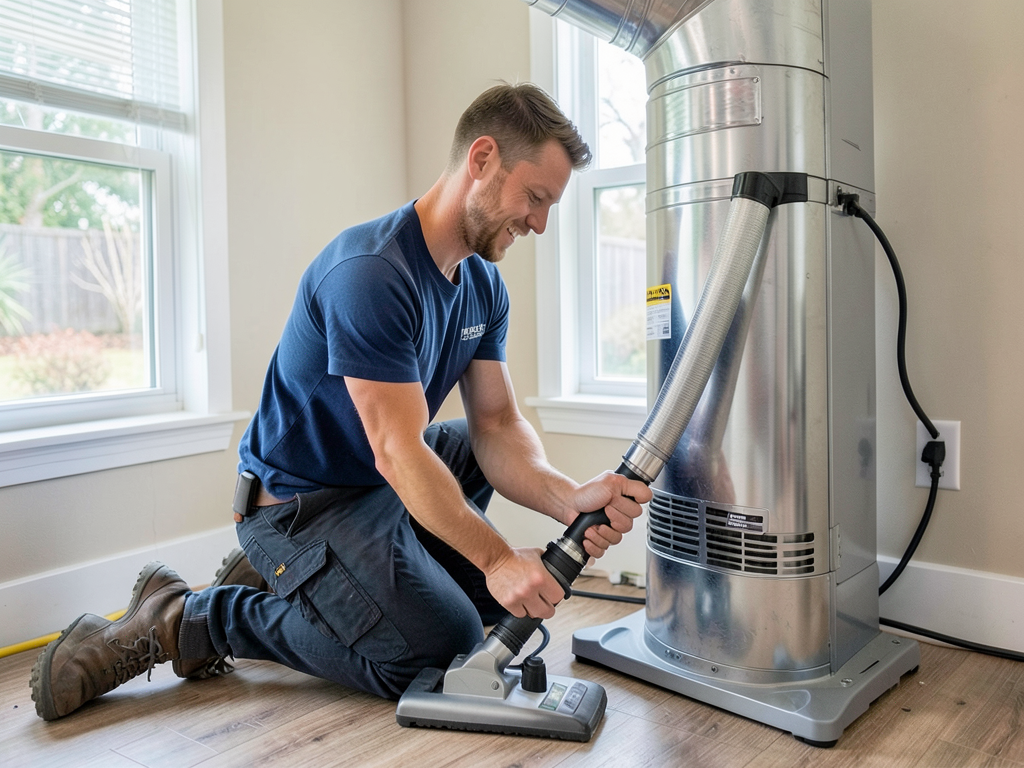
Eliminating Deep Set Pet Odors from Your Riverside Air Ducts for Good If you live…
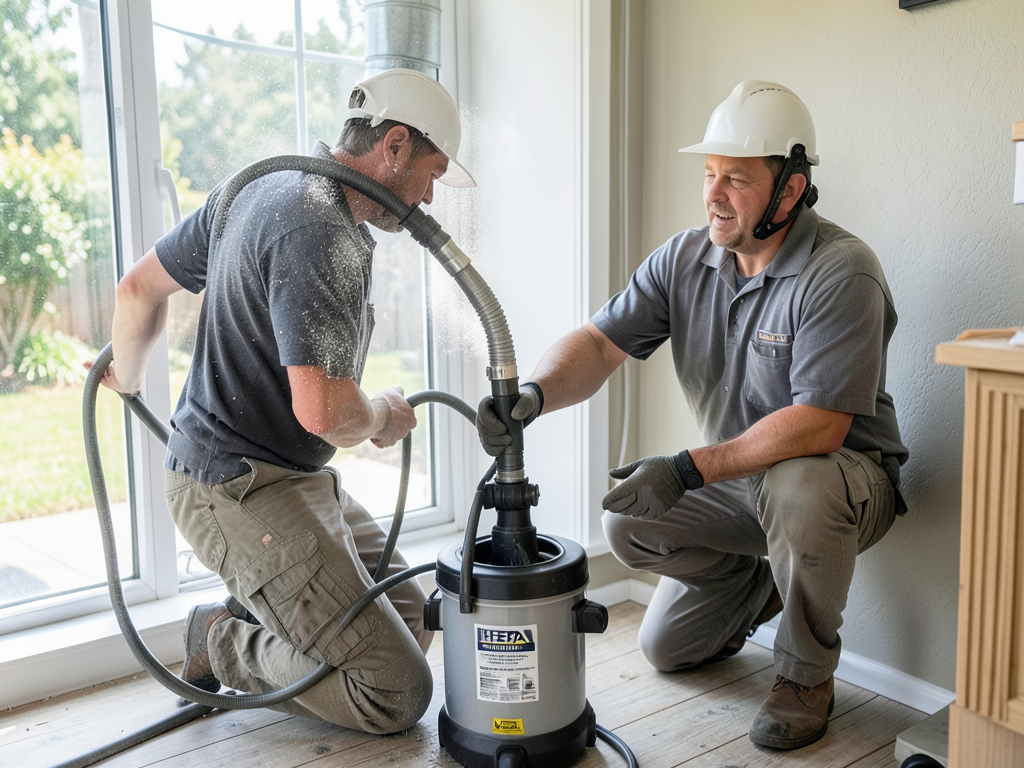
Eliminating Deep Set Pet Odors from Your Riverside Air Ducts for Good Living with pets…
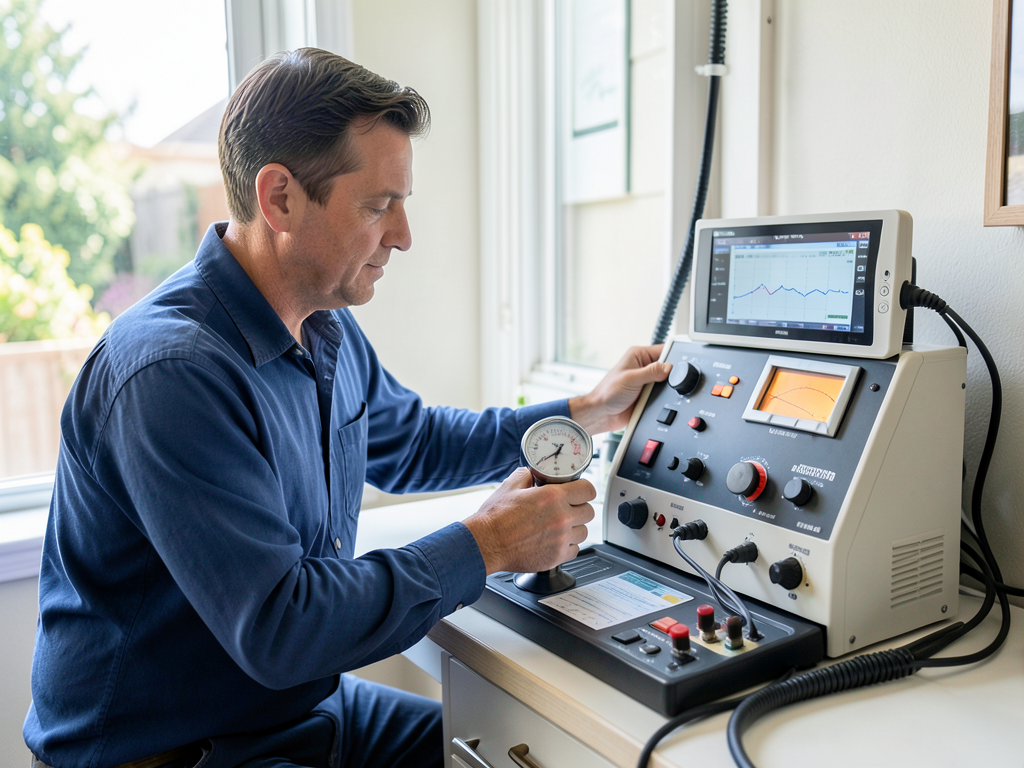
Why Your Riverside Range Hood and Bathroom Fans Affect Your AC Efficiency Your Riverside kitchen…
Your comfort can't wait when temperatures hit extremes. Call Horizon HVAC Riverside at (951) 223-9644 now for same-day emergency service or to schedule maintenance. We'll dispatch a technician quickly to diagnose your problem and restore your system.