




Menu

Short Cycling in Riverside – Fast Diagnosis and Permanent Repair of HVAC Rapid Cycling Issues

When your AC or furnace kicks on and off repeatedly, you need expert troubleshooting that identifies the root cause. Peak HVAC Tampa provides comprehensive short cycling diagnostics and repairs throughout Riverside to restore efficient operation and prevent equipment failure.

Slider Image 1
Slider Image 2
Slider Image 3
Slider Image 4
Slider Image 5
Slider Image 7
Slider Image 8
Slider Image 9
Slider Image 10
Slider Image 11

Why Your System Keeps Kicking On and Off in Riverside

You hear the click. The system rumbles to life. Then silence. Thirty seconds later, it happens again. Your air conditioner or furnace is stuck in a maddening loop, turning on and off repeatedly without completing a full cycle.

This is short cycling, and it is destroying your equipment.

In Riverside, the combination of intense summer heat and sudden temperature swings puts massive stress on cooling systems. When your AC short cycles during a 95-degree afternoon, the compressor endures repeated startup strain. Each startup draws five to seven times more electricity than normal operation. Over weeks, this damages the compressor, burns out the contactor, and shreds your electric bill.

Furnace short cycling creates different problems but equal damage. When your heating system fires up, runs for two minutes, then shuts down, combustion chambers overheat. Heat exchangers crack. Igniters fail prematurely. The system never reaches the thermostat setpoint, leaving you cold and frustrated.

HVAC rapid cycling has specific causes. A refrigerant leak creates pressure imbalances that trigger safety shutoffs. An oversized system cools or heats too quickly, satisfying the thermostat before proper air circulation occurs. A failing thermostat sends erratic signals. Dirty coils cause the system to overheat and shut down.

The fix is not a guess. Short cycling requires systematic diagnosis. Watching your system kick on and off tells you nothing about whether the problem is electrical, mechanical, or related to airflow restriction. You need a technician who understands pressure readings, amp draws, and sequence of operation.

Ignoring the problem accelerates equipment death. Compressors fail. Blower motors burn out. You face a full system replacement instead of a targeted repair.

Why Your System Keeps Kicking On and Off in Riverside
How We Diagnose and Fix AC Turning On and Off Repeatedly

How We Diagnose and Fix AC Turning On and Off Repeatedly

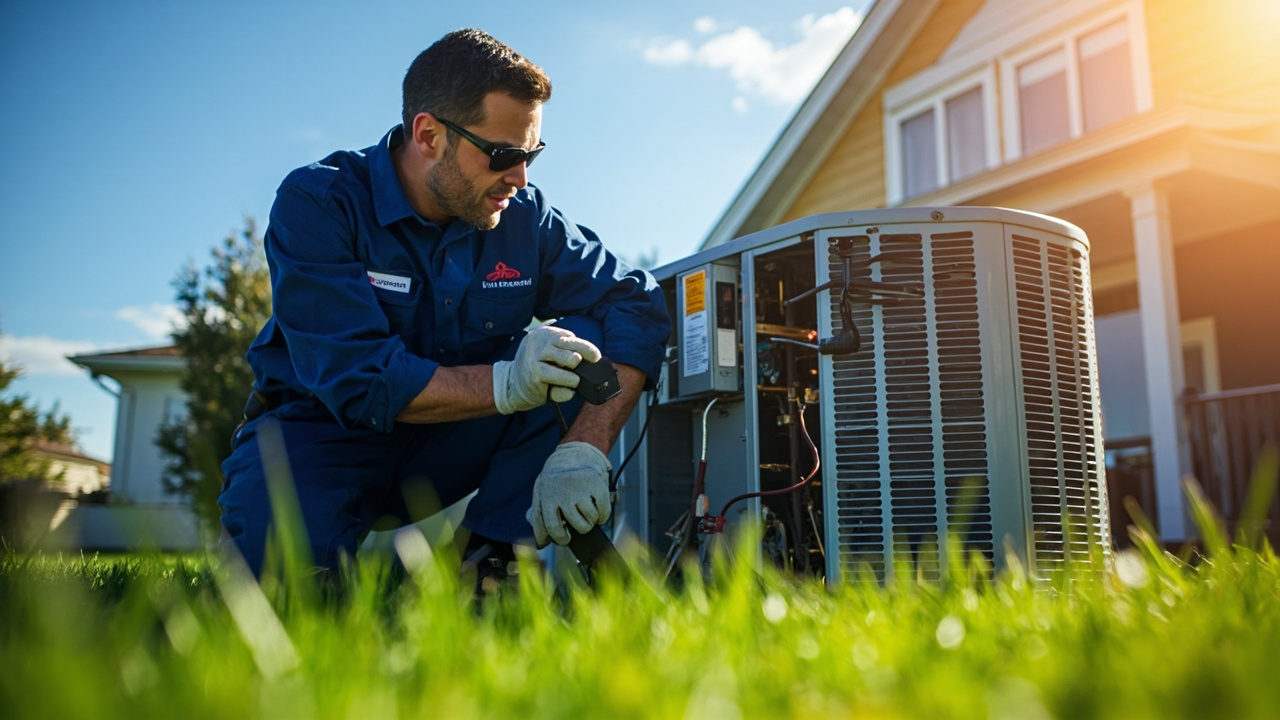
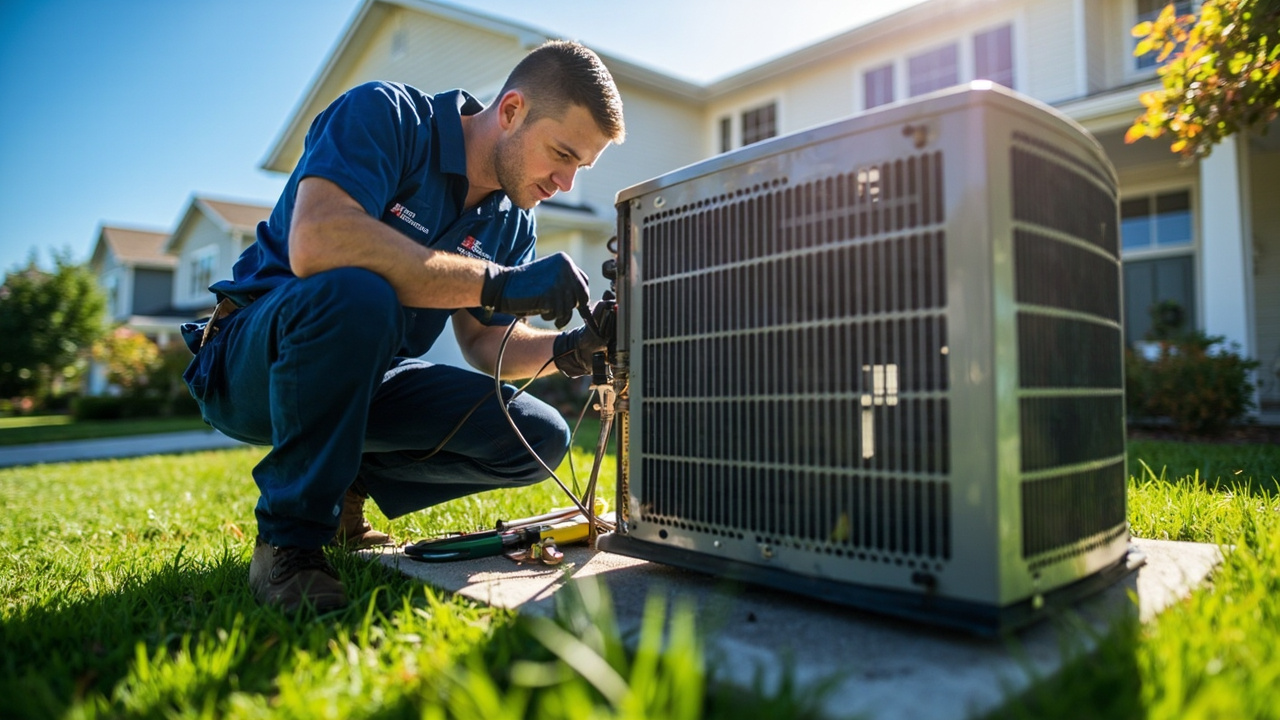
Short cycling diagnosis follows a specific protocol. We do not guess. We measure.

First, we verify the symptom under live conditions. We watch the system operate through multiple cycles, timing the run duration and off duration. True short cycling shows run times under three minutes for AC, under two minutes for furnaces. This distinguishes it from normal cycling or thermostat issues.

Next, we check thermostat operation and placement. A thermostat installed near a heat source or in direct sunlight sends false temperature readings. The system satisfies the fake reading quickly, then shuts off. We verify the thermostat is level, clean, and located in a representative area of the home.

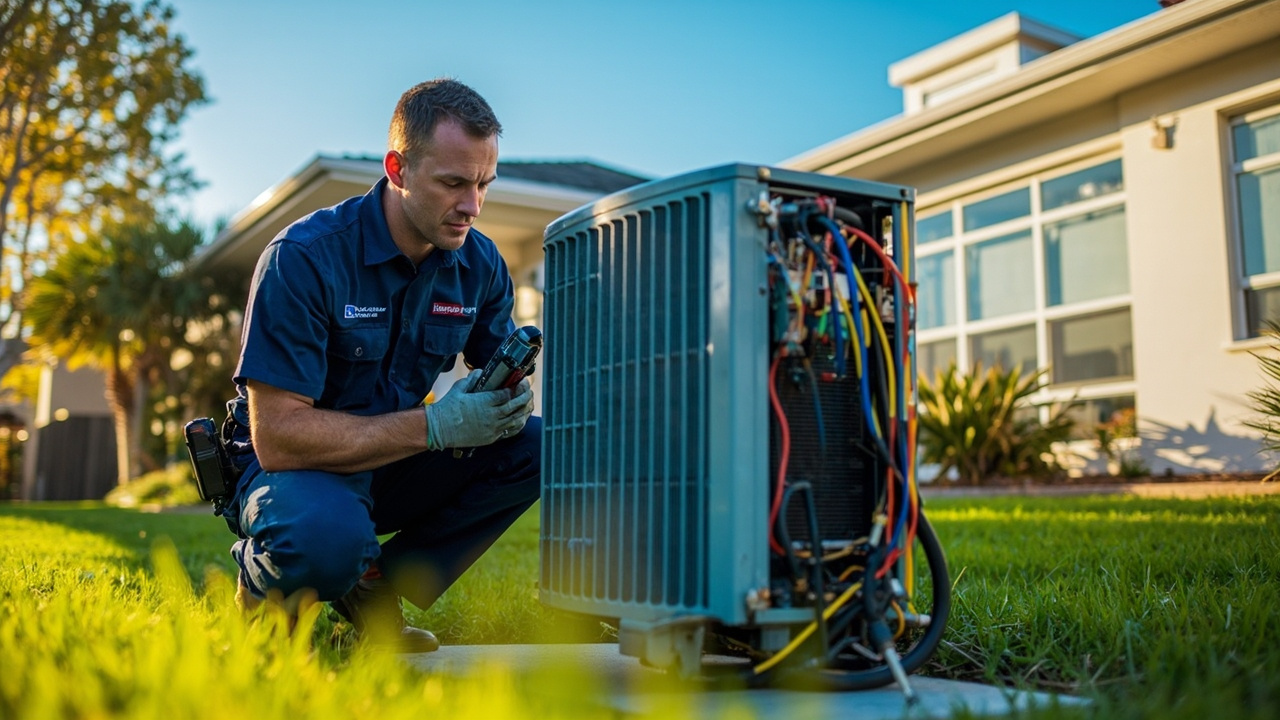
We measure refrigerant pressures on both the high and low sides. Low refrigerant causes low suction pressure, which triggers the low-pressure safety switch. The system shuts down, pressures equalize, and the system restarts. This cycle repeats endlessly. We use manifold gauges to compare actual pressures against manufacturer specifications for the current outdoor temperature.

Airflow measurement comes next. We check filter condition, ductwork restrictions, and evaporator coil cleanliness. Restricted airflow causes the evaporator to freeze or the system to overheat. Both trigger safety shutoffs. We measure temperature split across the coil to verify adequate air movement.

For furnaces, we test the flame sensor. A dirty or failing flame sensor cannot confirm ignition, so the system shuts down as a safety measure. This creates the classic on-off-on-off pattern. We measure microamps across the sensor to determine if it meets minimum threshold.

We also evaluate system sizing. An oversized unit reaches setpoint too quickly, never running long enough to dehumidify or distribute conditioned air properly. This requires load calculation verification, not equipment replacement.

After identifying the root cause, we execute the specific repair. Refrigerant leaks get located and sealed before recharge. Failed components get replaced with OEM parts. Oversized systems may need multi-stage controls or zoning modifications.

What Happens During Your Short Cycling Repair Visit

Short Cycling in Riverside – Fast Diagnosis and Permanent Repair of HVAC Rapid Cycling Issues
01

System Performance Analysis

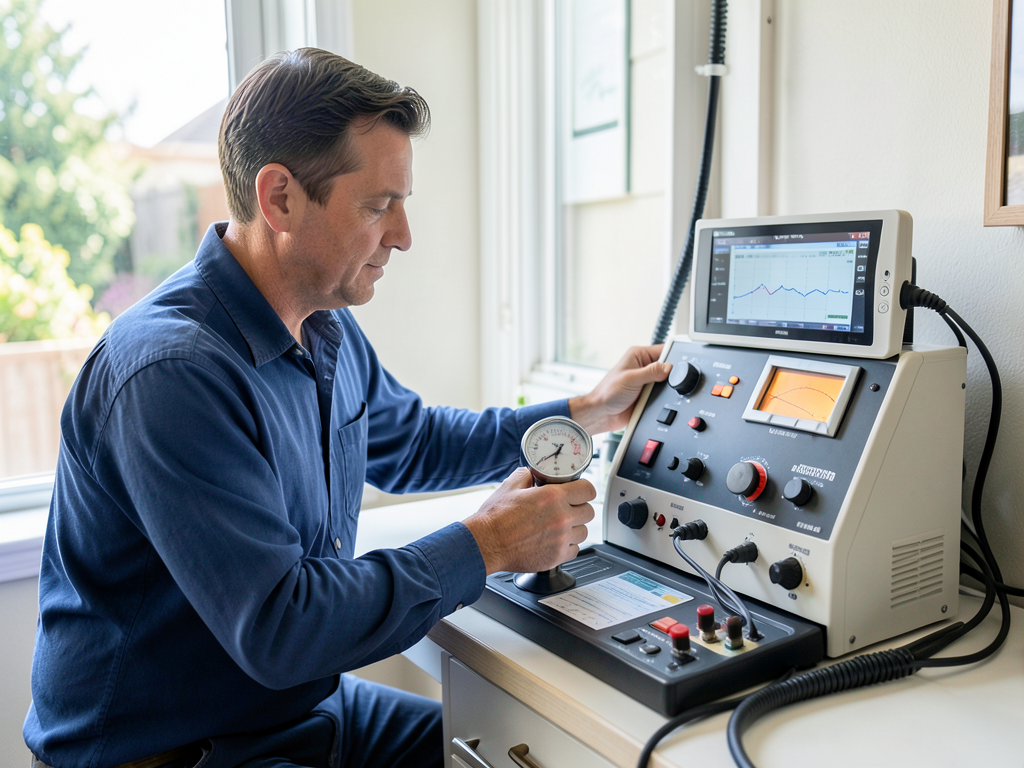
Our technician monitors your system through multiple on-off cycles, recording exact run times, temperatures, and electrical draws. We use digital manifold gauges to measure refrigerant pressures and amperage clamps to verify compressor and blower motor operation. This data reveals whether your air conditioner short cycle stems from mechanical failure, refrigerant issues, or control problems. We also inspect thermostat wiring and calibration to eliminate false cycling triggers.
02

Root Cause Identification

After collecting performance data, we isolate the specific component or condition causing HVAC rapid cycling. This might be a refrigerant leak that drops suction pressure below the safety threshold, a failing contactor that chatters open and closed, or a frozen evaporator coil from restricted airflow. We verify our diagnosis with secondary tests to confirm the repair path. You receive a clear explanation of what failed, why it causes the system to kick on and off, and what the repair involves.
03

Repair and Verification

We execute the targeted repair, whether that means sealing a refrigerant leak and recharging the system, replacing a failed capacitor, cleaning a dirty flame sensor, or recalibrating the thermostat. After the repair, we run the system through extended cycles to verify it maintains steady operation without premature shutoffs. We measure final temperatures, pressures, and electrical values to confirm all parameters fall within manufacturer specifications. Your system runs through complete cycles without the frustrating on-off pattern.

Why Riverside Homeowners Choose Peak HVAC Tampa for Short Cycling Repairs

Short cycling diagnosis requires experience with the specific failure modes that plague equipment in Riverside's climate. We see how the combination of high cooling loads and poor attic ventilation accelerates capacitor failure. We know how dust intrusion from nearby construction sites clogs evaporator coils. We understand how voltage fluctuations from an aging grid cause contactor chatter.

Generic troubleshooting fails because it treats every system the same. A technician who memorized a flowchart but never diagnosed a low refrigerant condition under load will miss the subtle pressure drop that causes intermittent cycling. Someone who has never traced a wiring fault in a dual-fuel system will waste your time replacing parts that are not broken.

We carry diagnostic equipment that most companies skip. Our digital manifold sets display real-time pressure changes during system operation, revealing problems that static readings hide. Our amp clamps measure inrush current to identify failing compressors before they seize. Our combustion analyzers verify proper flame characteristics when diagnosing furnace short cycling.

Parts quality determines repair longevity. We install OEM capacitors rated for Riverside's temperature extremes, not generic components that fail in six months. Our contactors use silver alloy contacts that resist pitting. Our thermostats include adaptive recovery algorithms that prevent false cycling.

We also recognize when short cycling indicates a bigger problem. If your system is grossly oversized for your home, simple repairs will not solve the fundamental issue. We provide honest assessments about whether your equipment can be optimized or whether replacement makes economic sense.

Our service trucks stock the components that commonly fail in Riverside systems. Capacitors in multiple ratings. Contactors for major brands. Flame sensors for popular furnace models. This means same-day repairs instead of waiting for parts orders.

We explain what we find in plain language. You learn why your system kicks on and off, what component failed, and what happens if you delay the repair. No pressure tactics. Just information that lets you make the right decision for your home.

What to Expect During Short Cycling Diagnosis and Repair

Same-Day Availability

Most short cycling diagnostics happen within 24 hours of your call. We maintain open appointment slots specifically for homeowners dealing with systems that turn on and off repeatedly. Our technicians arrive in a two-hour window, fully equipped with diagnostic tools and common repair parts. For urgent situations where your system is damaging itself with constant cycling, we prioritize your appointment. Morning calls typically get same-afternoon service. You are not waiting three days while your compressor destroys itself.

Comprehensive System Evaluation

Short cycling diagnosis takes 45 to 90 minutes because we test every potential cause. Our technician checks refrigerant charge, electrical components, airflow, thermostat operation, and safety controls. We run the system under load while monitoring voltages, amperage, and pressures. You receive a written diagnostic report that identifies the specific failure and explains how it causes the on-off cycling. This is not a visual inspection. This is technical analysis using calibrated instruments to measure actual system performance against design specifications.

Permanent Resolution

Our repairs target the root cause, not the symptom. If your system short cycles because of a refrigerant leak, we locate and repair the leak before adding refrigerant. If a failing capacitor causes the compressor to drop out prematurely, we install a new capacitor rated for your specific equipment. If restricted airflow triggers high-pressure shutoffs, we address the restriction. After the repair, we verify the system completes full cycles without interruption. We run multiple heating or cooling cycles to confirm stable operation before we leave your property.

Follow-Up and Prevention

After resolving your short cycling issue, we provide guidance on preventing recurrence. Some causes require ongoing attention. Refrigerant leaks may indicate coil deterioration that needs monitoring. Dirty coils suggest inadequate filtration that needs upgrading. Oversized equipment may benefit from staging controls or zone modifications. We offer maintenance plans that include the inspections and cleanings that prevent the conditions that cause short cycling. Our plans include priority scheduling if problems develop, ensuring you never wait days for service when your system starts acting up again.

Frequently Asked Questions

You Have Questions,
We Have Answers

What is the most common cause of short cycling? +

The most common cause of short cycling is a refrigerant leak or low refrigerant charge. When your system loses refrigerant, the compressor reaches the cut-off temperature too quickly and shuts down prematurely. In Riverside's hot, dry climate, this problem accelerates because your AC runs harder and longer to combat the heat. Other frequent culprits include oversized equipment, which cools your space too fast, dirty evaporator coils, and faulty pressure switches. A malfunctioning thermostat or clogged air filter can also trigger the issue. Professional diagnosis is critical because refrigerant leaks require EPA-certified handling and proper repair.

How do you fix short cycling? +

Fixing short cycling starts with professional diagnosis to identify the root cause. A technician will check refrigerant levels, inspect electrical components, test the thermostat, and examine airflow. If refrigerant is low, they'll locate and repair the leak, then recharge the system to manufacturer specifications. Dirty coils need cleaning, clogged filters require replacement, and oversized units may need replacement with properly sized equipment. In Riverside's extreme summer heat, you cannot afford to delay this repair. Short cycling destroys compressors, spikes your energy bills, and leaves your home uncomfortable when you need cooling most. Get a licensed HVAC technician to fix it right.

What is the definition of short cycling? +

Short cycling is when your air conditioner or heat pump turns on and off in rapid succession, running for only a few minutes before shutting down, then restarting shortly after. A normal cooling cycle should run 10 to 15 minutes. Short cycling means your system completes only two to three minutes before the compressor shuts off. This abnormal operation prevents your home from reaching the set temperature, wastes energy, and puts extreme mechanical stress on the compressor. Think of it like constantly starting and stopping your car in traffic. The wear and tear damages components faster than steady operation. You need professional service immediately.

How to tell if HVAC is short cycling? +

You can tell your HVAC is short cycling by timing the compressor run cycles. Stand near your outdoor unit and use your phone's timer. If the compressor runs for less than five minutes before shutting off, then restarts within a few minutes, you have short cycling. You'll also notice your home never reaches the thermostat setting, your energy bills spike unexpectedly, and you hear the outdoor unit constantly starting and stopping throughout the day. In Riverside's brutal summer heat, this constant on-off pattern is obvious because your house stays warm despite the system running nonstop. Check your thermostat display for frequent temperature swings.

What does short cycling look like? +

Short cycling looks like your outdoor condensing unit repeatedly starting and stopping every few minutes instead of running steady 10 to 15 minute cycles. You'll hear the compressor kick on with a hum, run briefly, then shut off abruptly. Within minutes, it fires up again. Your indoor vents blow cool air in short bursts rather than consistent airflow. The thermostat may show the system is on, but the temperature never drops to your setting. In Riverside homes, you'll notice this pattern most during afternoon heat when your AC should be running longer, steady cycles to combat temperatures exceeding 100 degrees.

What is the $5000 AC rule? +

The 5000 dollar AC rule is an informal guideline some homeowners use to decide between repairing or replacing a failing air conditioner. You multiply the age of your unit by the repair cost. If the result exceeds 5000, replacement may be smarter than repair. For example, a 12-year-old unit needing a 500 dollar repair equals 6000, suggesting replacement. However, this rule oversimplifies the decision. In Riverside's climate, you must consider efficiency improvements, refrigerant type, and remaining lifespan. A qualified HVAC contractor can provide a proper cost-benefit analysis based on your specific system and usage patterns rather than relying on arbitrary math.

Can a dirty air filter cause short cycling? +

Yes, a dirty air filter can absolutely cause short cycling. When your filter clogs with dust, pet hair, and debris, it restricts airflow across the evaporator coil. Reduced airflow causes the coil to freeze, triggering the system's safety switch to shut down prematurely. Once the ice melts, the system restarts, only to freeze again. This cycle repeats constantly. In Riverside's dusty conditions, especially during Santa Ana wind events, filters clog faster than in other climates. Check your filter monthly and replace it every 30 to 60 days. This simple five dollar fix can prevent a 500 dollar compressor repair.

What is the 3 minute rule for AC? +

The three minute rule for AC is a built-in compressor protection timer that prevents the unit from restarting immediately after shutdown. When your system cycles off, the compressor needs three to five minutes for refrigerant pressures to equalize before safely restarting. Attempting to restart sooner can damage the compressor. If you manually turn your thermostat off then back on quickly, the system will delay startup. This delay is normal and protects your equipment. If your system is short cycling and ignoring this protection timer, you have a serious electrical or control board problem that requires immediate professional repair to prevent compressor failure.

Why is my AC set to 72 but reads 78? +

If your AC is set to 72 but reads 78, you have either a cooling capacity problem or a thermostat issue. Short cycling is a common culprit because the system shuts off before completing a full cooling cycle. Low refrigerant, dirty coils, or undersized ductwork can also prevent your system from achieving the set temperature. In Riverside's extreme heat, your AC may simply lack the capacity to overcome the outdoor temperature, especially if your home has poor insulation or significant air leaks. A load calculation and system inspection will identify whether you need repairs, equipment upgrades, or home envelope improvements to reach your comfort goals.

Can a bad thermostat cause short cycling? +

Yes, a bad thermostat can cause short cycling. If the thermostat's temperature sensor is malfunctioning, it may read the room temperature incorrectly and signal the system to shut off prematurely. A thermostat located in direct sunlight, near heat sources, or in a draft will give false readings that trigger rapid cycling. Loose wiring, dying batteries, or outdated mercury switch thermostats can also create erratic cycling patterns. In Riverside homes, thermostats mounted on west-facing walls often read higher than actual room temperature due to afternoon sun exposure. Relocating or replacing your thermostat may solve the problem without expensive equipment repairs.

How Riverside's Temperature Swings and Aging HVAC Systems Create Short Cycling Problems

Riverside experiences dramatic temperature shifts between morning lows and afternoon highs, particularly during spring and fall. A 40-degree swing between dawn and midday forces your HVAC system through rapid temperature changes that stress components. Systems installed in the early 2000s lack the adaptive controls that modern equipment uses to handle these transitions. The result is short cycling as older thermostats and mechanical controls struggle to maintain steady operation. Add in the thermal mass of concrete slab foundations common to Riverside construction, and you create lag between actual indoor conditions and thermostat readings. The system overshoots, then shuts down, then restarts.

Riverside building codes require specific refrigerant handling procedures and electrical standards for HVAC repairs. Technicians who operate outside the city limits often lack familiarity with local inspection requirements and permit procedures for major component replacements. When your short cycling repair involves refrigerant recovery or electrical work, local code compliance matters. We maintain relationships with Riverside building inspectors and understand the documentation required for refrigerant tracking. Our repairs meet county standards, protecting you from compliance issues if you sell your home or file an insurance claim related to HVAC failure.
HVAC Services in The Riverside Area

We invite you to explore our service area and see where Horizon HVAC proudly delivers exceptional heating and cooling solutions. While our physical location serves as our hub, our dedicated team extends its expert services across the entire region, bringing unparalleled comfort and air quality directly to your doorstep, whether for residential or commercial needs, ensuring we’re always within reach for your HVAC requirements.

Address:
Horizon HVAC Riverside, 11801 Pierce St Suite 200, Riverside, CA, 92505

Additional Services We Offer

Our news updates

Latest Articles & News from The Blogs

A Guide for Riverside Tenants on Requesting HVAC Repairs and Maintenance Living in Riverside means dealing with extreme summer heat…

A Guide for Riverside Tenants on Requesting HVAC Repairs and Maintenance

A Guide for Riverside Tenants on Requesting HVAC Repairs and Maintenance Living in Riverside means dealing with extreme summer heat…

Propane vs Electric Heating for Rural Homes in the Outskirts of Woodcrest

Propane vs Electric Heating for Rural Homes in the Outskirts of Woodcrest Homeowners in the outskirts of Woodcrest face a…

Heating and Cooling Solutions for New Multi-Generational Suites in Sycamore Highlands

Heating and Cooling Solutions for New Multi-Generational Suites in Sycamore Highlands Building a multi-generational suite in Sycamore Highlands means creating…

Contact Us

Every cycle damages your compressor and drives up your electric bill. Call Peak HVAC Tampa at (951) 223-9644 right now for same-day short cycling diagnosis. We identify the exact cause and fix it permanently.