





Coachella sits in the heart of the low desert where summer temperatures routinely exceed 110 degrees and air conditioning runs eight months a year. Your system works three times harder than units in coastal California, cycling constantly against brutal heat that radiates off concrete and asphalt well past midnight. The Salton Sea basin traps heat and dust storms carry fine particulate that clogs condensers and destroys moving parts.
Desert air creates specific challenges for cooling equipment. Low humidity means evaporative cooling helps, but also allows dust penetration into sealed components. Temperature swings from 115-degree days to 70-degree nights stress metal components and refrigerant lines. Neighborhoods near Avenue 50 and the eastern developments by the Coachella Valley Preserve face additional challenges from agricultural dust and wind-blown sand that accelerates wear on outdoor units.
Most central air systems installed in temperate climates fail within five years here. Compressors overheat. Capacitors blow. Refrigerant leaks develop in expansion valves stressed by constant cycling. Your HVAC system is your most critical home infrastructure in this climate. A breakdown is not an inconvenience, it is a safety emergency that can force evacuation within hours.
Horizon HVAC Riverside has spent years mastering desert climate HVAC across the Coachella Valley. We do not install coastal equipment and hope it survives. We specify high-SEER systems with oversized condensers, commercial-grade capacitors, and hard-start kits designed for extended-duty cycles in extreme heat. Our technicians understand the specific failure points that develop when systems run continuously from May through October.
We maintain response vehicles throughout Riverside County, which means faster arrival times when your system fails during peak heat. Our inventory includes desert-rated components that standard HVAC companies order special. When a compressor fails at 3 PM on a Saturday in July, we have the replacement parts to get you back online before nightfall.
Our approach starts with realistic assessment. We tell you when a repair will buy you another season and when you are pouring money into a system that cannot handle Coachella heat. We size replacements correctly for your square footage and insulation, accounting for sun exposure and ductwork condition. Undersized systems run constantly and fail early. Oversized systems short-cycle and waste energy. We calculate the exact capacity your home needs.
Every installation includes filtration upgrades to handle dust intrusion and UV-resistant outdoor components that withstand sun exposure. We pressure-test all refrigerant lines, verify electrical connections can handle startup amperage, and program thermostats for optimal cycling patterns. Our warranty covers both parts and labor because we stand behind desert climate installations that other companies will not touch.

We install and repair systems engineered for extreme desert heat, not coastal equipment that fails under sustained high temperatures. Our technicians understand how blowing sand, temperature swings, and eight-month cooling seasons stress components. We specify heavy-duty capacitors, oversized condensers, and hard-start kits that survive Coachella Valley conditions.

AC failure in 115-degree heat is a safety emergency. We maintain fully-stocked service vehicles throughout Riverside County for faster arrival times. Our inventory includes desert-rated replacement components so we can complete most repairs the same day instead of waiting for special orders while your home becomes uninhabitable.
We tell you when repairs make sense and when you are throwing money at equipment that cannot handle Coachella heat. Our estimates include realistic timelines, proper system sizing calculations, and honest advice about what your home needs. No pressure tactics, no selling oversized equipment, just straight answers about keeping your family cool.
From downtown Coachella to the residential developments near Avenue 52, we serve the entire eastern valley with the same rapid response and desert climate expertise. We understand the unique challenges facing homes in different microclimates and adjust our recommendations for sun exposure, dust intrusion, and elevation differences across the valley floor.
Desert climate demands comprehensive HVAC capability. Horizon HVAC Riverside handles everything from middle-of-the-night emergency repairs to complete system replacements and seasonal maintenance that prevents breakdowns during peak heat. We work on all major brands and system types, from standard split systems to high-efficiency heat pumps and commercial rooftop units.
Our service range covers immediate crisis response when your AC quits, planned replacements when systems reach end-of-life, and preventive maintenance that catches problems before they cause failures. We understand that HVAC needs in Coachella fall into distinct categories based on urgency, system age, and whether you are dealing with a repairable issue or equipment that cannot survive another summer. Our approach adjusts to your situation, whether you need a compressor replaced tonight or you are planning a whole-home upgrade before next cooling season.
When your air conditioning fails during Coachella summer, you face a health emergency. We prioritize crisis calls and dispatch technicians with fully-stocked vehicles for rapid response. Our emergency service handles compressor failures, refrigerant leaks, electrical problems, and blower motor burnouts. We diagnose the root cause, explain your options, and complete most repairs the same day using desert-rated components designed for extreme heat and continuous operation.
Standard coastal equipment fails in sustained desert heat. We install high-SEER systems with oversized condensers, commercial-grade capacitors, and components engineered for extended duty cycles. Our replacements include proper load calculations, ductwork inspection, insulation assessment, and UV-resistant outdoor units. We handle permits, coordinate inspections, and warranty both parts and labor. Every installation accounts for Coachella Valley dust intrusion, sun exposure, and temperature extremes that destroy undersized systems.
Desert climate HVAC requires aggressive maintenance to survive blowing sand, extreme heat, and constant cycling. Our preventive service includes coil cleaning, capacitor testing, refrigerant pressure verification, electrical connection inspection, and blower motor lubrication. We catch failing components before they cause complete breakdowns and recommend upgrades when we spot problems. Spring maintenance before cooling season begins prevents the emergency failures that happen when stressed systems face their first 110-degree day.
Desert environment accelerates wear and creates specific failure patterns in cooling equipment. Coachella homes face challenges that coastal residents never encounter. Sustained high temperatures stress compressors and refrigerant systems. Blowing dust clogs condensers and destroys moving parts. Temperature swings between scorching days and cool nights crack components and stress metal connections. Agricultural operations and construction activity add particulate that penetrates sealed units.
Homes in older neighborhoods near downtown Coachella often have undersized systems installed when energy codes were less strict. Newer developments east of Highway 86 face intense sun exposure with minimal shade. Properties near the Whitewater River channel deal with additional dust from exposed sand. Understanding these location-specific challenges helps identify why systems fail and what solutions actually work in Coachella Valley conditions.
Compressors designed for moderate climates overheat when running continuously in 115-degree ambient temperature. Desert heat prevents adequate cooling of compressor motors, leading to thermal shutdown, capacitor failure, and eventual burnout. Systems cycle constantly from May through October, accumulating operational hours that would take five years in temperate climates. Hard-start kits and oversized capacitors reduce strain but most standard compressors fail within seven years in Coachella.
Fine particulate carried by desert winds clogs condenser fins and reduces heat transfer efficiency. Accumulated dust forms an insulating layer that forces compressors to work harder and run longer to achieve temperature setpoints. Coachella Valley dust includes agricultural soil, construction debris, and sand from exposed desert that penetrates protective grilles. Seasonal dust storms coat coils completely, requiring professional cleaning to restore airflow and prevent compressor damage from overheating.
Expansion valves and refrigerant lines develop leaks when subjected to extreme temperature cycling and intense UV exposure. Copper lines expand during 115-degree days and contract overnight, eventually cracking connections and developing pinhole leaks. Rubber seals and gaskets degrade rapidly under constant sun exposure. Low refrigerant charge reduces cooling capacity and forces longer run times, accelerating wear on other components while driving up electricity costs.
Capacitors, contactors, and control boards fail at higher rates in extreme heat. Electrical components mounted in outdoor units experience sustained temperatures exceeding their design specifications, leading to premature failure. Valley-wide power demand during peak cooling hours creates voltage sags that stress startup components. Capacitors bulge and fail, contactors weld shut, and circuit boards develop cracked solder joints from thermal expansion cycles that repeat thousands of times each cooling season.
We built our service approach around what matters during an HVAC crisis in desert heat. You need straight answers about what failed, realistic options for fixing it, and technicians who show up when promised with the parts to complete repairs. No runaround, no pressure selling, no disappearing after taking your money.
Our process prioritizes speed and transparency. Emergency calls get routed to available technicians immediately. Scheduled service arrives within the promised window. Diagnostic findings get explained in plain language with photos of failed components. Estimates include detailed breakdowns so you understand what you are paying for. We complete most repairs the same visit because our vehicles stock desert-climate components. You get cooling restored fast with honest communication throughout the process.
Emergency calls get prioritized based on temperature and household vulnerability. Our dispatch routes the nearest available technician with a fully-stocked vehicle. We carry desert-rated capacitors, contactors, motors, and refrigerant for same-day repairs. Most emergency calls get resolved within four hours of contact. You receive text updates with technician name, photo, and estimated arrival time. No waiting days for parts while your home becomes uninhabitable in triple-digit heat.
Our technicians show you the failed component, explain what caused the failure, and give you honest options. We tell you when a repair buys another season and when you are putting money into equipment that will fail again. Estimates include parts, labor, warranty coverage, and realistic expectations about system lifespan. We do not pressure-sell replacements or recommend unnecessary service. You get the information needed to make the right decision for your situation and budget.
We install heavy-duty replacement parts designed for sustained high-temperature operation, not standard components that will fail again next summer. All repairs include testing under load to verify proper operation. We check refrigerant pressures, measure electrical draws, verify airflow, and confirm temperature splits meet specifications. Labor and parts warranties cover the work because we stand behind desert climate repairs. You get follow-up contact to confirm the system is performing correctly after we leave.
HVAC emergencies demand fast action and clear communication. Our three-step process gets your cooling restored quickly while keeping you informed throughout the repair.
You call with an AC failure. We assess urgency based on current temperature and household vulnerability. Our dispatcher routes the nearest available technician with a fully-equipped service vehicle. You receive text confirmation with technician details and arrival estimate. Upon arrival, we diagnose the failure, identify the root cause, and document the problem with photos. You get a clear explanation of what failed and why it happened in terms you understand.
We present options with detailed estimates covering parts, labor, and warranty. No hidden fees or surprise charges. You approve the work and we complete the repair using desert-rated components from our vehicle inventory. Most emergency repairs finish the same day. We test system operation under load, verify refrigerant pressures, check electrical connections, and confirm proper cooling before we leave your property.
Before leaving, we walk you through what we repaired, what to monitor, and when to schedule preventive maintenance. You receive documentation of all work performed, parts installed, and warranty coverage. We follow up within 48 hours to confirm your system is maintaining temperature and operating correctly. If you experience any issues with the repair, we return to make it right under our warranty at no additional charge.
Successful HVAC operation in Coachella Valley requires understanding the engineering principles that govern cooling system performance in extreme desert conditions. Standard equipment specifications assume moderate climates with peak design temperatures around 95 degrees and seasonal cooling loads measured in hundreds of hours. Coachella regularly exceeds 110 degrees with cooling seasons extending from April through November, accumulating operational hours that stress every component.
Proper system sizing follows Manual J load calculations adjusted for desert-specific factors. Solar heat gain through roofs and walls increases dramatically with sustained sun exposure and minimal cloud cover. Infiltration rates rise due to pressure differentials created by constant blower operation. Ductwork in unconditioned attics experiences supply air temperature gains exceeding 15 degrees when ambient attic temperatures reach 150 degrees. These factors demand larger capacity systems than coastal homes of identical square footage.
Refrigerant systems operate on thermodynamic principles that become less efficient at extreme temperature differentials. When outdoor ambient temperature reaches 115 degrees and you are trying to maintain 72 degrees indoors, your system works against a 43-degree split. Condenser coils must reject heat into air that is already superheated, requiring larger coil surface area and higher airflow rates. Compressor discharge temperatures approach thermal limits, necessitating hard-start capacitors and crankcase heaters to prevent refrigerant slugging during startup.
California Title 24 energy code requires minimum SEER ratings for new installations, but desert climate demands higher efficiency ratings to manage operational costs. A 16-SEER system runs approximately 30% more efficiently than the 13-SEER minimum, translating to substantial savings when systems operate 12 hours daily for six months. Variable-speed compressors and multi-stage systems reduce cycling losses and maintain tighter temperature control, improving comfort while reducing wear from constant starts and stops.
Undersized systems run continuously without reaching setpoint, causing premature failure and high electricity costs. Oversized systems short-cycle, failing to dehumidify and wasting energy during startup. Proper Manual J calculations account for insulation R-values, window orientation, roof color, ductwork location, and Coachella-specific design temperatures. We measure actual conditions rather than trusting builder specifications and size equipment to match your home's real cooling load.
System cost varies based on SEER rating, compressor type, and component quality. Single-stage systems cost less upfront but run constantly in desert heat. Variable-speed systems cost more but reduce operating expenses and last longer under sustained loads. Commercial-grade capacitors, hard-start kits, and oversized condensers add to installation cost but prevent the premature failures common with builder-grade equipment in extreme climates.
Proper installation matters more in desert climate than moderate regions. Refrigerant charge must be exact, requiring superheat and subcooling measurements rather than simple pressure readings. Ductwork must be sealed to HERS testing standards because leakage in 150-degree attics wastes massive amounts of conditioned air. Electrical connections must handle startup amperage spikes without voltage drops. Installation quality determines whether your system survives ten years or fails within five.
Coachella Valley systems require more frequent maintenance than coastal equipment due to dust accumulation and extended operational hours. Condenser coils need professional cleaning twice yearly instead of annually. Capacitors should be tested before each cooling season because heat stress causes degradation between seasons. Air filters require monthly replacement during peak dust periods. Neglecting maintenance in desert climate accelerates failure and voids most manufacturer warranties.
Expert explanation of HVAC system challenges in Coachella Valley desert climate. Covers why standard equipment fails in extreme heat, proper system sizing for sustained high temperatures, desert-rated component specifications, and maintenance requirements for extended cooling seasons. Includes analysis of temperature stress, dust intrusion, and load calculations specific to eastern Coachella Valley conditions. Presented by Horizon HVAC Riverside, serving residential and commercial properties throughout the Coachella area.
Horizon HVAC Riverside serves the entire eastern Coachella Valley with the same rapid response and desert climate expertise. Our service area spans from downtown Coachella east to the Mecca Hills, covering residential neighborhoods, agricultural areas, and the developing communities near the Coachella Valley Preserve. We understand how HVAC challenges vary across different microclimates and elevation zones throughout the valley floor.
Downtown Coachella and the established neighborhoods along Avenue 50 feature older homes with mature landscaping that provides some shade but often have undersized HVAC systems installed before current energy codes. These homes frequently need system replacements as equipment reaches end-of-life after decades of desert service. We handle complete retrofits in these areas, working with older electrical panels and ductwork configurations while bringing systems up to modern efficiency standards.
The residential developments east of Highway 86 and north toward Thermal face maximum sun exposure with minimal natural shade and newer construction that often includes builder-grade HVAC equipment not rated for extended desert duty cycles. These communities experience frequent service calls for premature compressor failures and electrical component breakdowns as standard equipment struggles with sustained high temperatures. Our preventive maintenance programs help residents in these areas catch problems before complete system failures.
Properties near the Whitewater River channel and areas adjacent to agricultural operations deal with additional dust and particulate intrusion that clogs condensers and accelerates wear on moving components. These locations require more aggressive filtration and more frequent coil cleaning to maintain efficiency. We adjust our maintenance recommendations based on these environmental factors, scheduling service intervals that match actual conditions rather than generic guidelines.
The developing areas near Avenue 52 and the eastern valley near Mecca represent the valley's growth corridor with new construction and expanding residential communities. We work with builders and homeowners in these areas to specify desert-rated equipment from initial installation, preventing the problems that occur when contractors install coastal equipment in extreme desert climate. Our involvement during construction ensures proper system sizing, adequate ductwork, and component selections that will survive Coachella Valley conditions.
The $5000 rule is a guideline for deciding between repair and replacement. Multiply your system's age by the repair cost. If the result exceeds $5000, replacement often makes more sense financially. For example, a 12-year-old unit needing a $500 repair equals $6000, suggesting replacement. In Coachella's extreme desert heat, older units work harder and fail faster. Constant cycling in 110-degree summers accelerates wear on compressors and coils. This rule helps you avoid pouring money into a failing system when a new, efficient unit would serve you better long-term.
HVAC installers in Coachella typically charge $75 to $150 per hour for labor, depending on complexity and experience. Standard service calls usually include diagnostic fees. Installation projects are often bid as flat-rate jobs rather than hourly to protect you from cost overruns. Commercial work runs higher due to specialized equipment and licensing requirements. Desert conditions here demand technicians who understand sand infiltration, extreme temperature swings, and the unique strain on cooling systems. Always verify the contractor is licensed, as Coachella's climate requires expertise that generalists lack.
The 20-degree rule states your AC can cool indoor air about 20 degrees below outdoor temperature at peak performance. When Coachella hits 115 degrees in July, your system may only reach 95 degrees inside, even when working properly. This is not a defect. It reflects thermodynamic limits and your unit's capacity. Homes with poor insulation, west-facing windows, or insufficient shade struggle more. If your system can't achieve this 20-degree split, you may have refrigerant leaks, dirty coils, or undersized equipment for our brutal desert summers.
The $5000 rule is a guideline for deciding between repair and replacement. Multiply your system's age by the repair cost. If the result exceeds $5000, replacement often makes more sense financially. For example, a 12-year-old unit needing a $500 repair equals $6000, suggesting replacement. In Coachella's extreme desert heat, older units work harder and fail faster. Constant cycling in 110-degree summers accelerates wear on compressors and coils. This rule helps you avoid pouring money into a failing system when a new, efficient unit would serve you better long-term.
HVAC installers in Coachella typically charge $75 to $150 per hour for labor, depending on complexity and experience. Standard service calls usually include diagnostic fees. Installation projects are often bid as flat-rate jobs rather than hourly to protect you from cost overruns. Commercial work runs higher due to specialized equipment and licensing requirements. Desert conditions here demand technicians who understand sand infiltration, extreme temperature swings, and the unique strain on cooling systems. Always verify the contractor is licensed, as Coachella's climate requires expertise that generalists lack.
The 20-degree rule states your AC can cool indoor air about 20 degrees below outdoor temperature at peak performance. When Coachella hits 115 degrees in July, your system may only reach 95 degrees inside, even when working properly. This is not a defect. It reflects thermodynamic limits and your unit's capacity. Homes with poor insulation, west-facing windows, or insufficient shade struggle more. If your system can't achieve this 20-degree split, you may have refrigerant leaks, dirty coils, or undersized equipment for our brutal desert summers.
A new HVAC system in Coachella typically costs between $6,000 and $15,000, depending on home size, equipment quality, and installation complexity. Expect higher costs for larger homes or if ductwork needs replacement. Desert homes often require higher SEER-rated units to handle extreme heat efficiently. Single-stage systems cost less upfront but run constantly in summer. Variable-speed systems cost more but provide better comfort and lower bills during our long cooling season. Get multiple quotes and verify each includes proper sizing calculations for Coachella's climate demands.
Yes, new HVAC systems may qualify for federal tax credits in 2025 under energy efficiency programs. Systems meeting specific SEER2 ratings (currently 16+ for central AC) can earn credits up to $2,000. Heat pumps often qualify for higher amounts. You must purchase and install the equipment during the tax year and retain manufacturer certification documents. California may offer additional rebates through utility programs. Consult a tax professional to verify eligibility, as rules change yearly. High-efficiency systems also cut your electric bills significantly in Coachella's heat, adding long-term savings beyond tax benefits.
The 3-minute rule protects your compressor from damage. After your AC shuts off, wait at least three minutes before restarting it. This allows refrigerant pressure to equalize throughout the system. Restarting too quickly forces the compressor to start against high pressure, causing mechanical stress and potential failure. In Coachella's heat, where systems cycle frequently, this rule matters even more. Most modern thermostats include built-in delay timers. If you experience repeated short-cycling or breaker trips, you need professional diagnostics to prevent expensive compressor replacement.
HVAC for a 2000-square-foot house in Coachella typically ranges from $8,000 to $14,000 for a complete system replacement. This includes a 3.5 to 4-ton unit appropriate for desert conditions. Costs vary based on equipment efficiency, ductwork condition, and installation complexity. Homes with poor insulation or single-pane windows may need larger capacity units. Two-story homes often require zoned systems for even cooling. Coachella's extreme temperatures demand properly sized equipment. Undersized units run constantly and fail early. Oversized units short-cycle and create humidity problems. Professional load calculations prevent costly mistakes.
HVAC for a 1200-square-foot house in Coachella typically costs $6,000 to $10,000 for full replacement. You'll need a 2 to 3-ton system, depending on insulation, window quality, and sun exposure. Desert homes with west-facing walls or minimal shade require higher capacity. Older manufactured homes common in the area often need ductwork upgrades, adding cost. Higher SEER-rated units cost more upfront but significantly reduce summer electric bills when temperatures exceed 110 degrees for weeks. Proper sizing matters more than brand names. Hire contractors who perform Manual J load calculations specific to Coachella's climate.
A full HVAC installation in Coachella takes one to three days for most residential jobs. Simple changeouts where ductwork remains intact finish in one day. Homes needing duct replacement, attic modifications, or electrical upgrades take longer. Commercial installations require more time due to rooftop equipment and complex zoning. Extreme heat affects work schedules. Many contractors start early morning to avoid midday temperatures. Your home remains livable during installation, though cooling will be offline. Reputable contractors provide temporary cooling solutions if needed. Rushed installations cause problems. Quality work takes time. Verify completion timelines before signing contracts.
Your house feels cold at 74 degrees due to radiant heat loss, poor insulation, or airflow issues. Your body radiates heat to cooler surfaces like windows, walls, and floors, making you feel chilly despite warm air temperature. In Coachella, extreme day-night temperature swings cause walls and floors to stay cold overnight. Single-pane windows, insufficient insulation, or drafty doors worsen this effect. Your thermostat reads air temperature, not radiant comfort. Check for air leaks around windows and doors. Ceiling fans on reverse help circulate warm air trapped near ceilings. Humidity also affects comfort perception.
A new HVAC system in Coachella typically costs between $6,000 and $15,000, depending on home size, equipment quality, and installation complexity. Expect higher costs for larger homes or if ductwork needs replacement. Desert homes often require higher SEER-rated units to handle extreme heat efficiently. Single-stage systems cost less upfront but run constantly in summer. Variable-speed systems cost more but provide better comfort and lower bills during our long cooling season. Get multiple quotes and verify each includes proper sizing calculations for Coachella's climate demands.
Yes, new HVAC systems may qualify for federal tax credits in 2025 under energy efficiency programs. Systems meeting specific SEER2 ratings (currently 16+ for central AC) can earn credits up to $2,000. Heat pumps often qualify for higher amounts. You must purchase and install the equipment during the tax year and retain manufacturer certification documents. California may offer additional rebates through utility programs. Consult a tax professional to verify eligibility, as rules change yearly. High-efficiency systems also cut your electric bills significantly in Coachella's heat, adding long-term savings beyond tax benefits.
The 3-minute rule protects your compressor from damage. After your AC shuts off, wait at least three minutes before restarting it. This allows refrigerant pressure to equalize throughout the system. Restarting too quickly forces the compressor to start against high pressure, causing mechanical stress and potential failure. In Coachella's heat, where systems cycle frequently, this rule matters even more. Most modern thermostats include built-in delay timers. If you experience repeated short-cycling or breaker trips, you need professional diagnostics to prevent expensive compressor replacement.
HVAC for a 2000-square-foot house in Coachella typically ranges from $8,000 to $14,000 for a complete system replacement. This includes a 3.5 to 4-ton unit appropriate for desert conditions. Costs vary based on equipment efficiency, ductwork condition, and installation complexity. Homes with poor insulation or single-pane windows may need larger capacity units. Two-story homes often require zoned systems for even cooling. Coachella's extreme temperatures demand properly sized equipment. Undersized units run constantly and fail early. Oversized units short-cycle and create humidity problems. Professional load calculations prevent costly mistakes.
HVAC for a 1200-square-foot house in Coachella typically costs $6,000 to $10,000 for full replacement. You'll need a 2 to 3-ton system, depending on insulation, window quality, and sun exposure. Desert homes with west-facing walls or minimal shade require higher capacity. Older manufactured homes common in the area often need ductwork upgrades, adding cost. Higher SEER-rated units cost more upfront but significantly reduce summer electric bills when temperatures exceed 110 degrees for weeks. Proper sizing matters more than brand names. Hire contractors who perform Manual J load calculations specific to Coachella's climate.
A full HVAC installation in Coachella takes one to three days for most residential jobs. Simple changeouts where ductwork remains intact finish in one day. Homes needing duct replacement, attic modifications, or electrical upgrades take longer. Commercial installations require more time due to rooftop equipment and complex zoning. Extreme heat affects work schedules. Many contractors start early morning to avoid midday temperatures. Your home remains livable during installation, though cooling will be offline. Reputable contractors provide temporary cooling solutions if needed. Rushed installations cause problems. Quality work takes time. Verify completion timelines before signing contracts.
Your house feels cold at 74 degrees due to radiant heat loss, poor insulation, or airflow issues. Your body radiates heat to cooler surfaces like windows, walls, and floors, making you feel chilly despite warm air temperature. In Coachella, extreme day-night temperature swings cause walls and floors to stay cold overnight. Single-pane windows, insufficient insulation, or drafty doors worsen this effect. Your thermostat reads air temperature, not radiant comfort. Check for air leaks around windows and doors. Ceiling fans on reverse help circulate warm air trapped near ceilings. Humidity also affects comfort perception.
We invite you to explore our service area and see where Horizon HVAC proudly delivers exceptional heating and cooling solutions. While our physical location serves as our hub, our dedicated team extends its expert services across the entire region, bringing unparalleled comfort and air quality directly to your doorstep, whether for residential or commercial needs, ensuring we’re always within reach for your HVAC requirements.
Address:
Coachella, CA, 92236

Understanding the 2026 Riverside Energy Standards for New Home Additions\nBuilding a home addition in Riverside in 2026 means navigating new energy efficiency requirements that will directly impact your HVAC system costs and specifications. The 2025…
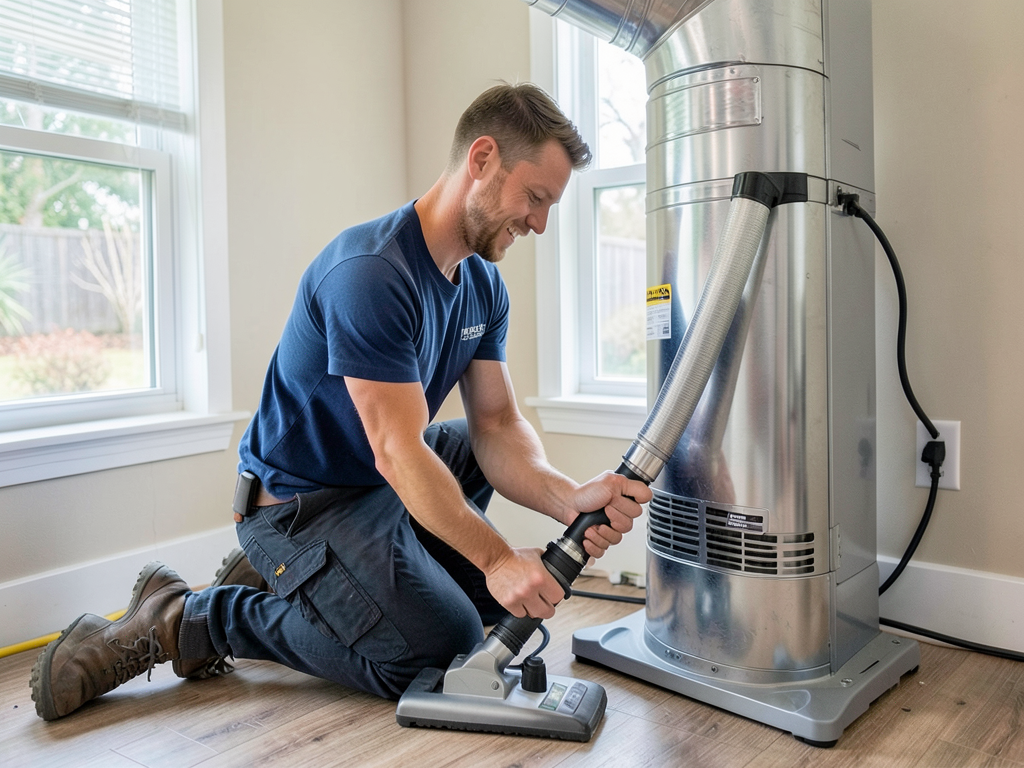
Eliminating Deep Set Pet Odors from Your Riverside Air Ducts for Good If you live…
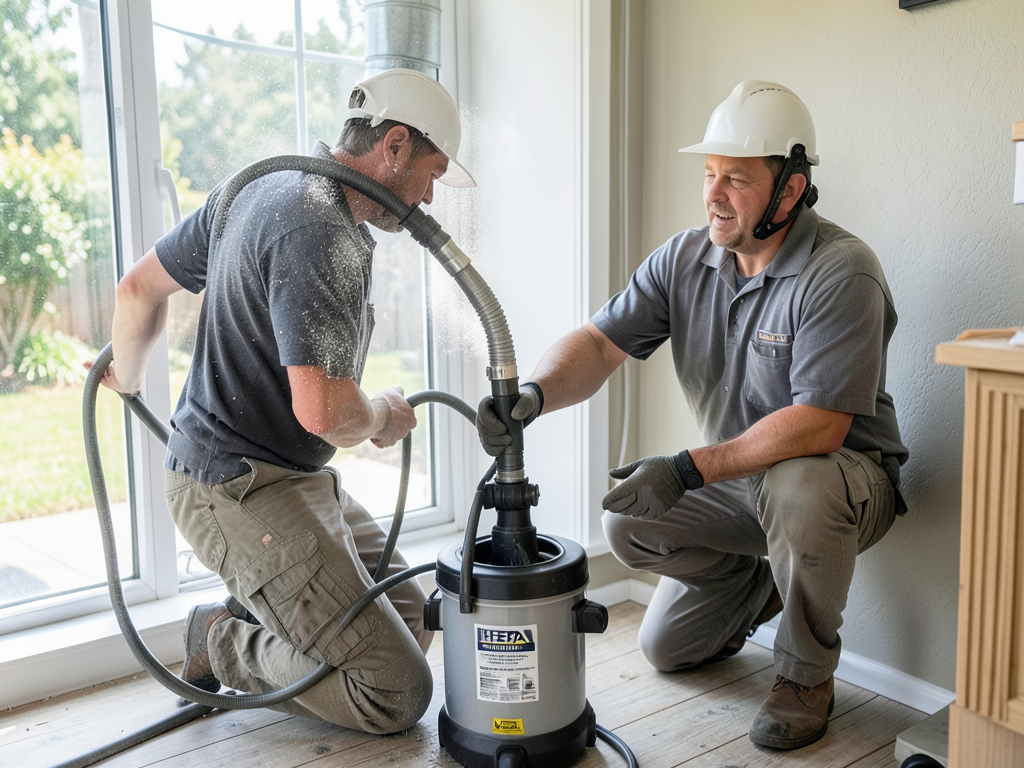
Eliminating Deep Set Pet Odors from Your Riverside Air Ducts for Good Living with pets…
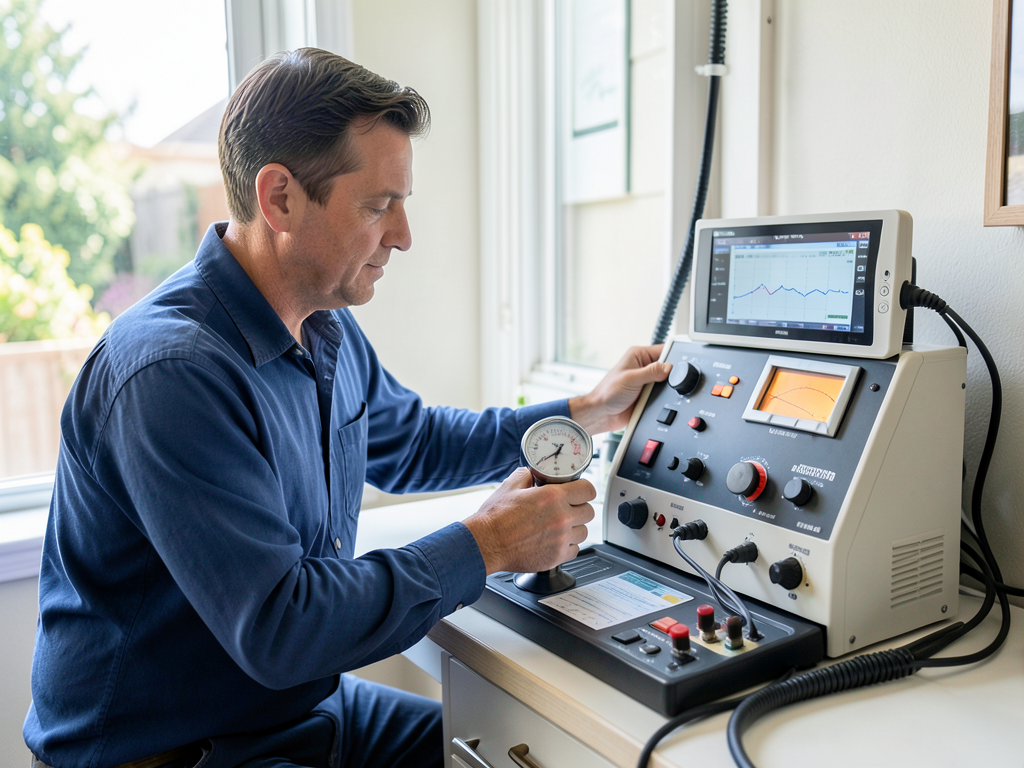
Why Your Riverside Range Hood and Bathroom Fans Affect Your AC Efficiency Your Riverside kitchen…
Your family cannot wait days for cooling in triple-digit heat. Call Horizon HVAC Riverside now at (951) 223-9644 for same-day emergency repair. Our technicians are standing by with fully-stocked vehicles and desert-rated components to restore your cooling fast.