




Menu

Storm Damage HVAC Repair in Riverside – Emergency Response Within 60 Minutes

When severe weather strikes Riverside, your HVAC system takes the hit. We dispatch certified technicians for storm damage HVAC repair around the clock, restoring comfort and safety before secondary damage sets in.

Slider Image 1
Slider Image 2
Slider Image 3
Slider Image 4
Slider Image 5
Slider Image 7
Slider Image 8
Slider Image 9
Slider Image 10
Slider Image 11

How Riverside Weather Patterns Put Your HVAC System at Risk

Riverside sits at a unique convergascular point where Santa Ana winds collide with coastal moisture systems. This creates sudden microbursts, flash flooding, and debris storms that wreak havoc on outdoor HVAC units.

You walk outside after the storm passes and see your condenser unit half-buried in mud. The fan blades are bent. Water pooled around the compressor housing. Your thermostat clicks but nothing happens.

The threat is not just mechanical damage. Riverside's post-storm humidity spike creates ideal conditions for electrical corrosion inside your air handler. Water intrusion into ductwork breeds mold within 48 hours. Delayed storm damaged AC unit repair turns a fixable problem into a complete system replacement.

Emergency HVAC storm repair addresses three critical failures. First, the outdoor condenser takes direct impact from wind-driven debris and hail. Second, power surges during lightning strikes fry control boards and capacitors. Third, flash flooding shorts out compressor motors and contaminates refrigerant lines.

You need heating and cooling storm damage repair before the next heatwave hits. Riverside temperatures swing from storm conditions to 95-degree days within hours. A compromised system cannot recover from that thermal load.

The window for HVAC storm restoration services is narrow. Rust forms on copper lines within days in Riverside's alternating wet-dry cycles. Electrical components corrode faster in humid air trapped inside damaged housings. What starts as a bent fan blade becomes a seized compressor motor because moisture reached the bearings.

Stop the cascade now. Every hour without professional inspection increases repair costs exponentially.

How Riverside Weather Patterns Put Your HVAC System at Risk
Our Emergency Storm Damage Assessment Protocol

Our Emergency Storm Damage Assessment Protocol

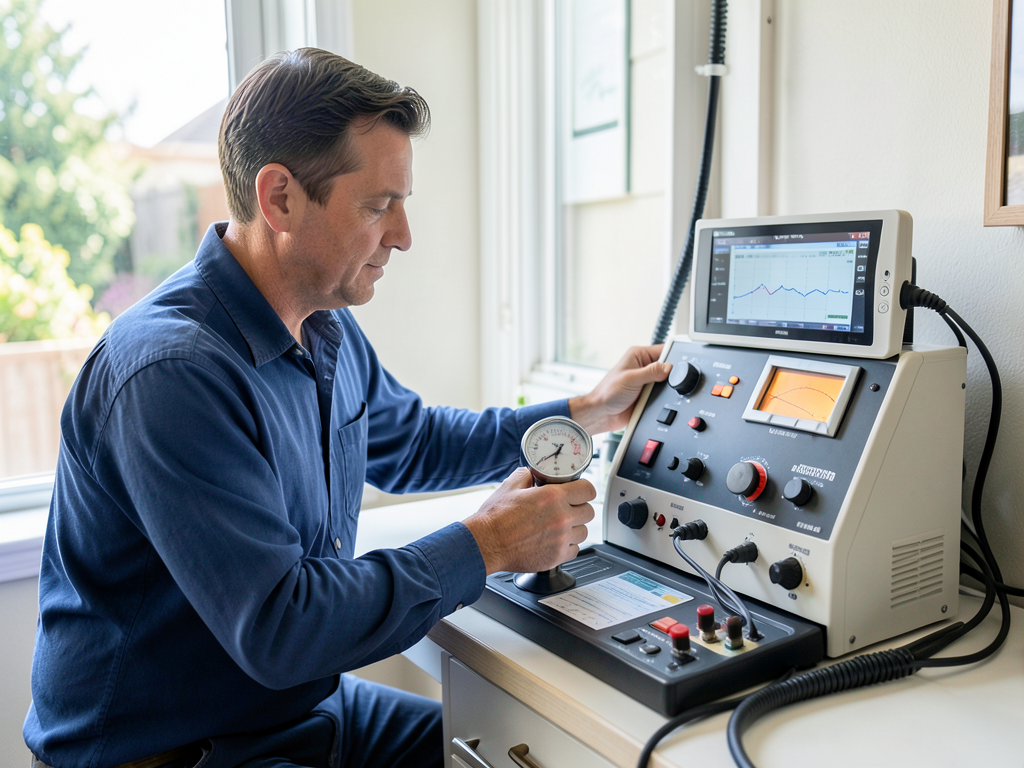
We do not guess. Our technicians arrive with thermal imaging cameras, refrigerant leak detectors, and electrical testing equipment designed for post-storm diagnostics.

The first priority is electrical safety. We verify your disconnect box integrity, check for ground faults, and test capacitor voltage before touching any damaged components. Storm surges create invisible failures inside control boards that can electrocute careless technicians or start fires during restart attempts.

Next, we assess refrigerant system integrity. Bent condenser coils often hide pinhole leaks that release R-410A refrigerant slowly. We pressurize the system with nitrogen, apply soap solution to suspect areas, and use electronic sniffers at connection points. A system that lost refrigerant cannot simply be recharged. We find the leak, repair it, pull a vacuum to remove moisture, then recharge to manufacturer specifications.

Compressor damage requires amperage draw testing under load. A flooded compressor motor shows normal resistance when cold but pulls excessive current when starting. We measure locked rotor amps and compare against nameplate data. This catches bearing damage before a catastrophic failure destroys your entire outdoor unit.

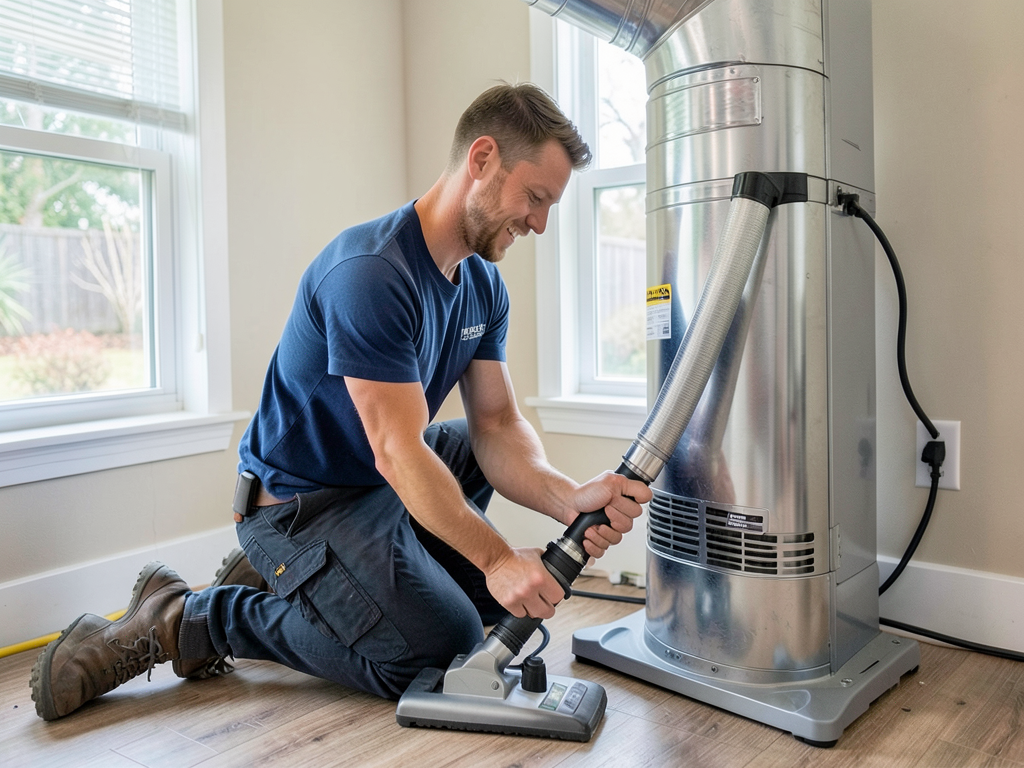
Ductwork inspection uses borescope cameras inserted through supply registers. We document water stains, insulation damage, and biological growth inside plenums. Storm-damaged ductwork leaks conditioned air into attics and crawlspaces, doubling your energy costs even after we fix the outdoor unit.

We document everything with photos and thermal signatures. Insurance adjusters need proof of storm causation versus deferred maintenance. Our reports include wind direction analysis matched to impact damage patterns, proving your claim validity.

You receive a prioritized repair list. Critical safety items get fixed immediately. Performance repairs follow a staged approach that balances cost control with system reliability.

What Happens During Your Storm Damage Service Call

Storm Damage HVAC Repair in Riverside – Emergency Response Within 60 Minutes
01

Emergency Safety Shutdown

We kill power at the disconnect and main breaker before approaching damaged equipment. Storm-compromised wiring creates electrocution hazards invisible to homeowners. Our technicians verify zero voltage at all terminals, inspect for water intrusion in electrical boxes, and document pre-existing damage for insurance purposes. This safety-first approach prevents injuries and protects your liability exposure if secondary damage occurred during the storm.
02

Component Damage Assessment

We systematically test each subsystem. Condenser fan motors get resistance checks and bearing inspections. Compressors undergo megohm insulation testing to detect winding shorts. Control boards receive voltage supply verification and relay function tests. Refrigerant lines get pressurized with nitrogen to reveal impact fractures. Ductwork receives visual and thermal imaging inspection for water damage. You get a detailed report ranking failures by urgency and repair complexity.
03

Restoration and Testing

After completing approved repairs, we evacuate the refrigerant system to 500 microns, verifying moisture removal before recharging. We measure airflow at supply registers, verify temperature split across the evaporator coil, and test electrical draws under full load. The system runs through multiple cooling cycles while we monitor superheat and subcooling values. You receive startup documentation proving your HVAC system operates within manufacturer specifications after storm damage restoration.

Why Riverside Homeowners Choose Horizon HVAC for Storm Recovery

Generic HVAC companies see a damaged condenser and quote replacement. We understand Riverside's specific storm patterns and which failures are repairable versus which require replacement.

Our technicians train specifically on storm damage assessment. We know the difference between hail impact damage that compromised coil integrity and cosmetic denting that affects nothing. We understand how Santa Ana wind patterns create directional damage signatures on equipment facing certain exposures.

This expertise matters for your insurance claim. Adjusters question repair necessity when contractors cannot explain why specific damage resulted from storm events versus normal wear. We provide wind direction analysis, debris impact documentation, and component failure reports that prove causation.

Riverside's building codes require specific clearances and anchoring for outdoor units in flood-prone areas. Many properties near the Santa Ana River or in low-lying neighborhoods near Arlington need elevated equipment pads and reinforced strapping. We install storm repairs that meet current code requirements even if your original installation predates those standards.

You need parts immediately, not in three weeks when the distributor restocks. Horizon HVAC maintains local inventory of critical components like fan motors, contactors, and capacitors for the major brands installed throughout Riverside. We stock Coleman, Carrier, and Trane parts that match systems in neighborhoods from Canyon Crest to Mission Grove.

Our response time matters because secondary damage accelerates in Riverside's climate. Water inside ductwork creates mold growth within 48 hours. Exposed electrical components corrode in days when humidity spikes after storms. We arrive fast, assess accurately, and begin repairs immediately to stop the damage cascade.

The difference shows in outcomes. Our customers get systems restored to full function, not limping along with patched components waiting to fail during the next heatwave.

What Your Storm Damage Repair Includes

Emergency Response Time

We guarantee dispatch within 60 minutes of your call, 24 hours a day. Our technicians drive fully-stocked trucks capable of completing most repairs on the first visit. You do not wait three days for an assessment appointment while moisture damages your ductwork and mold colonizes your air handler. We arrive fast, stop secondary damage, and begin repairs immediately. Evening and weekend emergency calls receive the same priority as weekday requests because storm damage does not wait for business hours.

Comprehensive System Inspection

Storm damage creates failures you cannot see from the outside. We inspect electrical components, test refrigerant system integrity, examine ductwork for water intrusion, and verify control board function. You receive a prioritized repair list separating critical safety items from performance issues. Our thermal imaging reveals hidden damage inside walls and attics where moisture penetrated during the storm. This thoroughness prevents callback visits when hidden damage surfaces days after initial repairs.

Insurance Documentation Support

Our detailed damage reports include photographs, thermal images, and technical explanations that insurance adjusters require. We document storm causation versus pre-existing conditions, explain repair necessity using manufacturer specifications, and provide itemized estimates matching insurance claim formats. Many Riverside homeowners face claim denials because contractors submit vague repair requests without proving storm damage caused the failure. Our documentation proves causation and justifies repair costs with technical evidence adjusters cannot dispute.

Post-Repair Performance Verification

After completing repairs, we test your system under full load conditions. We measure airflow, verify refrigerant charge accuracy, check electrical draws, and confirm temperature output meets design specifications. You receive documentation proving your HVAC system operates correctly after restoration. This baseline data protects you if future problems arise, clearly separating storm damage repairs from new issues. We return for a follow-up inspection within two weeks to verify system performance during normal operation.

Frequently Asked Questions

You Have Questions,
We Have Answers

What is the $5000 rule for HVAC? +

The $5000 rule is a quick guideline to decide between repair or replacement. If your HVAC system's repair cost multiplied by its age exceeds $5000, replacement often makes more financial sense. For example, a $500 repair on a 12-year-old unit equals $6000, so replace it. A $300 repair on a 10-year-old unit equals $3000, so fix it. This formula helps Riverside homeowners make smart decisions after storm damage, especially when debris impacts outdoor condensers or wind damages ductwork. Factor in your system's efficiency and remaining lifespan before committing to expensive repairs.

Does insurance cover HVAC damage? +

Most homeowners insurance policies cover storm-related HVAC damage from wind, hail, or falling debris. This includes crushed condensers, damaged compressors, or electrical failures caused by lightning strikes. Your policy typically covers sudden, accidental damage but excludes gradual wear or poor maintenance. In Riverside, where summer storms can send debris into outdoor units, document damage immediately with photos. Contact your insurance adjuster and get a professional inspection before filing. Keep receipts for emergency repairs. Review your deductible and coverage limits to understand your out-of-pocket costs before proceeding with major restoration work.

How long after storm damage can I claim? +

File your storm damage claim within 30 to 60 days of the event, though exact deadlines vary by insurance carrier and state law. California allows up to one year for property damage claims, but waiting reduces your chances of approval. Insurance adjusters need to link damage directly to the storm, which gets harder as time passes. After Riverside storms, inspect your HVAC system immediately for dented condenser coils, refrigerant leaks, or electrical failures. Document everything with timestamped photos. Delays allow secondary damage like corrosion or mold, which insurers may classify as maintenance issues and deny coverage.

What is the 3 minute rule for AC? +

The 3-minute rule prevents compressor damage during startup and shutdown cycles. After turning off your AC, wait at least three minutes before restarting it. This pause allows refrigerant pressure to equalize throughout the system, protecting the compressor from strain. During Riverside storms, power outages can cause rapid cycling when electricity returns. If your breaker trips or you lose power, resist immediately resetting the system. This waiting period extends compressor life and prevents catastrophic failure during already stressful emergency situations. Modern thermostats often include built-in delay timers to enforce this protection automatically.

What is the average lifespan of an HVAC? +

HVAC systems last 15 to 20 years with proper maintenance, though Riverside's hot summers and occasional storms can reduce this timeframe. Air conditioners typically wear out faster than furnaces due to constant seasonal use. Systems installed before 2010 often fail sooner because older refrigerants and components degrade faster. Storm damage accelerates aging when debris impacts condenser fins, moisture enters electrical components, or power surges damage circuit boards. If your system is over 12 years old and requires major storm repairs, replacement often provides better long-term value than expensive fixes on aging equipment.

Is HVAC system cost tax deductible? +

HVAC system costs are tax deductible only if the replacement qualifies as a home improvement that increases property value or meets energy efficiency standards. Standard repairs are not deductible for personal residences. Energy Star certified systems may qualify for federal tax credits, typically 10% to 30% of equipment cost. Business owners in Riverside can often deduct HVAC expenses as operational costs or capital improvements. After storm damage, consult a tax professional about Section 179 deductions or casualty loss claims if insurance does not fully cover replacement. Keep all receipts and installation documentation for tax filing purposes.

What two events are not covered under homeowners insurance? +

Homeowners insurance typically excludes flood damage and earthquake damage. Standard policies cover wind and hail but not rising water from storms or ground movement from seismic activity. In Riverside, this distinction matters because flash flooding can damage HVAC systems during severe weather. If water enters your home through windows or rising groundwater, you need separate flood insurance through FEMA's National Flood Insurance Program. Earthquake coverage requires a separate policy endorsement. Review your policy declarations page to understand what perils are covered and what requires additional protection for complete storm damage coverage.

How much does it cost to fix a leak in your AC system? +

AC leak repair costs vary from $200 for minor seal replacements to $1500 for major refrigerant line damage. Small refrigerant leaks in accessible connections run cheaper than concealed evaporator coil leaks requiring extensive disassembly. Storm damage complicating repairs increases labor costs. Riverside technicians charge diagnostic fees to locate leaks using electronic detectors or UV dye. After finding the source, technicians repair the leak, pressure test the system, and recharge refrigerant. R-410A refrigerant costs have increased due to environmental regulations. Emergency service during storm recovery periods often includes premium rates for immediate response.

What is the most common damage to your home that insurance does not cover? +

Maintenance-related damage is the most commonly excluded claim. Insurance covers sudden, accidental events like storm damage but not gradual deterioration from neglect. For HVAC systems, this means storm-damaged condensers qualify for coverage while rusted-out heat exchangers from skipped maintenance do not. Insurers investigate claim histories and may deny coverage if you cannot prove regular servicing. In Riverside, keep annual maintenance records showing filter changes, coil cleaning, and refrigerant checks. After storms, insurers distinguish between wind-damaged components and pre-existing wear. Professional inspections help document storm-specific damage versus long-term neglect.

When not to file a homeowners insurance claim? +

Avoid filing claims when repair costs barely exceed your deductible or when damage results from maintenance neglect. Small claims increase your premiums and create a claims history that affects future insurability. If storm damage repair costs $800 and your deductible is $1000, pay out of pocket. Multiple claims within three years can result in non-renewal or higher rates. For Riverside homeowners, save insurance for catastrophic damage exceeding several thousand dollars. Minor HVAC repairs like replacing storm-damaged disconnect boxes or cleaning debris from condensers are better handled directly. Consult your agent before filing borderline claims.

Why Riverside's Santa Ana Wind Events Destroy HVAC Equipment Faster

Riverside sits in the direct path of Santa Ana wind corridors that accelerate between the San Gabriel and San Bernardino mountain ranges. These seasonal windstorms reach 60 mph with higher gusts, carrying debris from landscaping, construction sites, and hillside vegetation directly into outdoor HVAC units. The combination of high winds and airborne projectiles bends fan blades, damages condenser coils, and breaks electrical connections in ways standard weather events cannot match. Properties in north Riverside neighborhoods near Box Springs Mountain face particularly severe exposure because topography channels wind into concentrated streams that hammer equipment installed on north-facing exposures.

Riverside County building codes adopted specific HVAC installation standards after the 2011 wind events damaged thousands of systems. Current code requires reinforced anchor straps and elevated mounting in flood-prone areas, but many homes still operate equipment installed before these standards took effect. Horizon HVAC understands these local code requirements and brings storm-damaged systems into compliance during repairs. We work with the same building inspectors and insurance adjusters who review claims throughout Riverside, Corona, and Moreno Valley, giving your documentation immediate credibility during the claims process.
HVAC Services in The Riverside Area

We invite you to explore our service area and see where Horizon HVAC proudly delivers exceptional heating and cooling solutions. While our physical location serves as our hub, our dedicated team extends its expert services across the entire region, bringing unparalleled comfort and air quality directly to your doorstep, whether for residential or commercial needs, ensuring we’re always within reach for your HVAC requirements.

Address:
Horizon HVAC Riverside, 11801 Pierce St Suite 200, Riverside, CA, 92505

Additional Services We Offer

Our news updates

Latest Articles & News from The Blogs

Simple HVAC Maintenance for UCR Students Living in Off Campus Housing Riverside summers can hit triple digits and your off-campus…

Simple HVAC Maintenance for UCR Students Living in Off Campus Housing

Simple HVAC Maintenance for UCR Students Living in Off Campus Housing Riverside summers can hit triple digits and your off-campus…

Why Your Smart Thermostat Settings Might Be Wasting Money in the Riverside Climate

Why Your Smart Thermostat Settings Might Be Wasting Money in the Riverside Climate The Inland Empire's triple-digit summer heat can…

Is Your Current Riverside Air Conditioner Energy Efficient Enough to Run on Solar Power?

Is Your Current Riverside Air Conditioner Energy Efficient Enough to Run on Solar Power? Your Riverside air conditioner might be…

Contact Us

Your HVAC system cannot wait. Call (951) 223-9644 right now for emergency storm damage repair in Riverside. We dispatch immediately, assess thoroughly, and restore your comfort before secondary damage destroys your equipment.