




San Jacinto sits in the San Jacinto Valley where summer temperatures regularly exceed 100 degrees and winter nights can drop below freezing. This extreme temperature swing puts serious stress on heating and cooling systems. Your air conditioner runs harder and longer than systems in coastal California, leading to compressor strain, refrigerant leaks, and capacitor failures. The valley's dust and wind carry debris into outdoor units, clogging coils and reducing efficiency.
Homes near the San Jacinto Mountains face additional challenges. Temperature inversions trap hot air in the valley during summer months, making your AC work overtime. Winter cold fronts descending from the mountains can freeze condensate lines and stress heat exchangers. The valley's hard water causes mineral buildup in evaporative coolers and humidifiers.
Older homes in neighborhoods like Downtown San Jacinto and Valle Vista often have undersized systems installed decades ago when building codes were less strict. These systems struggle to keep up with modern insulation standards and larger square footage from additions. Without regular maintenance and prompt repairs, a minor issue becomes a complete system failure on the hottest or coldest day of the year.
We serve San Jacinto with the urgency your comfort demands. When your system fails, we dispatch immediately, not when it's convenient for our schedule. Our trucks carry the parts that actually fail in San Jacinto's climate - capacitors rated for high heat, contactors that withstand voltage fluctuations, and refrigerant for both older R-22 systems and newer R-410A units. We stock what breaks here because we work here every day.
Our technicians train specifically on desert climate challenges. They understand how valley dust affects airflow, how temperature extremes strain components, and how to diagnose problems that only happen in this environment. When a technician arrives, they have the knowledge and parts to fix it now, not order something and come back next week.
We price our work transparently. You get a diagnosis and a quote before any repair work begins. No hidden fees, no surprise charges, and no pressure to replace a system that can be repaired. If your system needs replacement, we explain why and show you the failed components. If it just needs a part, we fix it and get you back to comfortable.
San Jacinto families choose us because we show up fast, diagnose correctly, and fix it right the first time. We're not the cheapest option and we don't pretend to be. We're the option that solves your problem today so you can sleep comfortably tonight.

We dispatch within hours, not days. Our trucks stay in the Riverside area, so we reach San Jacinto homes fast. No waiting until next week for an available slot. Your emergency is our priority, and we staff accordingly to handle urgent calls when your system fails.

Our technicians carry the parts that fail most often in San Jacinto's climate. Capacitors, contactors, thermostats, and refrigerant are already on the truck. We complete most repairs in one visit because we come prepared for the problems we see every day in valley heat.
We train our team on the specific failures caused by San Jacinto's temperature extremes and dust. Your technician understands how valley conditions stress systems differently than coastal or mountain climates. That expertise means faster diagnosis and repairs that address the root cause, not just symptoms.
You get a clear diagnosis and upfront quote before we start work. No surprise charges, no hidden fees, and no pressure tactics. We explain what failed, why it failed, and what it costs to fix. You make the decision with complete information.
Horizon HVAC Riverside handles every aspect of heating, cooling, and air quality for San Jacinto residents. We repair systems when they break, maintain them to prevent failures, and replace them when repair costs exceed replacement value. Our service range covers emergency breakdowns, planned maintenance visits, complete system installations, and indoor air quality improvements.
We work on all major brands and system types. Central air conditioning, heat pumps, gas furnaces, electric heating, ductless mini-splits, and packaged units all fall within our expertise. Whether your system is two years old or twenty, we have the diagnostic tools and technical knowledge to fix it. Our approach focuses on solving your immediate problem first, then discussing prevention and long-term solutions.
San Jacinto's climate demands three distinct service approaches. Emergency repairs when something breaks and you need cooling or heating restored immediately. Preventive maintenance to catch small problems before they become expensive failures. System replacement when your equipment reaches the end of its useful life and repair costs no longer make financial sense. Each service category addresses different needs and different stages of system lifecycle.
Your air conditioner quit in triple-digit heat or your heater failed on a freezing night. We dispatch immediately for emergency breakdowns. Our technicians arrive with diagnostic equipment and common replacement parts already on the truck. We diagnose the failure, explain what broke and why, then provide an upfront quote for repair. Most emergency calls get resolved the same day because we stock the capacitors, contactors, and components that fail most often in San Jacinto's extreme temperatures.
Regular maintenance prevents the failures that leave you without cooling or heating. We inspect electrical connections, test capacitors, measure refrigerant levels, clean coils, check airflow, and identify worn components before they fail. San Jacinto's dust and temperature extremes accelerate wear on HVAC systems. Twice-yearly maintenance catches problems early when repairs cost less and prevent emergency breakdowns during the hottest and coldest days when you need your system most.
When repair costs approach replacement value or your system exceeds 15 years old, replacement makes more financial sense. We calculate proper system sizing for San Jacinto's climate, recommend appropriate efficiency ratings for valley temperatures, and install complete systems correctly the first time. Our installations include proper refrigerant charging, airflow verification, and thermostat programming. You get a system sized correctly for your home's square footage and insulation, not an oversized unit that cycles on and off.
San Jacinto's location in the San Jacinto Valley creates specific HVAC challenges. Summer heat that regularly exceeds 100 degrees stresses air conditioning components. Winter cold fronts from the San Jacinto Mountains strain heating systems. Valley dust clogs filters and coils faster than coastal areas. Hard water damages evaporative coolers and humidifiers.
These environmental factors combine with aging housing stock in neighborhoods like Downtown San Jacinto and Valle Vista. Many homes have systems installed 15 to 20 years ago that now struggle with increased cooling loads. Undersized ductwork restricts airflow. Poor insulation forces systems to run longer. These problems compound each other, leading to premature failures and high energy bills.
Understanding what fails and why helps homeowners recognize problems early. Capacitors weaken in extreme heat. Contactors pit from repeated cycling. Refrigerant leaks develop from vibration and thermal expansion. Recognizing these common issues means faster diagnosis and lower repair costs.
Capacitors store electrical energy to start motors and keep them running. San Jacinto's summer heat degrades capacitors faster than moderate climates. A weak capacitor makes your system struggle to start, causing hard starts and compressor strain. Complete capacitor failure means your system won't run at all. We replace capacitors before they fail during maintenance visits.
Temperature swings between 100-degree days and 50-degree nights cause metal components to expand and contract. This thermal cycling loosens connections and cracks joints, creating refrigerant leaks. Low refrigerant reduces cooling capacity and makes your system run longer. We locate leaks, repair them properly, and recharge to manufacturer specifications with the correct refrigerant type.
San Jacinto's dusty conditions coat outdoor condenser coils with dirt and debris. Dirty coils restrict airflow and reduce heat transfer, forcing your system to work harder and run longer. This increases energy bills and accelerates component wear. Regular coil cleaning during maintenance visits restores efficiency and prevents premature compressor failure from overheating.
Thermostats lose calibration over time, causing temperature inaccuracies and system short cycling. Your home feels uncomfortable even though the system runs constantly. Dust infiltration and electrical issues compound calibration problems. We test thermostat accuracy, clean internal components, check wiring connections, and replace failed units with properly programmed replacements that maintain accurate temperature control.
We understand that HVAC failures create stress. You're uncomfortable, worried about costs, and unsure who to trust. Our process removes that uncertainty. When you call, we gather information about your problem, schedule a visit based on urgency, and give you a clear arrival window. Our technicians arrive in marked trucks with the tools and common parts needed for most repairs.
The diagnostic process starts with listening to your description of the problem. When did it start? What symptoms do you notice? Has anything changed recently? This information guides our troubleshooting. We test components systematically, measure voltages and pressures, and identify the root cause. Once we diagnose the problem, we explain what failed, why it failed, and what it costs to fix.
You make the final decision about repairs. We provide recommendations based on system age, repair costs, and expected lifespan of the fix. If your system needs replacement, we explain why and show you the failed components. No pressure, no scare tactics, just honest assessment and clear options.
We answer calls quickly and schedule visits based on your urgency. Emergency breakdowns get same-day dispatch. Routine maintenance schedules at your convenience. You receive a call when your technician is on the way with a specific arrival window. We respect your time and communicate clearly throughout the process. If we discover additional problems during diagnosis, we explain them clearly and let you decide how to proceed.
Our technicians take time to diagnose correctly. We test components systematically rather than guessing and replacing parts. Proper diagnosis saves you money by fixing the actual problem, not symptoms. We use calibrated gauges to measure refrigerant pressures, multimeters to test electrical components, and airflow meters to verify proper system performance. You get accurate diagnosis the first time, which means the repair actually solves your problem.
We install quality replacement parts rated for desert climate conditions. Capacitors get upgraded to heat-resistant specifications. Contactors receive proper electrical connections. Refrigerant charging follows manufacturer specifications exactly. Our repairs address the root cause and account for local environmental stress. You get fixes that last, not temporary patches that fail again next month. We stand behind our work because we do it right the first time.
We keep our process simple and transparent. Schedule the visit, diagnose the problem, complete the repair. No complicated procedures or unnecessary steps. Just straightforward service that gets your system working again.
Call us at (951) 223-9644 and describe your problem. We ask questions to understand the symptoms and urgency. Emergency breakdowns get same-day dispatch. Routine maintenance schedules at your convenience. We provide a clear arrival window and call when your technician is on the way. You know when to expect us and what to have ready for the visit.
Your technician arrives with diagnostic tools and common replacement parts. We inspect your system, test components, measure pressures and voltages, and identify what failed. Once we diagnose the problem, we explain what broke, why it broke, and what it costs to fix. You get a clear quote before we start any repair work. No hidden fees or surprise charges.
After you approve the quote, we complete the repair. We install quality parts, test system operation, verify proper performance, and clean up completely. Before we leave, we demonstrate that your system works correctly and explain what we fixed. You get documentation of the work completed and recommendations for preventing future problems.
California mandates specific standards for HVAC work through Title 24 energy codes and contractor licensing requirements. Every technician must hold appropriate certifications, and all work must meet or exceed state building codes. These regulations protect homeowners from substandard work and ensure systems operate safely and efficiently.
Refrigerant handling requires EPA Section 608 certification. This federal mandate ensures technicians understand proper recovery, recycling, and charging procedures. California adds additional requirements for leak detection and repair documentation. We maintain all required certifications and follow California Air Resources Board regulations for refrigerant management.
Electrical work on HVAC systems must comply with California Electrical Code standards. This includes proper wire sizing, disconnect switches, overcurrent protection, and grounding. Our technicians verify electrical safety during every service call because improper electrical work creates fire hazards and equipment damage.
System sizing follows Air Conditioning Contractors of America Manual J calculations. This industry standard accounts for home square footage, insulation levels, window area, orientation, and local climate data. Properly sized systems run efficiently, maintain comfortable temperatures, and last longer than oversized or undersized equipment. San Jacinto's cooling loads differ significantly from coastal California, requiring adjustments to standard sizing calculations.
Ductwork must meet California Title 24 requirements for sealing and insulation. Leaky ducts waste energy and reduce system capacity. We test duct leakage, seal connections properly, and verify adequate insulation. These details matter because they directly affect your comfort and energy bills.
All HVAC installations and major replacements must comply with California Title 24 energy standards. These regulations specify minimum efficiency ratings, duct sealing requirements, and thermostat capabilities. We ensure every installation meets current code and passes inspection. Compliance protects your investment and ensures your system qualifies for available rebates and incentives.
Repair costs depend on which components failed and system accessibility. Simple repairs like thermostat replacement cost less than compressor replacement. System age affects parts availability and labor time. Emergency service during extreme weather costs more than scheduled maintenance. Complete replacements vary based on system size, efficiency rating, and installation complexity including ductwork modifications.
Emergency repairs typically complete in two to four hours depending on diagnosis complexity and parts availability. Preventive maintenance visits take one to two hours per system. Complete system replacements require one to three days including removal, installation, ductwork modifications, electrical upgrades, and final testing. We provide accurate time estimates after assessing your specific situation.
EPA regulations require proper refrigerant recovery before system service and accurate charging after repairs. California adds strict leak detection and documentation requirements. We use calibrated equipment to measure refrigerant charge by superheat and subcooling methods, not guesswork. Proper charging maximizes efficiency, prevents compressor damage, and ensures your system cools effectively in San Jacinto's heat.
This video explains common HVAC failures in San Jacinto's desert climate and how to prevent expensive breakdowns. Horizon HVAC Riverside covers capacitor failures from valley heat, refrigerant leaks from temperature stress, and coil problems from dust. Viewers learn warning signs of system failure, realistic maintenance schedules for extreme climates, and when to repair versus replace aging equipment. The video includes specific information about HVAC challenges in San Jacinto neighborhoods and practical advice for homeowners.
Horizon HVAC Riverside serves the entire San Jacinto area with the same fast response and expert service. Our coverage extends throughout the San Jacinto Valley from the slopes of the San Jacinto Mountains down through the valley floor. We know these neighborhoods because we work here every day.
Downtown San Jacinto presents unique challenges with older homes built before modern insulation standards. Many properties here have original HVAC systems from the 1980s and 1990s that now struggle with increased cooling loads. We help homeowners in this historic area upgrade to efficient systems while respecting architectural character and working within existing space constraints.
Valle Vista neighborhoods to the north feature newer construction with modern systems, but valley dust affects these homes just as much as older areas. Residents here typically need preventive maintenance focused on coil cleaning and filter replacement to combat the constant dust infiltration from nearby open land and agricultural areas.
The communities along Sanderson Avenue and near San Jacinto Valley Cemetery experience the full force of valley temperature extremes. Summer heat radiates from the valley floor, pushing systems to their limits. We respond quickly to emergency calls from these areas because we understand how critical cooling becomes when temperatures exceed 105 degrees for days at a time.
Homes near Hemet Ryan Airport face additional challenges from higher dust levels and occasional vibration affecting system components. Our technicians account for these environmental factors when diagnosing problems and recommending solutions. Properties closer to the San Jacinto Mountains along the eastern edge of town benefit from slightly cooler temperatures but face different challenges with winter cold and wind affecting outdoor units.
We also serve communities throughout Riverside County including neighboring Hemet, where valley conditions create identical HVAC challenges. Our service area extends along Highway 79 and covers the entire valley region. Whether you live in established neighborhoods or newer developments, we respond quickly and bring the parts needed to fix your system today.
The $5000 rule helps you decide whether to repair or replace your HVAC system. Multiply the repair cost by the age of your unit. If the total exceeds $5000, replacement makes more financial sense. For example, if a repair costs $600 and your system is 10 years old, that equals $6000, so you should replace it. In San Jacinto's desert climate, older systems work harder against extreme heat, which accelerates wear. This rule prevents throwing money at a failing system when investing in a new, energy-efficient unit delivers better long-term value and reliability.
An average HVAC system replacement in San Jacinto typically ranges from mid-tier to upper-tier pricing depending on unit size, efficiency rating, and ductwork condition. A standard residential installation for a 1500-2000 square foot home falls in the moderate range. San Jacinto's hot, dry summers demand properly sized equipment with higher SEER ratings to handle peak cooling loads without skyrocketing energy bills. Factors affecting cost include existing ductwork modifications, thermostat upgrades, and refrigerant type. Get multiple quotes from licensed contractors who understand local climate demands and building codes specific to Riverside County.
The highest paid HVAC jobs include commercial HVAC project managers, controls specialists, and master technicians working in industrial settings. These professionals earn substantial incomes by managing large-scale installations, programming complex building automation systems, or maintaining critical infrastructure like data centers and hospitals. Specialized skills in refrigeration engineering, energy management systems, and EPA certifications command premium pay. In Southern California, including the San Jacinto Valley, experienced HVAC engineers working on commercial projects or serving as independent contractors with established client bases reach the upper income brackets through expertise and business development skills.
The $5000 rule helps you decide whether to repair or replace your HVAC system. Multiply the repair cost by the age of your unit. If the total exceeds $5000, replacement makes more financial sense. For example, if a repair costs $600 and your system is 10 years old, that equals $6000, so you should replace it. In San Jacinto's desert climate, older systems work harder against extreme heat, which accelerates wear. This rule prevents throwing money at a failing system when investing in a new, energy-efficient unit delivers better long-term value and reliability.
An average HVAC system replacement in San Jacinto typically ranges from mid-tier to upper-tier pricing depending on unit size, efficiency rating, and ductwork condition. A standard residential installation for a 1500-2000 square foot home falls in the moderate range. San Jacinto's hot, dry summers demand properly sized equipment with higher SEER ratings to handle peak cooling loads without skyrocketing energy bills. Factors affecting cost include existing ductwork modifications, thermostat upgrades, and refrigerant type. Get multiple quotes from licensed contractors who understand local climate demands and building codes specific to Riverside County.
The highest paid HVAC jobs include commercial HVAC project managers, controls specialists, and master technicians working in industrial settings. These professionals earn substantial incomes by managing large-scale installations, programming complex building automation systems, or maintaining critical infrastructure like data centers and hospitals. Specialized skills in refrigeration engineering, energy management systems, and EPA certifications command premium pay. In Southern California, including the San Jacinto Valley, experienced HVAC engineers working on commercial projects or serving as independent contractors with established client bases reach the upper income brackets through expertise and business development skills.
The most common HVAC problems include refrigerant leaks, dirty air filters, thermostat malfunctions, and clogged condensate drains. In San Jacinto's dusty desert environment, air filters clog faster due to blowing sand and particulates, restricting airflow and forcing systems to work harder. Capacitor failures happen frequently because extreme heat stresses electrical components. Evaporator coil freezing occurs when airflow drops or refrigerant runs low. Contactor wear from constant cycling during hot months causes failure to start. Regular maintenance prevents most issues, but San Jacinto's climate accelerates wear on outdoor condenser units exposed to intense UV and temperature swings.
A new HVAC system for a 4000 square foot home requires a larger tonnage unit, typically 4-5 tons depending on insulation, ceiling height, and sun exposure. In San Jacinto, where summer temperatures regularly exceed 100 degrees, proper sizing becomes critical. Undersized systems run continuously without reaching set temperatures, while oversized units short-cycle and waste energy. Installation costs increase with home size due to extensive ductwork, multiple zones, and higher-capacity equipment. Two-stage or variable-speed systems offer better comfort and efficiency for larger homes. Professional load calculations account for San Jacinto's climate zone and your home's specific heat gain factors.
The 3 minute rule protects your compressor from damage. After your air conditioner shuts off, wait at least 3 minutes before restarting it. This delay allows refrigerant pressure to equalize throughout the system. Restarting too quickly forces the compressor to start against high pressure, which can damage internal components and shorten equipment life. In San Jacinto's heat, homeowners sometimes rapidly adjust thermostats or flip breakers during troubleshooting. Modern systems have built-in time-delay relays, but older units depend on you respecting this interval. Patience prevents expensive compressor replacements and service calls.
The average HVAC system lasts 15-20 years with proper maintenance. In San Jacinto's harsh desert climate, expect the lower end of that range. Extreme heat forces air conditioners to run longer cycles, accelerating wear on compressors, fan motors, and contactors. Furnaces typically outlast air conditioners because they operate fewer months annually. Factors affecting lifespan include installation quality, maintenance frequency, thermostat settings, and air filter changes. Systems running year-round in San Jacinto experience more stress than moderate climates. Regular tune-ups, prompt repairs, and keeping outdoor units shaded when possible extend equipment life and maintain efficiency.
The best HVAC brand depends on your specific needs, budget, and local climate demands. Reliable manufacturers include Carrier, Trane, Lennox, Rheem, and Goodman. Each offers different efficiency levels and warranty coverage. In San Jacinto's extreme heat, focus on units with high SEER ratings and proven durability in desert conditions. Quality installation matters more than brand name. A premium unit installed incorrectly performs worse than a mid-tier system installed properly. Choose a contractor experienced with San Jacinto's climate who offers solid labor warranties and uses manufacturers with strong local parts availability and service networks.
A 2000 square foot house in San Jacinto typically needs a 3-4 ton air conditioner, but proper sizing requires professional load calculations. Factors include insulation quality, window placement, ceiling height, and sun exposure. San Jacinto's desert climate and intense summer sun create higher cooling demands than coastal areas. A home with poor insulation and west-facing windows needs more capacity than a well-insulated home with shade trees. Oversizing wastes energy and causes humidity problems. Undersizing leaves you uncomfortable during peak heat. Licensed contractors use Manual J calculations to determine exact tonnage based on your home's specific characteristics and local climate data.
Professions earning $300,000 annually include physicians, surgeons, specialized attorneys, corporate executives, and successful business owners. In HVAC, reaching this income level requires business ownership with multiple crews, commercial contracts, or specialized industrial work. A master HVAC technician working as an employee will not reach this threshold through labor alone. However, HVAC business owners serving commercial clients in growing markets like the San Jacinto Valley can achieve high incomes through volume, efficiency, and reputation. Building a skilled team, maintaining strong customer relationships, and focusing on commercial projects creates paths to substantial earnings in the trades.
The most common HVAC problems include refrigerant leaks, dirty air filters, thermostat malfunctions, and clogged condensate drains. In San Jacinto's dusty desert environment, air filters clog faster due to blowing sand and particulates, restricting airflow and forcing systems to work harder. Capacitor failures happen frequently because extreme heat stresses electrical components. Evaporator coil freezing occurs when airflow drops or refrigerant runs low. Contactor wear from constant cycling during hot months causes failure to start. Regular maintenance prevents most issues, but San Jacinto's climate accelerates wear on outdoor condenser units exposed to intense UV and temperature swings.
A new HVAC system for a 4000 square foot home requires a larger tonnage unit, typically 4-5 tons depending on insulation, ceiling height, and sun exposure. In San Jacinto, where summer temperatures regularly exceed 100 degrees, proper sizing becomes critical. Undersized systems run continuously without reaching set temperatures, while oversized units short-cycle and waste energy. Installation costs increase with home size due to extensive ductwork, multiple zones, and higher-capacity equipment. Two-stage or variable-speed systems offer better comfort and efficiency for larger homes. Professional load calculations account for San Jacinto's climate zone and your home's specific heat gain factors.
The 3 minute rule protects your compressor from damage. After your air conditioner shuts off, wait at least 3 minutes before restarting it. This delay allows refrigerant pressure to equalize throughout the system. Restarting too quickly forces the compressor to start against high pressure, which can damage internal components and shorten equipment life. In San Jacinto's heat, homeowners sometimes rapidly adjust thermostats or flip breakers during troubleshooting. Modern systems have built-in time-delay relays, but older units depend on you respecting this interval. Patience prevents expensive compressor replacements and service calls.
The average HVAC system lasts 15-20 years with proper maintenance. In San Jacinto's harsh desert climate, expect the lower end of that range. Extreme heat forces air conditioners to run longer cycles, accelerating wear on compressors, fan motors, and contactors. Furnaces typically outlast air conditioners because they operate fewer months annually. Factors affecting lifespan include installation quality, maintenance frequency, thermostat settings, and air filter changes. Systems running year-round in San Jacinto experience more stress than moderate climates. Regular tune-ups, prompt repairs, and keeping outdoor units shaded when possible extend equipment life and maintain efficiency.
The best HVAC brand depends on your specific needs, budget, and local climate demands. Reliable manufacturers include Carrier, Trane, Lennox, Rheem, and Goodman. Each offers different efficiency levels and warranty coverage. In San Jacinto's extreme heat, focus on units with high SEER ratings and proven durability in desert conditions. Quality installation matters more than brand name. A premium unit installed incorrectly performs worse than a mid-tier system installed properly. Choose a contractor experienced with San Jacinto's climate who offers solid labor warranties and uses manufacturers with strong local parts availability and service networks.
A 2000 square foot house in San Jacinto typically needs a 3-4 ton air conditioner, but proper sizing requires professional load calculations. Factors include insulation quality, window placement, ceiling height, and sun exposure. San Jacinto's desert climate and intense summer sun create higher cooling demands than coastal areas. A home with poor insulation and west-facing windows needs more capacity than a well-insulated home with shade trees. Oversizing wastes energy and causes humidity problems. Undersizing leaves you uncomfortable during peak heat. Licensed contractors use Manual J calculations to determine exact tonnage based on your home's specific characteristics and local climate data.
Professions earning $300,000 annually include physicians, surgeons, specialized attorneys, corporate executives, and successful business owners. In HVAC, reaching this income level requires business ownership with multiple crews, commercial contracts, or specialized industrial work. A master HVAC technician working as an employee will not reach this threshold through labor alone. However, HVAC business owners serving commercial clients in growing markets like the San Jacinto Valley can achieve high incomes through volume, efficiency, and reputation. Building a skilled team, maintaining strong customer relationships, and focusing on commercial projects creates paths to substantial earnings in the trades.
We invite you to explore our service area and see where Horizon HVAC proudly delivers exceptional heating and cooling solutions. While our physical location serves as our hub, our dedicated team extends its expert services across the entire region, bringing unparalleled comfort and air quality directly to your doorstep, whether for residential or commercial needs, ensuring we’re always within reach for your HVAC requirements.
Address:
San Jacinto, CA, 92583

Understanding the 2026 Riverside Energy Standards for New Home Additions\nBuilding a home addition in Riverside in 2026 means navigating new energy efficiency requirements that will directly impact your HVAC system costs and specifications. The 2025…
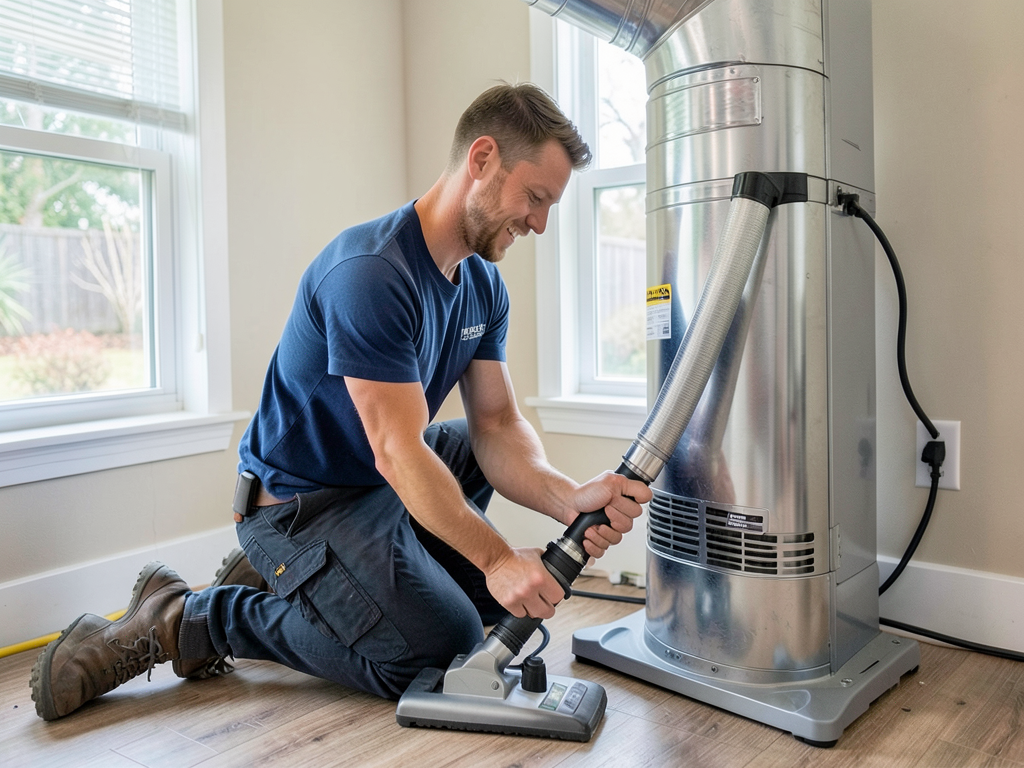
Eliminating Deep Set Pet Odors from Your Riverside Air Ducts for Good If you live…
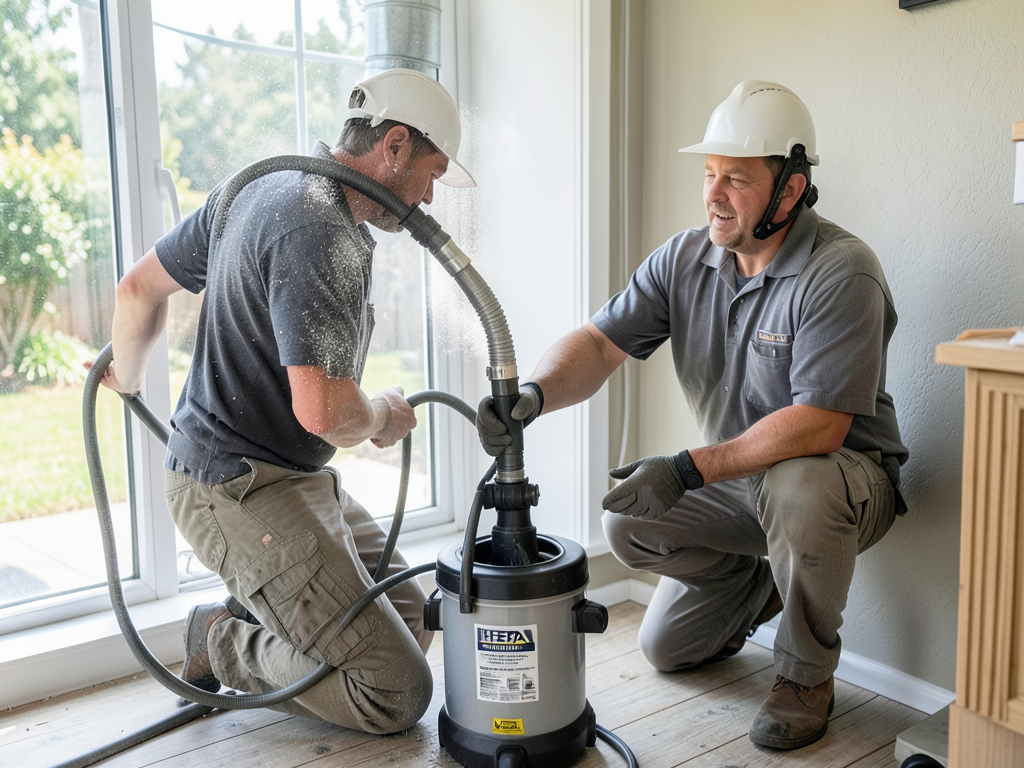
Eliminating Deep Set Pet Odors from Your Riverside Air Ducts for Good Living with pets…
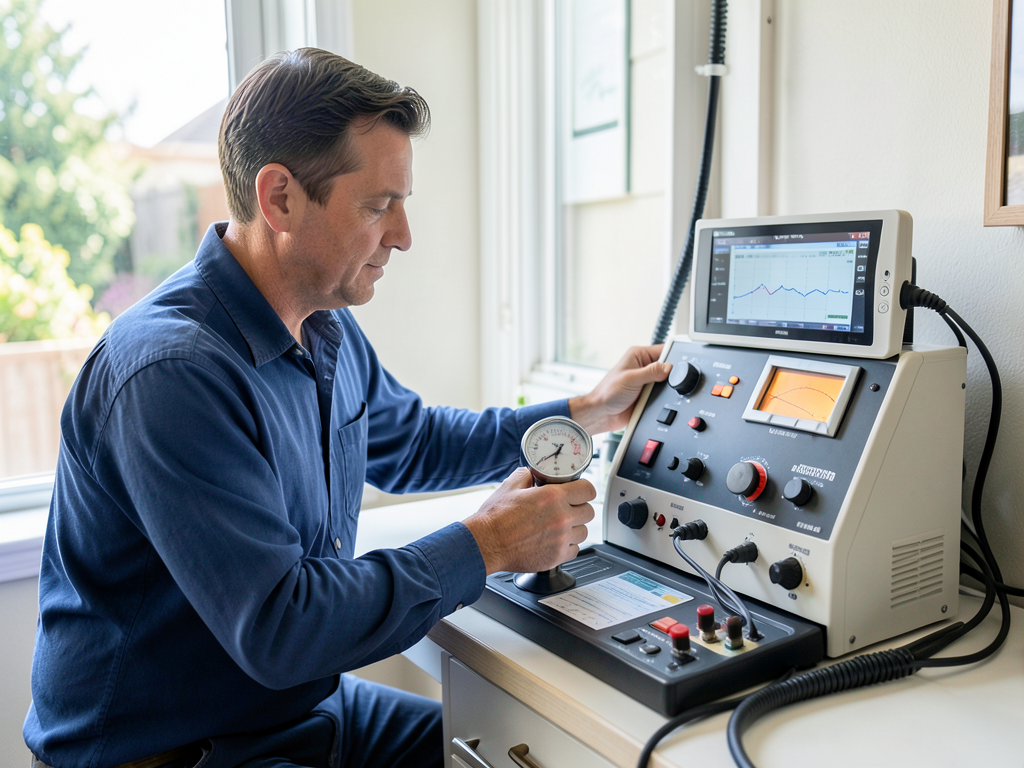
Why Your Riverside Range Hood and Bathroom Fans Affect Your AC Efficiency Your Riverside kitchen…
Your comfort matters. Call Horizon HVAC Riverside now at (951) 223-9644 for same-day emergency service. Our technicians are ready to diagnose your problem and get your system running again. We answer calls quickly, arrive prepared, and fix it right the first time.