




Menu

Furnace Maintenance Checklist for Riverside – Keep Your System Running Through Every Cold Snap

Your complete furnace tune-up checklist designed for Riverside's unique heating demands, helping you avoid mid-winter breakdowns and extend equipment life through systematic preventative care.

Slider Image 1
Slider Image 2
Slider Image 3
Slider Image 4
Slider Image 5
Slider Image 7
Slider Image 8
Slider Image 9
Slider Image 10
Slider Image 11

Why Riverside Furnaces Need More Than Basic Maintenance

Riverside's fluctuating winter temperatures create specific challenges for heating systems. When daytime highs reach the 70s and nighttime lows drop into the 40s, your furnace cycles on and off more frequently than in consistently cold climates. This constant cycling wears components faster and exposes weak points in your system.

The inland valley air carries dust and agricultural particulates that clog filters and coat heat exchangers. Your furnace pulls in this debris every time it runs. Over time, reduced airflow forces the blower motor to work harder and causes the heat exchanger to overheat. These conditions shorten equipment life and increase energy costs.

Most Riverside homes use natural gas furnaces rated between 80,000 and 120,000 BTUs. These systems need annual furnace inspection lists that address local wear patterns. A seasonal furnace service schedule prevents the sudden failures that happen when temperatures drop unexpectedly in January and February.

Your heating system maintenance steps should focus on the components that fail first in our climate. Ignitors crack from thermal stress. Gas valves stick from sediment. Blower motors burn out from running against restricted airflow. The average furnace repair costs three to five times more than preventative heating maintenance when you wait for a breakdown.

Following a proper furnace tune-up checklist catches these problems early. You get consistent heat, lower utility bills, and avoid emergency service calls during cold snaps. The preventative heating maintenance guide below shows you exactly what needs attention and when.

Why Riverside Furnaces Need More Than Basic Maintenance
What a Professional Furnace Inspection Actually Covers

What a Professional Furnace Inspection Actually Covers

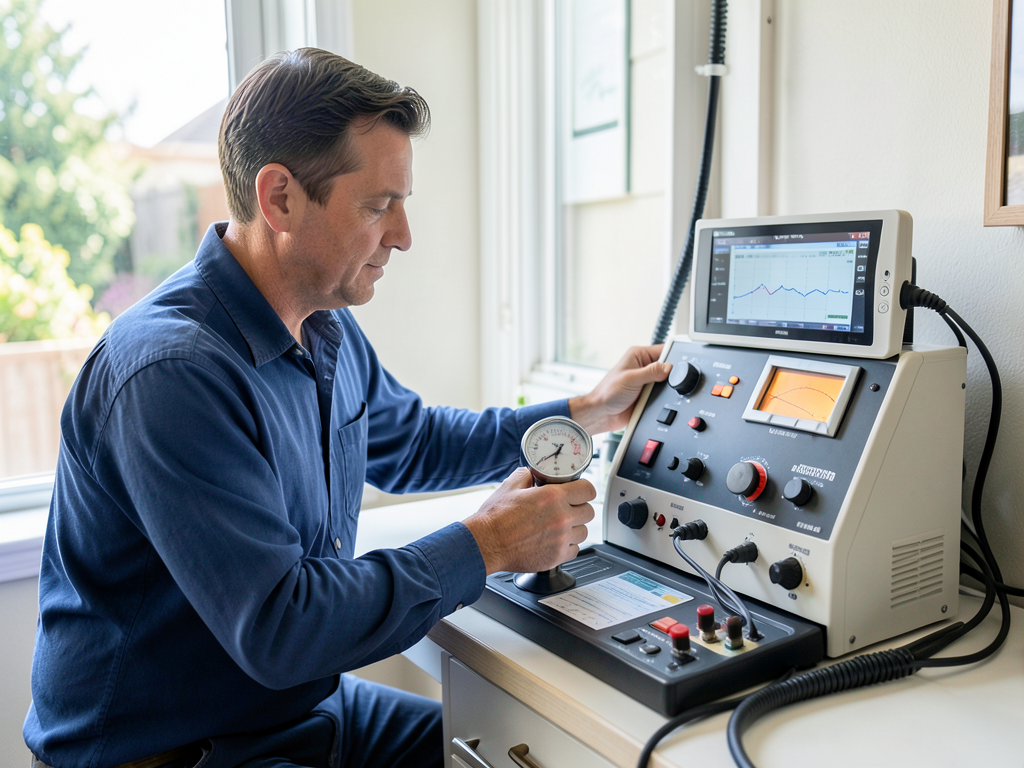
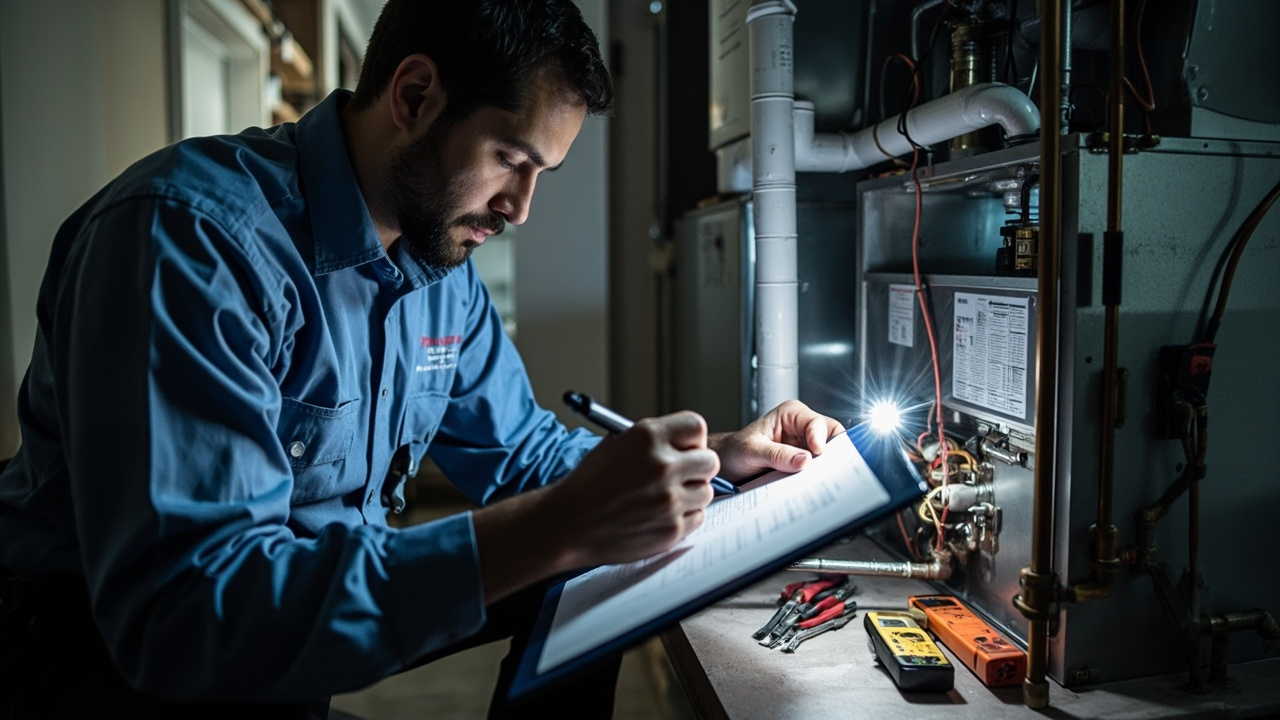
A complete furnace maintenance checklist addresses safety, efficiency, and reliability. The inspection starts with combustion analysis using a flue gas analyzer. This tool measures oxygen levels, carbon monoxide output, and combustion efficiency. Readings outside normal ranges indicate problems with the burner assembly or heat exchanger.

The heat exchanger inspection requires visual examination with a fiber optic camera. Cracks or holes allow carbon monoxide to enter your home. In Riverside's older neighborhoods, furnaces over 15 years old need careful scrutiny. The metal fatigues from repeated heating and cooling cycles.

Gas pressure testing verifies proper flow to the burners. Low pressure causes incomplete combustion and sooting. High pressure creates flame rollout and potential safety hazards. The manifold pressure should match the specifications on your equipment data plate.

Electrical testing covers voltage, amperage draw, and capacitor strength. A weak capacitor forces the blower motor to work harder and shortens its life. Loose wire connections create resistance and heat, leading to component failure.

The blower compartment cleaning removes accumulated dust from the wheel and housing. Dirty blower wheels reduce airflow by 30 to 40 percent. This restriction causes the limit switch to trip and your furnace to short cycle.

Filter inspection determines replacement needs. Standard fiberglass filters need monthly changes during heating season. High-efficiency pleated filters last three months but require more frequent checks in dusty conditions. The right filter balances air quality and system airflow.

Thermostat calibration ensures accurate temperature control. A thermostat reading two degrees off causes your system to run longer than necessary. This wastes energy and creates uneven heating.

How Your Annual Furnace Service Works

Furnace Maintenance Checklist for Riverside – Keep Your System Running Through Every Cold Snap
01

Safety and Performance Testing

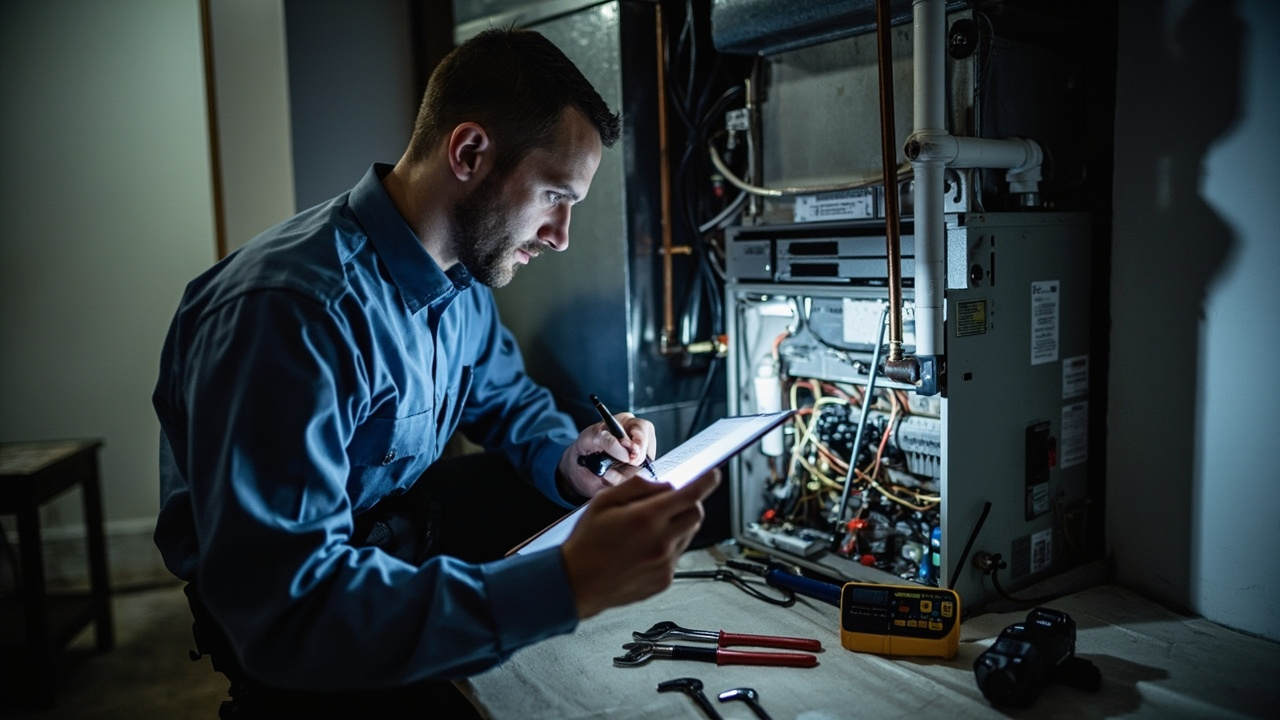
The technician begins with combustion analysis and carbon monoxide testing throughout your home. This identifies any immediate safety concerns with your heat exchanger or venting system. Gas pressure measurements verify proper flow to the burners. Voltage and amperage testing catches electrical problems before they cause failures. You get a safety report showing actual measurements compared to manufacturer specifications.
02

Component Inspection and Cleaning

Every major component receives hands-on inspection and service. The burner assembly gets cleaned of rust and debris. The blower wheel and housing are vacuumed and wiped down. Flame sensors are polished to ensure proper ignition. The condensate drain gets flushed to prevent water backup. Belt-driven blowers receive tension adjustment and alignment checks. This systematic approach prevents the small problems that lead to big repairs.
03

Documentation and Recommendations

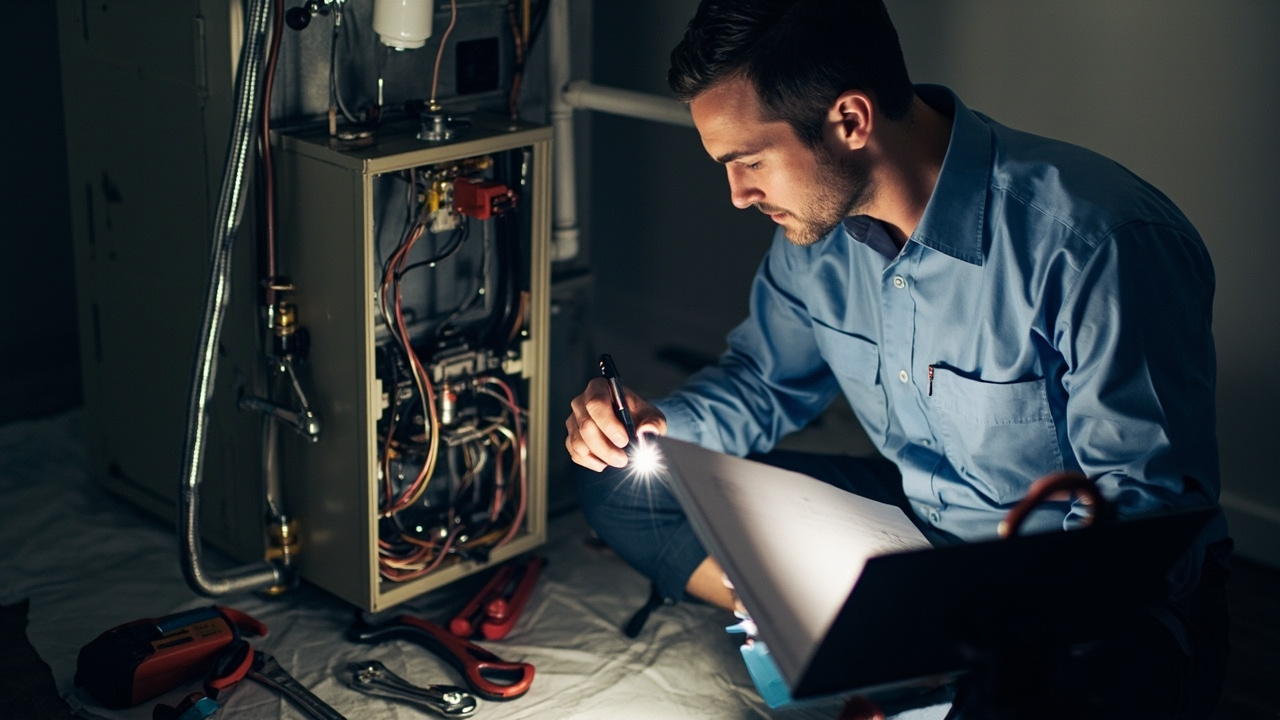
You receive a detailed service report listing all findings and measurements. Any components showing wear get flagged with replacement timelines. The technician explains which items need immediate attention and which can wait until next season. Your heating system maintenance steps for the coming months get outlined based on your equipment condition. This transparency helps you budget for repairs and avoid surprise failures during cold weather.

Why Riverside Homeowners Trust Local HVAC Expertise

Riverside's housing stock ranges from 1950s ranch homes to new construction in the Orangecrest and Alessandro Heights areas. Each era of construction presents different furnace configurations and ductwork designs. Local technicians understand these variations and the specific problems each design develops over time.

Older homes in the historic Wood Streets district often have undersized return air ducts. This restriction forces the furnace to work harder and increases operating costs. Technicians familiar with these neighborhoods recognize the signs immediately and can offer practical solutions that respect the home's character.

Newer subdivisions in Riverside's eastern expansion use high-efficiency equipment with electronic controls. These systems require diagnostic tools and training that generic service companies often lack. Horizon HVAC Riverside maintains factory-authorized training on the brands common to our area, including Carrier, Trane, and Rheem installations.

The valley's air quality affects maintenance intervals. Homes near the 91 and 60 freeways need more frequent filter changes than homes in western Riverside. Local experience means realistic service schedules based on your actual environment, not generic manufacturer recommendations.

Riverside County building codes require specific clearances and venting configurations. Permits and inspections follow local jurisdiction rules that vary between city and county areas. Working with technicians who understand these requirements prevents compliance issues and ensures your system meets current safety standards.

The relationship between your furnace and air conditioning system matters in our climate. Both systems share the same blower and ductwork. Problems in one system affect the other. A local company that services both systems year-round provides better long-term value than seasonal specialists.

What Your Furnace Maintenance Appointment Includes

Service Timing and Duration

A thorough furnace tune-up takes 90 minutes to two hours depending on equipment age and condition. The best time to schedule is October or early November, before heating demand increases. This timing gives you options if repairs are needed. You avoid waiting for parts or competing with emergency calls during cold snaps. Same-day service is available for urgent situations, but pre-season maintenance offers better scheduling flexibility and prevents the rush that happens when everyone's furnace fails on the same cold night.

Initial Assessment Process

The technician reviews your service history and asks about any performance issues you've noticed. Uneven heating, strange noises, or higher utility bills all provide diagnostic clues. A visual inspection of the equipment identifies obvious problems like rust, corrosion, or damaged components. The technician explains findings as work progresses so you understand exactly what's happening with your system. Questions are encouraged. Technical jargon gets translated into plain language. You're never left wondering what was done or why it matters to your comfort and safety.

Performance Verification Results

After service, the furnace runs through complete heating cycles while the technician monitors performance. Temperature rise across the heat exchanger confirms proper airflow and combustion. Thermostat response gets tested to verify accurate control. You feel the difference immediately in how quickly and evenly your home heats. The system runs quieter because clean components operate smoothly. Energy efficiency improves when everything works as designed. Your documented baseline measurements provide comparison points for future service visits, tracking how well your system maintains performance over time.

Ongoing Support and Planning

Your service report includes specific recommendations for the next 12 months. Components showing wear get monitored on future visits. Filter change reminders arrive based on your home's actual air quality conditions. Priority scheduling for existing customers means faster response when you need service. Many homeowners join seasonal furnace service schedules that provide automatic annual maintenance. This approach prevents forgotten appointments and keeps your heating system maintenance steps on track. The goal is consistent performance and maximum equipment life through systematic care rather than reactive repairs.

Frequently Asked Questions

You Have Questions,
We Have Answers

What maintenance should be done on a furnace? +

Furnace maintenance involves inspecting and cleaning key components to prevent breakdowns. A technician checks the heat exchanger for cracks, tests the ignition system, inspects the burner assembly, and examines the blower motor. They replace or clean the air filter, check thermostat calibration, and test safety controls like the limit switch. Gas connections get inspected for leaks, and the flue pipe is checked for proper venting. In Riverside's mild winters, dust buildup from dry conditions can clog filters faster. Technicians also measure carbon monoxide levels and ensure proper airflow. Annual maintenance reduces energy costs and prevents mid-season failures when you need heat most.

What is included in furnace tune-up? +

A furnace tune-up includes a thorough inspection and adjustment of your heating system. Technicians clean the burner assembly, inspect the heat exchanger for cracks or corrosion, and test the ignition system. They lubricate the blower motor, check belt tension, and replace or clean the air filter. The technician calibrates your thermostat, tests safety controls, and measures temperature rise across the heat exchanger. Gas pressure gets verified, and electrical connections are tightened. In Riverside, where dust and debris from the Santa Ana winds accumulate quickly, cleaning the blower assembly is particularly important. The tune-up ends with a combustion analysis to ensure efficient operation and proper venting.

What is the average cost to service a furnace? +

Furnace service costs vary based on system type, age, and service scope. A basic inspection and cleaning runs lower than a comprehensive tune-up with repairs. Riverside homeowners pay regional rates influenced by local labor costs and competitive market conditions. Costs increase if your furnace needs new filters, ignition components, or flame sensors. Older units often require more time and parts. High-efficiency furnaces with complex controls cost more to service than standard models. Emergency service calls during cold snaps cost significantly more than scheduled maintenance. Annual maintenance contracts often reduce per-visit costs. Get quotes from multiple local contractors to understand typical Riverside pricing for your specific furnace model.

What parts of a furnace need to be cleaned? +

Several furnace parts require regular cleaning for efficient operation. The burner assembly collects dust and debris that can cause uneven flames or inefficient combustion. The flame sensor gets coated with carbon deposits that prevent proper ignition. The blower wheel and housing accumulate dust and pet hair, reducing airflow. In Riverside's dusty climate, the blower compartment needs attention due to particulate buildup from dry conditions. The heat exchanger surfaces should be inspected and cleaned if accessible. The flue pipe needs checking for blockages. Air filters trap contaminants but need replacement when saturated. The inducer fan removes combustion gases and can collect debris that restricts proper venting.

How Riverside's Inland Valley Climate Affects Your Furnace Maintenance Schedule

Riverside sits 50 miles inland from coastal moderating effects. Winter temperature swings of 30 to 40 degrees between day and night force your furnace through more start-stop cycles than systems in consistently cold climates. Each startup stresses the ignitor, gas valve, and blower motor. Your annual furnace inspection list needs to focus on these high-cycle components. The ignitor typically lasts five to seven years here compared to 10 years in colder regions with longer, steadier run times. This cycling pattern also means your preventative heating maintenance guide should include mid-season filter checks, not just fall and spring changes.

Local HVAC companies understand how Riverside's agricultural surroundings and freeway proximity affect indoor air quality. Homes in different parts of the city need different maintenance frequencies. A furnace near the 215 corridor collects more particulate matter than one in Mission Grove. Horizon HVAC Riverside has serviced thousands of local systems and knows which neighborhoods face which challenges. This experience means accurate service recommendations based on your specific location, not generic national guidelines. When your technician has worked in your neighborhood for years, you get maintenance advice that actually matches your conditions.
HVAC Services in The Riverside Area

We invite you to explore our service area and see where Horizon HVAC proudly delivers exceptional heating and cooling solutions. While our physical location serves as our hub, our dedicated team extends its expert services across the entire region, bringing unparalleled comfort and air quality directly to your doorstep, whether for residential or commercial needs, ensuring we’re always within reach for your HVAC requirements.

Address:
Horizon HVAC Riverside, 11801 Pierce St Suite 200, Riverside, CA, 92505

Additional Services We Offer

Our news updates

Latest Articles & News from The Blogs

A Guide for Riverside Tenants on Requesting HVAC Repairs and Maintenance Living in Riverside means dealing with extreme summer heat…

A Guide for Riverside Tenants on Requesting HVAC Repairs and Maintenance

A Guide for Riverside Tenants on Requesting HVAC Repairs and Maintenance Living in Riverside means dealing with extreme summer heat…

Propane vs Electric Heating for Rural Homes in the Outskirts of Woodcrest

Propane vs Electric Heating for Rural Homes in the Outskirts of Woodcrest Homeowners in the outskirts of Woodcrest face a…

Heating and Cooling Solutions for New Multi-Generational Suites in Sycamore Highlands

Heating and Cooling Solutions for New Multi-Generational Suites in Sycamore Highlands Building a multi-generational suite in Sycamore Highlands means creating…

Contact Us

October and November appointments fill quickly as homeowners prepare for heating season. Call (951) 223-9644 now to secure your preferred date. Our heating system maintenance steps ensure your furnace runs safely and efficiently all winter. Same-day emergency service available if your system needs immediate attention.