




Corona sits at the edge of the Inland Empire where desert conditions collide with coastal air masses. Summer temperatures routinely hit 95 to 105 degrees, forcing air conditioners to run 12 to 16 hours daily from June through September. This constant cycling wears compressors, strains capacitors, and clogs condensate drains faster than moderate climates.
The Santa Ana winds bring dust and debris that choke outdoor units. Fine particulate matter coats coils and reduces heat transfer efficiency by 30 percent or more. Residents near the 91 and 15 corridor corridors face additional pollution that accelerates filter saturation.
Winter lows drop to the 40s, requiring heating systems that sit idle most of the year to fire up reliably. Thermal expansion and contraction crack heat exchangers and stress ductwork connections. Homes in older neighborhoods like Old Town Corona and El Cerrito often have undersized equipment installed decades ago when building codes were less stringent.
The combination of extreme heat, dust infiltration, and seasonal temperature swings creates a perfect storm for HVAC failures. Systems here need proactive maintenance and rapid repair response when breakdowns happen. Waiting two or three days for service in 100-degree heat is not an option.
We built our reputation in Riverside County by showing up when other companies are closed. HVAC emergencies do not wait for business hours. When your air conditioner quits at 8 PM on a Saturday or your furnace fails on Thanksgiving, you need technicians who answer the phone and arrive with solutions.
Horizon HVAC Riverside maintains 24/7 dispatch because Corona homeowners deserve immediate response. Our service area runs from Temescal Valley through South Corona to the Cleveland National Forest boundary. We know which neighborhoods have older ductwork, which subdivisions installed builder-grade equipment, and where hard water causes the most condensate problems.
Our technicians carry diagnostic equipment that pinpoints failures in minutes, not hours. Fully stocked service trucks mean we complete 85 percent of repairs on the first visit. We do not leave to get parts while your family sweats through triple-digit heat. Every truck carries compressors, capacitors, contactors, thermostats, and refrigerant for immediate repairs.
We price honestly with flat-rate service fees and upfront repair quotes. You know the cost before work begins. No surprise charges for after-hours calls or weekend service. No pressure to replace equipment that can be repaired affordably.
Our focus stays on rapid diagnosis, quality repairs, and transparent pricing. Corona residents call us back because we solve problems fast without inflating bills or pushing unnecessary replacements.

HVAC failures do not wait for Monday morning. We dispatch technicians nights, weekends, and holidays with no after-hours upcharges. When your system fails, you get a live person on the phone and a technician at your door within the hour. Fast response stops heat exhaustion and prevents secondary damage.

Our service trucks stock over 200 common parts from capacitors to circuit boards. This preparation lets us complete most repairs in a single visit. You do not wait days in a hot house while we order parts. We diagnose fast, quote honestly, and restore comfort the same day you call.
You know the repair cost before work starts. We provide written quotes after diagnosis with no hidden fees or surprise charges. Our flat-rate pricing covers labor, parts, and warranty. If the repair cost exceeds the quote, we eat the difference. Transparent pricing builds trust and eliminates anxiety.
We specialize in desert climate HVAC challenges that Corona residents face. Dust infiltration, extreme heat cycling, and hard water problems require specific solutions. Our technicians know which repairs last in this environment and which equipment handles prolonged high-temperature operation. Local expertise means better repairs.
Horizon HVAC Riverside provides comprehensive heating and cooling services across Corona. From emergency AC repairs during heat waves to furnace tune-ups before winter, we handle every aspect of residential climate control. Our service range covers diagnostic troubleshooting, component replacement, system maintenance, ductwork repair, and complete equipment installation.
We structure services around what homeowners actually need. Emergency repairs get you cool fast when systems fail. Preventive maintenance stops breakdowns before they happen. Equipment replacement gives you efficient modern systems when repairs no longer make financial sense. Each service category addresses specific problems that Corona residents face with their HVAC systems.
Our technicians receive ongoing training on residential air conditioning, forced-air heating, heat pumps, ductless mini-splits, and smart thermostat integration. We service all major brands from Carrier and Trane to Lennox and Rheem. Whether your system needs refrigerant recharge, compressor replacement, or complete retrofit, we have the expertise and equipment to handle it correctly.
When your air conditioner stops cooling or your furnace quits heating, you need immediate service. We diagnose electrical failures, refrigerant leaks, compressor issues, blower motor problems, and control board malfunctions. Our technicians arrive with diagnostic tools and common parts to complete repairs the same day. Emergency service includes capacitor replacement, contactor repair, thermostat troubleshooting, and refrigerant recharge. We restore comfort fast without unnecessary equipment replacement.
Regular maintenance extends equipment life and prevents failures during extreme weather. Our tune-ups include coil cleaning, filter replacement, refrigerant level checks, electrical connection inspection, condensate drain clearing, and blower motor lubrication. We test safety controls, measure airflow, and verify proper cycling. Maintenance catches small problems before they become expensive repairs. Serviced systems run more efficiently, reducing energy bills while improving reliability when you need climate control most.
Old systems that break repeatedly cost more to repair than replace. We install high-efficiency air conditioners, furnaces, heat pumps, and ductless mini-splits sized correctly for Corona homes. Installation includes load calculations, ductwork modification, electrical upgrades, thermostat programming, and refrigerant charging. We pull permits, coordinate inspections, and warranty all work. New equipment provides better comfort, lower energy bills, and reliable operation through extreme heat and cold.
Corona's desert climate creates specific HVAC challenges that homeowners deal with repeatedly. Extreme summer heat stresses cooling systems beyond their design limits. Dust and debris infiltration clogs filters and coils faster than humid climates. Temperature swings between seasons cause expansion and contraction that loosens connections and cracks components.
Homes near the 91 corridor and Cleveland National Forest foothills face additional dust from Santa Ana winds. Older neighborhoods like El Cerrito and South Corona often have undersized equipment or aging ductwork that leaks conditioned air into attics. Hard water common throughout Riverside County clogs condensate drains and causes overflow damage.
These problems compound over time. A dirty coil reduces cooling capacity. Leaky ducts waste energy and money. Clogged drains lead to water damage and mold growth. Small issues become expensive repairs when ignored. Recognizing common problems helps homeowners address issues before systems fail completely.
Air conditioners struggle when outdoor temperatures exceed 105 degrees. Systems designed for 95-degree days cannot keep up with extreme heat. Dirty coils, low refrigerant, and worn compressors make the problem worse. Your AC runs constantly but never reaches the thermostat setting. This overworks equipment and spikes electric bills while failing to provide adequate cooling.
Desert winds carry fine dust that infiltrates outdoor units and clogs filters in weeks instead of months. Dirty coils cannot transfer heat efficiently. Clogged filters restrict airflow and force blowers to work harder. This increases energy consumption and shortens equipment life. Homes near open areas or construction sites need filter changes every three to four weeks during windy seasons.
Air conditioners remove humidity from indoor air and drain water through condensate lines. Hard water and dust create sludge that clogs drains. Blocked lines cause water to back up and overflow onto ceilings or floors. This damages drywall, insulation, and framing. Overflow also creates mold growth in attics and wall cavities. Regular drain cleaning prevents expensive water damage repairs.
Heating systems sit idle for eight or nine months in Corona. When temperatures finally drop, furnaces often fail to ignite or cycle properly. Pilot lights blow out, igniters crack, and gas valves stick. Blower motors that ran all summer cooling suddenly fail when called to heat. These failures happen on the coldest nights when you need heat most. Pre-season furnace inspections catch problems before cold weather arrives.
We built our service model around what frustrated customers told us they hated about other HVAC companies. No vague appointment windows. No pressure sales. No surprise charges after work is done. No leaving without solving the problem.
When you call Horizon HVAC Riverside, you get a live person who listens to your problem and schedules a technician immediately. Emergency calls get response within the hour. Scheduled maintenance arrives in tight two-hour windows. You receive a call when the technician is 20 minutes away.
Our service process follows a consistent pattern that eliminates confusion and anxiety. You know what happens next at every step. Technicians explain findings in plain language without jargon or technical intimidation. Repair quotes come before work starts. Payment happens after you are satisfied with the repair.
We measure success by restored comfort and honest communication, not upselling or maximum ticket prices. This approach builds long-term relationships with Corona homeowners who call us first when HVAC problems happen.
Technicians arrive with diagnostic equipment and begin troubleshooting immediately. We test electrical components, measure refrigerant pressures, inspect heat exchangers, and check airflow. Diagnosis takes 15 to 30 minutes depending on system complexity. Once we identify the problem, we explain what failed, why it failed, and what repair will fix it. You get clear explanations without technical jargon or sales pressure. We show you failed components and explain repair options.
After diagnosis, you receive a written repair quote that includes parts, labor, and warranty. The price does not change after work is done. If diagnosis reveals multiple problems, we prioritize repairs by urgency and cost. You decide which repairs to authorize based on your budget and comfort needs. We never start work without your approval. No surprise bills or hidden fees appear after the fact.
Completed repairs get tested to verify proper operation before technicians leave. We measure temperatures, check airflow, verify electrical draw, and confirm proper cycling. Systems must meet performance standards before we consider work complete. You feel cool air flowing or warm heat restoring before we pack up tools. If performance is not right, we keep troubleshooting until it is. Repairs come with parts and labor warranties for your protection.
HVAC repair should not be complicated or confusing. We follow a straightforward three-step process that gets systems working fast while keeping customers informed. No mysteries or waiting around wondering what happens next.
Call our main line and speak with a live dispatcher who understands HVAC problems. Describe your symptoms and we will assess urgency. Emergency calls get technician dispatch within 60 minutes. Scheduled maintenance books into convenient two-hour windows. You receive a confirmation call with technician name and estimated arrival time. Our dispatcher stays available if questions arise before the technician arrives.
Technicians arrive with tools and parts ready to diagnose your system. Testing identifies failed components and performance issues. Once we pinpoint the problem, you receive a written repair quote with clear pricing. We explain what failed, repair options, and expected timeline. You approve the quote before any repair work begins. Questions get answered in plain language without pressure or technical intimidation.
Authorized repairs happen immediately using quality parts and proper techniques. Work gets completed efficiently without shortcuts. Finished repairs undergo performance testing to verify proper operation. We measure temperatures, check pressures, and confirm system cycling before considering work done. You receive warranty information and maintenance recommendations. Payment processes after you confirm satisfaction with restored comfort.
Proper HVAC service in Corona requires adherence to California Title 24 energy standards, Riverside County building codes, and manufacturer specifications. These regulations exist to ensure safe operation, energy efficiency, and environmental protection. Homeowners benefit when contractors follow correct procedures instead of taking shortcuts.
Title 24 mandates minimum SEER ratings for air conditioner replacements, duct sealing requirements, and refrigerant handling protocols. New AC installations in Corona must achieve SEER 15 or higher. Duct systems must test below 6 percent leakage to pass inspection. These standards reduce energy waste and lower utility bills for homeowners.
Refrigerant handling follows EPA Section 608 regulations that require certified technicians and proper recovery equipment. Venting refrigerants into the atmosphere is illegal and carries significant fines. All refrigerant work must be documented with system pressures and charge weights. Proper charging ensures efficient operation and prevents compressor damage from low or high refrigerant levels.
Electrical connections must meet NEC standards with proper wire sizing, disconnect boxes, and overcurrent protection. Undersized wires overheat and create fire hazards. Improperly installed disconnects prevent safe emergency shutdowns. Gas furnace installations require permits, pressure testing, and combustion analysis to verify safe operation and prevent carbon monoxide leaks.
Horizon HVAC Riverside follows all applicable codes and manufacturer specifications. We pull permits for equipment replacement, coordinate inspections, and document all work. Proper installation and repair procedures protect your investment and ensure safe reliable operation for years.
All new HVAC installations must meet Title 24 energy efficiency standards including minimum SEER ratings, duct leakage testing, and proper system sizing. We perform Manual J load calculations, seal ductwork to code, and verify installations pass inspection. Compliance ensures maximum efficiency and qualifies for utility rebates. Non-compliant installations waste energy and fail inspection.
EPA regulations require certified technicians for all refrigerant work. We hold Section 608 Universal certification and use proper recovery equipment. Refrigerant gets reclaimed, not vented. Systems are charged by weight and superheat, not guesswork. Proper charging prevents compressor damage and ensures efficient cooling. Incorrect refrigerant levels reduce capacity and shorten equipment life significantly.
Equipment replacement and major repairs require Riverside County permits. We handle permit applications, schedule inspections, and ensure work meets code. Permitted work protects your property value and insurance coverage. Unpermitted HVAC work creates liability during home sales and may void equipment warranties. Inspections verify safe installation and proper operation before systems go into service.
Proper system sizing requires Manual J load calculations based on home square footage, insulation levels, window area, and orientation. Oversized equipment short cycles and wastes energy. Undersized systems run constantly without reaching temperature. We calculate heating and cooling loads accurately to match equipment capacity to your home's needs. Right-sized systems provide better comfort and lower operating costs.
This video explains HVAC repair and maintenance for Corona homeowners facing extreme desert heat and dust conditions. Topics include common AC failures, refrigerant service, duct sealing, preventive maintenance schedules, and California Title 24 compliance requirements. Viewers learn how climate affects system performance, what causes premature equipment failures, and how proper service extends HVAC lifespan while reducing energy costs.
Horizon HVAC Riverside provides complete heating and cooling services throughout Corona and the greater Inland Empire. Our service area extends from Temescal Valley in the west through downtown Corona to the Cleveland National Forest foothills in the east. We respond to calls in South Corona, El Cerrito, Eagle Glen, Dos Lagos, and the historic Old Town district daily.
Homes in South Corona near Cajalco Road face significant dust infiltration from agricultural areas and open desert to the south. Properties in this area need frequent filter changes and coil cleaning to maintain efficiency. The combination of heat and dust accelerates wear on outdoor condenser units.
Eagle Glen and Dos Lagos feature newer construction with modern HVAC systems, but builder-grade equipment often underperforms during extreme heat. These neighborhoods benefit from system upgrades and preventive maintenance that extends equipment life. Ductless mini-splits work well in second-story additions common in these subdivisions.
El Cerrito and the neighborhoods along Main Street near downtown Corona contain older homes with original HVAC systems from the 1970s and 1980s. Many properties have undersized equipment, uninsulated ductwork in hot attics, and outdated thermostats. Retrofitting modern high-efficiency systems dramatically improves comfort while reducing energy costs.
Residents near the 91 and 15 interchange deal with higher pollution levels that clog filters faster. Properties closer to the Cleveland National Forest boundary experience greater temperature swings and need reliable heating systems for winter lows that occasionally dip into the 30s.
We understand how HVAC needs vary across Corona's diverse neighborhoods. Distance from the coast, elevation differences, home age, and construction quality all affect system performance and repair requirements. Our technicians know which areas have hard water problems, which subdivisions installed quality ductwork, and where wind exposure causes the most equipment stress. Local knowledge leads to faster diagnosis and more effective repairs.
The $5000 rule helps you decide between repair or replacement. If your system's age multiplied by the repair cost exceeds $5000, replace it. For example, a 12-year-old unit needing a $500 repair equals $6000, so replacement makes sense. In Corona's hot climate, older systems work harder and lose efficiency fast. Your cooling bills climb while comfort drops. This rule prevents throwing money at a dying system. Factor in energy savings from newer models. Corona homeowners often see 20-30% lower bills after upgrading. Get a full system evaluation before deciding.
HVAC jobs in Corona vary widely based on scope. Simple repairs like capacitor replacements run lower, while compressor failures cost more. Maintenance visits stay affordable and prevent bigger problems. Full system replacements represent the largest investment but include equipment, labor, permits, and disposal. Corona's heat means your system works overtime, affecting longevity. Size matters too. A 1200 square foot home needs less capacity than a 3000 square foot house. Get multiple quotes and ask about efficiency ratings. Higher SEER systems cost more upfront but slash summer cooling bills significantly.
A new HVAC system depends on your home size, efficiency level, and equipment brand. Corona homeowners need reliable cooling capacity for those triple-digit summer days. Entry-level systems work but higher SEER ratings pay off through lower electric bills. Your ductwork condition matters too. Leaky ducts waste energy and require sealing or replacement. Two-stage or variable-speed systems cost more but provide better comfort and humidity control. Include a programmable thermostat in your budget. Get detailed quotes covering equipment, installation, permits, old system removal, and warranty details. Financing options make upgrades manageable.
The $5000 rule helps you decide between repair or replacement. If your system's age multiplied by the repair cost exceeds $5000, replace it. For example, a 12-year-old unit needing a $500 repair equals $6000, so replacement makes sense. In Corona's hot climate, older systems work harder and lose efficiency fast. Your cooling bills climb while comfort drops. This rule prevents throwing money at a dying system. Factor in energy savings from newer models. Corona homeowners often see 20-30% lower bills after upgrading. Get a full system evaluation before deciding.
HVAC jobs in Corona vary widely based on scope. Simple repairs like capacitor replacements run lower, while compressor failures cost more. Maintenance visits stay affordable and prevent bigger problems. Full system replacements represent the largest investment but include equipment, labor, permits, and disposal. Corona's heat means your system works overtime, affecting longevity. Size matters too. A 1200 square foot home needs less capacity than a 3000 square foot house. Get multiple quotes and ask about efficiency ratings. Higher SEER systems cost more upfront but slash summer cooling bills significantly.
A new HVAC system depends on your home size, efficiency level, and equipment brand. Corona homeowners need reliable cooling capacity for those triple-digit summer days. Entry-level systems work but higher SEER ratings pay off through lower electric bills. Your ductwork condition matters too. Leaky ducts waste energy and require sealing or replacement. Two-stage or variable-speed systems cost more but provide better comfort and humidity control. Include a programmable thermostat in your budget. Get detailed quotes covering equipment, installation, permits, old system removal, and warranty details. Financing options make upgrades manageable.
A 2000 square foot house in Corona typically needs a 3 to 4-ton system depending on insulation, ceiling height, and sun exposure. Homes facing west absorb more heat. Older homes with poor insulation require more capacity. Equipment quality drives price differences. Budget systems cool adequately but premium brands offer better warranties and efficiency. Installation complexity affects labor costs. Two-story homes cost more than single-story layouts. Ductwork modifications add expense. Higher SEER ratings increase upfront investment but reduce monthly bills. Request a Manual J load calculation to size your system correctly and avoid waste.
A 4000 square foot home requires substantial cooling capacity, usually 5 to 7 tons depending on layout and construction. Corona's desert heat demands properly sized equipment. Multi-zone systems work well for larger homes, letting you control temperatures by area. This saves energy when rooms sit empty. Expect higher costs for premium equipment with advanced features like variable-speed compressors and smart thermostats. Installation takes longer and requires more labor. Ductwork inspection matters because leaks waste huge amounts of conditioned air. Two systems often work better than one large unit, providing redundancy and efficiency.
The 3-minute rule protects your compressor from damage. After your AC shuts off, wait at least 3 minutes before restarting. This lets refrigerant pressures equalize throughout the system. Restarting too quickly forces the compressor to work against high pressure, causing strain and potential failure. Short cycling breaks this rule repeatedly and kills compressors fast. Corona homeowners see this during power outages when electricity flickers back on. Modern thermostats include delay timers built in. If your system short cycles, call for service immediately. Compressor replacement costs far more than fixing the underlying problem early.
HVAC systems last 15 to 20 years with proper maintenance, but Corona's extreme heat shortens lifespan. Systems running constantly wear faster. Your furnace typically outlives your air conditioner because it works fewer hours yearly. Coastal moisture and inland heat both create challenges. Annual maintenance extends life significantly by catching small problems early. Dirty filters force systems to work harder. Neglected units fail at 10 to 12 years. Quality matters too. Premium brands with better components last longer. If your system approaches 15 years and needs major repairs, replacement usually makes financial sense.
Refrigerant leaks top the list in Corona due to constant system use. Leaking refrigerant reduces cooling and harms efficiency. Capacitor failures happen frequently because heat degrades electrical components. Your AC won't start or runs poorly. Contactor problems show similar symptoms. Dirty evaporator coils freeze up and block airflow. Blower motor failures leave you without air movement. Thermostat issues cause temperature swings and short cycling. Drainage clogs create water damage and humidity problems. Corona's dust requires frequent filter changes. Ignoring maintenance turns minor issues into expensive repairs. Annual tune-ups catch these problems before they escalate.
HVAC technician pay varies by experience, certifications, and specialization. Entry-level techs earn less while master technicians with EPA certifications and specialized skills command premium rates. Commercial HVAC work typically pays more than residential. Corona's competitive market rewards skilled technicians well. Those who handle complex installations, refrigerant management, and troubleshooting earn top wages. Union positions offer higher hourly rates plus benefits. Service managers and lead techs make more than general technicians. Overtime during Corona's brutal summers boosts earnings significantly. Specialized skills like controls programming or ductless systems increase value and compensation.
Installing AC in a 1500 square foot house requires a 2 to 3-ton system depending on insulation and sun exposure. Corona homes without existing ductwork face higher costs because you need full duct installation throughout the house. Attic runs work for single-story homes. Two-story layouts require more complex routing. Mini-split systems offer ductless alternatives that cost less to install but more for equipment. Expect permits, electrical upgrades for the disconnect and breaker, concrete pad installation, and refrigerant line sets. Energy-efficient models cost more upfront but lower bills dramatically during Corona's long cooling season.
A 2000 square foot house in Corona typically needs a 3 to 4-ton system depending on insulation, ceiling height, and sun exposure. Homes facing west absorb more heat. Older homes with poor insulation require more capacity. Equipment quality drives price differences. Budget systems cool adequately but premium brands offer better warranties and efficiency. Installation complexity affects labor costs. Two-story homes cost more than single-story layouts. Ductwork modifications add expense. Higher SEER ratings increase upfront investment but reduce monthly bills. Request a Manual J load calculation to size your system correctly and avoid waste.
A 4000 square foot home requires substantial cooling capacity, usually 5 to 7 tons depending on layout and construction. Corona's desert heat demands properly sized equipment. Multi-zone systems work well for larger homes, letting you control temperatures by area. This saves energy when rooms sit empty. Expect higher costs for premium equipment with advanced features like variable-speed compressors and smart thermostats. Installation takes longer and requires more labor. Ductwork inspection matters because leaks waste huge amounts of conditioned air. Two systems often work better than one large unit, providing redundancy and efficiency.
The 3-minute rule protects your compressor from damage. After your AC shuts off, wait at least 3 minutes before restarting. This lets refrigerant pressures equalize throughout the system. Restarting too quickly forces the compressor to work against high pressure, causing strain and potential failure. Short cycling breaks this rule repeatedly and kills compressors fast. Corona homeowners see this during power outages when electricity flickers back on. Modern thermostats include delay timers built in. If your system short cycles, call for service immediately. Compressor replacement costs far more than fixing the underlying problem early.
HVAC systems last 15 to 20 years with proper maintenance, but Corona's extreme heat shortens lifespan. Systems running constantly wear faster. Your furnace typically outlives your air conditioner because it works fewer hours yearly. Coastal moisture and inland heat both create challenges. Annual maintenance extends life significantly by catching small problems early. Dirty filters force systems to work harder. Neglected units fail at 10 to 12 years. Quality matters too. Premium brands with better components last longer. If your system approaches 15 years and needs major repairs, replacement usually makes financial sense.
Refrigerant leaks top the list in Corona due to constant system use. Leaking refrigerant reduces cooling and harms efficiency. Capacitor failures happen frequently because heat degrades electrical components. Your AC won't start or runs poorly. Contactor problems show similar symptoms. Dirty evaporator coils freeze up and block airflow. Blower motor failures leave you without air movement. Thermostat issues cause temperature swings and short cycling. Drainage clogs create water damage and humidity problems. Corona's dust requires frequent filter changes. Ignoring maintenance turns minor issues into expensive repairs. Annual tune-ups catch these problems before they escalate.
HVAC technician pay varies by experience, certifications, and specialization. Entry-level techs earn less while master technicians with EPA certifications and specialized skills command premium rates. Commercial HVAC work typically pays more than residential. Corona's competitive market rewards skilled technicians well. Those who handle complex installations, refrigerant management, and troubleshooting earn top wages. Union positions offer higher hourly rates plus benefits. Service managers and lead techs make more than general technicians. Overtime during Corona's brutal summers boosts earnings significantly. Specialized skills like controls programming or ductless systems increase value and compensation.
Installing AC in a 1500 square foot house requires a 2 to 3-ton system depending on insulation and sun exposure. Corona homes without existing ductwork face higher costs because you need full duct installation throughout the house. Attic runs work for single-story homes. Two-story layouts require more complex routing. Mini-split systems offer ductless alternatives that cost less to install but more for equipment. Expect permits, electrical upgrades for the disconnect and breaker, concrete pad installation, and refrigerant line sets. Energy-efficient models cost more upfront but lower bills dramatically during Corona's long cooling season.
We invite you to explore our service area and see where Horizon HVAC proudly delivers exceptional heating and cooling solutions. While our physical location serves as our hub, our dedicated team extends its expert services across the entire region, bringing unparalleled comfort and air quality directly to your doorstep, whether for residential or commercial needs, ensuring we’re always within reach for your HVAC requirements.
Address:
Corona, CA, 92882

Understanding the 2026 Riverside Energy Standards for New Home Additions\nBuilding a home addition in Riverside in 2026 means navigating new energy efficiency requirements that will directly impact your HVAC system costs and specifications. The 2025…
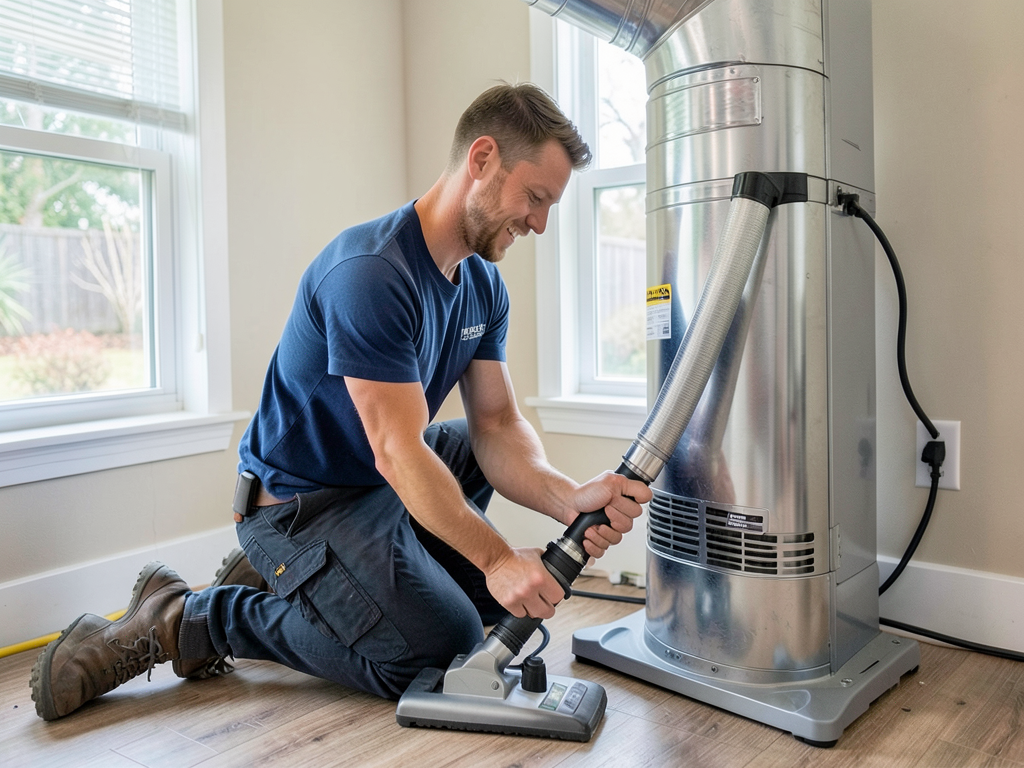
Eliminating Deep Set Pet Odors from Your Riverside Air Ducts for Good If you live…
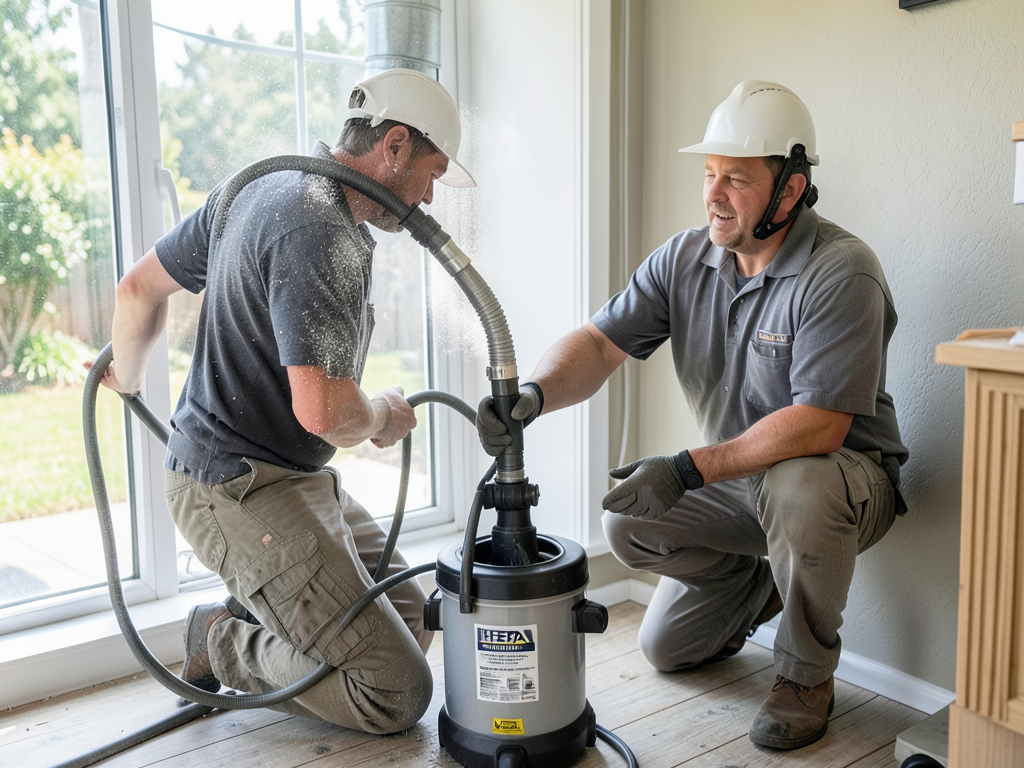
Eliminating Deep Set Pet Odors from Your Riverside Air Ducts for Good Living with pets…
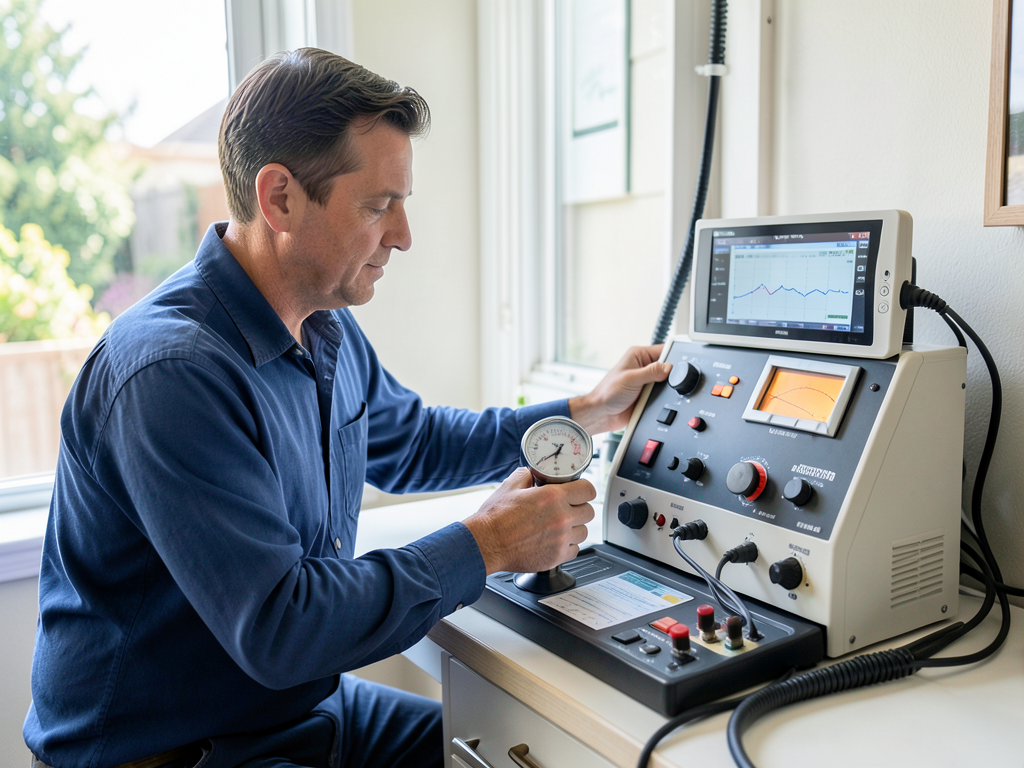
Why Your Riverside Range Hood and Bathroom Fans Affect Your AC Efficiency Your Riverside kitchen…
Your comfort cannot wait. Call Horizon HVAC Riverside at (951) 223-9644 for immediate service. Our technicians arrive prepared to diagnose and repair your system today. Available 24/7 for emergencies with upfront pricing and same-day repairs.