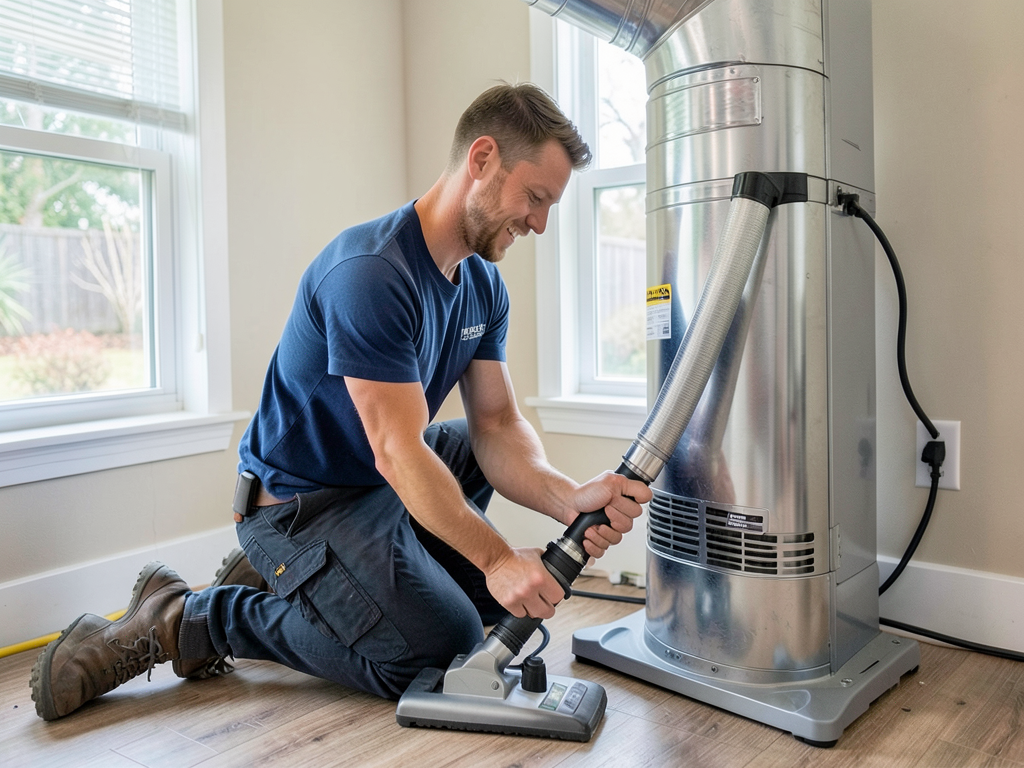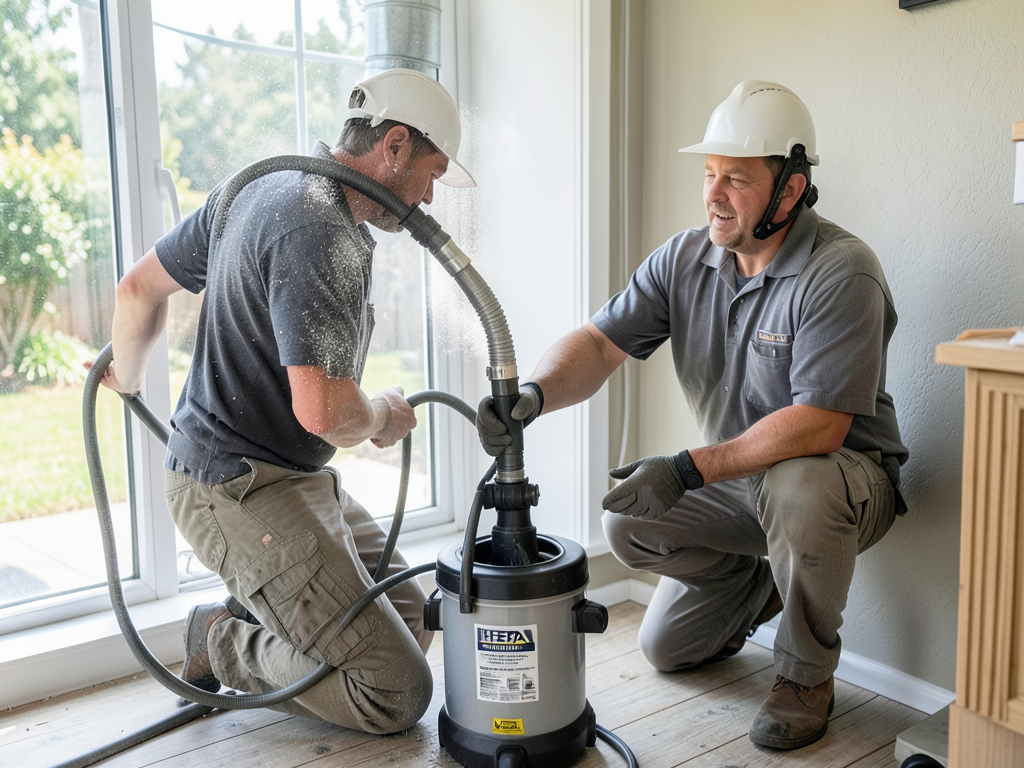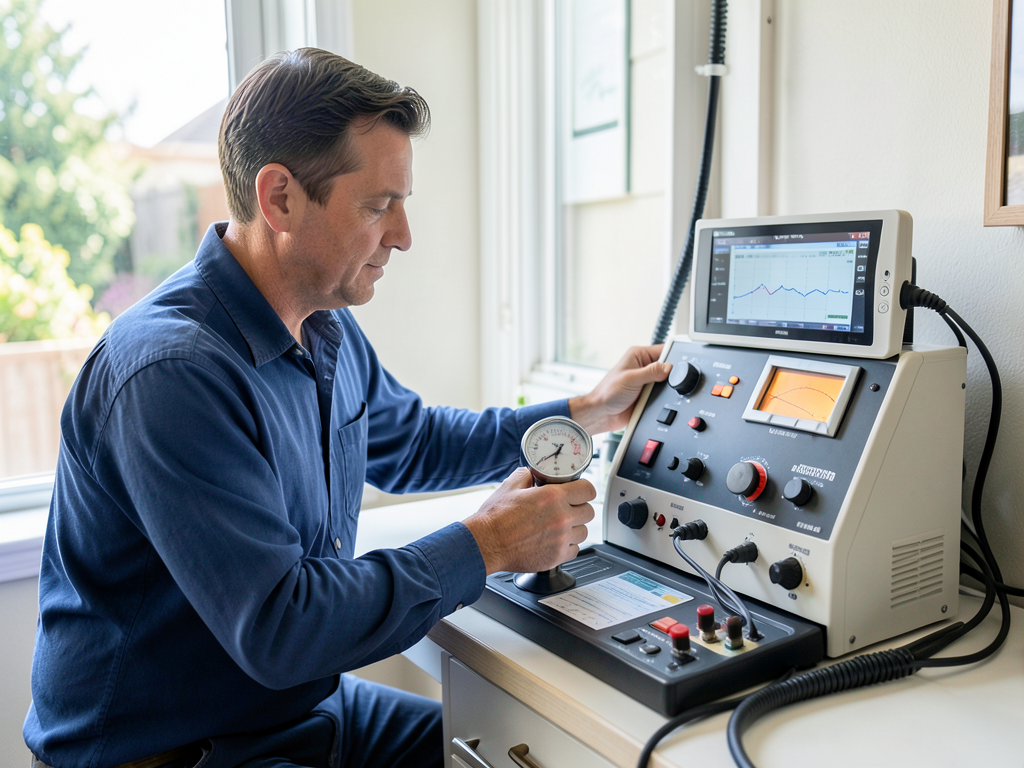







Riverside sits in a thermal basin where summer temperatures routinely exceed 100 degrees for weeks at a time. This sustained heat forces air conditioning systems to run longer cycles with shorter rest periods between them. Compressors that should cycle off every 20 minutes instead run for 45 minutes straight. This continuous operation accelerates bearing wear and refrigerant breakdown. When temperatures finally drop in late September, homeowners switch to heating mode and discover their furnace making noise because components weakened during summer's brutal workload. The dramatic temperature swings between 100-degree afternoons and 60-degree nights also cause metal components to expand and contract repeatedly, loosening mounting hardware and creating rattles that worsen each season.
Riverside County building codes require specific vibration isolation standards for HVAC installations, but many older systems predate these requirements. Homes built before 2000 often have condensers mounted directly on concrete pads without rubber isolation pads. This direct contact transmits every vibration into the foundation and amplifies operational noise throughout the home. We understand local code evolution and upgrade older installations to current standards when we perform repairs. This local expertise matters because generic HVAC companies often miss code compliance issues that create liability problems during home sales or insurance claims.