




Cathedral City sits in the Coachella Valley where summer temperatures routinely exceed 110 degrees and AC systems run 10-12 hours daily from May through October. This extreme demand creates failure patterns you won't see in coastal California. Compressors overheat. Capacitors blow from constant cycling. Evaporator coils freeze when filters clog with desert dust and sand blown in from the surrounding mountains.
The hardpan caliche soil common throughout neighborhoods like Desert Princess and Panorama shifts foundations, pulling ductwork apart at seams and creating massive air leaks that kill efficiency. Low humidity causes rubber seals to crack and refrigerant lines to develop leaks. Many homes here were built in rapid development phases during the 1980s and 2000s with builder-grade HVAC systems never designed for this kind of sustained extreme heat load.
Wind events from the San Gorgonio Pass blast sand into condenser coils, reducing airflow and forcing systems to work harder. Homes near Date Palm Drive and Ramon Road face particularly heavy dust loads. Your HVAC system in Cathedral City works three times harder than systems in temperate climates, which means three times more wear, more breakdowns, and higher stakes when something fails.
We've been running emergency HVAC calls in Cathedral City since we opened, and we've learned exactly how desert heat destroys cooling systems. Our trucks stock the specific capacitors, contactors, and compressor parts that fail most often in Coachella Valley heat. When we dispatch to your home, we arrive with the parts already on board. That means most repairs finish in a single visit while other companies make you wait days for parts orders.
Our technicians train specifically on how extreme heat impacts residential AC performance. We don't just swap parts. We test airflow across coils, measure refrigerant superheat in high ambient conditions, and check electrical draws under full load because desert heat exposes weaknesses that wouldn't matter in milder climates. A system that barely keeps up at 95 degrees will fail catastrophically at 115 degrees. We find those problems before they strand you in dangerous heat.
We answer phones at 2 AM because we know AC failures don't respect business hours. When your system dies overnight and your house hits 95 degrees by sunrise, you need a crew dispatched immediately. We run 24-hour emergency service specifically for Cathedral City because we've seen what happens when elderly residents or families with small children lose cooling in extreme heat. It's not just comfort. It's safety.
Every repair comes with a detailed explanation of what failed and why. We show you the burned capacitor or the seized compressor so you understand exactly what you're paying for. No upselling. No scare tactics. Just honest diagnosis and fast repairs from technicians who've fixed thousands of desert HVAC failures.

We dispatch technicians to Cathedral City within hours of your call, not tomorrow or next week. Our trucks run evening and weekend shifts because AC failures happen when systems work hardest. When your house hits 95 degrees, you need help today. We stock common failure parts so most repairs finish in one visit.

Our technicians train on high-temperature HVAC diagnosis specific to Coachella Valley conditions. We know how 115-degree days kill compressors, how dust clogs coils, and how low humidity cracks seals. We diagnose problems other companies miss because we understand how extreme heat breaks systems in ways textbooks don't cover.
We diagnose the actual problem and quote the real repair cost before we start work. No bait-and-switch pricing. No "diagnostic fees" that disappear into inflated repair bills. You get a straight answer about what failed, what it costs to fix, and why. Our reputation depends on customers who call us back, not customers we only see once.
We run regular service routes through every Cathedral City neighborhood from Desert Princess to Panorama to Mission Lakes. Our technicians know these housing developments, the common HVAC systems installed during each building phase, and the typical failure points. Local knowledge means faster diagnosis and repairs that account for your home's specific challenges.
Desert living demands more from your cooling system than anywhere else in California. A minor problem becomes a major emergency when outdoor temperatures hit 110 degrees and your AC can't keep up. Horizon HVAC Riverside handles everything from emergency breakdowns to planned replacements to routine maintenance that prevents failures during peak heat season.
We divide our services into emergency repairs that get you cooling again today, system replacements for equipment that's beyond repair, and preventive maintenance that catches problems before they leave you sweating. Each service category addresses different customer needs, but all share the same commitment to fast response and quality work that holds up under extreme Coachella Valley conditions.
Whether your compressor just seized, your 20-year-old system finally died, or you need someone to clean coils and check refrigerant before summer hits, we handle the full spectrum of residential HVAC service. Our approach stays the same across all work: diagnose accurately, explain clearly, fix it right, and make sure it holds up when temperatures spike.
Compressor failures, blown capacitors, seized fan motors, and refrigerant leaks stop your cooling system dead. We dispatch technicians fast with common failure parts already stocked on trucks. Most emergency repairs finish the same day so you're not sleeping in 90-degree heat waiting for parts to arrive. We test the full system after repairs to make sure it runs efficiently under load and won't fail again tomorrow.
When repair costs approach replacement value or your system can't maintain temperature anymore, we install new equipment sized correctly for Cathedral City heat loads. We calculate actual cooling requirements based on your home's square footage, insulation, and sun exposure, then install high-efficiency systems that handle extreme temperatures without constant cycling. Installation includes new lineset, proper refrigerant charging, and airflow verification so your new system performs as designed.
Desert dust destroys HVAC efficiency and causes failures if you don't maintain equipment regularly. We clean condenser coils, check refrigerant levels, test capacitors, measure electrical draws, and inspect all components before summer heat arrives. Maintenance visits catch small problems like weak capacitors or low refrigerant before they cause complete system failure on the hottest day of the year when every HVAC company is booked solid with emergencies.
The combination of extreme heat, desert dust, and constant system runtime creates specific failure patterns across Cathedral City neighborhoods. Systems that would last 20 years in coastal climates fail in 12-15 years here because they never get a break. Understanding these common problems helps you recognize warning signs before a minor issue becomes a complete breakdown.
Homes in older developments like those along Date Palm Drive face aging infrastructure issues. Ductwork installed in the 1980s develops leaks at seams. Original equipment reaches end of life. Newer construction in areas near Cathedral Canyon Drive often used builder-grade systems that weren't overbuilt for extreme conditions. These fail earlier and more often because they're running at capacity every summer day.
Geography matters too. Homes on the valley floor near the I-10 corridor face different challenges than properties with mountain views where wind and dust loads vary. Recognizing which problems affect your specific location helps you maintain your system properly and avoid the emergency failures that leave you without cooling when you need it most.
Start capacitors and run capacitors fail frequently in desert heat because they're working constantly from May through October. These electrical components wear out from thousands of start cycles and high ambient temperatures around outdoor units. When capacitors blow, your compressor won't start or your fan won't spin. We replace them fast because this is the most common emergency call we run in Cathedral City.
Low humidity makes rubber seals brittle and causes microscopic cracks in copper line sets over time. Refrigerant leaks slowly until your system can't maintain temperature anymore. We find leaks using electronic detectors and pressure tests, repair the leak point, then recharge the system properly. Simply adding refrigerant without fixing the leak wastes money and damages your compressor.
Desert sand and dust coat outdoor condenser coils and block airflow through the fins. Your system has to work harder to reject heat, which increases energy bills and shortens compressor life. Wind events from the pass make this worse in exposed locations. We clean coils with specialized chemicals that dissolve buildup without damaging fins, restoring full airflow and efficiency.
Caliche soil throughout Cathedral City shifts as it gets wet and dries seasonally. This movement pulls ductwork apart at seams and creates gaps that dump cooled air into attics or crawl spaces. You're paying to cool spaces that don't matter while your house stays hot. We test duct systems for leaks and seal them properly so all your cooled air reaches living spaces.
We built our service process around what customers actually need when their AC fails in extreme heat. That means fast response, clear communication, and repairs that work the first time. You won't wait days for a callback or wonder what's happening with your repair. From the moment you call to the moment your system runs cold again, we keep you informed and work fast.
Our process eliminates the typical frustrations of HVAC service. No mysterious diagnostic fees. No pressure sales tactics for equipment you don't need. No technicians who disappear for hours between the diagnosis and the repair. We treat your time and your home with respect, show up when we say we will, and finish the job properly before we leave.
Every customer gets the same straightforward service whether you need a simple capacitor replacement or a complete system installation. Our reputation depends on customers who call us back for future service and refer their neighbors, not on maximizing revenue from a single visit. That philosophy shapes how we train technicians and structure our service standards.
When you call with an AC emergency, we answer the phone and dispatch a technician to your Cathedral City home the same day whenever possible. You get a specific arrival window, not an all-day wait. Our trucks stock common failure parts so we're not making multiple trips or ordering components that take days to arrive. We understand that when your house is hitting 95 degrees, you need help now, not next week.
Our technician tests your system, identifies the failure point, and explains what happened in plain language. You see the failed part. We quote the repair cost before starting work. No surprises. No hidden fees. If you need a new compressor, we explain why and show you the seized component. If it's just a capacitor, we don't invent additional problems to inflate the bill. You get honest service.
After we replace the failed component, we test the entire system under load to verify proper operation. We measure airflow, check refrigerant pressures, test electrical draws, and make sure your AC cools efficiently before we leave. The repair comes with a warranty on parts and labor. If something goes wrong with our work, we come back and fix it at no charge.
We streamlined our service approach to eliminate wasted time and get your cooling system running fast. Three clear steps take you from emergency call to cold air blowing again.
Call us at (951) 223-9644 and talk to a real person who understands HVAC emergencies. We gather basic information about your problem, check technician availability, and give you an arrival window the same day for emergency calls. You get a callback when the technician is 30 minutes away. No waiting around all day wondering when someone will show up.
Our technician tests your system, identifies what failed, and explains the problem clearly. We quote the repair cost before starting work. Once you approve, we complete the repair using quality parts from our truck stock. Most common failures like capacitors, contactors, and fan motors get fixed in under two hours because we arrive with parts ready to install.
After completing repairs, we test your entire system under full load. We measure temperatures, check airflow, verify refrigerant pressures, and make sure everything operates correctly before we leave your home. You get documentation of the work performed, warranty information, and a direct number to call if any problems develop with the repair.
Most HVAC systems are designed and rated for AHRI Standard 210/240 conditions, which assumes 95-degree outdoor temperature and 80-degree indoor temperature with 50% humidity. Cathedral City regularly exceeds these design conditions by 15-20 degrees for months at a time. This matters because compressor efficiency drops and cooling capacity decreases as outdoor temperature rises. A system rated for three tons of cooling at 95 degrees might only deliver 2.5 tons at 115 degrees.
California Title 24 energy code requires specific efficiency minimums and duct testing protocols for new installations and replacements. Systems must meet 14 SEER minimum efficiency, but higher SEER ratings become more valuable in desert climates where equipment runs constantly. We size systems using Manual J load calculations that account for your home's actual sun exposure, insulation values, and window ratings, not just square footage rules of thumb that undersized equipment.
Refrigerant charging requires precision in high ambient conditions. We measure superheat and subcooling to verify proper charge rather than relying on simple pressure readings that vary with outdoor temperature. Incorrect charge causes compressor failure and dramatically reduces system life. Airflow across the evaporator coil must deliver 400 CFM per ton of cooling, which requires proper duct sizing and minimal restriction from dirty filters or blocked returns.
High-temperature operation exposes electrical weaknesses that wouldn't cause problems in milder climates. We measure voltage at the unit under load, check contact resistance on relays, and test capacitance values because borderline components that work fine at 95 degrees fail catastrophically at 115 degrees. Desert HVAC service requires understanding how extreme conditions amplify normal wear patterns and cause failures that wouldn't happen elsewhere.
Manual J load calculations account for extreme outdoor temperatures, sun exposure, insulation values, and window ratings to determine actual cooling requirements. Undersized systems run constantly and fail early. Oversized systems short-cycle and don't dehumidify properly. We size equipment for your home's specific conditions, not generic square footage estimates that cause problems in extreme climates.
Repair costs depend on which component failed and whether related damage occurred. Simple capacitor replacement costs far less than compressor replacement. Refrigerant leaks require finding the leak point, repairing it, pressure testing, evacuating the system, and recharging with expensive refrigerant. Age matters because finding parts for discontinued systems takes longer and costs more.
Most emergency repairs finish the same day when we stock the necessary parts. Complex repairs requiring special-order components take 2-5 days depending on parts availability. Complete system replacements typically require one full day for residential installations including removal of old equipment, installation of new indoor and outdoor units, and complete system testing.
California Title 24 mandates specific efficiency requirements, duct testing, and refrigerant charge verification for system replacements. All new installations require permits and inspection by local building departments. We handle permit applications and coordinate inspections so your installation meets code and protects your home value. Unpermitted work creates problems when you sell your home.
Expert explanation of why HVAC systems fail frequently in Cathedral City's extreme desert climate and how to prevent emergency breakdowns. Covers common failure patterns including capacitor problems, refrigerant leaks, dust-clogged coils, and compressor issues specific to Coachella Valley heat. Includes guidance on proper system sizing, maintenance schedules, and what to expect from professional AC repair service in Cathedral City neighborhoods.
Horizon HVAC Riverside runs regular service routes throughout Cathedral City from the northern neighborhoods near Desert Princess Country Club down to the southern developments along Ramon Road. We know these communities because we work in them every day, and we understand how location affects your HVAC challenges.
Homes in the Desert Princess and Big League Dreams areas face heavy dust loads from the exposed desert to the north and wind funneling through the valley. Outdoor condenser units in these neighborhoods need more frequent coil cleaning to maintain efficiency. The older established homes along Date Palm Drive and East Palm Canyon Drive often have original HVAC equipment from the 1980s reaching end of life along with ductwork that's developed leaks from decades of foundation movement in caliche soil.
The Panorama neighborhood sits slightly elevated with different wind patterns and sun exposure compared to valley floor properties. Systems here often struggle with afternoon heat gain from western sun exposure, requiring careful attention to refrigerant charge and airflow to maintain comfort during peak hours. Mission Lakes and Cathedral Canyon Country Club homes tend to be larger with more complex zoned HVAC systems that need technicians who understand multi-zone operation and damper control.
Properties near the I-10 corridor along Ramon Road face road dust and higher ambient noise that affects outdoor unit placement and requires attention to vibration isolation. The newer construction near Cathedral Canyon Drive often includes builder-grade equipment that wasn't overbuilt for extreme conditions, leading to earlier replacement needs compared to properly sized systems.
We also service surrounding Coachella Valley communities including Palm Springs, Rancho Mirage, Palm Desert, and Desert Hot Springs. Our technicians travel from our Riverside County base throughout the valley because desert HVAC work requires specific expertise that general contractors don't always have. Whether you're in an established neighborhood north of Highway 111 or newer development south toward the I-10, we respond fast with the parts and knowledge to fix your system right.
The $5000 rule is a guideline for deciding whether to repair or replace your system. Multiply the age of your unit by the repair cost. If the total exceeds $5000, replacement is usually smarter. For example, a 12-year-old system needing $500 in repairs equals $6000, suggesting replacement makes more financial sense. In Cathedral City's extreme desert heat, older systems work harder and fail faster. Units over 10 years old often struggle with efficiency in our climate, driving up energy bills while delivering less comfort. This rule helps you avoid throwing money at a dying system.
HVAC installers in Cathedral City typically charge $75 to $150 per hour for labor, depending on complexity and licensing level. Simple repairs or maintenance fall on the lower end, while specialized work like ductwork modification or refrigerant handling costs more. Most companies price jobs by the project rather than hourly to give you predictable costs. Emergency service outside business hours runs higher. Cathedral City's competitive market means you can compare quotes, but beware of extremely low rates that often signal unlicensed contractors or corner-cutting. Quality installation matters in our brutal summer heat.
A complete HVAC system for a 1200 square foot house in Cathedral City typically ranges from $4500 to $8500, depending on unit efficiency, brand, and ductwork condition. Our desert climate demands higher SEER ratings to handle 110-degree summers without breaking the bank on electricity. Single-story homes with accessible attics cost less to install than complex layouts. Existing ductwork in good shape saves thousands. Budget systems cool adequately but run harder in extreme heat. Mid-tier units with 16 SEER or higher offer better long-term value for Cathedral City's relentless sun and temperature swings.
The $5000 rule is a guideline for deciding whether to repair or replace your system. Multiply the age of your unit by the repair cost. If the total exceeds $5000, replacement is usually smarter. For example, a 12-year-old system needing $500 in repairs equals $6000, suggesting replacement makes more financial sense. In Cathedral City's extreme desert heat, older systems work harder and fail faster. Units over 10 years old often struggle with efficiency in our climate, driving up energy bills while delivering less comfort. This rule helps you avoid throwing money at a dying system.
HVAC installers in Cathedral City typically charge $75 to $150 per hour for labor, depending on complexity and licensing level. Simple repairs or maintenance fall on the lower end, while specialized work like ductwork modification or refrigerant handling costs more. Most companies price jobs by the project rather than hourly to give you predictable costs. Emergency service outside business hours runs higher. Cathedral City's competitive market means you can compare quotes, but beware of extremely low rates that often signal unlicensed contractors or corner-cutting. Quality installation matters in our brutal summer heat.
A complete HVAC system for a 1200 square foot house in Cathedral City typically ranges from $4500 to $8500, depending on unit efficiency, brand, and ductwork condition. Our desert climate demands higher SEER ratings to handle 110-degree summers without breaking the bank on electricity. Single-story homes with accessible attics cost less to install than complex layouts. Existing ductwork in good shape saves thousands. Budget systems cool adequately but run harder in extreme heat. Mid-tier units with 16 SEER or higher offer better long-term value for Cathedral City's relentless sun and temperature swings.
Service calls in Cathedral City average $89 to $150 for diagnostics, which covers the technician visit and system evaluation. This fee often applies toward repair costs if you proceed. Emergency calls after hours or weekends run $150 to $250. The diagnostic fee lets technicians identify issues like refrigerant leaks, electrical problems, or failed capacitors. Routine maintenance visits cost less, typically $75 to $125, and include cleaning, filter changes, and performance checks. Regular service calls prevent breakdowns during Cathedral City's scorching summer months when AC failure becomes a safety issue.
In 2025, HVAC systems qualify for federal tax credits if they meet energy efficiency requirements. The Inflation Reduction Act allows up to $2000 for high-efficiency heat pumps or central AC units meeting specific standards. Standard AC-only systems receive credits up to $600. Equipment must be installed in your primary residence and meet ENERGY STAR criteria. Cathedral City homeowners should verify current credit amounts and efficiency thresholds before purchasing, as programs change annually. These credits reduce your tax liability directly, making high-efficiency systems more affordable. Keep receipts and manufacturer certifications for filing.
The 3-minute rule prevents compressor damage by requiring a minimum wait time between system cycles. When your AC shuts off, refrigerant pressure needs time to equalize before restarting. Starting too soon forces the compressor to work against high pressure, causing premature wear or failure. Modern thermostats have built-in delay circuits to enforce this protection. If you manually turn your system off and back on quickly, you risk expensive compressor damage. In Cathedral City's heat, homeowners sometimes toggle thermostats impatiently, but respecting this rule extends equipment life and prevents costly emergency repairs.
HVAC installation for a 2000 square foot house in Cathedral City runs $6000 to $12000, depending on system quality, layout complexity, and ductwork needs. Two-story homes cost more than single-level due to installation difficulty. Desert climate demands higher-capacity systems with strong dehumidification, even though Cathedral City stays dry. Zoning systems add cost but improve comfort and efficiency. Expect higher prices for variable-speed units or multi-stage compressors that handle temperature extremes better. Older homes with outdated ductwork require additional investment. Mid-range equipment with professional installation delivers the best value for our extreme conditions.
A complete HVAC installation in Cathedral City takes 1 to 3 days for most residential projects. Straightforward replacements with existing ductwork in good condition finish in 6 to 8 hours. Complex jobs requiring ductwork modifications, electrical upgrades, or challenging attic access take longer. Two-story homes or properties needing permit inspections add time. Crews usually work morning hours to avoid Cathedral City's afternoon heat, which can slow progress. Quality installation requires careful refrigerant charging, leak testing, and airflow balancing. Rushing installation causes problems. Expect minor disruption but maintained comfort with proper planning.
Installing central AC in a 1500 square foot house in Cathedral City costs $5000 to $9500, depending on whether ductwork exists. Homes with existing ducts pay less, while adding new ductwork adds $3000 to $5000. Split systems cost less than package units. Cathedral City's climate requires properly sized equipment. Oversized units cycle inefficiently, while undersized systems run continuously without cooling adequately. Proper insulation and sealed ducts matter in our heat. Factor in electrical panel upgrades if your home lacks capacity for modern high-efficiency equipment. Quality installation prevents callbacks and maximizes system life.
Fall and spring offer the best HVAC buying opportunities in Cathedral City. October through December brings year-end clearance sales as manufacturers release new models. March and April offer spring promotions before summer demand spikes. Avoid purchasing during June through August when demand peaks and prices rise. Emergency replacements during 110-degree heat cost more and limit options. Planning ahead lets you compare quotes, research rebates, and schedule installation during moderate weather. Cathedral City's mild winters allow comfortable timing. Buying off-season gives leverage for negotiation and ensures crews have adequate time for quality installation without heat-related rushing.
Service calls in Cathedral City average $89 to $150 for diagnostics, which covers the technician visit and system evaluation. This fee often applies toward repair costs if you proceed. Emergency calls after hours or weekends run $150 to $250. The diagnostic fee lets technicians identify issues like refrigerant leaks, electrical problems, or failed capacitors. Routine maintenance visits cost less, typically $75 to $125, and include cleaning, filter changes, and performance checks. Regular service calls prevent breakdowns during Cathedral City's scorching summer months when AC failure becomes a safety issue.
In 2025, HVAC systems qualify for federal tax credits if they meet energy efficiency requirements. The Inflation Reduction Act allows up to $2000 for high-efficiency heat pumps or central AC units meeting specific standards. Standard AC-only systems receive credits up to $600. Equipment must be installed in your primary residence and meet ENERGY STAR criteria. Cathedral City homeowners should verify current credit amounts and efficiency thresholds before purchasing, as programs change annually. These credits reduce your tax liability directly, making high-efficiency systems more affordable. Keep receipts and manufacturer certifications for filing.
The 3-minute rule prevents compressor damage by requiring a minimum wait time between system cycles. When your AC shuts off, refrigerant pressure needs time to equalize before restarting. Starting too soon forces the compressor to work against high pressure, causing premature wear or failure. Modern thermostats have built-in delay circuits to enforce this protection. If you manually turn your system off and back on quickly, you risk expensive compressor damage. In Cathedral City's heat, homeowners sometimes toggle thermostats impatiently, but respecting this rule extends equipment life and prevents costly emergency repairs.
HVAC installation for a 2000 square foot house in Cathedral City runs $6000 to $12000, depending on system quality, layout complexity, and ductwork needs. Two-story homes cost more than single-level due to installation difficulty. Desert climate demands higher-capacity systems with strong dehumidification, even though Cathedral City stays dry. Zoning systems add cost but improve comfort and efficiency. Expect higher prices for variable-speed units or multi-stage compressors that handle temperature extremes better. Older homes with outdated ductwork require additional investment. Mid-range equipment with professional installation delivers the best value for our extreme conditions.
A complete HVAC installation in Cathedral City takes 1 to 3 days for most residential projects. Straightforward replacements with existing ductwork in good condition finish in 6 to 8 hours. Complex jobs requiring ductwork modifications, electrical upgrades, or challenging attic access take longer. Two-story homes or properties needing permit inspections add time. Crews usually work morning hours to avoid Cathedral City's afternoon heat, which can slow progress. Quality installation requires careful refrigerant charging, leak testing, and airflow balancing. Rushing installation causes problems. Expect minor disruption but maintained comfort with proper planning.
Installing central AC in a 1500 square foot house in Cathedral City costs $5000 to $9500, depending on whether ductwork exists. Homes with existing ducts pay less, while adding new ductwork adds $3000 to $5000. Split systems cost less than package units. Cathedral City's climate requires properly sized equipment. Oversized units cycle inefficiently, while undersized systems run continuously without cooling adequately. Proper insulation and sealed ducts matter in our heat. Factor in electrical panel upgrades if your home lacks capacity for modern high-efficiency equipment. Quality installation prevents callbacks and maximizes system life.
Fall and spring offer the best HVAC buying opportunities in Cathedral City. October through December brings year-end clearance sales as manufacturers release new models. March and April offer spring promotions before summer demand spikes. Avoid purchasing during June through August when demand peaks and prices rise. Emergency replacements during 110-degree heat cost more and limit options. Planning ahead lets you compare quotes, research rebates, and schedule installation during moderate weather. Cathedral City's mild winters allow comfortable timing. Buying off-season gives leverage for negotiation and ensures crews have adequate time for quality installation without heat-related rushing.
We invite you to explore our service area and see where Horizon HVAC proudly delivers exceptional heating and cooling solutions. While our physical location serves as our hub, our dedicated team extends its expert services across the entire region, bringing unparalleled comfort and air quality directly to your doorstep, whether for residential or commercial needs, ensuring we’re always within reach for your HVAC requirements.
Address:
Cathedral City, CA, 92234

Understanding the 2026 Riverside Energy Standards for New Home Additions\nBuilding a home addition in Riverside in 2026 means navigating new energy efficiency requirements that will directly impact your HVAC system costs and specifications. The 2025…
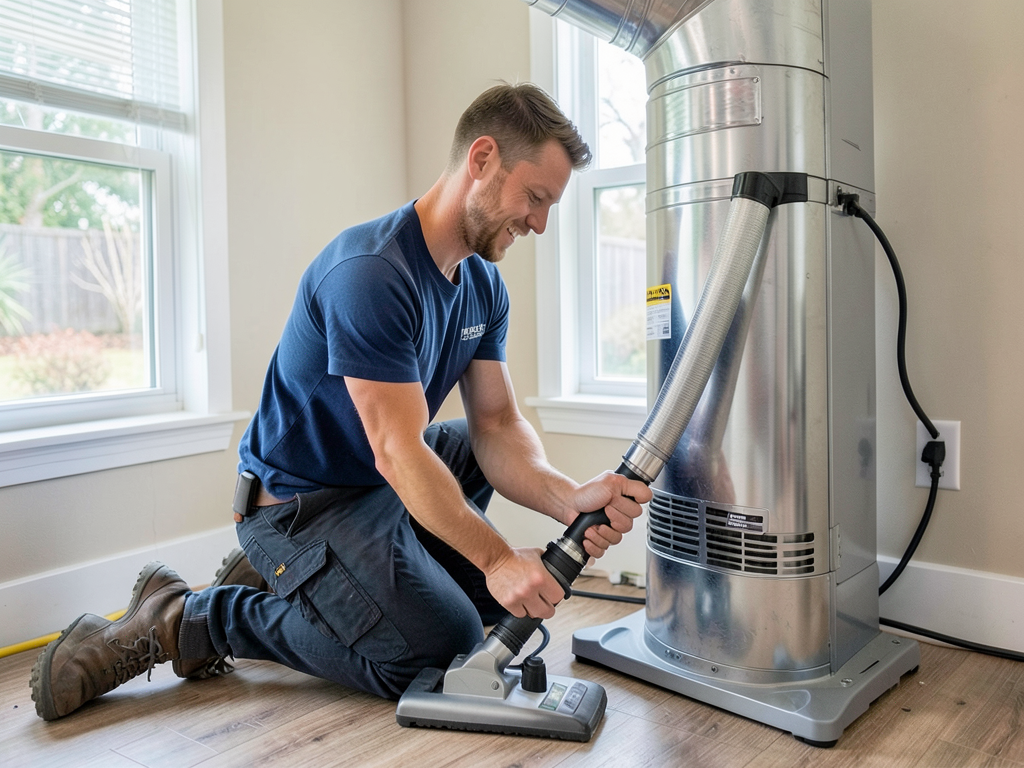
Eliminating Deep Set Pet Odors from Your Riverside Air Ducts for Good If you live…
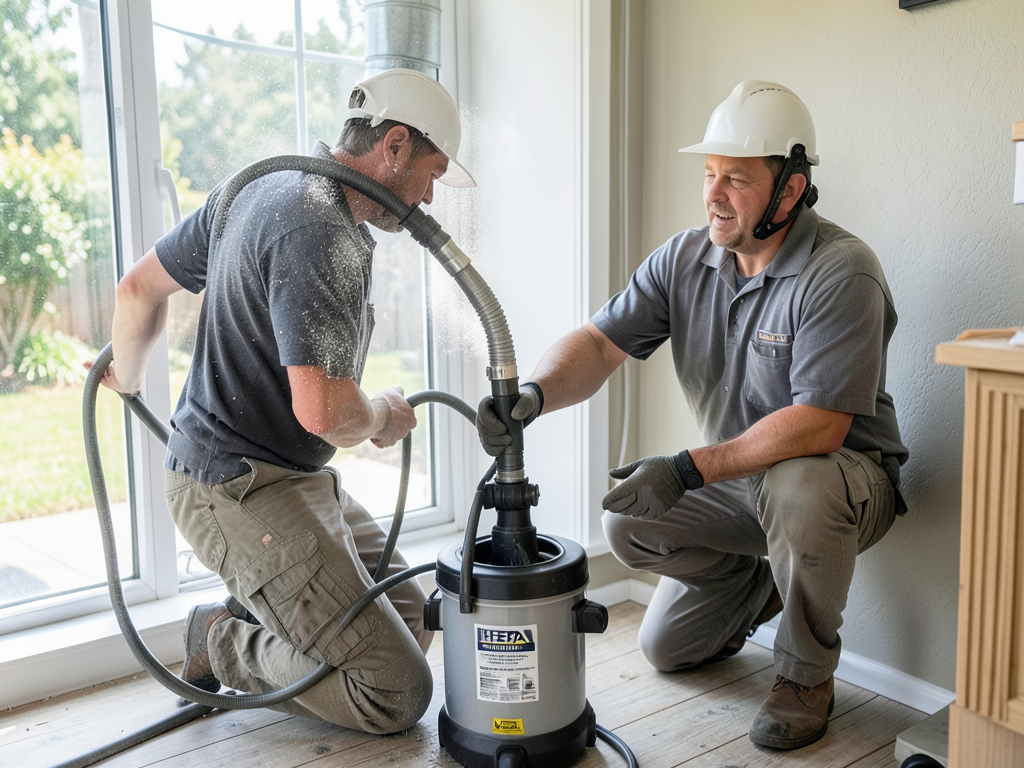
Eliminating Deep Set Pet Odors from Your Riverside Air Ducts for Good Living with pets…
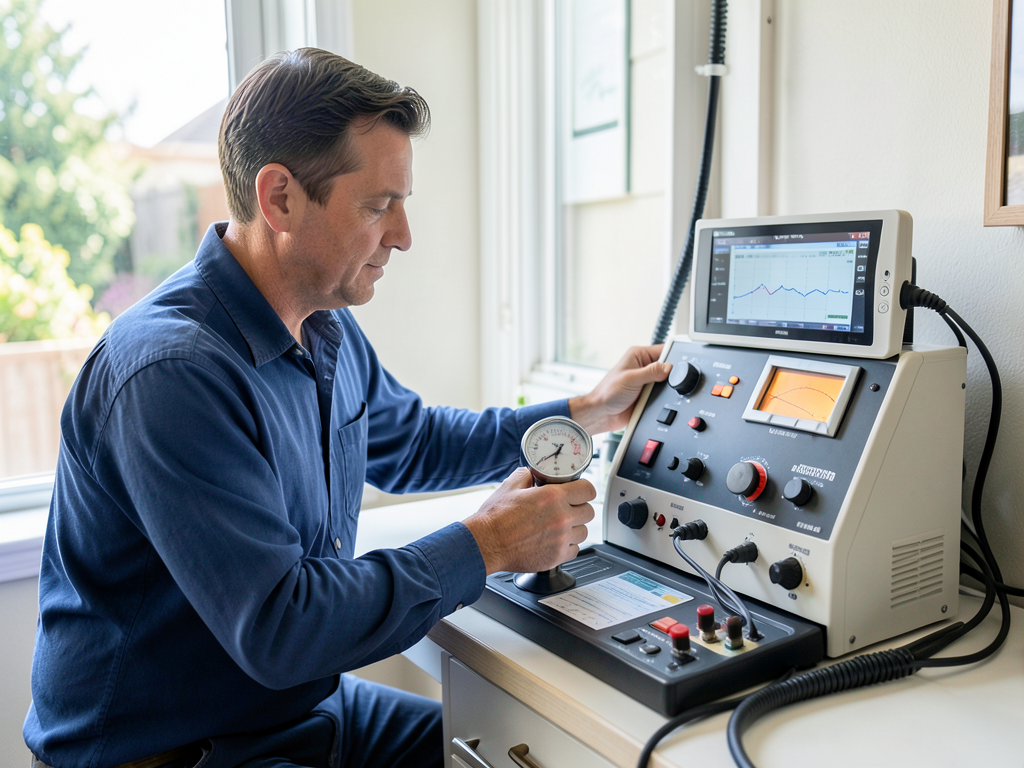
Why Your Riverside Range Hood and Bathroom Fans Affect Your AC Efficiency Your Riverside kitchen…
Your home shouldn't be 95 degrees while you wait for repair help. Call Horizon HVAC Riverside now at (951) 223-9644 for same-day emergency service in Cathedral City. We answer 24/7 and dispatch technicians fast with parts ready to fix your system today.