Combine Attic Insulation and HVAC Upgrades for a Cooler Hawarden Hills Home
Your Hawarden Hills home faces some of the harshest summer heat in Riverside County. When attic temperatures soar past 150°F and your HVAC system struggles to keep up, the solution isn’t just a bigger air conditioner. The real answer lies in combining proper attic insulation with strategic HVAC upgrades to create a complete thermal envelope that works with your cooling system instead of against it.. Read more about How to Claim Your 2026 Riverside Heat Pump Rebates Before They Expire.
Many homeowners in the Inland Empire make the mistake of replacing their AC unit without addressing the heat gain through their attic. This approach wastes money and energy. A properly insulated attic can reduce your cooling load by 20-30%, allowing your HVAC system to run more efficiently and last longer. The combination approach addresses both the source of heat gain and the system that removes it.
Understanding Heat Transfer in Hawarden Hills
Hawarden Hills sits in a unique microclimate where summer temperatures regularly exceed 100°F. The intense California sun beats down on roof surfaces, creating extreme heat buildup in attics. This heat doesn’t just stay in the attic—it radiates through your ceiling into your living spaces, forcing your air conditioner to work overtime. California Title 24 Energy Efficiency Standards.
Heat transfers through your home in three ways: conduction through solid materials, convection through air movement, and radiation from hot surfaces. Your attic experiences all three simultaneously. The sun heats your roof shingles, which conduct heat through the roof decking. Hot air rises and creates convection currents. Your attic radiates heat downward into your home.
Without proper insulation, your HVAC system fights a losing battle. It removes heat from your living space, but that heat immediately returns through the ceiling. This creates constant cycling, higher energy bills, and premature system failure. The solution requires breaking this heat transfer cycle at its source.. Read more about Lower Your Bills with a Whole House Fan Installation in Riverside.
Attic Insulation Types for Riverside’s Climate
Not all insulation performs equally in Riverside’s extreme heat. The right choice depends on your home’s construction, existing conditions, and budget. Here’s how different insulation types compare for Hawarden Hills homes:
| Insulation Type | R-Value per Inch | Best Use Case | Cost per Square Foot |
|---|---|---|---|
| Blown-in Cellulose | R-3.2 to R-3.8 | Existing attics, irregular spaces | $1.50 – $2.50 |
| Fiberglass Batts | R-2.9 to R-3.8 | New construction, DIY projects | $0.50 – $1.50 |
| Radiant Barrier | Reflects 90-97% of radiant heat | Hot climates, metal roofs | $0.10 – $0.30 |
| Closed-cell Spray Foam | R-6.0 to R-7.0 | Air sealing, moisture control | $2.00 – $3.50 |
Blown-in cellulose works exceptionally well for Hawarden Hills homes because it fills gaps and creates a uniform thermal barrier. Made from recycled paper products, it’s treated for fire resistance and performs well in our dry climate. The material settles over time but maintains its insulating properties for decades.
Fiberglass batts offer a more affordable option but require careful installation to avoid gaps that compromise performance. In Hawarden Hills, where attic access can be challenging due to steep roof pitches common in the area, blown-in options often provide better coverage and value. How Much Does a New AC Installation Cost in Woodcrest Today?.
Radiant barriers deserve special consideration for our climate. These reflective materials installed under the roof deck can reduce attic temperatures by 20-30°F. When combined with traditional insulation, they create a powerful heat-blocking system specifically designed for Southern California’s intense sun exposure. Southern California Edison Rebate Programs.
California Title 24 Requirements for Riverside County
California’s Title 24 energy efficiency standards set minimum insulation requirements that vary by climate zone. Hawarden Hills falls in Climate Zone 10, which has some of the most stringent requirements in the state. Understanding these standards helps you make informed decisions about your insulation investment. Switching to a High Efficiency Heat Pump in Riverside to Save on Monthly Energy Bills.
For attic floors, Title 24 requires a minimum R-38 for new construction in Zone 10. However, for optimal performance in our extreme heat, energy experts recommend R-49 to R-60. These higher values significantly reduce heat gain and can qualify for utility rebates.. Read more about Why the Second Floor of Your Spring Mountain Ranch Home Stays Hot (And How to Fix It).
The California Energy Commission also mandates specific installation practices. Insulation must be installed according to manufacturer specifications with no compression or gaps. Vapor barriers are generally not required in our dry climate but may be recommended for certain roof types common in Hawarden Hills.
Compliance with Title 24 isn’t just about meeting minimum standards—it’s about creating a home that stays comfortable while using less energy. Homes that exceed Title 24 requirements often see 30-40% reductions in cooling costs compared to minimally compliant homes.
Matching Insulation to Your HVAC System
The relationship between your attic insulation and HVAC system is symbiotic. Poor insulation forces your AC to work harder, while an undersized or aging system can’t overcome significant heat gain even with good insulation. The key is finding the right balance for your specific home.. Read more about Finding a Trusted Contractor for Attic Insulation and HVAC Efficiency in Riverside.
Older homes in Hawarden Hills often have HVAC systems that were sized for the home’s original insulation levels. When you upgrade insulation, you may be able to downsize your AC unit while actually improving cooling performance. This saves money on both installation and operating costs.
Modern high-efficiency air conditioners work best when paired with proper insulation. These units are designed to run longer cycles at lower power, which maintains more consistent temperatures and removes more humidity. Without good insulation, they can’t achieve their rated efficiency.
Consider your home’s square footage, ceiling height, window orientation, and existing ductwork when planning upgrades. A 2,000-square-foot home in Hawarden Hills might need 15-20% less cooling capacity after proper attic insulation installation. This reduction means lower equipment costs and smaller utility bills.
Air Sealing: The Critical First Step
Before adding insulation, air sealing your attic is essential. Many Hawarden Hills homes have numerous small air leaks that add up to significant energy loss. These leaks occur around light fixtures, plumbing vents, attic access hatches, and where interior walls meet the attic floor.
Air sealing involves using caulk, spray foam, and weatherstripping to close these gaps. The process typically takes 2-4 hours for an average home and can reduce heating and cooling costs by 10-15% on its own. More importantly, it prevents moisture problems and improves indoor air quality.
Common air leak locations in Hawarden Hills homes include:
- Attic access hatches and pull-down stairs
- Recessed light fixtures (especially older non-IC rated cans)
- Plumbing and electrical penetrations through the ceiling
- Chimney chases and furnace flues
- Interior wall top plates
Professional air sealing uses specialized equipment to detect leaks that aren’t visible to the naked eye. This includes infrared cameras and blower door tests that measure air infiltration rates. The investment in proper air sealing typically pays for itself within 2-3 years through energy savings.
Rodent Proofing and Attic Sanitation
Hawarden Hills’ suburban setting means many homes face rodent issues in their attics. Rats and mice seek the cool, protected environment of insulated attics, especially during our hot summers. They can destroy insulation, create fire hazards by chewing wires, and introduce health risks through droppings and urine.
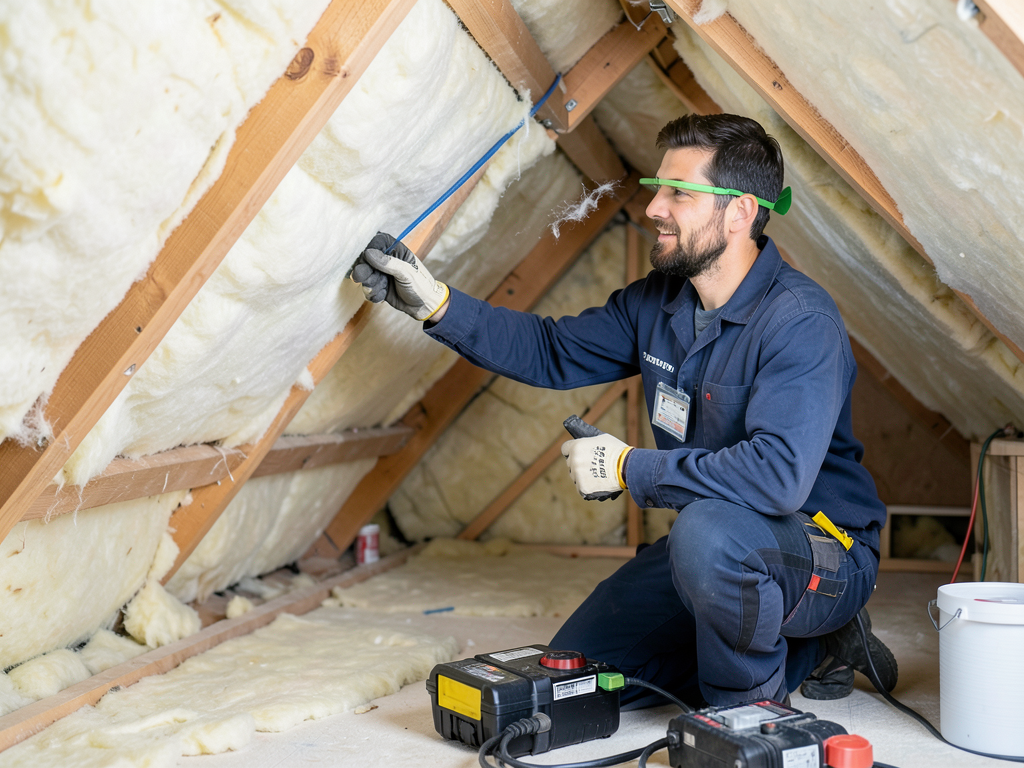
Before insulation installation, a thorough attic inspection is crucial. Look for signs of rodent activity: droppings, nesting materials, chewed wires, or damaged insulation. The presence of rodents requires a complete sanitation process before new insulation can be installed.
Rodent proofing involves sealing entry points around the roofline, vents, and where utilities enter the home. Common entry points in Hawarden Hills homes include roof vents without proper screening, gaps in soffits, and openings around chimneys. Steel wool, hardware cloth, and expanding foam create effective barriers.
Professional sanitation includes removing contaminated insulation, disinfecting surfaces, and installing new insulation that resists rodent nesting. Some insulation products now include boric acid treatment that deters pests while remaining safe for humans and pets.
Energy Efficiency Rebates and Incentives
Upgrading your attic insulation and HVAC system can qualify for substantial rebates through various programs. These incentives can reduce your project costs by 20-40%, making energy efficiency upgrades much more affordable for Hawarden Hills homeowners.
Southern California Edison (SCE) offers rebates for both insulation and HVAC upgrades through their Energy Management Assistance program. Homeowners can receive up to $1,000 for attic insulation improvements that meet specific R-value requirements. The program also provides rebates for high-efficiency air conditioners and heat pumps.
Riverside Public Utilities customers may qualify for additional incentives through the Energy Efficiency Rebate Program. These rebates cover insulation upgrades, smart thermostats, and high-efficiency HVAC equipment. Some programs offer instant rebates at the point of purchase through participating contractors.
Federal tax credits through the Energy Efficient Home Improvement Credit can provide up to 30% of project costs, with maximum credits of $1,200 per year for insulation and air sealing improvements. These credits apply to both materials and labor when installed by qualified professionals.
Local utility providers often have income-qualified programs that provide free or heavily discounted insulation and HVAC upgrades to eligible homeowners. These programs prioritize seniors, veterans, and low-income households in Riverside County.
The Installation Process: What to Expect
Professional attic insulation and HVAC upgrades follow a systematic process that ensures optimal results. Understanding this process helps you prepare your home and know what to expect during installation.
Initial inspection typically takes 1-2 hours and includes evaluating your current insulation, checking for moisture problems, identifying air leaks, and assessing your HVAC system’s condition. The technician will also check for any code compliance issues specific to Hawarden Hills homes.
Preparation involves protecting your living spaces from dust and debris. This includes laying floor protection, sealing off work areas, and setting up ventilation if needed. For homes with existing insulation, removal may be necessary, especially if it’s damaged or contaminated.
Air sealing comes next and typically requires 2-4 hours. Technicians seal all identified leaks using appropriate materials for each location. This step is critical—skipping air sealing can reduce your insulation’s effectiveness by up to 50%.
Insulation installation varies by material. Blown-in insulation takes 2-4 hours for an average home, while batt installation might take 4-6 hours. Radiant barriers require 1-2 days for proper installation. The entire process from start to finish usually takes 1-3 days depending on home size and complexity.
Post-installation inspection ensures all work meets code requirements and manufacturer specifications. This includes checking insulation depth, verifying air sealing completeness, and confirming proper ventilation is maintained.
Long-term Benefits and ROI
The combination of attic insulation and HVAC upgrades delivers multiple long-term benefits that extend far beyond energy savings. Understanding the full return on investment helps justify the upfront costs of these improvements.
Energy savings typically range from 20-40% on cooling costs for Hawarden Hills homes. For a typical 2,000-square-foot home spending $200 monthly on cooling, this translates to $40-80 in monthly savings. With proper insulation lasting 20-30 years, the lifetime energy savings can exceed $15,000.
Extended HVAC system life represents another significant benefit. When your AC doesn’t have to work as hard, it experiences less wear and tear. This can add 3-5 years to your system’s lifespan, delaying the $5,000-10,000 replacement cost.
Improved comfort is often the most noticeable benefit. Homes with proper insulation maintain more consistent temperatures, eliminate hot and cold spots, and reduce humidity levels. This creates a more comfortable living environment year-round.
Increased home value comes from both the energy efficiency improvements and the enhanced comfort. Energy-efficient homes typically sell for 3-5% more than comparable homes without these upgrades. In Hawarden Hills’ competitive real estate market, this can mean thousands in added value.
Environmental benefits include reduced carbon emissions and decreased strain on the electrical grid during peak demand periods. A typical home upgrade can reduce CO2 emissions by 2-4 tons annually—equivalent to taking a car off the road for several months.
Common Mistakes to Avoid
Many homeowners make costly mistakes when upgrading their attic insulation and HVAC systems. Understanding these pitfalls helps you make better decisions and avoid wasted money and effort.
Undersizing insulation is a common error. Some contractors recommend minimum code compliance when optimal performance requires exceeding those standards. In Hawarden Hills’ extreme climate, the difference between minimum and optimal insulation can mean hundreds in annual energy costs.
Ignoring ventilation is another critical mistake. Proper attic ventilation prevents moisture buildup, extends roof life, and maintains insulation effectiveness. Blocking vents during insulation installation can create serious problems including mold growth and premature roof failure.
Choosing the wrong insulation material for your specific needs wastes money and compromises performance. For example, fiberglass batts in irregularly shaped attics leave gaps that reduce effectiveness by 30% or more. Professional assessment ensures you get the right material for your home’s construction.
DIY installation often leads to problems that professionals avoid. These include compressing insulation (which reduces R-value), leaving gaps around obstructions, and failing to address air leaks. Professional installation typically costs 10-15% more but delivers 30-50% better performance.
Neglecting the HVAC connection means missing the biggest opportunity for improvement. Upgrading insulation without evaluating your AC system’s capacity and efficiency leaves significant energy savings on the table. The combination approach delivers the best results.
Maintenance and Monitoring
After installation, proper maintenance ensures your insulation and HVAC system continue performing optimally for years to come. Regular monitoring helps identify issues before they become costly problems.
Annual attic inspections check for insulation settling, moisture problems, and pest activity. Look for areas where insulation has compacted below recommended depths, typically 10-15 inches for blown-in cellulose in Hawarden Hills. Address any rodent activity immediately to prevent damage.
Change HVAC filters every 1-3 months depending on your home’s conditions. Homes with pets, allergies, or nearby construction may need more frequent changes. Clean filters improve system efficiency by 5-15% and extend equipment life.
Schedule professional HVAC maintenance twice yearly—once before cooling season and once before heating season. These tune-ups catch small problems before they cause system failures and ensure your equipment operates at peak efficiency.
Monitor your energy bills for unexpected increases, which often indicate developing problems. A 10-15% increase in cooling costs without corresponding weather changes suggests your system needs attention. Smart thermostats can help track performance and identify efficiency issues.
Frequently Asked Questions
How long does attic insulation installation take?
Most attic insulation projects in Hawarden Hills take 1-3 days from start to finish. Air sealing typically requires 2-4 hours, while insulation installation takes 2-4 hours for blown-in materials. Radiant barrier installation may require 1-2 additional days.
Will new insulation make my house too airtight?
Proper air sealing and insulation work together with your home’s existing ventilation systems. Your home will still breathe through controlled ventilation points like bathroom fans, kitchen range hoods, and HVAC systems. The goal is controlled air exchange, not eliminating it entirely.
Can I install insulation myself to save money?
While DIY installation is possible, professional installation typically delivers 30-50% better performance. Professionals have the equipment to achieve proper density, identify and seal air leaks, and ensure code compliance. The small additional cost usually pays for itself within the first year through energy savings.
Take the Next Step Toward a Cooler, More Efficient Home
Your Hawarden Hills home deserves the comfort and efficiency that comes from properly combined attic insulation and HVAC upgrades. The extreme summer heat in Riverside County makes these improvements not just a luxury, but a necessity for comfortable living and reasonable energy bills.
Don’t wait until your AC system fails on the hottest day of the year. The combination approach addresses both the heat gain through your attic and the system that removes that heat. This comprehensive solution delivers the best comfort, efficiency, and return on investment.
Professional assessment is the first step toward understanding your home’s specific needs. Every home in Hawarden Hills is different, with unique construction, existing conditions, and energy usage patterns. A thorough evaluation identifies the optimal combination of insulation and HVAC improvements for your situation.
Ready to start saving money and improving your home’s comfort? Call (951) 223-9644 today to schedule your free assessment. Our experienced technicians will evaluate your current system, identify opportunities for improvement, and provide a detailed plan for creating the coolest, most efficient home possible. Don’t let another summer of high energy bills and inconsistent comfort pass by—take action now and enjoy the benefits for years to come.
Pick up the phone and call (951) 223-9644 before the next heat wave hits. Your future self will thank you for making the smart choice to combine attic insulation and HVAC upgrades for maximum comfort and efficiency in your Hawarden Hills home.