
Why Your Upstairs Bedrooms in Mission Grove Stay Ten Degrees Hotter Than the Kitchen
Your upstairs bedrooms feel like saunas while the kitchen stays cool. This common frustration in Mission Grove two-story homes happens because heat rises through open stairwells and warm air gets trapped on upper floors. The problem gets worse during Riverside summers when outdoor temperatures climb above 100°F and your AC runs constantly trying to keep up.
Mission Grove homes built in the 2000s and 2010s often have single-zone HVAC systems with one thermostat located downstairs. This setup works fine when all rooms are similar in size and exposure, but upstairs bedrooms collect heat from the roof, windows, and second-floor walls. The thermostat downstairs never senses this trapped heat, so your AC keeps running without ever cooling those hot rooms.
The physics are simple. Warm air rises and cool air sinks. Your AC pushes cold air through supply vents, but by the time it travels upstairs through ductwork, it has warmed several degrees. Meanwhile, heat from the attic above and sun exposure through south-facing windows adds more warmth to those second-floor spaces. The result is a ten-degree temperature difference that makes sleeping uncomfortable and drives up your energy bills. Energy Upgrade California resources.
Why Mission Grove Homes Have This Problem
Mission Grove developed rapidly over the past two decades with similar home designs. Most houses share common features that contribute to upstairs heat problems:. Read more about Attic Fans vs Whole House Fans (Which One is Better for Your Grand Terrace Home?).
- Open floor plans with central staircases that allow warm air to rise
- Attics with standard insulation that struggle in 100°F+ heat
- South-facing windows that get direct sun for most of the day
- Single-zone systems with one thermostat downstairs
- Ductwork in unconditioned attic spaces
The Santa Ana River area near Mission Grove creates additional challenges. Afternoon winds can push hot air through attic vents, and the dry climate means less natural cooling at night. Homes here need HVAC systems specifically calibrated for Inland Empire conditions.
Common Causes of Upstairs Heat in Riverside Homes
Understanding why your upstairs stays hot helps you choose the right solution. Here are the main culprits we find during Mission Grove home inspections:
1. Thermostat Location
Your thermostat senses temperature where it sits, usually in a central downstairs location. When it reads the desired temperature, it shuts off the AC before upstairs rooms get cooled. This creates the classic hot upstairs problem.
2. Ductwork Design Problems
Many Mission Grove homes have ductwork that was sized for basic cooling needs but not for the extra heat load upstairs. Undersized supply ducts cannot deliver enough cool air to second-floor rooms. Leaky ducts in hot attics lose cooling capacity before air reaches upstairs vents.
3. Insufficient Return Air
Return air vents pull warm air back to your AC for cooling. If your upstairs has few or small return vents, warm air gets trapped upstairs while the system keeps pulling from downstairs. This creates negative pressure upstairs and positive pressure downstairs.
4. Solar Heat Gain
Windows facing south and west get direct sun during the hottest parts of the day. Standard windows allow significant heat transfer, and upstairs rooms often have more windows per square foot than downstairs spaces.
5. Attic Heat Transfer
Attics in Mission Grove can reach 140°F on summer afternoons. Standard insulation helps but cannot completely block this intense heat. Bedroom ceilings directly under the attic become heat sources for the rooms below.
DIY Troubleshooting Steps for Mission Grove Homeowners
Before calling for professional help, try these simple checks that might improve your upstairs comfort:
- Check Air Filters
Dirty filters restrict airflow to all rooms. Replace filters if they appear clogged or haven’t been changed in over 60 days.
- Inspect Supply Vents
Make sure all upstairs vents are fully open and not blocked by furniture, rugs, or closed doors. Partially closed vents reduce cooling capacity.
- Test Return Air Paths
Keep bedroom doors open when possible to allow air circulation. Closed doors can trap warm air and create pressure imbalances.
- Evaluate Window Coverings
Close blinds or curtains on south and west-facing windows during the hottest parts of the day to reduce solar heat gain.
- Check Thermostat Settings
Set your thermostat fan to “ON” instead of “AUTO” to keep air circulating continuously throughout the house.
Professional Solutions for Balanced Comfort
When DIY fixes don’t solve the problem, professional HVAC services can address the root causes of upstairs heat. Here are the solutions we recommend for Mission Grove homes:
Zoning Systems
A zoning system adds motorized dampers to your ductwork and a second thermostat upstairs. This allows independent temperature control for different areas of your home. You can keep downstairs at 75°F while upstairs stays at 70°F, eliminating the hot room problem completely.
Duct Sealing and Insulation
Leaky ducts waste up to 30% of your cooling capacity according to the Department of Energy. Professional duct sealing with Aeroseal technology can find and fix leaks throughout your system. Adding insulation to exposed attic ductwork prevents heat gain during air transport. Department of Energy home cooling guide.
Attic Insulation Upgrades
Mission Grove homes typically have R-30 to R-38 attic insulation. Upgrading to R-49 or higher can significantly reduce heat transfer through bedroom ceilings. This works especially well when combined with proper attic ventilation.
Air Balancing
Professional air balancing adjusts airflow to each room based on heat load calculations. We use specialized tools to measure static pressure and adjust dampers so upstairs rooms get the cooling they need.
Smart Thermostat Installation
Smart thermostats with remote sensors can monitor temperatures in multiple rooms. They adjust cooling based on the hottest areas rather than just the thermostat location, providing more balanced comfort throughout your home.
Why Riverside’s Climate Demands Specialized HVAC Calibration
Riverside’s Inland Empire climate creates unique challenges for home cooling. Summer temperatures regularly exceed 100°F, and the low humidity means your AC must work harder to remove heat from indoor air. The significant temperature swings between day and night also affect how your system cycles.
Mission Grove homes face additional challenges from local geography. The area sits in a valley where heat can become trapped, and the proximity to the Santa Ana River affects local wind patterns. Homes here need AC systems specifically sized and calibrated for these conditions.
California Title 24 energy efficiency standards require specific insulation levels and HVAC performance metrics for new construction. Many Mission Grove homes were built to these standards, but upgrades and modifications over time can reduce efficiency. Professional evaluation ensures your system meets current requirements while providing optimal comfort. Switching to a High Efficiency Heat Pump in Riverside to Save on Monthly Energy Bills.
Cost Factors for Fixing Upstairs Heat Problems
The investment needed to solve upstairs heat issues varies based on your home’s specific problems and the solutions you choose. Here’s what affects costs in Mission Grove:
| Solution Type | Typical Investment Range | Expected Results |
|---|---|---|
| Basic Duct Sealing | $800 – $1,500 | 10-15% improvement in airflow |
| Attic Insulation Upgrade | $1,500 – $3,500 | 5-10°F reduction in ceiling heat |
| Air Balancing Service | $400 – $800 | Immediate improvement in upstairs cooling |
| Smart Thermostat Installation | $250 – $500 | Better temperature monitoring and control |
| Full Zoning System | $3,000 – $6,000 | Complete upstairs/downstairs temperature independence |
These investments often pay for themselves through reduced energy bills and improved comfort. Many Mission Grove homeowners find that solving upstairs heat problems allows them to set their thermostat higher overall while still feeling comfortable.
When to Call a Professional
Some upstairs heat problems require professional diagnosis and repair. Call an HVAC expert if you experience: Same Day Emergency AC Repair for Families in Orangecrest.
- Temperature differences greater than 8°F between floors
- Rooms that never reach the thermostat setting
- Uneven airflow from vents (some rooms get lots of air, others get none)
- High energy bills despite regular AC use
- AC that runs constantly but cannot cool the house
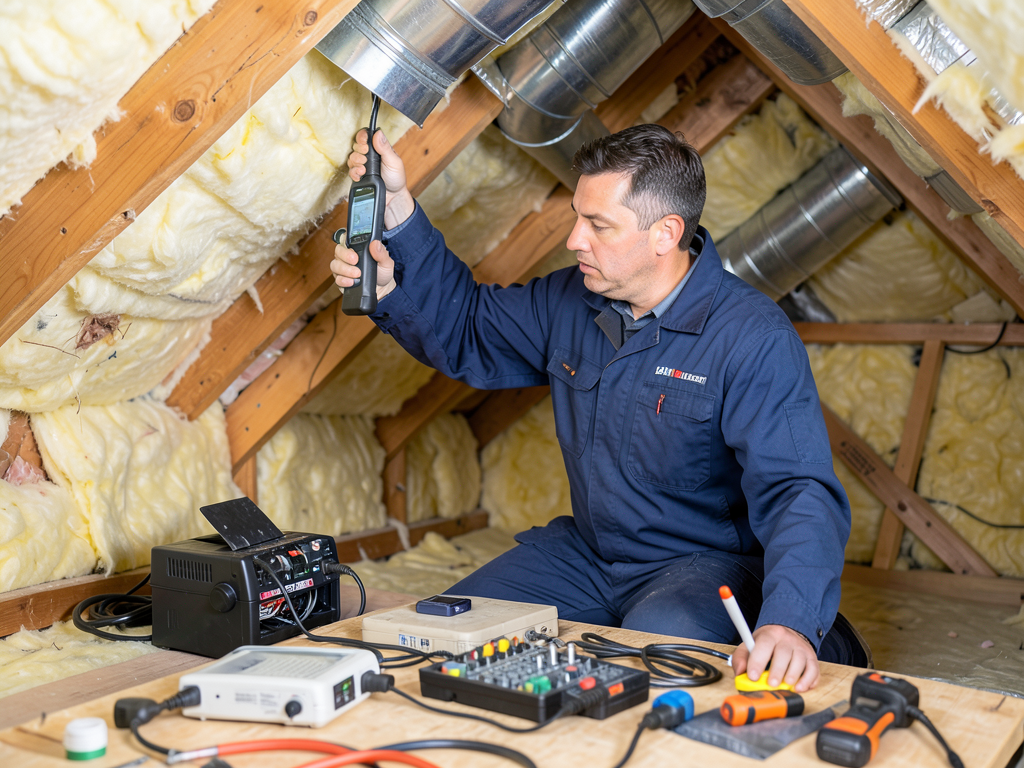
Professional diagnosis includes measuring airflow, checking static pressure, inspecting ductwork, and evaluating your system’s capacity relative to your home’s heat load. We use specialized tools to identify problems that aren’t visible to homeowners.
Energy Efficiency and Rebates
Improving your home’s cooling efficiency often qualifies for utility rebates. Riverside Public Utilities and Southern California Edison offer incentives for energy-efficient upgrades like smart thermostats, high-efficiency AC units, and attic insulation improvements.
Energy Upgrade California provides resources for home improvements that reduce energy consumption. Many Mission Grove homeowners qualify for rebates that can offset 20-30% of improvement costs when upgrading to high-efficiency systems or adding insulation.
Maintenance Tips for Long-Term Comfort
Regular maintenance prevents many upstairs heat problems from developing. Here are key tasks to keep your system running efficiently:
- Change air filters every 30-60 days during cooling season
- Keep supply and return vents clean and unobstructed
- Schedule professional maintenance annually before summer
- Check attic insulation levels every few years
- Clean outdoor condenser coils seasonally
Proper maintenance can extend your AC system’s life by 5-10 years and maintain its efficiency throughout its lifespan. This prevents the gradual decline in cooling performance that often causes upstairs heat problems to worsen over time.
The Bottom Line for Mission Grove Homeowners
Upstairs bedrooms staying ten degrees hotter than downstairs kitchens is a fixable problem. The solution depends on your specific home’s design, your current system’s condition, and your comfort priorities. Most Mission Grove homes can achieve balanced temperatures with the right combination of upgrades and adjustments.
The key is proper diagnosis. Not every hot upstairs problem needs expensive solutions. Sometimes simple adjustments to ductwork or thermostat settings solve the issue. Other times, more comprehensive upgrades provide the best long-term value.
Don’t let uncomfortable upstairs rooms ruin your summer. With professional help and the right solutions, you can enjoy consistent comfort throughout your entire Mission Grove home.
Frequently Asked Questions
Why is my upstairs always hotter than downstairs?
Heat naturally rises through your home, and upstairs rooms collect heat from the roof, windows, and second-floor walls. Single-zone HVAC systems with one downstairs thermostat cannot effectively cool upstairs spaces because they never sense the trapped heat above.
How much does it cost to fix uneven cooling in a two-story home?
Costs range from $400 for basic air balancing to $6,000 for complete zoning systems. Most Mission Grove homeowners spend $1,500-$3,000 for solutions that provide significant improvement in upstairs comfort.
Can I install a second thermostat upstairs?
Yes, this is part of a zoning system installation. A second thermostat with motorized dampers allows independent temperature control for upstairs and downstairs areas, solving the hot room problem completely. How Much Does a New AC Installation Cost in Woodcrest Today?.
How long does professional duct sealing take?
Professional duct sealing typically takes 4-6 hours for an average Mission Grove home. The process includes testing for leaks, sealing them with specialized equipment, and verifying the improvements with pressure testing.
Will better insulation really make a difference in upstairs comfort?
Yes. Upgrading attic insulation from standard levels to R-49 or higher can reduce ceiling heat transfer by 20-30%, making a noticeable difference in upstairs room temperatures during summer months.
Take Action Today
Don’t spend another summer sweating in your upstairs bedrooms while your kitchen stays cool. The solution might be simpler than you think. Our team understands Mission Grove home designs and the specific cooling challenges they present.
We offer free consultations to diagnose your upstairs heat problems and recommend the most cost-effective solutions. Whether you need simple adjustments or comprehensive upgrades, we’ll help you achieve the balanced comfort you deserve.
Call (951) 223-9644 today to schedule your inspection. We’ll evaluate your system, identify the root causes of your upstairs heat problems, and provide clear recommendations with upfront pricing. Your comfort is our priority, and we’re ready to help you enjoy every room in your home this summer.
Pick up the phone and call (951) 223-9644 before the next heat wave hits. Your upstairs bedrooms don’t have to stay ten degrees hotter than your kitchen. Let’s solve this problem together and give you the comfortable home you deserve.