Why Your Swimming Pool Might Be Making Your Outdoor AC Unit Rust Faster
Living in Riverside means enjoying backyard pools almost year-round. But that cool blue water could be silently attacking your air conditioning system. Chlorine and other pool chemicals release corrosive gases that eat away at aluminum fins on your outdoor condenser unit. The Inland Empire’s intense summer heat speeds up this chemical reaction turning what should be a relaxing backyard feature into a potential HVAC nightmare.. Read more about How Your Backyard Landscaping Might Be Killing Your AC Performance in Presidential Park.
How Pool Chemicals Attack Your AC
When chlorine tablets dissolve in your pool’s chlorinator they release chlorine gas. On hot Riverside days this gas becomes more volatile and travels through the air. Your AC’s outdoor unit sits nearby with its aluminum fins exposed to these chemical vapors. The chlorine molecules bond with the aluminum creating aluminum chloride. This reaction causes pitting corrosion where tiny holes form in the metal. Once those holes appear the damage accelerates rapidly.
The Science Behind the Corrosion
Aluminum naturally forms a protective oxide layer. Chlorine disrupts this barrier. In Riverside’s dry climate you might think corrosion would be slower. But our high summer temperatures actually increase chemical reaction rates. Corrosion rates in Riverside County show that for every 10°F rise in temperature the reaction rate increases by 30 percent. That means a 110°F day in Coachella Valley accelerates damage compared to coastal areas.
Salt Water Pools vs. Traditional Chlorine
Salt water pools seem safer for your AC but they’re not. These systems use salt chlorinators that produce chlorine through electrolysis. The process still releases chlorine gas though in smaller amounts. Salt water systems create sodium hypochlorite which is chemically similar to household bleach. This compound is equally corrosive to aluminum when concentrated.
Critical Distance: Where Should You Store Chemicals?
The minimum safe distance between pool chemicals and your AC unit is 10 feet. But in Riverside we recommend 15 feet minimum. Our Santa Ana winds can carry chemical vapors much farther than expected. These hot dry winds blow from the northeast often pushing pool chemical fumes directly toward homes in areas like Canyon Crest and Orangecrest.
Wind Patterns in the Inland Empire
Riverside’s geography creates unique wind patterns. The Santa Ana winds funnel through mountain passes gaining speed and heat. During these events chemical vapors can travel up to 20 feet from their source. If your pool equipment sits on the east side of your home and your AC is on the west you might be protected. But most Riverside homes have both on the same side of the property.
Storage Container Specifications
Keep pool chemicals in airtight containers. Plastic bins with snap-on lids work better than buckets with loose-fitting tops. Store these containers inside a ventilated shed at least 15 feet from your AC unit. The shed should have passive ventilation – small vents near the top and bottom to prevent gas buildup while keeping rain out.
Warning Signs Your AC Has Chemical Damage
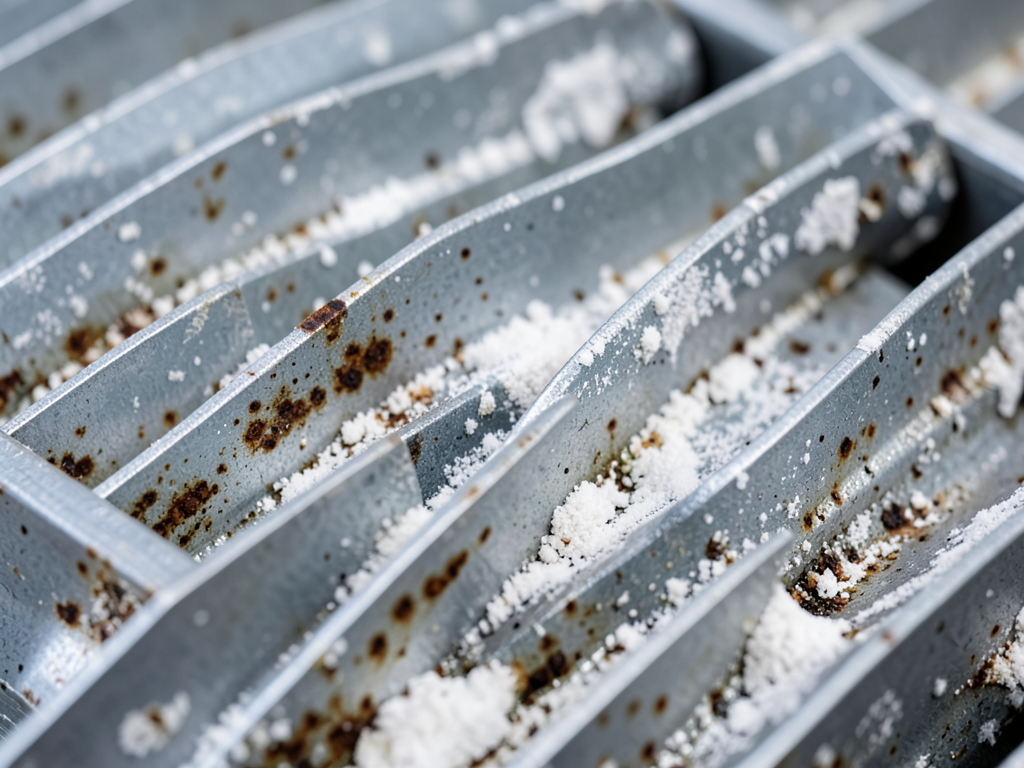
Early detection saves money. Look for these signs around your outdoor condenser unit. Brittle aluminum fins that flake when touched indicate advanced corrosion. The fins should feel slightly flexible not like dry leaves. Blue-green discoloration on the coils suggests copper corrosion from chemical exposure. This happens when refrigerant lines develop pinhole leaks due to chemical attack.
Visual Inspection Checklist
Turn off power to your AC before inspecting. Look for white powdery residue on the coils – this is aluminum oxide from corrosion. Check for black soot-like deposits which indicate electrical arcing from corroded connections. Listen for unusual noises. Corroded fan blades can cause vibrations that sound like rattling or humming.
Performance Issues to Watch
Chemical damage affects cooling efficiency. Your AC might run longer cycles without cooling your home properly. Energy bills could spike without explanation. The system may struggle to maintain set temperatures especially during Riverside’s peak heat hours from 2-5 PM. These symptoms often appear before visible damage becomes obvious. Switching to a High Efficiency Heat Pump in Riverside to Save on Monthly Energy Bills.
Prevention and Maintenance Tips
Protecting your AC from pool chemicals requires consistent effort. Start with proper placement during installation. If you’re building a new pool locate the equipment pad as far from the AC as your property allows. For existing setups consider creating a physical barrier between the chemical source and your condenser. How Much Does a New AC Installation Cost in Woodcrest Today?.
The Rinse Method for Riverside Homes
During summer months spray down your AC unit weekly with clean water. This removes chemical deposits before they bond with the metal. Use a garden hose with moderate pressure – not a pressure washer which can damage fins. Do this in the morning before temperatures rise above 90°F for best results.
Professional Protective Coatings
Epoxy and phenolic coatings create barriers between chemicals and metal surfaces. These industrial-grade finishes can extend coil life by 3-5 years in harsh environments. The coating process involves cleaning the coils applying a primer then spraying multiple layers of protective finish. This service prevents thousands in premature replacement costs. Commercial Duct Cleaning.
Sacrificial Anodes for AC Units
Marine technology offers solutions for HVAC systems. Sacrificial anodes typically made of zinc corrode instead of your AC’s aluminum components. These devices attach to the condenser frame and need replacement every 2-3 years. They work on the same principle as boat hull protection – the more reactive metal sacrifices itself to save the less reactive aluminum.
When to Call a Professional
Some damage requires expert attention. If you notice refrigerant leaks don’t attempt repairs yourself. Pool chemicals can cause microscopic pitting that leads to slow leaks. These often start in the evaporator coil inside your home not just the outdoor unit. A professional HVAC technician can pressure test the system and identify leak locations. Same Day Emergency AC Repair for Families in Orangecrest.
EPA Regulations and Refrigerant Handling
The EPA requires certification for refrigerant handling under Section 608 of the Clean Air Act. This law mandates proper recovery and recycling of refrigerants to prevent atmospheric release. If your system uses R-410A or other modern refrigerants only certified technicians should service it. DIY attempts can result in fines up to $37500 per day per violation.
Cost Analysis: Repair vs. Replace
Minor chemical damage might cost a few hundred dollars to repair. But extensive corrosion often requires coil replacement at $1200-2500. In some cases replacing the entire outdoor unit makes more sense. Units over 10 years old with significant damage should be replaced rather than repaired. New units offer better efficiency and come with warranties protecting against future issues.
Building Code Considerations in Riverside
Riverside County follows California’s Title 24 energy efficiency standards. These regulations affect HVAC installation and placement. The code requires minimum clearances around outdoor units for proper airflow – typically 12 inches on sides and 60 inches above. When planning pool chemical storage ensure compliance with both Title 24 and local setback requirements.
South Coast Air Quality Management District Rules
The SCAQMD regulates emissions in Riverside and surrounding areas. While pool chemicals aren’t directly regulated the district’s guidelines for chemical storage facilities apply to residential setups. They recommend secondary containment for chemical storage and proper labeling of all containers. Following these guidelines protects both your AC and the environment.
Creating a Chemical-Free Zone
Designate an area around your AC as a chemical-free zone. This means no pool chemicals fertilizers pesticides or cleaning products stored within 15 feet. Plant non-flowering shrubs around this zone to act as a natural barrier. Avoid plants that attract bees or produce excessive pollen which can also affect AC performance.
Landscaping for Protection
- Choose drought-resistant plants that require minimal chemical treatments
- Install gravel or decorative rock instead of mulch near the AC
- Use physical barriers like lattice screens to redirect chemical vapors
- Maintain 2-foot clearance between plants and the AC unit for airflow
Monitoring Systems
Consider installing a simple monitoring system. Place pH test strips near your AC unit and check them monthly. If the strips show abnormal readings chemical vapors are reaching your equipment. More advanced systems include corrosion sensors that alert you when metal degradation begins.
Frequently Asked Questions
How far should my pool chemicals be from my AC unit?
Store pool chemicals at least 15 feet from your AC unit in Riverside’s climate. This distance accounts for wind patterns and heat acceleration of chemical reactions. Use airtight containers and ventilated storage sheds for added protection.
Can I use a cover to protect my AC from pool chemicals?
Never cover your AC unit while it’s running. Covers trap heat and moisture causing more damage than chemicals alone. Instead use professional protective coatings on the coils and maintain proper chemical storage distances.
How often should I inspect my AC for chemical damage?
Inspect your AC unit monthly during swimming season. Look for discoloration powdery residue or brittle fins. Schedule professional maintenance twice yearly – once before summer heat and once after swimming season ends.
Does homeowner’s insurance cover chemical corrosion damage?
Most standard policies don’t cover chemical corrosion as it’s considered preventable damage. However if the corrosion leads to a refrigerant leak causing property damage you might have coverage. Check your policy details or consult your insurance agent.
What’s the average lifespan of an AC unit in a pool-heavy neighborhood?
Properly maintained units last 15-20 years. In pool-heavy areas with chemical exposure lifespan drops to 10-15 years without protection. Using sacrificial anodes and protective coatings can restore the full lifespan even in challenging environments.
Protecting Your Investment
Your air conditioning system represents a significant investment in home comfort. In Riverside’s desert climate it’s not just about staying cool – it’s about protecting your health and property value. Chemical corrosion from pool chemicals might seem minor but it compounds over time. What starts as microscopic pitting becomes major system failure within 2-3 years if left unchecked. HVAC Palm Desert.
The solution isn’t eliminating your pool. It’s understanding the chemistry and taking preventative steps. Simple measures like proper chemical storage regular rinsing and professional protective coatings create a defense system for your HVAC investment. Think of it as insurance – you hope you never need it but you’ll be glad it’s there when problems arise.
Ready to protect your AC from pool chemical damage? Call (951) 223-9644 today to schedule your inspection. Our technicians understand Riverside’s unique climate challenges and can recommend specific solutions for your home’s layout. Don’t wait until corrosion causes a system failure during next summer’s heat wave.
Want to learn more about HVAC maintenance? Check out our guide on furnace repair in Riverside or discover why ductless mini splits work great for guest houses.