Why Proper Attic Ventilation is Just as Important as a Working AC in the Eastside
Your attic can reach 150°F during Riverside summers making your AC work overtime. While a functioning air conditioner cools your living space proper attic ventilation works silently in the background preventing heat buildup moisture problems and premature roof failure. In Riverside’s Eastside where many homes are older and were built before modern ventilation standards the combination of a working AC and optimized attic airflow can cut cooling costs by up to 20% and extend your roof’s life by years.. Read more about Staying Cool During a Riverside Power Outage (Tips for Every Local Homeowner).
How Riverside’s Eastside Climate Makes Attic Ventilation Critical
The Eastside experiences some of Riverside’s most intense summer heat with temperatures regularly exceeding 100°F for weeks at a time. This creates a perfect storm in your attic where trapped heat radiates downward through your ceiling making your AC run constantly. The Santa Ana winds common to this area also carry fine dust that can clog vents and reduce airflow efficiency. Homes built before 2008 in this area often lack the soffit and ridge vent combinations required by current California Title 24 energy standards. California Title 24 Energy Standards.
Moisture becomes another enemy when temperatures drop at night. The diurnal temperature swings of 30-40 degrees common in Riverside cause condensation on attic surfaces creating ideal conditions for mold growth especially in homes with inadequate vapor barriers. This moisture can also cause wood rot in roof decking and rafters reducing structural integrity over time.. Read more about Attic Fans vs Whole House Fans (Which One is Better for Your Grand Terrace Home?).
Types of Attic Ventilation Systems for Riverside Homes
Choosing the right ventilation system depends on your home’s architecture roof design and existing airflow patterns. Here’s how the main options compare for Eastside conditions.
| Ventilation Type | Best For | Eastside Performance | Maintenance Needs |
|---|---|---|---|
| Solar Attic Fan | Tile roofs Spanish Colonial homes | Excellent reduces attic temps by 20-30°F | Clean panels annually check motor bearings |
| Ridge Vent with Soffit Intake | Modern homes with asphalt shingles | Very good natural convection works well | Inspect for blockage every 2 years |
| Gable Vents | Older wood-frame homes | Fair limited airflow on windless days | Clear debris quarterly |
| Power Attic Vent | Homes needing rapid heat removal | Good but increases electricity use | Check thermostat operation annually |
Solar attic fans have become increasingly popular in Riverside since they operate when you need them most during peak sunlight hours. A 30-watt unit can move 1 550 cubic feet per minute (CFM) which is sufficient for most Eastside attics under 2 000 square feet. The key is proper sizing you need 1 square foot of net free vent area for every 300 square feet of attic floor space according to the International Residential Code.
Signs Your Eastside Home Has Poor Attic Ventilation
Many homeowners mistake attic ventilation problems for AC issues. Here’s what to look for in your Riverside home.
- Hot ceilings especially noticeable on upper floors during afternoon hours
- Ice buildup on roof edges during rare cold snaps (from melting and refreezing)
- Peeling paint or wallpaper on upper walls from excess humidity
- Musty odors in upstairs rooms suggesting mold growth
- Higher than expected SCE or RPU bills despite a functioning AC
- Shingle damage or curling on south-facing roof slopes
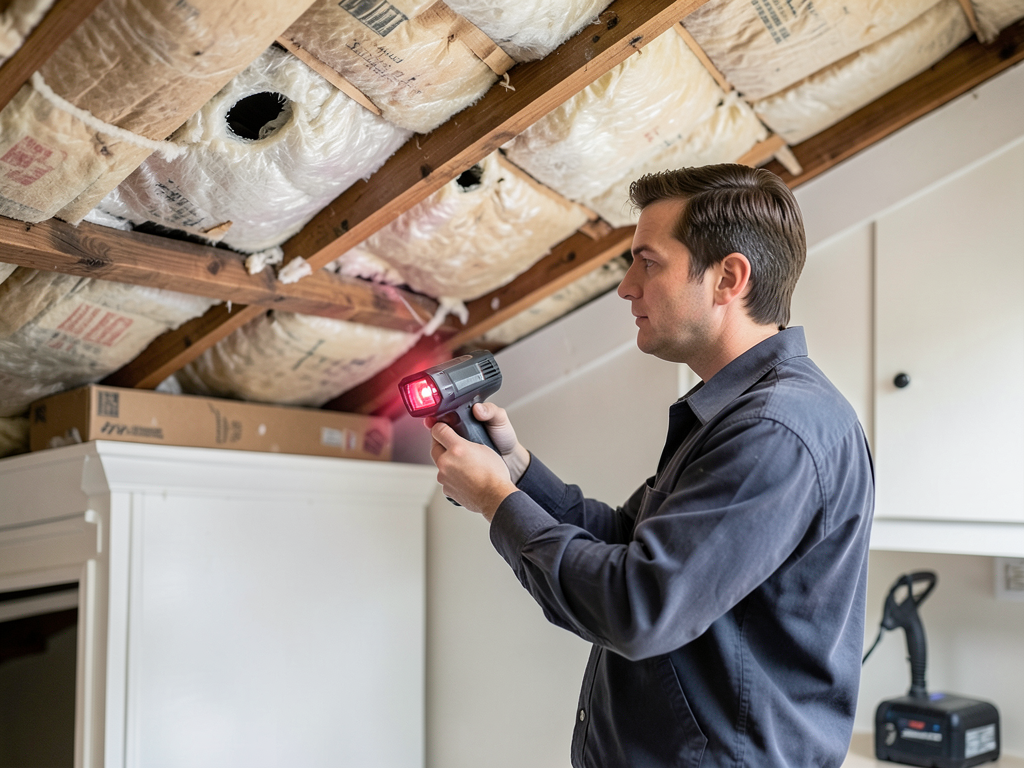
The “screwdriver test” reveals hidden problems. Push a screwdriver into your ceiling drywall on a hot day if it feels warm to the touch your attic is trapping heat. For a more scientific approach use an infrared thermometer to measure ceiling temperatures. Readings above 85°F when it’s 75°F outside indicate poor ventilation.
The Critical Connection Between Insulation and Ventilation
Many Eastside homeowners add insulation thinking it will solve their cooling problems but without proper ventilation you’re just trapping heat in your attic. California Title 24 requires specific R-values based on climate zone. Riverside falls in Zone 3 requiring R-30 to R-38 in attics. However these numbers mean nothing if your ventilation system can’t remove the heat that builds up above the insulation. California Public Utilities Commission.
Thermal bridging occurs when heat conducts through framing members creating hot spots in your ceiling. Proper ventilation creates airflow that carries this heat away before it can transfer into your living space. The ideal system creates continuous airflow from soffit vents along the underside of the roof deck to ridge vents carrying heat and moisture with it.
Moisture control is equally important. During the occasional monsoon periods that affect Southern California your attic needs to breathe to prevent condensation. A properly ventilated attic maintains temperatures within 10-15°F of outdoor ambient reducing the temperature differential that causes moisture to condense on cool surfaces.
Our Eastside Attic Ventilation Installation Process
We follow a systematic approach to ensure your attic ventilation meets both building codes and your home’s specific needs. Here’s our step-by-step process.
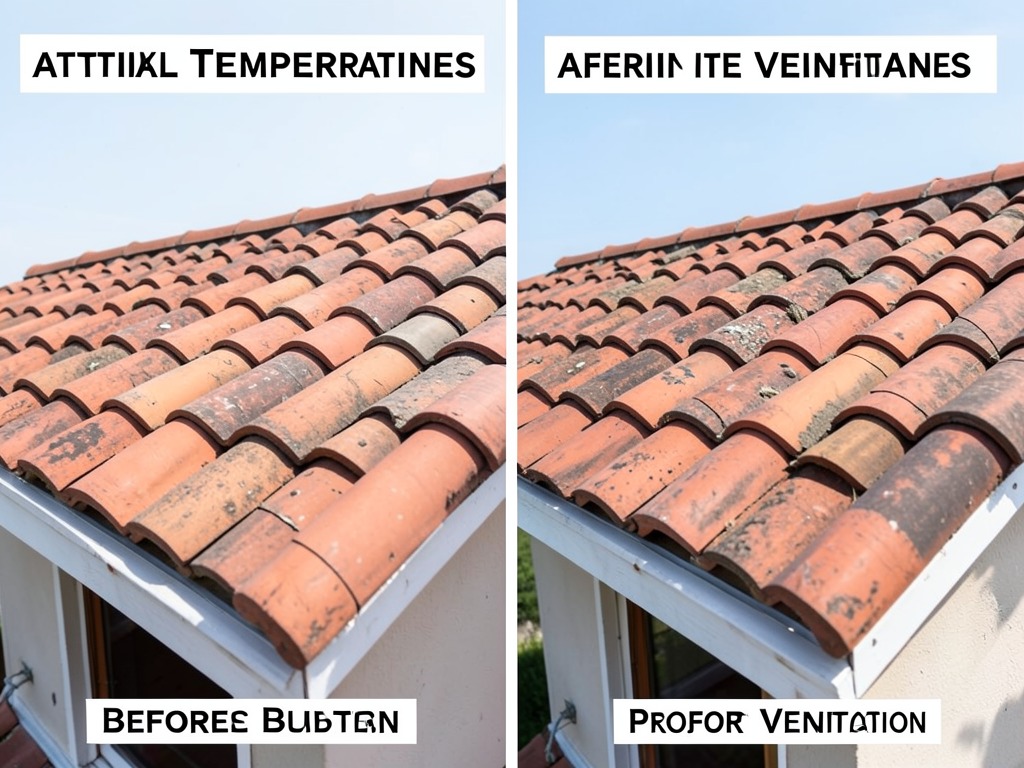
- Thermal Imaging Inspection
We use infrared cameras to identify heat patterns showing where your attic is trapping the most heat. This reveals insulation gaps thermal bridging points and airflow blockages.
- Attic Airflow Assessment
We measure existing vent areas calculate your home’s ventilation requirements and identify any code violations. Riverside County requires permits for ventilation modifications affecting structural components.
- Customized Ventilation Design
Based on your roof type home age and cooling needs we design a balanced system that meets or exceeds Title 24 requirements. For Eastside homes we often recommend solar fans due to the high sun exposure.
- Professional Installation
Our technicians install vents fans or improve existing systems using proper flashing techniques to prevent roof leaks. We ensure all penetrations are sealed according to manufacturer specifications.
- System Testing and Optimization
We verify airflow rates using an anemometer measure temperature reductions and ensure your new system is working as designed. We also check that your AC is properly balanced with the improved attic conditions.
The entire process typically takes one to two days depending on your attic’s size and the complexity of the installation. Most Eastside homeowners see immediate improvements in their home’s comfort and cooling efficiency. Switching to a High Efficiency Heat Pump in Riverside to Save on Monthly Energy Bills.
Energy Savings and ROI for Eastside Homeowners
Investing in proper attic ventilation pays for itself through reduced energy bills and extended roof life. Here’s what Eastside homeowners typically experience.
| Improvement | Typical Range | Eastside Impact |
|---|---|---|
| Annual Cooling Cost Reduction | 10-20% | Higher due to extreme summer heat |
| Roof Lifespan Extension | 5-10 years | Significant savings on replacement costs |
| AC Runtime Reduction | 15-25% | Less wear on equipment |
| Indoor Temperature Stability | 3-5°F improvement | Enhanced comfort year-round |
The payback period for attic ventilation improvements typically ranges from 2 to 4 years depending on your current system’s condition and your cooling usage patterns. For Eastside homes with older AC units the savings can be even more dramatic since the AC won’t have to work as hard to overcome the heat load from a poorly ventilated attic.
Many Eastside homeowners also qualify for RPU rebates on energy efficiency improvements. While specific attic ventilation rebates vary year to year you can often combine these with solar attic fan incentives to reduce your upfront costs by 20-30%.
Frequently Asked Questions
Do I need both intake and exhaust vents for proper attic ventilation?
Yes proper attic ventilation requires both intake vents (typically at the soffits) and exhaust vents (at the ridge or gables). This creates the airflow necessary to move heat and moisture through your attic. Without balanced intake and exhaust you’ll get minimal improvement in attic conditions.
How do I know if my attic ventilation meets current building codes?
Current California Title 24 requires 1 square foot of net free vent area for every 150 square feet of attic floor space for most homes. However if you have a vapor barrier or use certain high-efficiency systems the requirement can be 1:300. A professional inspection can verify your compliance and identify any deficiencies.
Will improving my attic ventilation make my house colder in winter?
Properly designed attic ventilation actually helps maintain consistent temperatures year-round. In winter it prevents moisture buildup that can lead to mold and ice dams while still allowing your insulation to do its job. The key is having adequate insulation to prevent heat loss through your ceiling.
Can I install attic ventilation myself or do I need a professional?
While some basic improvements like adding gable vents can be DIY projects proper attic ventilation often requires professional assessment to ensure code compliance and optimal performance. Incorrect installation can lead to roof leaks reduced energy efficiency or even code violations that complicate future home sales. How Much Does a New AC Installation Cost in Woodcrest Today?.
How long does attic ventilation last and when should it be replaced?
Most passive ventilation components last 15-20 years while solar fans typically need replacement every 8-10 years. You should inspect your system annually and consider replacement if you notice increased cooling costs hot ceilings or visible damage to vents or fans.
Take Control of Your Home’s Comfort Today
Your attic ventilation works 24/7 to protect your home and reduce your energy bills. In Riverside’s Eastside where summer heat can be relentless having both a working AC and optimized attic airflow isn’t just about comfort—it’s about protecting your investment and saving money month after month. The combination of proper ventilation and a well-maintained AC system can reduce your cooling costs by up to 30% while extending the life of both your roof and your air conditioning equipment.
Don’t wait until your next high electric bill or AC breakdown to address your attic ventilation. Call (951) 223-9644 today to schedule your professional attic assessment. Our experienced technicians understand the unique challenges of Eastside homes and can design a ventilation system that works with your existing AC to maximize comfort and efficiency. Pick up the phone and call (951) 223-9644 before the next heat wave hits—your comfort and your wallet will thank you.. Read more about Solving the Challenges of Installing Modern AC on Spanish Tile Roofs in Riverside.
You may also find this helpful. Comparing QuietCool Whole House Fans to Traditional Attic Venting for Riverside Homes.
You may also find this helpful. What to Do When Your AC Drain Line Clogs and Floods Your Riverside Attic.
You may also find this helpful. Why Your Upstairs Bedrooms in Mission Grove Stay Ten Degrees Hotter Than the Kitchen.