
Using Remote Sensors to Fix That One Ice Cold Room in Your Orangecrest Home
Does one room in your Orangecrest home feel like an icebox while the rest of the house stays comfortable? You’re not imagining things. Many newer homes in the Canyon Springs and Orangecrest neighborhoods face this exact problem. The issue isn’t your HVAC system failing—it’s about air distribution and control. With smart remote sensors and zoning technology, you can finally get that stubborn cold room to match the rest of your home’s temperature. HVAC Palm Springs.
Why Orangecrest Homes Have Temperature Imbalances
Orangecrest’s modern suburban developments, built primarily in the 2000s and 2010s, feature open floor plans and large windows that look great but create unique heating and cooling challenges. The Inland Empire’s intense summer heat means your HVAC system runs harder, and small design oversights become major comfort problems.
Common Causes of Cold Spots in Orangecrest
- Ductwork design flaws – Many Orangecrest homes have long duct runs to secondary bedrooms, causing air to lose temperature before reaching those spaces
- Solar heat gain – West-facing windows in afternoon sun create hot zones that make your thermostat think the whole house is warm
- Improper return air placement – Some floor plans locate returns far from bedrooms, creating negative pressure that pulls cold air away from problem rooms
According to the Air Conditioning Contractors of America (ACCA), improper air distribution causes 70% of comfort complaints. In Orangecrest’s climate, where summer temperatures regularly exceed 100°F, these issues become even more pronounced.
How Remote Sensors Solve Temperature Imbalances
Remote temperature sensors work by giving your HVAC system eyes in every room. Instead of your thermostat making decisions based on one location, sensors provide real-time data from multiple zones throughout your home.
Smart Sensor Technology Explained
Modern remote sensors use wireless technology to communicate with your HVAC system. They typically include:
- Temperature and humidity monitoring
- Motion detection to know when rooms are occupied
- Air quality sensors that can detect when air needs circulation
The sensors connect to smart thermostats or zoning controllers, allowing your system to direct more conditioned air to rooms that need it most. For Orangecrest homes, this means your master bedroom or nursery can finally maintain the same temperature as your living room.
Zoning Systems: The Complete Solution
While sensors provide the intelligence, zoning systems provide the muscle. A zoning system uses motorized dampers in your ductwork to direct airflow where it’s needed most.
Benefits of HVAC Zoning for Orangecrest Homes
| Feature | Standard System | Zoned System |
|---|---|---|
| Temperature Control | Single thermostat location | Multiple room sensors |
| Energy Efficiency | Heating/cooling entire home | Conditioning only occupied zones |
| Comfort Level | Hot/cold spots common | Consistent temperatures |
| Utility Costs | Higher monthly bills | Potential 30% savings |
According to Energy Star, proper zoning can reduce heating and cooling costs by up to 30%. For Orangecrest homeowners facing high summer utility bills, this represents significant savings.
Diagnostic Steps Before Installing Sensors
Before investing in remote sensors, it’s important to identify whether your problem is truly a distribution issue or something else. Here’s a simple diagnostic process:
- Check Air Flow
Hold a tissue near vents in the cold room and compare to other rooms. Weak airflow indicates duct problems.
- Inspect Ductwork
Look for disconnected or damaged ducts in your attic. Orangecrest’s intense summer heat can cause duct tape to fail.
- Test Thermostat Accuracy
Place a separate thermometer near your thermostat to verify it’s reading correctly.
- Check for Air Leaks
Feel around windows and doors in the cold room for drafts that might be causing the issue.
If these checks don’t reveal the problem, remote sensors and zoning are likely your best solution.
Installation Process for Orangecrest Homes
Installing a sensor-based zoning system typically takes one to two days, depending on your home’s complexity. Here’s what to expect:
Professional Assessment
A qualified HVAC technician will perform a Manual J load calculation to determine your home’s heating and cooling requirements. This calculation considers:
- Your home’s square footage and ceiling height
- Window orientation and insulation levels
- Local climate data specific to Riverside County
According to California Title 24 energy efficiency standards, homes must meet specific insulation and efficiency requirements. Your Orangecrest home likely meets these standards, but the zoning system ensures they work effectively. Switching to a High Efficiency Heat Pump in Riverside to Save on Monthly Energy Bills.
Sensor Placement Strategy
Strategic sensor placement is crucial for optimal performance. For Orangecrest homes, we typically recommend:
- Main living area sensor near the center of activity
- Bedroom sensors at sleeping height (about 3 feet from the floor)
- Kitchen sensor away from cooking appliances
- Problem room sensors placed where you spend the most time
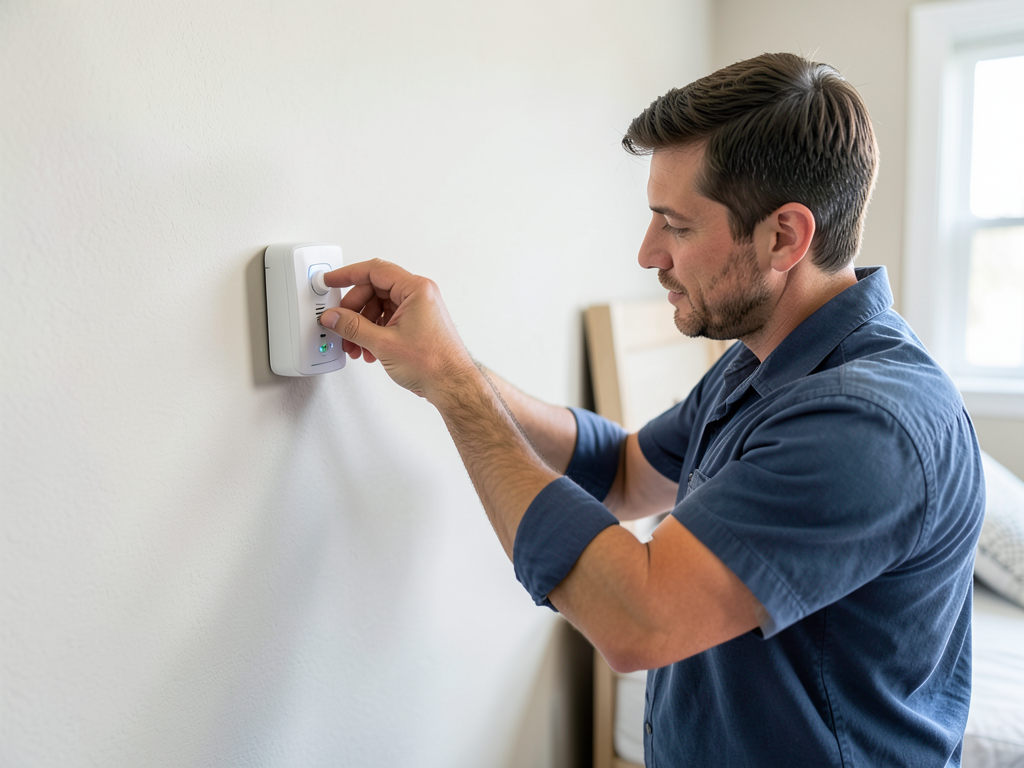
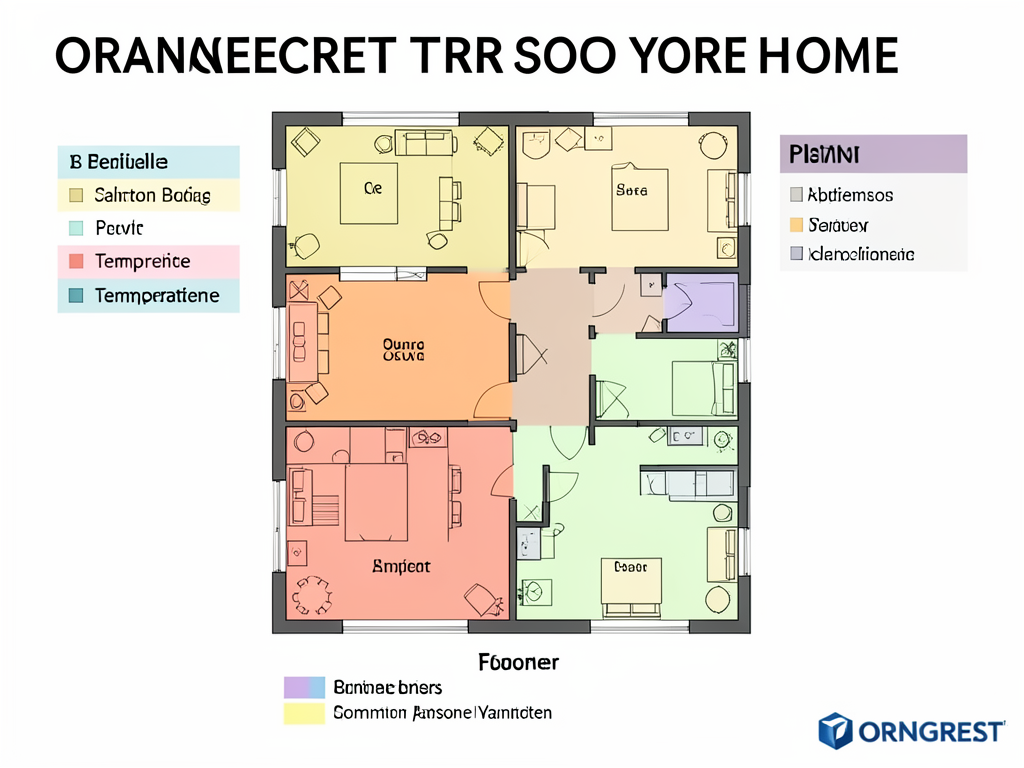
Diagram showing optimal sensor placement in a typical Orangecrest two-story home floor plan
Cost Considerations for Orangecrest Homeowners
The investment in a complete zoning system with remote sensors varies based on your home’s size and existing equipment. For a typical Orangecrest home:
- Basic zoning system: $2,500 – $4,000
- Advanced system with smart sensors: $4,000 – $6,500
- Complete retrofit with new dampers: $6,000 – $8,000+
While this might seem like a significant investment, consider that Orangecrest homeowners typically spend $300-$500 monthly on cooling during peak summer months. A 30% reduction in those costs pays for the system within 2-3 years.
Maintenance and Optimization
Once installed, your zoning system requires minimal maintenance but benefits from periodic optimization:
Seasonal Adjustments
Orangecrest’s climate means your system needs different settings throughout the year:
- Summer: Focus on cooling bedrooms overnight for better sleep
- Winter: Use zoning to keep living areas warm while saving energy in unused bedrooms
- Spring/Fall: Adjust based on daily temperature swings common in the Inland Empire
Regular Maintenance Tasks
Keep your system running efficiently with these simple steps:
- Change air filters every 90 days (more often if you have pets)
- Clean sensor faces monthly to ensure accurate readings
- Check battery levels in wireless sensors annually
Technician installing wireless temperature sensor in a Canyon Springs master bedroom
Energy Efficiency and Environmental Impact
Beyond comfort, zoning systems offer significant environmental benefits. By heating and cooling only the spaces you’re using, you reduce your carbon footprint.
Orangecrest-Specific Energy Considerations
Orangecrest homes typically have:
- Attic insulation meeting current California standards
- Double-pane windows that reduce heat transfer
- Roof materials designed for our desert climate
When combined with zoning, these features create a highly efficient home. The South Coast Air Quality Management District (SCAQMD) encourages energy-efficient HVAC upgrades to reduce peak demand on the power grid during summer months.
Smart Home Integration
Modern zoning systems integrate seamlessly with popular smart home platforms:
- Amazon Alexa and Google Home voice control
- Smartphone apps for remote monitoring
- Integration with other smart devices like blinds and ceiling fans
This integration allows you to adjust temperatures from anywhere, ensuring your Orangecrest home is always comfortable when you arrive.
Choosing the Right HVAC Contractor in Orangecrest
Not all HVAC contractors have experience with zoning systems and remote sensors. When selecting a professional in Orangecrest:
- Verify NATE certification for technical expertise
- Ask about specific experience with Orangecrest floor plans
- Request references from other Canyon Springs or Orangecrest homeowners
- Ensure they offer a warranty on both equipment and installation
Technician performing Manual J load calculation on an Orangecrest two-story home
Frequently Asked Questions
Will zoning work with my existing HVAC system?
In most cases, yes. Modern zoning systems can be retrofitted to work with existing equipment, though some older systems may require minor modifications.
How many sensors do I need for my Orangecrest home?
For a typical 2,000-3,000 square foot Orangecrest home, 4-6 sensors provide optimal coverage. The exact number depends on your home’s layout and the severity of temperature imbalances.
Can I install zoning myself?
Zoning systems require electrical and HVAC expertise to install correctly. Improper installation can damage your system or create safety hazards. Professional installation is strongly recommended. How Much Does a New AC Installation Cost in Woodcrest Today?.
How long does it take to see results?
You’ll notice improved comfort immediately after installation, but the system learns and optimizes over the first 1-2 weeks as it gathers data about your home’s unique patterns.
Take Control of Your Home’s Comfort Today
Don’t spend another season battling that one freezing room in your Orangecrest home. With remote sensors and zoning technology, you can achieve the consistent comfort you deserve while potentially saving hundreds on your utility bills.
Call (951) 223-9644 today to schedule your free consultation. Our Orangecrest HVAC experts will assess your home’s specific needs and design a custom solution that eliminates hot and cold spots for good. Pick up the phone and call (951) 223-9644 before the next heat wave hits—your comfort can’t wait.
Ready to fix that one ice cold room? Call (951) 223-9644 now for your Orangecrest home assessment.