




Menu

Troubleshooting AC Issues in Riverside | Expert Diagnosis Stops Costly Repairs Before They Start

Get accurate HVAC system diagnostics from certified technicians who understand Riverside's unique cooling demands and can identify AC faults before minor problems become major breakdowns.

Slider Image 1
Slider Image 2
Slider Image 3
Slider Image 4
Slider Image 5
Slider Image 7
Slider Image 8
Slider Image 9
Slider Image 10
Slider Image 11

Why Air Conditioners Fail More Often in Riverside's Inland Heat

Riverside's triple-digit summer temperatures push cooling systems harder than nearly anywhere in Southern California. When your AC starts blowing warm air or cycling on and off every few minutes, you are not just dealing with a random malfunction. You are seeing the result of extreme heat stress on components that work overtime from June through October.

The inland climate here creates specific failure patterns. Compressors overheat when ambient temperatures exceed 110 degrees. Capacitors degrade faster in sustained heat. Refrigerant pressures spike beyond normal operating ranges. These conditions accelerate wear on parts that might last years longer in coastal zones just 30 miles west.

Diagnosing air conditioner problems in this environment requires understanding how heat affects system performance. A weak airflow issue might trace back to a clogged condenser coil covered in dust from the Santa Ana winds. Strange noises during startup could indicate a failing contactor that cannot handle the electrical load during peak demand hours. Central air troubleshooting here is not just about identifying what is broken. You need to understand why it broke and whether other components are about to fail under the same conditions.

Most homeowners wait until their system stops completely before calling for help. By then, a simple repair has become a complex fix involving multiple components. HVAC system diagnostics catch problems early, when repairs cost less and prevent the secondary damage that happens when one failed part stresses everything connected to it.

Why Air Conditioners Fail More Often in Riverside's Inland Heat
How Professional AC Diagnostics Pinpoint Problems Fast

How Professional AC Diagnostics Pinpoint Problems Fast

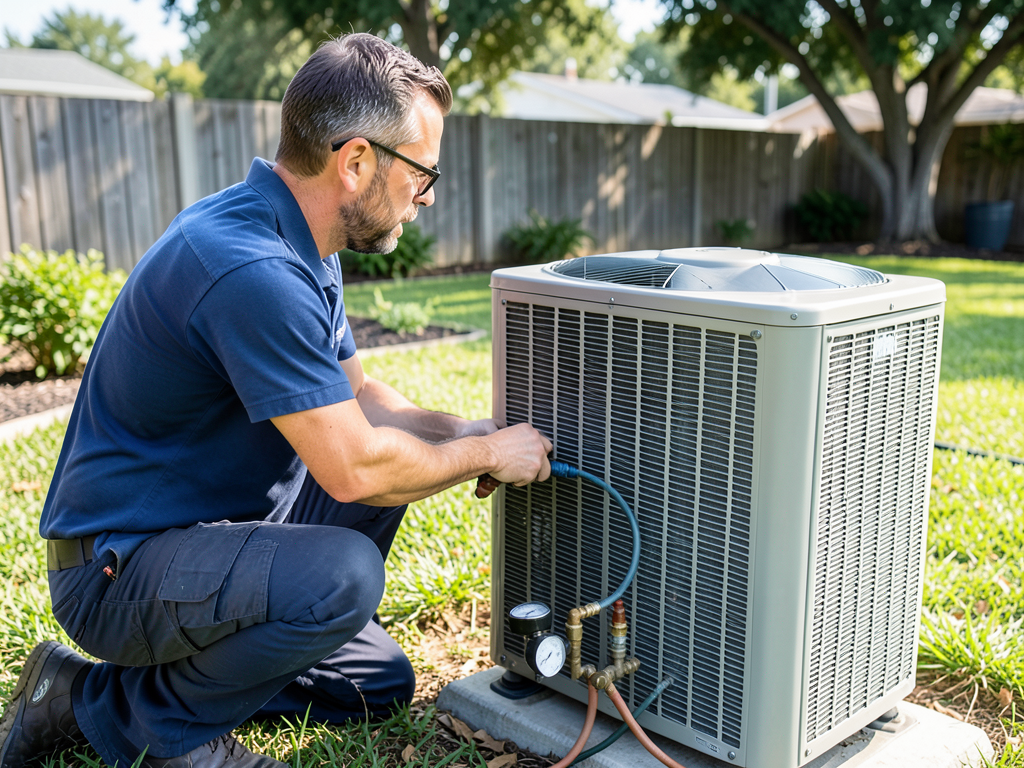
Identifying AC faults starts with systematic testing, not guesswork. Technicians use digital manifold gauges to measure refrigerant pressures on both the high and low sides of the system. These readings reveal whether you have a refrigerant leak, a restriction in the line set, or a compressor that cannot build proper head pressure. Temperature differential measurements across the evaporator coil confirm whether the system is actually removing heat or just moving air.

Electrical diagnostics come next. Multimeter readings check voltage and amperage at the disconnect, the contactor, the capacitors, and the compressor terminals. A compressor drawing high amps while producing weak cooling points to mechanical failure inside the sealed unit. A capacitor reading below its rated microfarad range explains hard starting or short cycling. These measurements provide objective data about what is failing and why.

Airflow testing uses a manometer to measure static pressure in the duct system. High static pressure means the blower is working against excessive resistance, often from a dirty filter, blocked return grilles, or undersized ductwork. Low static pressure with weak airflow suggests a failing blower motor or a slipping belt on older systems.

Horizon HVAC Riverside uses thermal imaging cameras to spot hot spots on electrical connections, cold spots on refrigerant lines indicating restrictions, and temperature variations across coil surfaces that reveal uneven refrigerant distribution. This air conditioning troubleshooting guide approach finds problems other technicians miss because they rely only on visual inspection and basic meter readings. You get a complete picture of system health, not just a bandaid repair on the most obvious symptom.

What Happens During Your AC Diagnostic Visit

Troubleshooting AC Issues in Riverside | Expert Diagnosis Stops Costly Repairs Before They Start
01

Initial System Assessment

The technician documents your symptoms and reviews how the system is behaving. They check the thermostat settings, inspect the air handler and outdoor unit for obvious issues, and listen to how the system operates through a full cooling cycle. This first observation often reveals whether the problem is mechanical, electrical, or refrigerant-related before any testing tools come out.
02

Systematic Component Testing

Every major component gets measured and tested against manufacturer specifications. Refrigerant pressures, electrical values, airflow volumes, and temperature differentials are recorded. The technician traces the refrigerant circuit, checks all electrical connections, inspects the condensate drain system, and evaluates ductwork condition. This methodical approach isolates the root cause rather than just treating symptoms that might have multiple contributing factors.
03

Detailed Findings Report

You receive a clear explanation of what is wrong, what caused it, and what repair options make sense for your situation. The technician shows you the failed component when possible and explains whether this is an isolated failure or part of broader system wear. You get honest guidance on whether to repair or replace based on the age and condition of your equipment, not a sales pitch.

Why Riverside Homeowners Trust Local AC Expertise

Technicians who work in Riverside every day understand failure patterns you will not see in coastal areas. We know that compressors in the Canyon Crest and Orangecrest neighborhoods work harder because homes sit in heat pockets where temperatures run 5 to 8 degrees hotter than downtown. We have diagnosed hundreds of systems in older Northside homes where undersized ductwork and poor attic insulation create conditions that overheat equipment regardless of how well it was maintained.

Local building codes in Riverside County require specific clearances for outdoor condensing units and mandate proper refrigerant recovery during service. Technicians unfamiliar with these requirements might cut corners that create liability issues or code violations. Horizon HVAC Riverside technicians know the inspection protocols and ensure repairs meet current standards even on older systems installed before those codes existed.

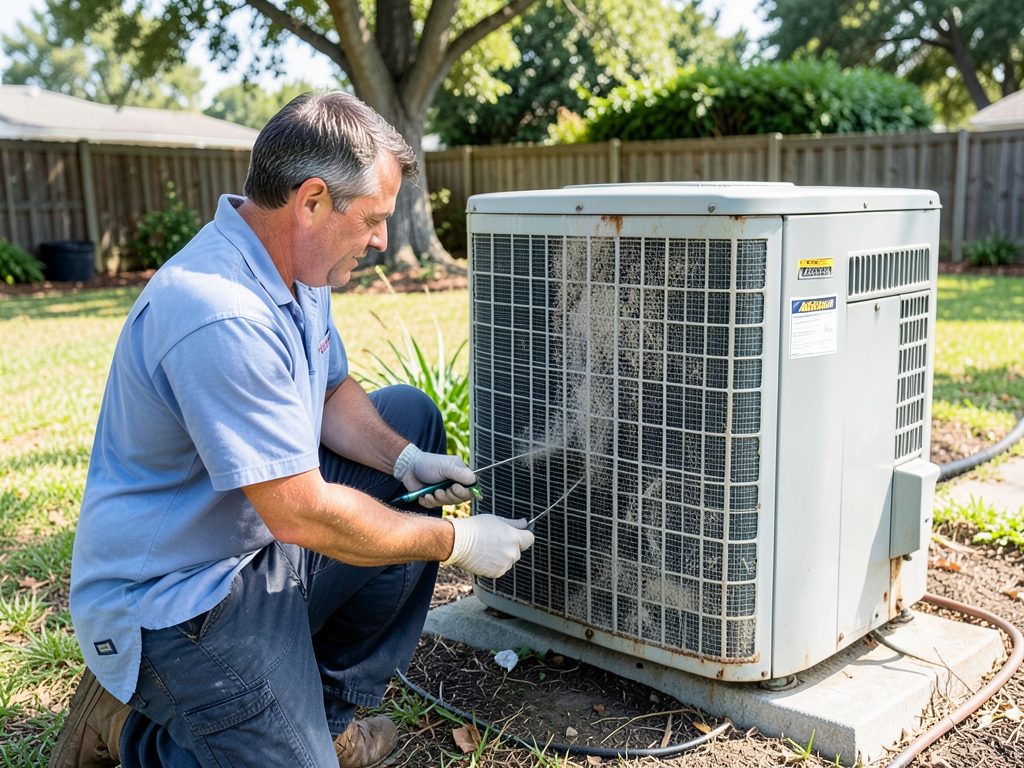
The desert dust and agricultural particulate in the air here clog condenser coils faster than in other parts of the Inland Empire. We know to check for restricted airflow across outdoor coils even when homeowners think they are maintaining their systems properly. Wind patterns during Santa Ana conditions blow debris into unusual spots that block airflow without being visible from ground level.

You also get technicians who stock their trucks for Riverside-specific repairs. We carry the capacitor sizes most common in residential split systems here. We have contactor ratings for the 3-ton to 5-ton units that dominate local housing stock. When we diagnose your problem, we can often complete the repair the same day because we anticipated what parts fail most often in this climate.

What to Expect During AC Troubleshooting Service

Same-Day Diagnostic Appointments

Most diagnostic visits get scheduled within 24 hours of your call. During peak cooling season from July through September, we prioritize complete system failures and homes with vulnerable residents, but we still aim for next-day service for diagnostic requests. The typical diagnostic visit takes 60 to 90 minutes depending on system complexity and accessibility. You get answers the same day, not a callback after the technician consults with someone else. If your system needs major repair, we discuss options on-site so you can make informed decisions quickly.

Comprehensive System Evaluation

Diagnostics include refrigerant pressure testing, electrical component measurement, airflow analysis, and visual inspection of all accessible system components. Technicians check the condensate drain system, inspect ductwork connections at the air handler, evaluate thermostat operation, and test safety controls. You receive documentation of all measurements taken and photos of any failed components or conditions contributing to system problems. This thorough evaluation often reveals secondary issues that would have caused failures weeks or months after the primary repair, letting you address them proactively when it is more convenient and less expensive.

Clear Repair Recommendations

After testing, the technician explains what is wrong in plain language without jargon or pressure tactics. You learn what caused the failure, what needs immediate repair, what can wait, and whether any conditions exist that might cause future problems. If multiple repair approaches exist, you hear the pros and cons of each. For older systems, you get honest guidance on whether investing in repairs makes sense or whether replacement is the smarter financial decision. The goal is to give you the information you need to make the right choice for your situation, not to push the most expensive option.

Follow-Up Support Included

After repairs, we test the system through multiple cooling cycles to confirm proper operation and stable performance. You receive guidance on maintenance practices that extend system life in Riverside's harsh climate, including filter change schedules and condenser coil cleaning frequency. If you experience any issues with the repaired components, we come back to verify the repair at no additional diagnostic charge. Our technicians also flag upcoming maintenance needs based on what they observed during diagnostics, giving you a roadmap for keeping your system reliable through future cooling seasons without unexpected breakdowns.

Frequently Asked Questions

You Have Questions,
We Have Answers

What is the most common AC problem? +

The most common AC problem in Riverside is a clogged or dirty air filter. When desert dust and allergens block airflow, your system works harder and cools less effectively. Refrigerant leaks rank second, especially in older units exposed to temperature swings between 100-degree summers and cooler nights. Thermostat malfunctions, failed capacitors, and drainage clogs also cause frequent breakdowns. Regular filter changes every 30 days during Riverside's cooling season prevent most issues. If your system struggles despite a clean filter, you likely need professional diagnostics to check refrigerant levels, electrical components, or ductwork integrity.

What is the 3 minute rule for AC? +

The 3-minute rule prevents compressor damage by requiring a minimum wait time between cooling cycles. After your AC shuts off, refrigerant pressure needs three minutes to equalize throughout the system. Restarting too quickly forces the compressor to work against high pressure, causing electrical stress and premature failure. Most modern thermostats have built-in delay protection. If you notice your AC cycling on and off rapidly (short cycling), the safety delay may be failing. This issue accelerates wear in Riverside's extreme heat, where systems run constantly. A technician should check your control board and pressure switches if short cycling occurs.

What is the $5000 rule for AC? +

The $5,000 rule helps you decide between repair and replacement. Multiply your AC unit's age by the repair cost estimate. If the result exceeds $5,000, replacement makes better financial sense. For example, a 12-year-old system needing a $500 repair equals $6,000, suggesting replacement. This guideline accounts for efficiency gains and reduced future repair costs. In Riverside, where AC units work overtime during extended heat waves, older systems lose efficiency faster. Units past 10 years old consume significantly more electricity. Factor in rebates and financing when comparing options. A licensed contractor can provide energy consumption comparisons for your specific situation.

How to troubleshoot air conditioning problems? +

Start with simple checks before calling a technician. First, verify your thermostat is set to cool mode and the temperature setting is below room temperature. Replace your air filter if it looks gray or clogged. Check your circuit breaker and outdoor disconnect switch. Inspect the outdoor unit for debris blocking airflow, which is common in Riverside's dusty conditions. Ensure all supply vents are open and unblocked. Listen for unusual sounds like grinding or squealing. If these steps don't resolve the issue, the problem likely involves refrigerant levels, electrical components, or mechanical failures requiring diagnostic tools and expertise.

Why is my AC running but not cooling? +

When your AC runs continuously without cooling, you likely have a refrigerant leak, failed compressor, or severely restricted airflow. Check if your outdoor condenser fan is spinning. If not, you have an electrical or capacitor failure. A frozen evaporator coil also stops cooling, visible if ice forms on refrigerant lines near your furnace. In Riverside's dry heat, extremely dirty coils reduce heat transfer efficiency. Low refrigerant doesn't just happen, it indicates a leak that must be found and repaired before refilling. DIY refrigerant adds void warranties and rarely fix the underlying problem. Professional diagnostics identify the root cause quickly.

What should my AC be set at if it's 100 degrees outside? +

Set your thermostat to 78 degrees when outdoor temperatures hit 100 degrees in Riverside. Your AC system can realistically maintain a 20-degree temperature difference between indoor and outdoor air. Expecting 72 degrees on a scorching day overworks your system, increases energy bills, and risks compressor failure. If 78 feels uncomfortable, use ceiling fans to improve air circulation and perceived cooling. Close blinds on sun-facing windows to reduce heat gain. Older or undersized systems may struggle to maintain even 78 degrees during extreme heat waves. Consider upgrading insulation or your AC capacity if your home consistently fails to reach comfortable temperatures.

Why is my AC set to 72 but reads 78? +

A six-degree gap between your thermostat setting and actual temperature signals insufficient cooling capacity or airflow restrictions. Your system may be undersized for Riverside's extreme heat, especially if this happens only during peak afternoon hours. Dirty evaporator or condenser coils reduce heat transfer efficiency. Low refrigerant from a leak prevents proper cooling. Check if return vents are blocked by furniture, restricting airflow. Ductwork leaks in your attic can lose 20 to 30 percent of cooled air before it reaches living spaces. Recalibrate or replace a faulty thermostat. A load calculation determines if your system has adequate capacity for your home.

How to tell if an AC capacitor is bad? +

A failing capacitor prevents your AC from starting or causes humming without airflow. Listen for a clicking sound followed by silence when your system tries to start. The outdoor fan may spin slowly or not at all. Your AC may run briefly then shut off. Capacitors often bulge or leak oil when failing. Riverside's extreme heat accelerates capacitor degradation, with most lasting five to seven years. Never attempt DIY capacitor replacement. These components store lethal voltage even when power is disconnected. A technician can test capacitance levels with a multimeter and replace failed components safely, often restoring function within an hour.

How long should your AC run on a 100 degree day? +

On a 100-degree day in Riverside, expect your AC to run 12 to 16 hours total, cycling on for 15 to 20 minutes per cycle. Well-maintained systems cycle two to three times per hour. Continuous operation without cycling suggests your system is undersized or struggling with airflow restrictions. Cycles shorter than 10 minutes indicate short cycling, wasting energy and stressing components. Properly sized units maintain temperature without running constantly. Excessive runtime increases wear and electricity costs. Improve efficiency by replacing filters monthly, sealing ductwork, and adding attic insulation. If your system never stops during extreme heat, schedule a capacity evaluation.

What is the life expectancy of an air conditioner? +

Air conditioners in Riverside typically last 12 to 15 years with proper maintenance. The intense summer heat and constant runtime accelerate wear compared to milder climates. Coastal salt air or desert dust can shorten lifespan if coils aren't cleaned annually. Units installed in the 1990s often reach 20 years but consume twice the electricity of modern systems. Expect replacement closer to 10 years if maintenance was neglected or if your system is oversized and short cycles frequently. Quality installation matters. Incorrect refrigerant charge or airflow reduces lifespan by years. Annual tune-ups and timely repairs maximize your investment.

How Riverside's Inland Heat Patterns Affect AC Troubleshooting

Summer temperatures in Riverside regularly exceed 105 degrees, with overnight lows that barely drop below 75. This sustained heat stress never gives AC systems a recovery period like coastal areas experience. Compressors run longer cycles, refrigerant pressures stay elevated for hours, and electrical components operate near their thermal limits day after day. Diagnosing air conditioner problems here means understanding that normal wear happens faster and components fail at younger ages than manufacturer life expectancy tables predict. A 10-year-old system in Riverside has worked the equivalent of a 15-year-old system in a moderate climate.

Technicians who primarily work in Orange County or Los Angeles do not always recognize failure patterns specific to inland desert heat. Horizon HVAC Riverside has built our diagnostic approach around the conditions your equipment actually faces. We understand that low refrigerant readings might indicate a leak or might just reflect a system that cannot maintain proper charge in extreme ambient temperatures. We know that short cycling could be a bad thermostat or could be a compressor that overheats and shuts down on thermal overload when outdoor temperatures hit 112 degrees. Local expertise means accurate diagnosis the first time, not trial-and-error repairs that waste your money.
HVAC Services in The Riverside Area

We invite you to explore our service area and see where Horizon HVAC proudly delivers exceptional heating and cooling solutions. While our physical location serves as our hub, our dedicated team extends its expert services across the entire region, bringing unparalleled comfort and air quality directly to your doorstep, whether for residential or commercial needs, ensuring we’re always within reach for your HVAC requirements.

Address:
Horizon HVAC Riverside, 11801 Pierce St Suite 200, Riverside, CA, 92505

Additional Services We Offer

Our news updates

Latest Articles & News from The Blogs

How Many Years Will Your Air Conditioner Actually Last in the Intense Riverside Heat? Most air conditioners in Riverside last…

How Many Years Will Your Air Conditioner Actually Last in the Intense Riverside Heat?

How Many Years Will Your Air Conditioner Actually Last in the Intense Riverside Heat? Most air conditioners in Riverside last…

Ways to Cool Down Your Woodcrest Garage Workshop Without Spending a Fortune

Ways to Cool Down Your Woodcrest Garage Workshop Without Spending a Fortune Woodcrest’s summer heat can turn your garage workshop…

Getting Your AC Ready for Summer with a Professional Riverside Tune-Up

Getting Your AC Ready for Summer with a Professional Riverside Tune-Up Your air conditioner sits dormant all winter then faces…

Contact Us

Stop guessing what is wrong with your system. Call (951) 223-9644 now for professional AC diagnostics that identify the real problem and give you clear repair options. Our technicians are ready to help you keep your home cool.