The Real Difference Between Cheap and Expensive Air Filters for Your Riverside Home
Living in Riverside means dealing with more than just the heat. Our unique combination of desert winds, agricultural dust, and urban smog creates a constant assault on your home’s air quality. The filter you choose for your HVAC system isn’t just a minor purchase—it’s the first line of defense for your family’s health and your system’s longevity. HVAC Palm Desert.
Here in the Inland Empire, we face environmental challenges that residents in coastal areas never experience. Santa Ana winds can push dust levels to extreme heights, while our proximity to agricultural areas means pollen and particulate matter are always in the air. Understanding the real difference between cheap and expensive air filters means understanding how these local conditions affect your home.
Why Riverside’s Air Quality Makes Filter Choice Critical
Riverside County consistently ranks among the areas with the highest particulate matter levels in California. The combination of vehicle emissions from the I-10 corridor, agricultural dust from surrounding farmland, and natural desert particulates creates a perfect storm for air quality issues. Your HVAC filter must work overtime to keep this debris out of your home’s air supply.
According to the South Coast Air Quality Management District (SCAQMD), Riverside experiences elevated levels of PM2.5 and PM10 particulates throughout much of the year. These microscopic particles can penetrate deep into your lungs and even enter your bloodstream. A quality air filter doesn’t just protect your HVAC system—it protects your family’s respiratory health. South Coast Air Quality Management District.
Understanding MERV Ratings: The Technical Truth
The Minimum Efficiency Reporting Value (MERV) rating system measures how effectively a filter captures particles of different sizes. Many homeowners don’t realize that choosing the wrong MERV rating can actually harm their HVAC system. Here’s what you need to know about the most common options: Switching to a High Efficiency Heat Pump in Riverside to Save on Monthly Energy Bills.
| MERV Rating | Particle Size Captured | Best For Riverside Homes |
|---|---|---|
| MERV 6-8 | Pollen, dust mites, sanding dust | Basic protection, budget-friendly |
| MERV 11 | Mold spores, pet dander, fine dust | Sweet spot for most IE homes |
| MERV 13 | Bacteria, smoke, smog particles | Best for allergy sufferers |
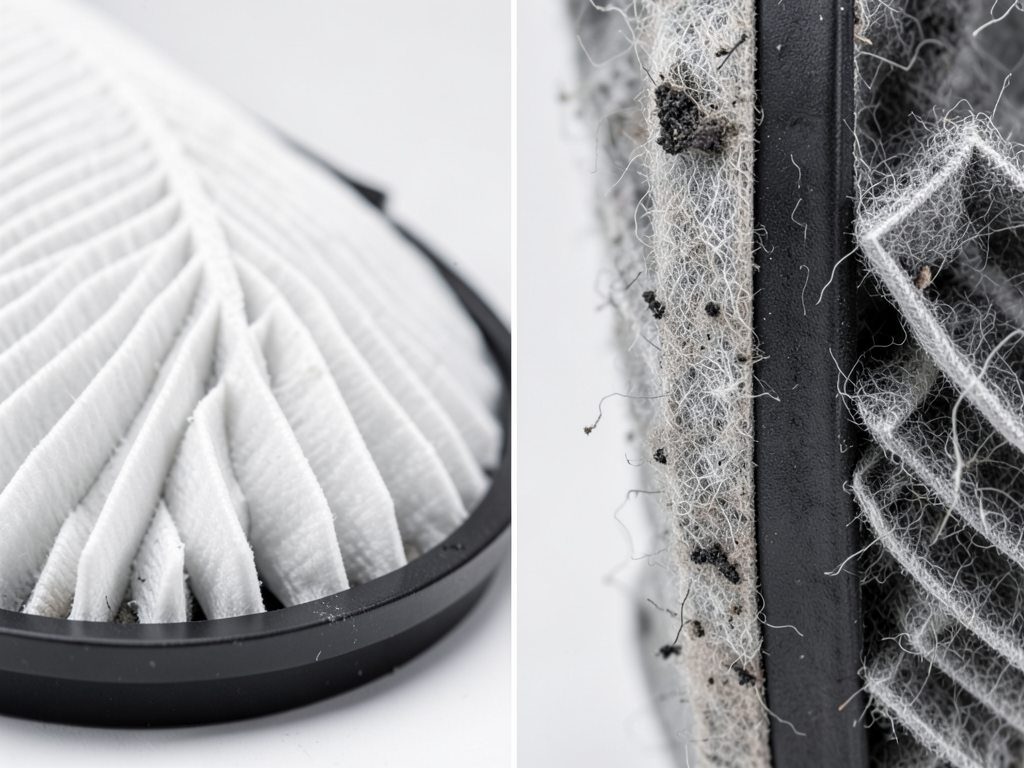
Many cheap filters use fiberglass construction with MERV ratings of 4-6. While these cost only a few dollars, they allow the smallest and most harmful particles to circulate through your home. Expensive filters with MERV 13 ratings can capture particles as small as 0.3 microns—including many bacteria and smoke particles that cheaper filters miss entirely.
The Hidden Cost of Cheap Filters
Those bargain filters might save you $10 upfront, but they cost you in other ways. Cheap filters clog faster, forcing your HVAC system to work harder. This increased strain can reduce your system’s efficiency by 10-15%, leading to higher energy bills. Over a single summer, that inefficiency can cost you more than the price difference between cheap and quality filters.
Additionally, when cheap filters reach their capacity quickly, they allow more dust to accumulate on your evaporator coils and blower motor. This buildup can cause your system to freeze up or even fail completely. In Riverside’s extreme heat, a system failure isn’t just inconvenient—it can be dangerous.
Santa Ana Winds and Filter Performance
During Santa Ana wind events, Riverside experiences some of the highest wind speeds and lowest humidity levels in Southern California. These conditions create a perfect environment for dust to become airborne and infiltrate your home. A quality filter with a MERV 11 rating can capture up to 95% of these particles, while a cheap filter might only catch 20%.
The Santa Ana season typically runs from September through March, with peak winds occurring in October and November. During these months, you should check your filter monthly rather than the standard every-three-months schedule. Homes in areas like Canyon Crest and Mission Grove often experience even higher dust infiltration due to their proximity to open spaces and canyon winds.
Static Pressure: The Technical Factor Most Homeowners Miss
Every HVAC system has a specific static pressure rating—the resistance to airflow that your system can handle. Cheap filters often have larger pores that allow air to pass through easily, but they also let contaminants through. Expensive filters have denser media that captures more particles but also creates more resistance.
The key is finding the right balance. A MERV 13 filter might seem like the best choice, but if your system wasn’t designed for that level of filtration, it can actually reduce airflow and cause your blower motor to work too hard. This is why professional assessment matters—what works for a new system in a La Quinta development might damage an older system in a Woodcrest neighborhood. How Much Does a New AC Installation Cost in Woodcrest Today?.
Seasonal Considerations for Riverside County
Riverside’s climate creates unique seasonal challenges for air filtration. During wildfire season, which often extends from May through December, smoke particles can be as small as 0.4 microns—smaller than many standard filters can capture. This is when upgrading to a higher MERV rating or even a HEPA filter becomes crucial for indoor air quality.
During the agricultural season, particularly in areas near the Santa Ana River corridor, pollen counts can spike dramatically. A quality filter can make the difference between a home that aggravates allergies and one that provides a safe haven. The cost difference between a basic filter and a quality one is minimal compared to the comfort and health benefits.
Installation and Maintenance: The Professional Advantage
Even the best filter won’t perform properly if it’s installed incorrectly. Many homeowners make the mistake of installing filters backward or failing to seal the filter compartment properly. This allows unfiltered air to bypass the filter entirely—defeating the purpose of your investment.
Professional HVAC technicians understand the nuances of filter installation. They’ll ensure proper orientation, check for air leaks around the filter frame, and verify that your system’s static pressure remains within manufacturer specifications. This attention to detail can extend your system’s life by years.
The Cost-Benefit Analysis: What Riverside Homeowners Should Expect
A quality MERV 11 filter costs approximately $15-25, while a basic fiberglass filter costs $3-5. Over a year, you’ll replace the quality filter 4 times ($60-100) versus 12 times for the cheap option ($36-60). The math seems simple, but it ignores the energy savings, reduced maintenance, and improved air quality that quality filters provide.
Consider this: if a quality filter improves your system’s efficiency by just 10%, and your summer cooling bill is $300 per month for five months, you’re saving $150 annually. That alone covers the price difference, and you haven’t even factored in the health benefits or potential repair savings. Same Day Emergency AC Repair for Families in Orangecrest.
Special Considerations for Riverside’s Older Homes
Many homes in Riverside’s historic districts and older neighborhoods like Magnolia Center were built before modern HVAC efficiency standards. These systems often have lower static pressure tolerances and may not handle high-MERV filters well. However, they also tend to have more air leaks and may benefit more from quality filtration.
Older systems might perform best with a MERV 8 pleated filter—a middle-ground option that provides better filtration than cheap fiberglass without restricting airflow too much. A professional assessment can determine the optimal choice for your specific system and home construction.
Commercial vs. Residential Filtration Needs
The filtration needs of a commercial building in Riverside’s logistics corridor differ significantly from a residential home. Warehouses and distribution centers near the I-15 often deal with higher levels of diesel particulate matter and require specialized filtration systems. While this article focuses on residential needs, it’s worth noting that the principles are the same: better filtration means better air quality and system longevity. Commercial Duct Cleaning.
For most Riverside homeowners, the choice comes down to MERV 8 versus MERV 11. MERV 11 provides the best balance of filtration efficiency and system compatibility for the majority of homes in our area. Only consider MERV 13 if you have severe allergies, respiratory issues, or live in an area with exceptionally poor outdoor air quality.
Environmental Impact and Sustainability
Quality air filters don’t just benefit your home—they benefit the environment. When your HVAC system runs efficiently, it uses less electricity, reducing your carbon footprint. Additionally, many high-quality filters are now made with recyclable materials, while cheap fiberglass filters typically end up in landfills.
Some manufacturers now offer washable, reusable filters that can last for years. While the upfront cost is higher, these filters eliminate the waste associated with disposable options. However, they require regular cleaning and may not provide the same level of filtration as disposable high-MERV options.
Making the Right Choice for Your Riverside Home
The real difference between cheap and expensive air filters isn’t just about price—it’s about understanding your specific needs. Consider your home’s age, your family’s health concerns, your proximity to agricultural or industrial areas, and your HVAC system’s specifications. A $5 filter might seem like a bargain until you factor in the long-term costs.
For most Riverside homeowners, a quality pleated filter with a MERV 11 rating represents the best value. It provides excellent filtration for our local air quality challenges while maintaining compatibility with most residential HVAC systems. The small additional cost is quickly offset by energy savings, reduced maintenance, and improved indoor air quality.
Frequently Asked Questions
How often should I change my air filter in Riverside?
Most Riverside homes should change filters every 60-90 days, but during Santa Ana wind season or wildfire events, monthly changes may be necessary. Check your filter monthly and replace it when it appears dirty or every three months at minimum.
Can a high-MERV filter damage my HVAC system?
Yes, if your system isn’t designed for it. High-MERV filters create more resistance to airflow. Older systems or those with existing issues may struggle with MERV 13 filters. A professional assessment can determine the highest MERV rating your system can handle safely.
Are expensive filters worth it for allergy sufferers?
Absolutely. If you or family members suffer from allergies, asthma, or other respiratory issues, the investment in higher-quality filtration can significantly improve your quality of life. MERV 11 or 13 filters can capture the microscopic allergens that trigger symptoms.
What’s the difference between pleated and fiberglass filters?
Fiberglass filters are cheap but capture only large particles. Pleated filters have more surface area and can capture much smaller particles while maintaining better airflow. The additional cost of pleated filters is usually offset by improved system efficiency and air quality.
Should I use a HEPA filter in my home HVAC system?
Standard residential HVAC systems typically cannot handle true HEPA filters due to their extreme density. However, some systems can accommodate HEPA-like filters with MERV ratings of 16-20. These require professional assessment and may need system modifications to work properly.
How do I know if my filter is installed correctly?
The filter should fit snugly in the compartment with no gaps around the edges. Look for an arrow on the filter frame indicating airflow direction—this should point toward the blower motor. If you’re unsure, have a professional check your installation during routine maintenance.
Can I clean and reuse disposable air filters?
No. Cleaning disposable filters typically damages the media and reduces their effectiveness. While some filters are marketed as washable, true disposable filters should be replaced rather than cleaned. Attempting to clean them can release trapped contaminants back into your air.
What size filter do I need for my HVAC system?
Filter sizes are measured in length x width x depth (e.g., 16x20x1). Check the dimensions printed on your current filter or measure the filter compartment. Using the wrong size allows air to bypass the filter entirely, reducing effectiveness and potentially damaging your system.
How does air quality in Riverside compare to other areas?
Riverside consistently ranks among the worst in the nation for particulate matter due to our geography, which traps pollution, and our proximity to major transportation corridors and agricultural areas. This makes quality air filtration more important here than in many other parts of the country.
Should I run my fan on ‘on’ instead of ‘auto’ for better filtration?
Running your fan continuously can improve air filtration by constantly cycling air through your filter. However, it also increases energy usage. The best approach is to use a programmable thermostat that runs the fan periodically throughout the day for balanced filtration and efficiency.
What’s the impact of outdoor air quality on indoor air?
Outdoor air quality significantly impacts indoor air, especially in areas with poor outdoor air quality like parts of Riverside. Your HVAC filter is your primary defense against bringing outdoor pollutants inside. Quality filtration can reduce indoor pollutant levels by 50-75% compared to using cheap filters.
Are there filters specifically designed for wildfire smoke?
While no standard residential filter is specifically designed for wildfire smoke, MERV 13 filters or higher can capture many of the fine particles found in smoke. During severe wildfire events, you might also consider using a portable HEPA air purifier in addition to your HVAC filtration system.
How do I dispose of old air filters properly?
Used air filters contain trapped contaminants and should be handled carefully. Place the old filter in a plastic bag before disposal to prevent contaminants from escaping. Some manufacturers now offer recycling programs for used filters, which is the most environmentally responsible option.
Can pets affect my filter choice?
Yes. Homes with pets typically need more frequent filter changes and may benefit from higher MERV ratings. Pet dander and hair can quickly overwhelm basic filters. If you have multiple pets or breeds that shed heavily, consider upgrading to a MERV 11 filter and checking it monthly.
What’s the relationship between filter quality and energy bills?
Quality filters can actually lower your energy bills by maintaining proper airflow and keeping your system clean. Cheap filters that clog quickly or allow debris to accumulate on coils force your system to work harder, increasing energy consumption. The energy savings often offset the higher filter cost within a single cooling season.
How do I choose the right filter if I’m not sure about my system specs?
When in doubt, start with a MERV 8 pleated filter, which works well for most systems. If you notice reduced airflow or increased noise, you may need to step down to a lower MERV rating. For optimal performance, have a professional evaluate your system and recommend the appropriate filter.
Are smart filters worth the investment?
Smart filters with sensors that monitor airflow and contaminant levels can be valuable for homeowners who want optimal performance without guesswork. They can alert you when it’s time to change the filter based on actual usage rather than a calendar schedule, potentially saving money and ensuring consistent air quality.
What’s the impact of humidity on filter performance?
High humidity can cause some filters to become damp and less effective, while very low humidity (common during Santa Ana events) can cause filters to become brittle. Riverside’s generally low humidity is actually beneficial for most filter types, but homes near the Santa Ana River may experience higher humidity levels that affect filter performance.
How do I balance cost and performance when choosing a filter?
Start by identifying your priorities: if you have allergies or respiratory issues, invest in higher-quality filtration. If you’re primarily concerned with protecting your HVAC system, a mid-range MERV 8-11 filter usually provides the best balance. Consider the total cost of ownership rather than just the upfront price.
Ready to Breathe Easier in Your Riverside Home?
Understanding the real difference between cheap and expensive air filters is just the first step. Your specific home, HVAC system, and family needs require personalized assessment. Don’t guess about something as important as your indoor air quality and system performance.
Call (951) 223-9644 today to schedule a professional evaluation of your HVAC system and receive expert recommendations for the optimal filtration solution for your Riverside home. Our experienced technicians understand the unique air quality challenges we face in the Inland Empire and can help you make the right choice for your family’s health and comfort.
Pick up the phone and call (951) 223-9644 before the next Santa Ana wind event hits. Your lungs—and your HVAC system—will thank you. For more information, visit ASHRAE filtration standards.