The Importance of Clearing Dry Brush Away from Your Outdoor AC Unit in Arlanza
Dry brush around your outdoor AC unit creates serious fire hazards during Riverside’s hot summers. When dry vegetation touches or surrounds your condenser, it blocks airflow and becomes a combustible fuel source that can ignite from the unit’s electrical components or high operating temperatures. In Arlanza’s dry climate, maintaining a clear zone around your AC unit isn’t just about efficiency—it’s about protecting your home and family from potential wildfires. CAL FIRE wildfire preparation.
The area around your AC condenser needs at least two to three feet of clearance on all sides. This space allows proper airflow for heat dissipation and prevents dry leaves, grass, and weeds from becoming kindling near electrical connections. Many Arlanza homeowners don’t realize their AC units work harder when surrounded by brush, leading to higher energy bills and shortened equipment life.
Regular maintenance includes trimming vegetation back and removing accumulated debris from the condenser coils. This simple step improves system efficiency while reducing fire risk. The combination of Riverside’s Santa Ana winds and dry summer conditions makes this clearance even more critical for Arlanza residents. Switching to a High Efficiency Heat Pump in Riverside to Save on Monthly Energy Bills.
Fire Hazards Created by Dry Brush Near AC Units
Dry brush around outdoor AC units creates multiple fire risks that many homeowners overlook. The condenser contains electrical components that generate heat during operation. When surrounded by dry vegetation, these components can reach temperatures exceeding 150 degrees Fahrenheit. This heat, combined with electrical arcing or short circuits, creates perfect conditions for ignition.
Arlanza’s climate makes these risks even more severe. The area experiences extended drought periods where vegetation becomes extremely dry and brittle. During Santa Ana wind events, embers from distant fires can travel miles and ignite dry brush near homes. An AC unit surrounded by vegetation becomes a direct pathway for fire to reach your home’s exterior walls.
Beyond the immediate fire risk, brush accumulation affects your AC system’s performance. When airflow is restricted, the unit works harder to cool your home. This increased strain causes electrical components to overheat, creating another potential ignition source. The combination of restricted airflow and electrical stress creates a dangerous feedback loop that threatens both your system and your property.
Call (951) 223-9644 today to schedule a safety inspection of your outdoor AC unit and surrounding area.
How Arlanza’s Climate Increases Fire Risk for HVAC Systems
Arlanza experiences some of Riverside’s most extreme weather conditions. Summer temperatures regularly exceed 100 degrees Fahrenheit, and the area receives minimal rainfall during peak cooling season. These conditions create an environment where vegetation dries out quickly and remains combustible for months.
The Santa Ana winds that sweep through Arlanza carry not just heat but also embers from distant wildfires. These winds can reach speeds over 40 miles per hour, turning small embers into potential fire starters. When these embers land in dry brush near your AC unit, they can quickly ignite surrounding vegetation and spread to your home’s exterior.
Arlanza’s soil composition also affects fire risk. The area’s sandy soil drains quickly, leaving vegetation without moisture reserves during dry periods. This means plants around your AC unit dry out faster than in areas with clay-based soils. The combination of fast-draining soil, extreme heat, and seasonal winds creates conditions where brush remains dry and flammable for extended periods.
California Building Code Requirements for AC Unit Clearance
California Building Code Section 1305.1.6 requires minimum clearances around HVAC equipment for both safety and maintenance access. For residential AC units, the code mandates at least 30 inches of clearance on all sides for service access. However, fire safety experts recommend much larger clearances in fire-prone areas like Arlanza.
The California Fire Code, adopted by Riverside County, includes provisions for vegetation management around structures. While these codes primarily address landscaping near buildings, the principle extends to HVAC equipment. The code requires maintaining defensible space around structures, which includes keeping vegetation away from any potential ignition sources.
Local jurisdictions in Riverside County often adopt stricter requirements than state minimums. Arlanza residents should check with the Riverside County Fire Department for specific vegetation clearance requirements in their area. Many neighborhoods near wildland-urban interfaces require 50 to 100 feet of vegetation management around structures, which includes HVAC equipment.
Beyond code requirements, HVAC manufacturers specify clearance requirements for proper operation. Most manufacturers recommend at least 24 inches of clearance for adequate airflow. In fire-prone areas, doubling or tripling this clearance provides both operational efficiency and fire safety benefits.
Step-by-Step Guide to Clearing Brush Around Your AC Unit
Maintaining a safe zone around your outdoor AC unit requires regular attention throughout the year. Here’s a comprehensive approach to brush management that protects both your system and your home.
- Establish the Safety Zone
Mark a three-foot radius around your AC unit using stakes and string. This visual guide helps maintain consistent clearance during maintenance.
- Remove Existing Vegetation
Cut all grass, weeds, and small plants within the marked area. Use pruning shears for precision around the unit’s base and electrical connections.
- Clear Debris from Coils
Remove leaves, twigs, and dirt from the condenser coils using a soft brush or vacuum. This improves efficiency and removes potential fuel sources.
- Trim Nearby Trees and Shrubs
Cut back any branches or shrubs within six feet of the unit. Pay special attention to anything that could fall onto the unit during wind events.
- Install Barrier Materials
Consider placing gravel or decorative rock around the unit’s base. These materials don’t burn and help prevent weed growth while improving drainage.
- Schedule Regular Maintenance
Check the clearance zone monthly during fire season and after wind storms. Remove any new growth or debris immediately.
- Document Your Work
Take photos of the cleared area and keep records of maintenance. This documentation helps if you ever need to prove compliance with local regulations.
Impact of Brush Clearance on AC System Efficiency
Proper vegetation management around your AC unit directly affects system performance and energy consumption. When airflow is unrestricted, the condenser can efficiently release heat from the refrigerant. This efficiency translates to lower energy bills and extended equipment life.
A unit surrounded by brush must work harder to achieve the same cooling effect. The compressor runs longer cycles, and electrical components operate at higher temperatures. This increased workload can reduce your system’s efficiency by 10 to 30 percent, according to HVAC industry studies.
The financial impact extends beyond higher utility bills. Systems operating in restricted airflow conditions experience more frequent breakdowns. Components like capacitors and contactors fail prematurely when subjected to elevated operating temperatures. The cost of these repairs often exceeds the expense of regular vegetation maintenance. Same Day Emergency AC Repair for Families in Orangecrest.
Professional HVAC technicians use airflow measurements to assess system performance. When vegetation restricts airflow, pressure readings show reduced efficiency. Technicians can identify these issues during routine maintenance and recommend clearance improvements that restore optimal performance.
Seasonal Maintenance Schedule for Arlanza Residents
Arlanza’s climate requires different maintenance approaches throughout the year. Understanding seasonal patterns helps you protect your AC unit and maintain fire safety year-round.
| Season | Key Tasks | Fire Risk Level |
|---|---|---|
| Spring (March-May) | Complete vegetation clearance, inspect electrical connections, clean coils | Moderate |
| Summer (June-August) | Monthly brush checks, monitor system performance, clear wind-blown debris | High |
| Fall (September-November) | Remove fallen leaves, check for rodent nests, prepare for winter | High |
| Winter (December-February) | Inspect for damage, clear holiday light cords, check drainage | Low |
Summer represents the highest risk period for both fire danger and system strain. During these months, check your clearance zone weekly rather than monthly. After Santa Ana wind events, inspect for wind-blown debris that could accumulate around the unit.
Fall brings falling leaves that can accumulate quickly around the condenser. These organic materials not only restrict airflow but also retain moisture that promotes corrosion. Remove leaves promptly to prevent both efficiency losses and moisture damage.
Winter in Arlanza is mild, but occasional storms can bring debris that collects around your unit. Check the area after any significant wind or rain event to ensure drainage paths remain clear and vegetation hasn’t encroached on the safety zone.
Professional HVAC Safety Inspections and Services
While homeowners can manage basic vegetation clearance, professional HVAC technicians provide comprehensive safety inspections that identify risks you might miss. These inspections combine fire safety assessment with system performance evaluation.
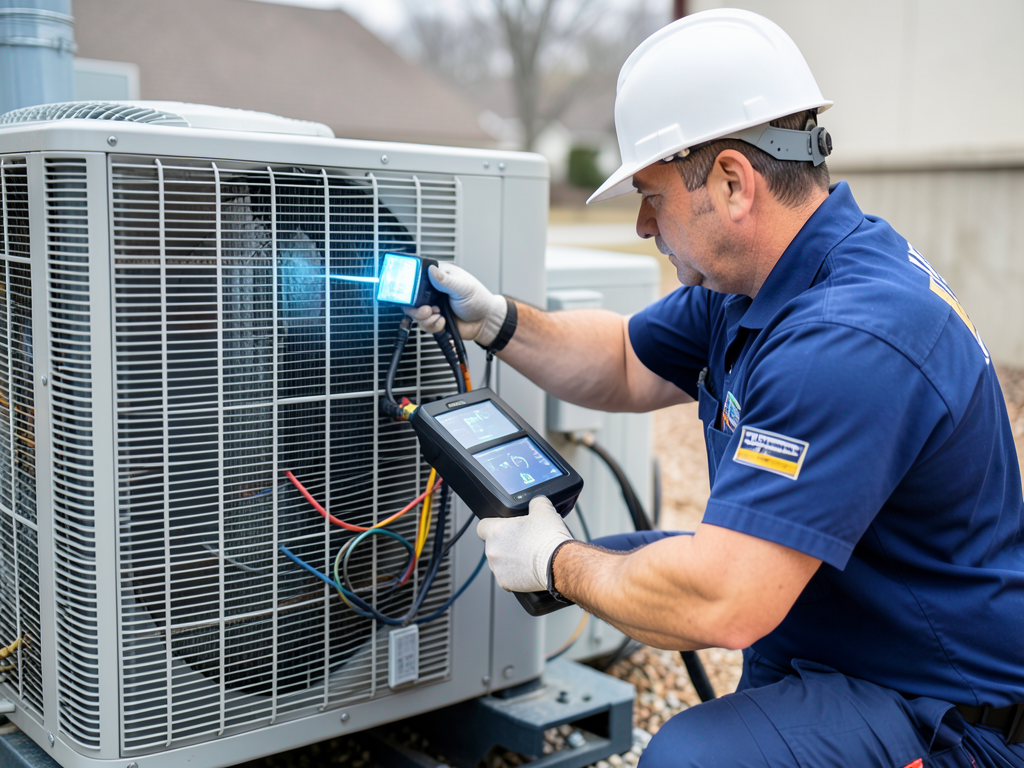
During a professional inspection, technicians check electrical connections for signs of wear or overheating. They measure amperage draw to identify components working harder than normal. These measurements can reveal problems developing before they cause system failure or create fire hazards.
Technicians also inspect the condenser coils for damage that could affect performance. Bent fins restrict airflow just as effectively as surrounding vegetation. Professional coil cleaning removes accumulated dirt and debris that homeowners often overlook. Commercial Duct Cleaning.
Beyond the unit itself, professionals assess the entire system’s safety. This includes checking refrigerant lines for damage, inspecting the electrical disconnect switch, and verifying proper grounding. These components all affect both system performance and fire safety.
Professional services also include testing safety controls like high-pressure switches and thermal overload protection. These devices prevent catastrophic failures by shutting down the system when dangerous conditions develop. Ensuring these safety features work properly provides crucial protection for your home.
Common Mistakes in AC Unit Vegetation Management
Many homeowners make simple mistakes that compromise both fire safety and system efficiency. Understanding these common errors helps you avoid them and maintain proper clearance around your AC unit.
One frequent mistake is planting shrubs or flowers too close to the condenser. While landscaping improves curb appeal, vegetation planted within the recommended clearance zone creates long-term problems. Plants grow larger than expected, and roots can damage the unit’s foundation or underground refrigerant lines.
Another common error involves using the area around the AC unit for storage. Many homeowners stack items like garden tools, pool supplies, or children’s toys near the condenser. These items not only restrict airflow but also create additional fuel sources in case of fire.
Some homeowners use weed killers or other chemicals near their AC units. These chemicals can damage the unit’s metal components and affect system performance. Additionally, chemical residues can create toxic fumes when heated by the unit’s operation.
Improper trimming techniques also cause problems. Cutting vegetation too close to the unit can damage electrical wiring or refrigerant lines. Using power tools near the condenser risks accidentally striking sensitive components. Always use hand tools for precise trimming around HVAC equipment.
Don’t wait until fire season to address vegetation around your AC unit. Call (951) 223-9644 now for a comprehensive safety inspection.
Emergency Procedures for AC-Related Fire Incidents
Despite preventive measures, emergencies can still occur. Knowing how to respond to an AC-related fire incident can prevent property damage and protect your family’s safety.
If you notice smoke or unusual odors coming from your AC unit, immediately shut off power at the electrical disconnect switch. This switch is typically located within a few feet of the condenser. If you can’t locate the disconnect, turn off power at your main electrical panel.
Never use water on an electrical fire. If flames are visible, evacuate your home immediately and call 911 from a safe location. Once firefighters arrive, inform them about the AC unit and any recent maintenance or problems you’ve noticed.
After any fire incident involving your HVAC system, have a qualified technician inspect the unit before restoring power. Fire damage can affect electrical components in ways that aren’t immediately visible. Attempting to operate a damaged unit could create additional hazards.
Keep emergency contact numbers readily available. Program your HVAC company’s number and your local fire department’s non-emergency line into your phone. Quick access to these numbers can save valuable time during emergencies.
Consider installing smoke detectors near your HVAC equipment. While most homes have interior smoke detectors, having one near the AC condenser can provide early warning of developing problems. This is especially important for units located near bedrooms or living areas.
Benefits of Professional Vegetation Management Services
While DIY brush clearance works for basic maintenance, professional vegetation management services offer advantages that protect your investment and ensure compliance with local regulations.
Professional services understand local fire codes and can ensure your property meets all requirements. They stay current on changing regulations and can recommend improvements that exceed minimum standards. This expertise is particularly valuable in areas like Arlanza where fire risk varies by neighborhood and season.
Professionals use proper equipment and techniques that prevent damage to your AC unit. They know how to trim vegetation without harming electrical connections or refrigerant lines. Their experience allows them to identify potential problems that untrained eyes might miss.
Many professional services offer maintenance contracts that include regular vegetation management. These contracts ensure consistent clearance throughout the year and often include system inspections. The bundled services typically cost less than separate appointments and provide better protection.
Professional services also maintain documentation of their work. This documentation can be valuable for insurance claims or if you ever sell your home. It demonstrates that you’ve maintained the property properly and addressed known hazards.
Beyond basic clearance, professionals can recommend landscaping alternatives that provide fire resistance while maintaining aesthetic appeal. They understand which plants are less likely to become fuel sources and can design arrangements that protect your home while enhancing your property’s appearance.
Local Resources for Fire Safety and HVAC Maintenance
Arlanza residents have access to numerous resources that support both fire safety and HVAC maintenance. Understanding these resources helps you stay informed and prepared for seasonal risks.
The Riverside County Fire Department provides educational materials about vegetation management and defensible space requirements. They offer free home assessments in high-risk areas and can identify specific hazards around your property. Contact their local station for information about upcoming community workshops.
California’s Calfire website maintains current information about fire danger levels and restrictions. They provide guidelines for vegetation management that exceed basic code requirements. Their resources include checklists for property owners and recommendations for fire-resistant landscaping.
Local HVAC contractors often participate in fire safety education programs. Many offer free seminars about HVAC maintenance and fire prevention. These events provide opportunities to ask specific questions about your system and learn about new safety technologies.
Community organizations in Arlanza sometimes organize neighborhood brush clearance days. These events provide equipment and assistance for elderly or disabled residents who might struggle with vegetation management. Participating in these events also builds community awareness about fire safety.
Utility companies like Southern California Edison provide information about electrical safety around HVAC equipment. They offer guidelines for vegetation management near power lines and can identify potential conflicts between landscaping and utility infrastructure.
Frequently Asked Questions
How close can plants be to my outdoor AC unit?
Fire safety experts recommend at least three feet of clearance on all sides of your AC unit. This distance allows proper airflow for system efficiency and prevents vegetation from becoming fuel for potential fires. Some HVAC manufacturers suggest even more clearance for optimal performance.
What type of plants are safest near AC units?
Fire-resistant plants with high moisture content and low sap or resin levels are safest near AC units. Succulents, deciduous trees, and certain ornamental grasses work well. Avoid plants that produce excessive dry leaves, needles, or branches that could accumulate around the unit.
How often should I check the area around my AC unit?
Check the clearance zone monthly during fire season and after any wind storm. Remove any new growth, fallen leaves, or debris immediately. During extreme fire danger periods, weekly inspections provide better protection for your home and system.
Can I install a fence around my AC unit for protection?
Yes, but maintain proper clearance. Any fence should allow at least three feet of clearance on all sides and include ventilation to prevent heat buildup. Solid fences can restrict airflow and create additional fire hazards by trapping heat around the unit.
What should I do if I notice burning smells from my AC?
Immediately shut off power at the electrical disconnect switch and evacuate your home. Call 911 if you see smoke or flames. Contact a qualified HVAC technician to inspect the unit before restoring power. Never ignore burning smells from your AC system.
Are there specific regulations for AC units in fire-prone areas?
Yes, many fire-prone areas have stricter vegetation management requirements. Check with your local fire department for specific regulations in Arlanza. Requirements often exceed basic building codes and may include specific clearance distances and approved landscaping materials.
Protect your home and family by ensuring your AC unit has proper clearance. Call (951) 223-9644 today to schedule your professional safety inspection and maintenance service.
Conclusion
Maintaining proper clearance around your outdoor AC unit in Arlanza isn’t just about system efficiency—it’s about protecting your home from fire hazards. The combination of Riverside’s extreme heat, Santa Ana winds, and dry vegetation creates conditions where small oversights can lead to serious consequences. By keeping a three-foot clearance zone, removing dry brush regularly, and scheduling professional inspections, you protect both your HVAC investment and your family’s safety.
Remember that vegetation management is an ongoing process, not a one-time task. Seasonal changes, plant growth, and weather events all affect the safety zone around your AC unit. Stay vigilant throughout the year, especially during fire season, and don’t hesitate to call professionals when you need help maintaining proper clearance.
Your AC unit works hard to keep your home comfortable. Give it the space it needs to operate safely and efficiently. The small effort of regular brush clearance pays dividends in lower energy bills, longer equipment life, and most importantly, reduced fire risk for your Arlanza home.
Ready to ensure your AC unit is safe and efficient? Call (951) 223-9644 now to schedule your comprehensive safety inspection and vegetation management service. Don’t wait until fire season is here—protect your home today. For more information, visit National Fire Protection Association.