
The Best Ways to Cool a Sunroom or Enclosed Patio in Alessandro Heights
A sunroom in Alessandro Heights can quickly turn into an oven during Riverside’s Inland Empire summers where temperatures regularly exceed 100 degrees Fahrenheit. The large glass surfaces that make these spaces inviting also trap heat creating what HVAC professionals call a greenhouse effect. This article covers proven cooling solutions specifically for Alessandro Heights homes from high-efficiency ductless mini-splits to smart insulation strategies that work with Riverside’s unique climate conditions. Why Ductless Mini Splits are the Best Cooling Solution for Woodcrest Guest Houses.
Why Riverside Sunrooms Become ‘Hot Boxes’
The Inland Empire’s combination of intense sunlight and dry heat creates unique challenges for enclosed patio spaces. Glass walls and roofs allow solar radiation to pass through easily but trap the resulting heat inside. During peak summer months Alessandro Heights residents often find their sunrooms reaching 15 to 20 degrees hotter than the rest of their home even with standard windows and doors closed.
Heat gain in sunrooms comes from multiple sources. Direct sunlight through glass accounts for approximately 50 percent of the heat load while conductive heat transfer through walls and roof surfaces adds another 25 percent. Internal heat from electronics and people contributes the remaining 25 percent. This makes sunrooms one of the most difficult spaces to cool effectively using standard residential HVAC systems.
The problem intensifies in Alessandro Heights because many homes in this area were built during the 1980s and 1990s when energy efficiency standards were less stringent. Older sunrooms often lack proper insulation and may have single-pane glass that provides minimal thermal resistance. Without intervention these spaces become unusable during peak heat hours forcing homeowners to close off valuable living area. ENERGY STAR certified equipment.
Top Cooling Solutions for Sunrooms
Ductless Mini-Split Systems The Gold Standard
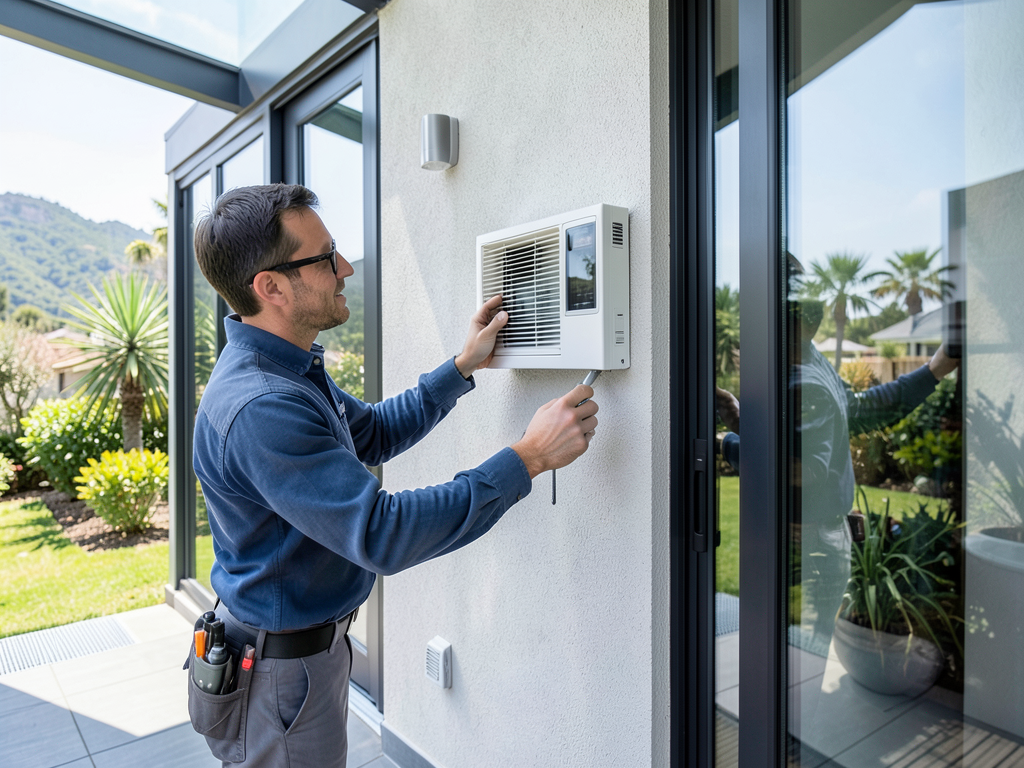
Ductless mini-split systems have become the preferred solution for Alessandro Heights sunrooms because they provide targeted cooling without the need for extensive ductwork modifications. These systems consist of an outdoor compressor unit connected to one or more indoor air handlers mounted on walls or ceilings. The technology allows for independent temperature control making it ideal for spaces that need different cooling levels than the main house.. Read more about Heating and Cooling Solutions for New Multi-Generational Suites in Sycamore Highlands.
Modern mini-splits offer several advantages for sunroom applications. They operate at sound levels as low as 19 decibels making them quieter than a whisper. Most units include inverter technology that adjusts compressor speed based on cooling demand rather than cycling on and off. This provides more consistent temperatures while using 30 to 40 percent less energy than conventional systems.
Installation typically takes one to two days depending on the complexity of the layout. The indoor unit mounts on an exterior wall requiring only a three-inch hole for refrigerant lines and electrical connections. This minimal intrusion preserves the sunroom’s aesthetic while providing powerful cooling capacity. Units range from 9000 to 36000 BTUs allowing proper sizing for spaces from 150 to 1500 square feet. How Much Does a New AC Installation Cost in Woodcrest Today?.
Extending Existing Ductwork Pros and Cons
Extending existing ductwork from the main HVAC system represents a traditional approach to sunroom cooling. This method works best when the sunroom is close to existing ducts and the current system has sufficient capacity. However most Alessandro Heights homes built before 2000 have systems that operate near their maximum capacity making additional cooling loads problematic.
The primary advantage of duct extension is seamless integration with the home’s existing climate control. Temperature can be managed through the main thermostat and air distribution feels consistent with the rest of the house. However this approach often requires significant modifications including cutting into walls to run new ducts and potentially upgrading the main system to handle the additional load.
Cost considerations also favor mini-splits over duct extensions. Extending ductwork typically costs 40 to 60 percent more than installing a ductless system when factoring in labor for demolition and reconstruction. Additionally extended ducts can reduce overall system efficiency due to increased friction losses and potential air leaks at connection points. Switching to a High Efficiency Heat Pump in Riverside to Save on Monthly Energy Bills.
HVAC Zoning Systems
Zoning systems offer a middle ground between complete system replacement and standalone cooling solutions. These systems use motorized dampers installed in existing ductwork to direct conditioned air to specific areas based on thermostat settings. For Alessandro Heights sunrooms this means the space can be cooled independently without running the entire house system.
Modern zoning systems include smart thermostats that learn usage patterns and automatically adjust temperatures for optimal comfort and efficiency. They can reduce energy consumption by up to 30 percent compared to non-zoned systems by avoiding unnecessary cooling of unoccupied spaces. Installation requires professional assessment to ensure the existing HVAC system can support the additional static pressure from zone dampers.
The main limitation of zoning for sunrooms is that it still relies on the main system’s capacity and efficiency. During extreme heat waves when the primary system is already working hard adding a sunroom zone may reduce overall performance. Zoning works best when combined with other cooling strategies like improved insulation and solar control films.
Passive Cooling Tints Shades and Ventilation
While not sufficient as standalone solutions passive cooling strategies can significantly reduce the cooling load on active systems. Low-emissivity window films can block up to 85 percent of solar heat gain while still allowing visible light to pass through. These films pay for themselves through reduced cooling costs within two to three years in Riverside’s climate.
Exterior shading options include retractable awnings and solar screens that prevent sunlight from reaching the glass in the first place. Interior solutions like cellular shades with reflective backing can reduce heat gain by 40 to 60 percent. The most effective approach combines exterior and interior shading for maximum thermal control.
Natural ventilation through operable windows and ceiling fans can provide supplemental cooling during moderate weather. However this strategy becomes less effective when outdoor temperatures exceed 85 degrees. In Alessandro Heights’ climate passive cooling should be viewed as a complement to active cooling systems rather than a replacement.. Read more about Finding the Quietest Outdoor AC Units for Peaceful Alessandro Heights Backyards.
Choosing the Right Size BTU Calculation for Glass Rooms
Sunrooms require higher cooling capacity per square foot than standard rooms due to their extensive glass surfaces. The standard residential cooling rule of 20 BTUs per square foot does not apply to enclosed patio spaces. Instead HVAC professionals use a modified calculation that accounts for solar heat gain through glass.
For sunrooms with large glass areas the calculation typically starts at 30 BTUs per square foot then adds additional capacity based on window orientation and shading. South and west-facing glass in Alessandro Heights may require an additional 10 to 15 percent capacity due to intense afternoon sun. North-facing glass needs less additional capacity while east-facing glass requires moderate increases.
Other factors affecting cooling load include ceiling height, insulation levels, and local climate conditions. Alessandro Heights’ inland location means higher cooling loads than coastal areas. A 200 square foot sunroom might need 8000 BTUs in a coastal climate but 10000 to 12000 BTUs in Alessandro Heights due to the more extreme temperatures.
Professional load calculations use Manual J methodology which considers all these factors. This process ensures the selected system will provide adequate cooling without short cycling which reduces efficiency and equipment life. Undersized systems run continuously without achieving desired temperatures while oversized systems cool too quickly without properly dehumidifying the space.
Energy Efficiency and Rebates in Riverside
California Title 24 energy efficiency standards require new cooling equipment to meet minimum Seasonal Energy Efficiency Ratio 2 (SEER2) ratings. For residential cooling equipment installed in 2026 the minimum SEER2 rating is 14 for split systems. Higher efficiency units with SEER2 ratings of 18 to 22 are available and can reduce cooling costs by 30 to 40 percent compared to minimum efficiency models. California Title 24 Energy Efficiency Standards.
Riverside Public Utilities and Southern California Edison offer rebates for high-efficiency cooling equipment. Current programs provide up to $300 for qualifying heat pump systems and $50 per ton for high-efficiency air conditioners. These rebates are subject to change based on funding availability and energy policy but typically renew annually.
The Energy Savings Assistance Program provides free energy efficiency upgrades for income-qualified households. This program can cover the cost of new cooling equipment including mini-splits for eligible Alessandro Heights residents. Qualification is based on household income and participation in certain government assistance programs.
ENERGY STAR certified equipment meets strict efficiency guidelines set by the U.S. Environmental Protection Agency. These units use advanced compressors and fans to achieve higher efficiency while maintaining comfort. The initial cost premium of 15 to 20 percent typically pays back through energy savings within five years in Riverside’s climate.
Frequently Asked Questions about Sunroom HVAC
Can I use a portable air conditioner in my sunroom?
Portable air conditioners can provide temporary cooling but are generally inadequate for Alessandro Heights sunrooms. These units typically max out at 14000 BTUs which may not be sufficient for the high heat gain in glass rooms. They also require venting through a window which compromises the enclosed nature of the space and may violate building codes if permanent modifications are made.
How much does it cost to cool a sunroom properly?
Professional sunroom cooling solutions range from $3000 to $8000 depending on the chosen system and installation complexity. Mini-split systems typically cost $4000 to $6000 installed while zoning systems range from $5000 to $7000. These costs include equipment, labor, and necessary electrical work. Energy savings and increased usable space often justify the investment within a few years.
Will cooling my sunroom affect my home’s resale value?
Properly cooled and climate-controlled sunrooms generally increase home value by 50 to 70 percent of the improvement cost. In Alessandro Heights where outdoor living is popular year-round climate control makes the space usable throughout all seasons. This additional living area can be a strong selling point especially when the cooling solution is integrated seamlessly with the home’s design.
How long does installation take for different cooling options?
Mini-split installation typically requires one to two days with minimal disruption. Duct extensions may take three to five days due to demolition and reconstruction work. Zoning system installation usually requires two to three days including system programming and testing. All installations require permits from the City of Riverside which adds one to two weeks to the timeline for plan review and approval.
What maintenance do sunroom cooling systems require?
Regular maintenance ensures optimal performance and longevity. Mini-splits need filter cleaning every three months and professional service annually. Zoning systems require damper inspection and lubrication annually. All systems benefit from annual professional tune-ups that include coil cleaning, refrigerant level checks, and electrical connection inspection. Proper maintenance can extend system life by 30 to 50 percent. Commercial Duct Cleaning.
Making the Right Choice for Your Alessandro Heights Home
The best cooling solution for your sunroom depends on several factors including your budget, the room’s construction, and how you plan to use the space. For most Alessandro Heights homeowners ductless mini-splits offer the best combination of efficiency, cost-effectiveness, and comfort. These systems provide reliable cooling without the extensive modifications required for duct extensions or the system limitations of zoning. Reliable Furnace Repair in Riverside to Keep Your Family Warm This Winter.
Before making a final decision consider having a professional HVAC assessment of your specific situation. A qualified technician can perform a heat load calculation, evaluate your existing system capacity, and recommend the most cost-effective solution. This assessment typically costs $150 to $300 but can save thousands by preventing oversizing or choosing an inadequate system.
Energy efficiency should be a primary consideration given Riverside’s hot climate and high electricity costs. Investing in high-SEER equipment with available rebates can significantly reduce operating costs while providing superior comfort. The right cooling solution will make your sunroom a comfortable retreat rather than an unusable space during the hottest months.
Ready to transform your hot sunroom into a comfortable year-round living space? Call (951) 223-9644 today to schedule your free assessment. Our experienced technicians understand Alessandro Heights’ unique climate challenges and can recommend the perfect cooling solution for your home.
Don’t wait until next summer to solve your sunroom cooling problems. The sooner you install an efficient cooling system the sooner you can start enjoying your entire home. Pick up the phone and call (951) 223-9644 before the next heat wave hits Alessandro Heights.
Conclusion
Cooling a sunroom in Alessandro Heights requires understanding the unique challenges of Riverside’s Inland Empire climate. From the greenhouse effect of glass walls to the intense summer heat these spaces demand specialized solutions. Whether you choose a ductless mini-split system, extend your existing ductwork, or implement a zoning strategy the key is proper sizing and professional installation.
Energy efficiency and available rebates make this the perfect time to invest in sunroom cooling. With the right system you can transform an unusable hot space into comfortable additional living area that adds value to your home. The investment pays dividends through increased comfort, energy savings, and enhanced property value.
Your sunroom should be a retreat not a sauna. Take action today to ensure your Alessandro Heights home provides comfort throughout every season. Call (951) 223-9644 now to speak with our cooling specialists about your sunroom project.
- Assess Your Current Situation
Evaluate your sunroom’s construction including glass area, orientation, and existing insulation. Note how the space performs during different times of day and seasons.
- Calculate Cooling Requirements
Determine the BTU capacity needed based on square footage and heat gain factors. Professional Manual J calculations provide the most accurate sizing.
- Compare System Options
Evaluate mini-splits, duct extensions, and zoning systems based on your specific needs, budget, and home configuration.
- Consider Energy Efficiency
Look for high SEER2 ratings and available rebates from Riverside Public Utilities or Southern California Edison to maximize long-term savings.
- Plan Professional Installation
Choose licensed HVAC contractors familiar with Alessandro Heights’ building codes and climate conditions for proper installation and permitting.