Staying Cool During a Riverside Power Outage (Tips for Every Local Homeowner)
When Riverside’s summer heat hits 105°F and the power goes out, your AC stops working just when you need it most. The Inland Empire’s extreme heat creates dangerous conditions within minutes, especially for children, seniors, and anyone with health conditions. This guide gives you immediate, actionable steps to stay safe while your cooling system is down. Riverside Public Utilities outage map.
The first priority is lowering your body temperature before heat exhaustion turns into heat stroke. Move to the coolest room in your home—usually a north-facing interior space away from windows. Remove excess clothing, drink cold water continuously, and place cold compresses on pulse points like your wrists, neck, and behind your knees. These areas cool blood quickly and help regulate your core temperature.
Immediate Safety Steps When the Power Fails
Heat stroke can develop in under 30 minutes in Riverside’s summer conditions. Watch for confusion, rapid pulse, hot dry skin, and dizziness. If someone shows these signs, call 911 immediately. While waiting for help, move them to shade, remove clothing, and apply ice packs to neck and armpits.
Create a cooling zone using the ‘ice and fan’ method. Place a large bowl of ice in front of a battery-powered fan. The fan blows air across the ice, creating a cool breeze that can lower the temperature in a small area by 5-10 degrees. This works especially well in Riverside’s dry heat where evaporative cooling is most effective.
Home Cooling Hacks for Riverside’s Dry Heat
Riverside’s low humidity actually helps with DIY cooling strategies. Hang damp sheets in open windows during evening hours when outdoor temperatures drop. As air passes through the wet fabric, it cools through evaporation—similar to how swamp coolers work. This can reduce indoor temperatures by several degrees.
Strategic shade management makes a huge difference in Riverside’s intense afternoon sun. Close curtains and blinds on south and west-facing windows by 10 AM. Use light-colored or reflective window coverings to bounce heat away from your home. Exterior shading with patio umbrellas or temporary shade cloth can reduce heat gain by up to 30%.
Cross-ventilation works best in Riverside’s evening breezes. Open windows on opposite sides of your home to create airflow. Place box fans in windows facing outward to pull hot air out, while fans on the other side draw cooler air in. This natural ventilation can refresh your indoor air every 15-20 minutes.
Quick HVAC Troubleshooting Before Calling for Help
Before assuming your AC is broken, run through this five-point checklist. First, check your thermostat batteries—dead batteries are the most common ‘no cool’ call we get. Second, inspect your air filter. A completely clogged filter can freeze your evaporator coil, stopping cooling entirely.
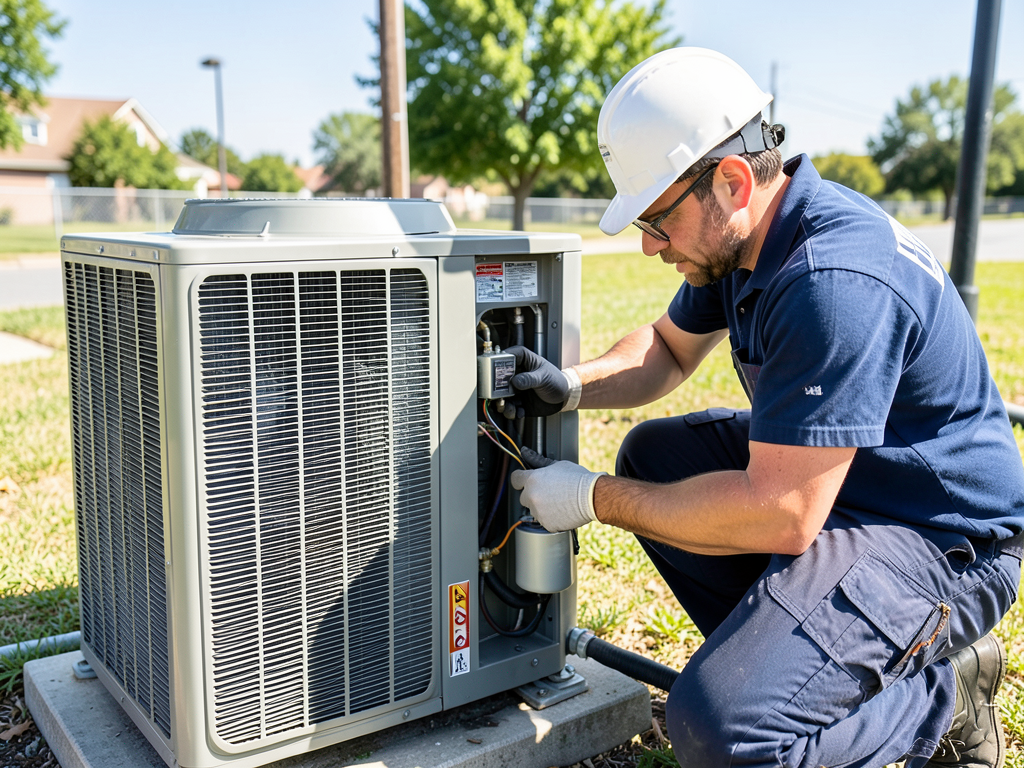
Third, check your circuit breakers. Your outdoor condenser unit has its own breaker, often in a separate panel. If it’s tripped, reset it once. If it trips again, you have an electrical problem that needs professional attention. Fourth, examine your outdoor unit. Clear away leaves, grass clippings, and debris that block airflow across the condenser coils.
Fifth, check for ice buildup on refrigerant lines. If you see frost or ice, turn off your system immediately and call for service. Running a frozen system can destroy your compressor—a repair that costs more than a new unit in many cases. Same Day Emergency AC Repair for Families in Orangecrest.
Understanding Riverside’s Unique Cooling Challenges
Riverside’s combination of extreme heat, Santa Ana winds, and dust creates specific problems for HVAC systems. The Santa Ana winds blow fine desert dust that clogs condenser coils and air filters faster than in coastal areas. This reduces efficiency by up to 30% and can cause your system to overheat and shut down. Switching to a High Efficiency Heat Pump in Riverside to Save on Monthly Energy Bills.
During heat waves, your AC works hardest between 2 PM and 8 PM when outdoor temperatures peak. This is when most cooling failures occur. The constant cycling on and off stresses capacitors and contactors, which are the most common parts that fail during extreme heat.
Riverside Public Utilities and Southern California Edison often implement rolling blackouts during peak demand. These typically last 1-2 hours but can extend longer during major heat events. Knowing your utility’s outage map and having a plan for these predictable interruptions makes the heat much more manageable.
Local Resources for Riverside Residents
Riverside County operates several cooling centers during extreme heat events. The County Administration Center at 4080 Lemon Street opens as a cooling center when temperatures exceed 103°F. The Janet Goeske Center at 5257 Sierra Street also serves as a cooling location for seniors and those with health conditions.
Riverside Public Utilities provides real-time outage maps at rpu.com/outages. During heat waves, they update every 15 minutes showing affected areas and estimated restoration times. Sign up for outage alerts through their website to get notifications when power is restored in your neighborhood.
For immediate HVAC emergencies, Horizon HVAC Riverside offers 24/7 emergency service throughout the Inland Empire. Our technicians carry common parts like capacitors and contactors on every truck, allowing us to fix most problems in a single visit. Call (951) 223-9644 for priority emergency response.
Emergency Contact Information
Keep these numbers handy during heat emergencies:
- 911 for medical emergencies
- Riverside County Emergency Services: (951) 358-3000
- Riverside Public Utilities: (951) 826-5311
- Horizon HVAC Emergency Line: (951) 223-9644
Text ‘RIVERSIDE’ to 888777 to receive emergency alerts from Riverside County about heat warnings, cooling center openings, and power outage updates.
Hydration and Health During Heat Events
Staying hydrated is crucial when your AC is down. Drink water consistently throughout the day—don’t wait until you feel thirsty. During extreme heat, you need 50% more water than normal. Avoid alcohol, caffeine, and sugary drinks which can actually dehydrate you faster.
Create a ‘cooling station’ in your home with bottled water, electrolyte drinks, wet towels, and battery-powered fans. Keep this area in the coolest room and encourage everyone to take regular breaks there. For families with young children or elderly members, check on them every 30 minutes during heat events.
Know the difference between heat exhaustion and heat stroke. Heat exhaustion causes heavy sweating, weakness, and nausea. Heat stroke stops sweating entirely and causes confusion or unconsciousness. Heat stroke is a medical emergency requiring immediate professional help.
When to Call for Emergency HVAC Service
Call for emergency service if your AC blows warm air for more than 30 minutes during extreme heat, if you hear unusual noises from your outdoor unit, or if your system trips breakers repeatedly. These are signs of serious problems that won’t fix themselves and will get worse with continued operation.
Watch for these warning signs that indicate immediate attention is needed:
- Ice buildup on refrigerant lines
- Unusual smells from vents (burning or musty odors)
- Water pooling around your indoor unit
- System cycling on and off every few minutes
Emergency service calls during heat waves typically cost more due to demand, but running a failing system can cause thousands in damage. A $200 capacitor replacement is much cheaper than a $3,000 compressor replacement caused by running a system with electrical problems.
Preventing Future Cooling Failures
Regular maintenance prevents most cooling failures. Schedule professional tune-ups in spring before heat waves hit. A technician can identify worn parts, clean dirty coils, and ensure your system operates at peak efficiency. This service typically costs $150-200 but can save you from emergency repairs during the hottest days.
Change your air filter every 30-60 days during cooling season. Riverside’s dust means filters clog faster than in other areas. A clean filter improves efficiency by up to 15% and prevents many common AC problems. Set calendar reminders or subscribe to automatic filter delivery services.
Consider upgrading to a smart thermostat. These devices can alert you to system problems before you notice them, track energy usage, and even pre-cool your home during off-peak hours when electricity rates are lower. Some models can detect when your system isn’t cooling properly and notify you immediately.
Community Support During Heat Emergencies
Check on neighbors during heat waves, especially elderly residents or those with health conditions. Riverside’s tight-knit communities mean we look out for each other. If someone’s power is out, invite them to share your cooling resources if you have backup power or alternative cooling methods.
Local churches and community centers often serve as informal cooling locations during extended outages. The Riverside Community Center at 3451 Orange Street opens its doors to residents without power during heat emergencies. Call ahead to confirm availability as hours vary based on staff and conditions.
Many Riverside libraries remain open late during heat waves, serving as quiet, air-conditioned spaces for residents without power. The Main Library at 3581 Mission Inn Avenue often extends hours by 2-3 hours during extreme heat events.
Smart Home Strategies for Power Outages
Invest in a small backup power solution like a portable power station or generator. These can run fans, charge phones, and power small appliances during outages. For under $500, you can get a unit that powers essential devices for 8-12 hours, making heat waves much more bearable.
Install battery-powered LED lights throughout your home. Power outages during heat waves often happen at night when you’re trying to sleep. Having safe, cool lighting helps you navigate without adding heat from traditional bulbs or candles.
Consider solar-powered attic fans. These reduce heat buildup in your attic by up to 30 degrees, which can lower your indoor temperature by 5-7 degrees even when your AC is off. They run whenever the sun is out, providing passive cooling without using grid electricity.
Long-Term Cooling Solutions
If you’re replacing your AC system, consider a high-efficiency unit with a variable-speed compressor. These systems use 30-50% less electricity and maintain more consistent temperatures. They also handle Riverside’s extreme heat better than standard units because they don’t have to work as hard to achieve the same cooling.
Proper home insulation makes a huge difference during power outages. Attic insulation, in particular, prevents heat from radiating down into your living spaces. Adding just R-30 insulation to your attic can reduce cooling costs by 20% and keep your home cooler during outages.
Reflective roof coatings can reduce heat gain by up to 40%. These special paints or coatings reflect sunlight away from your home, keeping your attic and living spaces cooler. They’re especially effective in Riverside’s intense summer sun and can extend your roof’s life by reducing thermal stress.
Emergency Cooling Kit Checklist
Prepare an emergency cooling kit before the next heat wave hits:
- Several battery-powered fans
- Ice packs or frozen water bottles
- Flashlights and extra batteries
- Solar phone charger
- Water bottles (1 gallon per person per day)
- Wet towels for evaporative cooling
- Portable power bank for electronics
Store this kit in an easily accessible location and check it annually to replace expired items and test batteries. Having these supplies ready can make the difference between discomfort and danger during a power outage.
Understanding Your AC System
Know the basics of how your AC works so you can identify problems quickly. Your system has two main parts: the indoor evaporator coil that cools air and the outdoor condenser that releases heat. Both must work together for cooling to occur. If either part fails, your system won’t cool.
The refrigerant lines connecting these components carry the cooling medium. If these lines develop leaks, your system loses refrigerant and cooling capacity. This is a common problem in older systems and requires professional repair with EPA-certified equipment to handle the refrigerant properly.
Your thermostat controls when your system runs. If it’s not working correctly, your AC might not turn on when needed. Check thermostat settings before assuming your system has failed—sometimes the solution is as simple as changing the temperature setting or replacing batteries.
Building a Heat-Resilient Home
Plant shade trees on the south and west sides of your home. Deciduous trees provide summer shade but allow winter sun through when you want the heat. Well-placed trees can reduce cooling costs by 25% and make your home more comfortable during power outages.
Install ceiling fans in bedrooms and living areas. While fans don’t cool air, they make you feel cooler through the wind-chill effect. This allows you to set your thermostat 4-5 degrees higher while maintaining the same comfort level, reducing strain on your AC system.
Seal air leaks around windows and doors with weatherstripping. Small gaps can let in as much hot air as an open window. Use caulk for stationary cracks and weatherstripping for moving parts. This simple step can reduce your cooling costs by 10-15%.
Professional Maintenance Benefits
Professional HVAC maintenance includes checking refrigerant levels, cleaning coils, testing electrical components, and ensuring proper airflow. These services catch problems before they cause failures during heat waves. A well-maintained system operates 20-30% more efficiently than a neglected one. Commercial Duct Cleaning.
During maintenance, technicians measure superheat and subcooling—technical terms that indicate whether your system has the right amount of refrigerant and is operating efficiently. These measurements can predict failures weeks before symptoms appear, allowing preventive repairs.
Ask about maintenance agreements that include priority service during heat waves. Many companies offer these plans that guarantee same-day service for contract customers during peak demand periods when non-contract customers might wait several days.
Staying Informed During Heat Events
Monitor local weather forecasts daily during summer months. Riverside’s heat waves often come with warnings 2-3 days in advance, giving you time to prepare. Pay attention to heat advisories and excessive heat warnings, which indicate dangerous conditions requiring extra precautions.
Follow Riverside County Public Health on social media for updates about cooling centers, heat warnings, and health advisories. They often post real-time information about power outages and available resources during heat emergencies.
Sign up for your utility company’s outage alerts. Knowing when power will be restored helps you plan your activities and manage expectations during extended outages. Some utilities provide estimated restoration times within 30 minutes of outage detection.
Creating a Family Heat Emergency Plan
Develop a plan with your family for what to do during heat emergencies. Designate a meeting spot if you need to leave home, establish communication methods if cell networks are overloaded, and identify which family members need extra assistance during heat events.
Practice your plan before summer heat arrives. Make sure everyone knows where emergency supplies are stored, how to recognize heat illness symptoms, and when to call for help. A practiced plan reduces panic and ensures everyone knows their role during an actual emergency.
Keep important documents in a waterproof, portable container. During extended outages, you might need identification, insurance cards, or medical information when seeking help at cooling centers or emergency facilities.
Final Thoughts on Riverside Heat Safety
Riverside’s extreme summer heat makes power outages more than just an inconvenience—they can be dangerous or even life-threatening. By preparing in advance, knowing what to do when the power fails, and having reliable emergency contacts, you can keep your family safe during even the worst heat waves. Reliable Furnace Repair in Riverside to Keep Your Family Warm This Winter.
Remember that heat safety is about more than just comfort. It’s about preventing heat-related illnesses, protecting vulnerable family members, and maintaining your home’s systems. A little preparation goes a long way toward making heat waves manageable rather than dangerous.
When your AC stops working during Riverside’s summer heat, don’t wait to get help. Call Horizon HVAC Riverside at (951) 223-9644 for fast, reliable emergency service. Our experienced technicians understand Riverside’s unique cooling challenges and can get your system running again quickly, often on the same day you call.
Stay cool, stay safe, and remember that help is just a phone call away when you need it most.
Frequently Asked Questions
How long can I stay in a hot house before it becomes dangerous?
Indoor temperatures above 85°F become dangerous within 1-2 hours for vulnerable people. Healthy adults can typically tolerate up to 4-6 hours, but risk increases significantly after 2 hours. Move to a cooling center or friend’s home if your house exceeds 85°F for extended periods.
Will my water still work during a power outage?
Yes, tap water continues to flow during most power outages since water pressure is maintained by gravity and backup generators at pumping stations. However, avoid using hot water as your water heater won’t function without power. Keep bottled water for drinking regardless.
How much does emergency AC repair cost in Riverside?
Emergency AC repairs during heat waves typically cost $150-500 for common problems like capacitor or contactor replacement. Major repairs like compressor replacement can cost $1,500-3,000. Most companies charge 1.5-2x their normal rates for emergency service during extreme heat events. For more information, visit CDC heat illness symptoms.