Managing Different Temperatures for Multi-Generational Households in the Ramona Neighborhood
Living under one roof with multiple generations creates unique comfort challenges, especially in Riverside’s Ramona neighborhood where summer temperatures regularly exceed 100°F. When grandparents prefer cooler temperatures for health reasons, parents want moderate comfort, and children need stable conditions for sleep, a single thermostat simply cannot satisfy everyone. The solution lies in understanding how to create independent temperature zones throughout your home.
Ramona’s older homes, many built between the 1960s and 1980s, often feature single-zone HVAC systems that struggle to maintain consistent temperatures across different areas. The upstairs bedrooms become heat traps while downstairs living spaces feel like iceboxes. This temperature imbalance becomes even more pronounced when family members have varying comfort needs due to age, health conditions, or activity levels.. Read more about Why Your Upstairs Bedrooms in Mission Grove Stay Ten Degrees Hotter Than the Kitchen.
Creating individualized comfort zones requires specialized HVAC solutions that go beyond simple thermostat adjustments. The right system can reduce energy costs by up to 30% while eliminating the daily thermostat battles that strain family relationships. Modern zoning technology allows each area of your home to maintain its own temperature independently, ensuring everyone from the youngest to the oldest family member stays comfortable year-round.. Read more about Creating a Dedicated Climate Control Setup for Your New Riverside Home Office.
Understanding Multi-Generational Comfort Needs
Different age groups have distinct temperature preferences rooted in physiological differences. Seniors often feel colder due to decreased circulation and metabolism, requiring temperatures around 72-74°F for comfort. Children and infants need stable temperatures between 68-72°F to maintain healthy sleep patterns and prevent respiratory issues. Adults in their prime years typically prefer 70-72°F, creating a three-way temperature conflict that a single system cannot resolve.
Beyond age-related preferences, health conditions common in multi-generational homes add complexity. Seniors with arthritis or circulation problems need warmer environments, while those with certain medications may experience temperature sensitivity. Young children are more susceptible to temperature fluctuations, which can affect their immune systems and sleep quality. These varying needs make temperature zoning not just a luxury but a health necessity.
The Ramona neighborhood’s architectural diversity compounds these challenges. Many homes feature split-level designs, additions, and converted spaces that create natural temperature variations. A converted garage apartment might need independent cooling, while a newly added master suite requires different airflow patterns than the original structure. Understanding these spatial dynamics is crucial for effective multi-generational HVAC planning.. Read more about Modern Cooling Strategies for 1950s Mid Century Ranch Homes in the Ramona Neighborhood.
Zone Control Systems for Multi-Generational Living
Zone control systems divide your home into independent temperature areas, each controlled by its own thermostat. These systems use motorized dampers installed in your ductwork to direct airflow only where needed. When the living room zone calls for cooling, dampers open in that area while closing in unused bedrooms, preventing energy waste and temperature conflicts.
Modern zoning controllers use smart technology to learn household patterns and automatically adjust temperatures based on occupancy. The system can detect when the grandparents’ bedroom needs warming at night while the kids’ rooms require cooling for sleep. This intelligent operation eliminates the need for manual adjustments and ensures optimal comfort for all family members.. Read more about Are Smart Vents a Good Alternative to Full Zone Control for Your Riverside Home?.
Installation of zone control systems in Ramona homes requires careful assessment of existing ductwork and electrical capacity. Many older homes need ductwork modifications to accommodate zone dampers, while electrical upgrades may be necessary to support multiple thermostats and control panels. A professional load calculation ensures each zone receives adequate airflow without overloading the system. How Much Does a New AC Installation Cost in Woodcrest Today?.
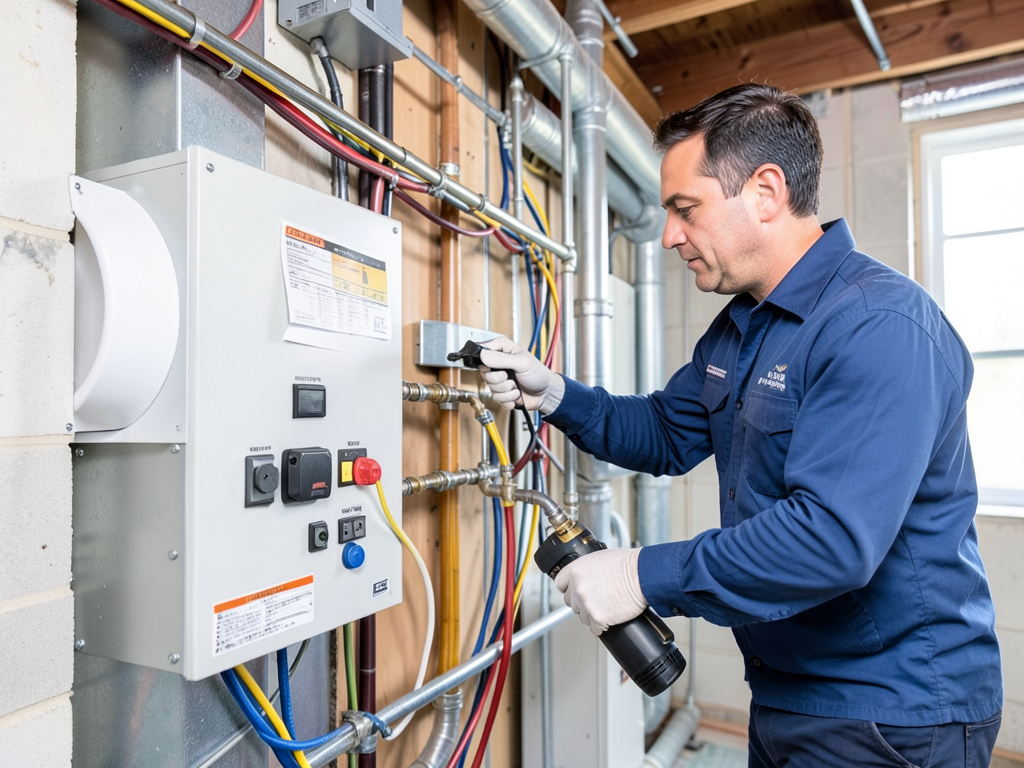
Diagram showing how motorized dampers redirect airflow in a zoned HVAC system, with independent thermostats controlling different home areas.
Ductless Mini-Split Solutions for Separate Spaces
Ductless mini-split systems offer an alternative to traditional zoning by providing completely independent heating and cooling units for different areas. Each indoor unit operates independently, allowing grandparents to maintain their bedroom at 74°F while children’s rooms stay at 70°F and the living room remains at 72°F. These systems eliminate the need for extensive ductwork modifications. Why Ductless Mini Splits are the Best Cooling Solution for Woodcrest Guest Houses.
Modern mini-splits achieve SEER2 ratings up to 22, making them highly efficient for Riverside’s climate. The inverter technology adjusts compressor speed based on demand, reducing energy consumption by up to 40% compared to conventional systems. This efficiency translates to lower utility bills, especially important in multi-generational homes where occupancy and usage patterns vary throughout the day. Switching to a High Efficiency Heat Pump in Riverside to Save on Monthly Energy Bills.
Installation considerations for Ramona homes include wall mounting options, outdoor unit placement, and electrical requirements. Many older homes need dedicated 240V circuits for each indoor unit, while outdoor space must accommodate the condenser units. The flexibility of mini-split placement allows installation in converted spaces, additions, and areas where traditional ductwork is impractical.
Smart Thermostats and Occupancy Sensors
Smart thermostats with multi-room sensors revolutionize multi-generational comfort by detecting occupancy and temperature variations throughout the home. These devices use motion sensors and temperature readings from multiple locations to create a comprehensive comfort map. The system automatically adjusts to maintain optimal conditions in occupied areas while conserving energy in unused spaces.
Voice control and smartphone apps allow different family members to adjust temperatures in their preferred zones without affecting others. Grandparents can warm their bedroom from their favorite chair, while parents can cool the living room before movie night. Geofencing technology detects when family members return home and automatically adjusts temperatures to their preferences.
Integration with home automation systems enables even greater control. Smart vents can automatically open and close based on occupancy patterns, while humidity sensors prevent moisture issues in specific areas. These advanced features are particularly valuable in Ramona’s climate, where summer humidity can create uncomfortable conditions in poorly ventilated spaces.. Read more about Designing the Perfect Climate Control System for Your Hawarden Hills Wine Cellar.
Indoor Air Quality for Multi-Generational Homes
Air quality becomes critical when multiple generations share living spaces, especially in Ramona where dust and pollen levels can be high. HEPA filtration systems capture 99.97% of airborne particles, protecting vulnerable family members from allergens, bacteria, and viruses. UV light systems installed in ductwork neutralize microorganisms, providing an additional layer of protection. EPA Indoor Air Quality Guidelines.
Humidity control plays a vital role in multi-generational comfort. Seniors often prefer higher humidity levels to ease respiratory discomfort, while children need stable humidity to prevent skin irritation and respiratory issues. Whole-house humidifiers and dehumidifiers maintain optimal moisture levels between 40-60%, preventing the problems associated with both dry and overly humid air.
Regular maintenance of air quality systems ensures continued effectiveness. Filter replacement every 60-90 days, UV bulb replacement annually, and duct cleaning every 3-5 years prevent the buildup of contaminants that can affect vulnerable family members. These maintenance tasks become even more critical in multi-generational homes where air circulates through shared spaces. Commercial Duct Cleaning.
California Title 24 Compliance and Permitting
California Title 24 energy efficiency standards require specific compliance measures for HVAC installations in multi-generational homes. These regulations mandate minimum SEER2 ratings, proper duct sealing, and energy-efficient controls. Understanding these requirements prevents costly mistakes and ensures your system meets current building codes. California Title 24 Energy Efficiency Standards.
Riverside County permitting requirements for multi-generational HVAC upgrades include detailed load calculations, equipment specifications, and compliance documentation. The permitting process ensures your system meets safety standards and energy efficiency requirements. Working with experienced contractors familiar with local regulations prevents delays and ensures smooth project completion.
ADU (Accessory Dwelling Unit) installations require additional considerations under California law. These separate living spaces must meet specific energy efficiency standards and may require separate utility metering. Understanding these requirements helps avoid compliance issues and ensures your multi-generational home meets all legal standards.
Cost Analysis and Energy Savings
Initial investment in multi-generational HVAC solutions varies significantly based on home size, existing infrastructure, and chosen technology. Zone control systems typically cost $3,000-$7,000 for installation, while ductless mini-splits range from $4,000-$12,000 depending on the number of zones and system capacity. These costs must be weighed against long-term energy savings and improved comfort.
Energy savings calculations show that properly zoned systems can reduce HVAC costs by 20-30% compared to single-zone operation. Mini-splits often achieve even greater savings, with some homeowners reporting 40% reductions in utility bills. These savings accumulate over time, offsetting the higher initial investment within 3-5 years in most cases.
Utility rebates and tax incentives can significantly reduce installation costs. Riverside Public Utilities offers rebates for high-efficiency HVAC equipment, while federal tax credits may apply to certain energy-saving installations. These incentives can reduce upfront costs by 10-30%, making multi-generational HVAC solutions more affordable for Ramona families.
Before and after photos showing temperature distribution in a multi-generational home, demonstrating how zoning eliminates hot and cold spots throughout different living areas.
Installation Timeline and Process
Professional assessment begins with a comprehensive home evaluation, including load calculations, ductwork inspection, and electrical system review. This assessment typically takes 2-3 hours and results in a detailed proposal outlining recommended solutions, costs, and timeline. Understanding this process helps families plan for the installation disruption.
Installation timelines vary based on system complexity and home conditions. Simple zoning additions might require 1-2 days, while complete system replacements with multiple zones can take 3-5 days. Ductless mini-split installations typically complete in 1-2 days per zone. Planning installations during moderate weather months minimizes comfort disruption.
Post-installation testing ensures proper system operation across all zones. Technicians verify airflow balance, thermostat communication, and energy efficiency using specialized diagnostic equipment. This testing phase typically requires 4-6 hours and includes homeowner training on system operation and maintenance procedures.
Maintenance Requirements for Multi-Zone Systems
Multi-zone HVAC systems require more frequent maintenance than single-zone systems due to increased complexity. Filter changes become critical when multiple zones operate independently, as dirty filters can restrict airflow and reduce system efficiency. Monthly filter inspections and quarterly changes prevent performance issues and maintain air quality.
Zone damper maintenance includes lubrication of moving parts and calibration of control mechanisms. These components experience more wear than standard ductwork due to frequent operation. Annual professional maintenance checks ensure all zones function properly and identify potential issues before they cause system failures.
Smart system monitoring allows early detection of problems. Many modern systems provide diagnostic information through smartphone apps, alerting homeowners to issues like restricted airflow, refrigerant problems, or electrical faults. This proactive approach prevents costly repairs and ensures continuous comfort for all family members. Same Day Emergency AC Repair for Families in Orangecrest.
Common Problems and Troubleshooting
Temperature inconsistencies often indicate zone damper failures or thermostat communication issues. When one area feels significantly different from others, checking damper operation and thermostat batteries provides a quick diagnostic step. Many problems resolve with simple adjustments rather than expensive repairs.
Airflow imbalances can create hot and cold spots even in properly zoned systems. These issues often result from closed vents in unused rooms or blocked return air paths. Ensuring all vents remain open and unobstructed maintains proper system balance and prevents comfort complaints from family members.
Smart thermostat troubleshooting frequently resolves common issues. Resetting the thermostat, checking Wi-Fi connections, and updating software often restores proper operation. Many manufacturers provide online diagnostic tools that help identify problems before calling for professional service.
Future-Proofing Your Multi-Generational Home
Planning for future family changes ensures your HVAC system remains effective as household composition evolves. Installing additional zone capacity during initial installation provides flexibility for future room additions or changing family needs. This forward-thinking approach prevents costly system upgrades as your family grows or ages.
Integration with emerging smart home technologies prepares your system for future advancements. Choosing equipment compatible with popular smart home platforms ensures continued functionality as technology evolves. This compatibility protects your investment and maintains system relevance as new features become available.
Energy efficiency improvements benefit both current comfort and future utility costs. Upgrading to high-efficiency equipment, adding smart controls, and improving insulation reduces operating costs while providing better comfort control. These improvements increase home value and appeal to future buyers if your family situation changes.
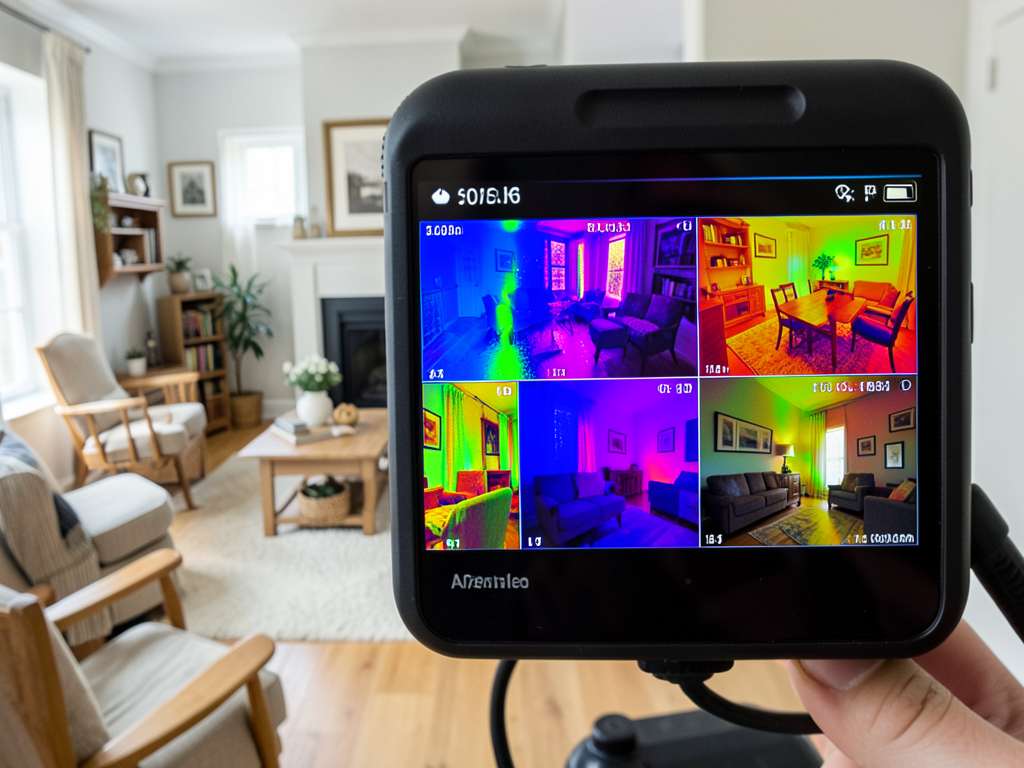
Technician using thermal imaging camera to diagnose temperature variations in a multi-generational home, identifying hot spots and cold areas that require zoning adjustments.
Frequently Asked Questions
How much does it cost to install a zoned HVAC system in a Ramona home?
Installation costs typically range from $3,000 to $7,000 for basic zoning systems, with complex installations reaching $10,000 or more. Factors affecting cost include home size, existing ductwork condition, and the number of zones required. Most families find the investment worthwhile for improved comfort and energy savings.
Can I add zoning to my existing HVAC system?
Yes, most existing systems can be retrofitted with zone control technology. The process involves installing motorized dampers in ductwork, adding zone thermostats, and connecting a control panel. However, older systems may require electrical upgrades or ductwork modifications to support zoning functionality.
How many zones should a multi-generational home have?
The optimal number of zones depends on your home’s layout and family needs. Most multi-generational homes benefit from 3-5 zones: living areas, master suite, children’s bedrooms, guest spaces, and any separate living units. A professional assessment helps determine the ideal zoning configuration for your specific situation.
Will zoning reduce my energy bills?
Yes, properly designed zoning systems typically reduce energy consumption by 20-30% by heating and cooling only occupied areas. The savings increase when family members have different schedules or when certain areas remain unused for extended periods. Many homeowners recover their investment through utility savings within 3-5 years.
How long does installation take?
Simple zoning additions require 1-2 days, while complete system replacements with multiple zones take 3-5 days. Ductless mini-split installations typically complete in 1-2 days per zone. Installation timing depends on system complexity, home conditions, and weather considerations.
What maintenance do zoned systems require?
Multi-zone systems need monthly filter checks, quarterly changes, and annual professional maintenance. Zone dampers require lubrication and calibration, while smart controls need software updates. Regular maintenance prevents costly repairs and ensures optimal performance across all zones.
Are there rebates available for multi-generational HVAC upgrades?
Yes, Riverside Public Utilities offers rebates for high-efficiency HVAC equipment, and federal tax credits may apply to certain installations. These incentives can reduce costs by 10-30%. Check with your contractor about current rebate programs and eligibility requirements.
How do I know if my home needs zoning?
Signs your home needs zoning include temperature complaints from different family members, hot and cold spots throughout the house, and high energy bills from heating or cooling unused areas. If family members constantly adjust the thermostat or close vents to control temperatures, zoning could solve these issues.
Can zoning help with indoor air quality?
Absolutely. Zoning systems allow targeted air filtration and humidity control in specific areas. This targeted approach benefits family members with allergies, asthma, or other respiratory conditions by providing optimal air quality in their primary living spaces while maintaining different conditions in other areas.
What happens if one zone fails?
Modern zoning systems include fail-safe mechanisms that maintain basic operation if one zone experiences problems. The system typically defaults to safe operation, allowing other zones to function normally while the issue is diagnosed and repaired. Smart diagnostics often identify problems before they cause complete system failure.
Managing different temperatures for multi-generational households in Ramona requires understanding both the technical aspects of HVAC systems and the unique comfort needs of family members across different age groups. The investment in proper zoning technology pays dividends through improved comfort, reduced energy costs, and enhanced family harmony. Whether you choose traditional zone control systems or modern ductless mini-splits, the key is working with experienced professionals who understand Riverside’s specific climate challenges and building requirements.
Don’t let another summer pass with family members arguing over the thermostat or suffering in uncomfortable conditions. Call (951) 223-9644 today to schedule your multi-generational HVAC assessment and take the first step toward year-round comfort for every generation in your home.
Ready to solve your family’s temperature battles? Pick up the phone and call (951) 223-9644 before the next heat wave hits. Our local experts understand Ramona’s unique HVAC challenges and can design a system that keeps everyone comfortable while reducing your energy bills. Your family deserves individualized comfort – let us show you how.