
Keeping Your Historic Victoria Home Cool Without Damaging the Architecture
Living in a historic Victoria home means owning a piece of Riverside’s architectural heritage. But when summer temperatures soar past 100 degrees, keeping these beautiful old homes comfortable becomes a real challenge. The thick plaster walls, original woodwork, and lack of modern insulation that make your home unique also make it difficult to install conventional air conditioning without causing damage.
The good news is that modern HVAC technology has evolved to meet this exact challenge. Today’s systems can deliver powerful cooling while preserving every detail of your home’s historic character. From high-velocity systems that snake through existing cavities to ductless mini-splits that mount virtually invisibly, there are solutions designed specifically for homes like yours. Why Ductless Mini Splits are the Best Cooling Solution for Woodcrest Guest Houses.
The key is understanding your home’s unique construction and working with technicians who specialize in historic properties. Your 1920s Craftsman or Victorian requires a different approach than a modern tract home. We need to consider factors like the original lath and plaster construction, the location of load-bearing walls, and how to preserve those beautiful built-in cabinets and crown moldings that define your home’s character.
California Title 24 energy standards also play a role in your cooling decisions. While these regulations focus on efficiency, they actually work in your favor when preserving historic architecture. Modern high-efficiency systems use less energy and often require smaller, less invasive installations than older equipment. California Title 24 Energy Efficiency Standards.
Before we dive into specific solutions, it’s important to understand what makes historic homes in Riverside’s Victoria neighborhood unique. Many were built between 1900 and 1930 using construction methods that would be prohibitively expensive today. The solid wood framing, hand-plastered walls, and custom millwork represent craftsmanship that simply doesn’t exist in modern construction.
This architectural integrity is exactly what we need to preserve while bringing your home into the 21st century comfort-wise. The challenge isn’t just technical it’s about respecting the soul of your home while making it livable for today’s standards.
Understanding the Cooling Challenges in Historic Riverside Homes
Historic homes in Riverside’s Victoria neighborhood face unique cooling challenges that modern homes simply don’t encounter. The original design of these homes assumed natural ventilation would be sufficient. Large windows, high ceilings, and strategic room placement allowed breezes to flow through the house. But today’s sealed windows and desire for year-round comfort require mechanical cooling.
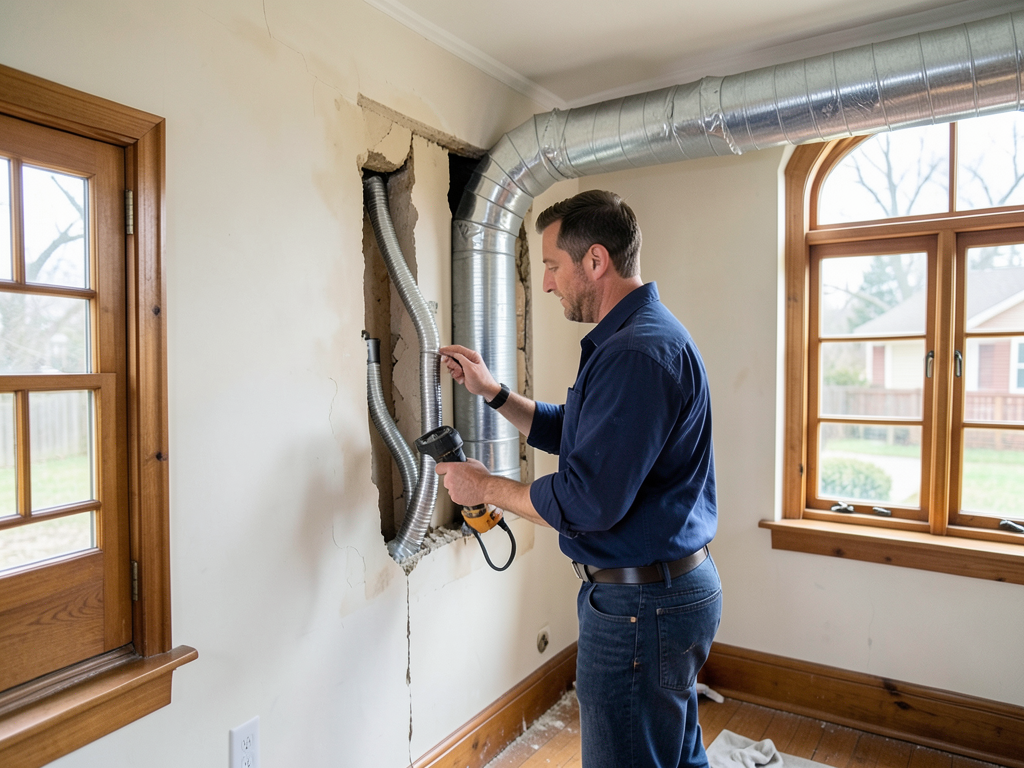
The construction methods used in the early 1900s present the first major hurdle. Lath and plaster walls, common in homes built before 1940, are much more fragile than modern drywall. Cutting into these walls to run ductwork often results in extensive damage that requires skilled plaster repair work. The original wood lathe strips and multiple layers of plaster create a dense wall system that’s difficult to penetrate without causing cracks or crumbling. Same Day Emergency AC Repair for Families in Orangecrest.
Another challenge is the lack of space for modern equipment. Historic homes were designed without closets, utility rooms, or attic spaces for HVAC equipment. Every inch of space was utilized for living areas. This means finding creative solutions for hiding air handlers, condensers, and ductwork without sacrificing valuable square footage or altering the home’s footprint.
The electrical systems in homes built before 1940 present another obstacle. Many historic properties in Riverside have 60-amp service or less, while modern cooling systems often require 100 amps or more. Upgrading electrical service requires careful planning to avoid damaging original wiring or architectural features.
Finally, there’s the preservation aspect. Homes in designated historic districts like Victoria face additional scrutiny from the Riverside Historic Resources Board. Any exterior modifications, including the placement of outdoor condensers or new vents, may require approval to ensure they don’t alter the home’s historic character.
Understanding these challenges is the first step toward finding solutions that work. The goal isn’t just to cool your home it’s to do so while preserving the architectural details that make it special.
Top 3 AC Solutions for Historic Properties
When it comes to cooling historic homes, not all HVAC systems are created equal. Some solutions work beautifully with older construction, while others can cause extensive damage. Here are the three best options for keeping your Victoria home comfortable without compromising its character.
High-Velocity Systems The Invisible Solution
High-velocity HVAC systems represent the gold standard for historic home cooling. These systems use small, flexible ducts typically 2-3 inches in diameter that can snake through existing wall cavities, floor joists, and ceiling spaces without major demolition. The key advantage is that these ducts are small enough to fit in spaces where traditional ductwork would require extensive wall cutting.
The Unico System and SpacePak are two popular high-velocity options that work exceptionally well in historic homes. These systems use aspiration technology to create a gentle, even airflow that eliminates hot and cold spots. The small supply outlets can be installed in inconspicuous locations like baseboards, crown moldings, or even furniture, making them nearly invisible once installed.
Installation is minimally invasive compared to traditional systems. Instead of cutting 14-inch by 14-inch holes in your walls, technicians can often work through existing access points or make small 2-inch holes that are easily patched. This preservation of your plaster walls is crucial for maintaining your home’s historic integrity. How Much Does a New AC Installation Cost in Woodcrest Today?.
The systems also operate more quietly than conventional HVAC. The small ducts and specialized air handlers reduce noise levels, which is important in historic neighborhoods where outdoor units need to be placed carefully to avoid disturbing neighbors.
Ductless Mini-Split Zoning Precision Cooling
Ductless mini-split systems offer another excellent solution for historic homes. These systems consist of an outdoor condenser unit connected to one or more indoor air handlers via small refrigerant lines. The indoor units can be mounted on walls, ceilings, or floors, and they require only a small 3-inch hole for the refrigerant lines.
The zoning capability of mini-splits is particularly valuable in historic homes. You can cool only the rooms you’re using, which is perfect for homes with high ceilings and large rooms that may not need constant cooling. Each indoor unit operates independently, allowing you to set different temperatures in different zones.
Modern mini-split units are much more attractive than older models. Many feature sleek, low-profile designs that blend with various architectural styles. Some manufacturers even offer custom covers that can match your home’s woodwork or be painted to disappear against the wall.
The installation process is straightforward and minimally invasive. The small refrigerant lines can often be run through existing wall cavities or along baseboards with minimal modification. This makes mini-splits an excellent choice for homes where preserving original plaster is a top priority.
Low-Profile Retrofitting Preserving the Attic and Crawlspace
For homes with accessible attics or crawlspaces, low-profile retrofitting offers a middle ground between traditional and specialized systems. This approach uses slightly smaller ductwork than conventional systems and focuses on routing ducts through existing cavities rather than cutting new paths through walls.
The key to successful low-profile retrofitting is careful planning. Technicians must map out the most efficient routes through your home’s existing structure, often utilizing chases, closets, and other hidden spaces. The goal is to minimize new penetrations while maximizing airflow efficiency. Switching to a High Efficiency Heat Pump in Riverside to Save on Monthly Energy Bills.
This method works particularly well in homes with balloon framing, a construction technique common in early 20th-century homes. Balloon framing creates continuous wall cavities from basement to attic, providing natural pathways for ductwork without cutting into finished spaces.
While this approach requires more modification than high-velocity or ductless systems, it can be more cost-effective for larger homes or those requiring whole-house cooling. The key is working with technicians who understand historic construction methods and can execute the installation with minimal impact on your home’s character.
Preserving the Aesthetic Hidden Vents and Quiet Operation
The visual impact of HVAC installation is often the biggest concern for historic homeowners. Nobody wants to see modern vents disrupting beautiful woodwork or outdoor units detracting from a home’s historic facade. Fortunately, modern technology offers several solutions for keeping your system invisible.
Supply vents can be disguised in numerous creative ways. Baseboard registers can be custom-painted to match your existing trim. Crown molding diffusers blend seamlessly with period-appropriate architectural details. Some manufacturers offer vents that can be installed in furniture pieces, completely hiding them from view while maintaining proper airflow.
Return air pathways present another opportunity for creative integration. Instead of standard grilles, return air can be routed through existing features like built-in bookcases, under stair treads, or within decorative wall panels. These hidden returns maintain the aesthetic while providing necessary airflow.
Outdoor condenser placement requires careful consideration in historic neighborhoods. Local regulations often restrict where units can be placed, especially in designated historic districts. The ideal location is typically in the rear yard, screened from view by landscaping or fencing. Some homeowners opt for multiple smaller condensers rather than one large unit, allowing for more flexible placement options.
Noise reduction is another critical factor. Modern high-efficiency systems operate much more quietly than older equipment, but proper installation still matters. Sound-dampening materials, vibration isolation mounts, and strategic placement can ensure your system runs quietly without disturbing the peaceful atmosphere of your historic neighborhood.
The goal is to make your HVAC system so unobtrusive that visitors never notice it’s there. When done correctly, the only evidence of modern comfort should be the pleasant temperature inside your home.
Navigating Riverside Building Codes Historic Districts
Installing HVAC in a historic home isn’t just about technical challenges it’s also about navigating local regulations. Riverside’s historic districts, including the Victoria neighborhood, are subject to specific building codes and review processes designed to preserve architectural character.
The Riverside Historic Resources Board oversees modifications to properties in designated historic districts. Before beginning any HVAC installation, you’ll need to determine whether your home falls under their jurisdiction. Homes in the Victoria neighborhood typically do, which means exterior modifications require board approval.
The approval process focuses on maintaining the home’s historic character. This means outdoor condensers must be placed where they’re not visible from the street, and any new vents or penetrations must match the home’s original architectural style. The board generally approves energy-efficient upgrades that don’t alter the building’s appearance.
California Title 24 energy efficiency standards also apply to your installation. These regulations require specific SEER2 ratings for new cooling equipment and may influence your choice of system. Fortunately, many high-velocity and ductless systems already exceed these requirements, making compliance straightforward.
Building permits are required for most HVAC installations in Riverside County. The permitting process ensures your system meets current safety codes and energy standards. Working with a contractor familiar with local historic district requirements can streamline this process significantly.
Some historic districts have additional restrictions on noise levels, especially in densely populated areas. Your contractor should be familiar with local noise ordinances and can recommend equipment and installation methods that comply with these regulations.
The key to successful permitting is documentation. Be prepared to provide detailed plans showing equipment locations, vent placements, and how you’ll maintain your home’s historic character. Many homeowners find it helpful to work with contractors who have experience with historic properties in the Victoria neighborhood.
Energy Efficiency Rebates for Inland Empire Homeowners
Modern HVAC systems offer significant energy savings, and California offers several rebate programs to help offset the cost of upgrading to high-efficiency equipment. These incentives make it more affordable to install systems that are both better for the environment and gentler on your historic home.
Southern California Edison (SCE) and Riverside Public Utilities (RPU) both offer rebates for high-efficiency cooling equipment. These programs typically require SEER2 ratings of 16 or higher for split systems and 14 or higher for packaged units. Many of the systems ideal for historic homes already exceed these requirements.
The California Energy Commission offers additional incentives through the California Clean Energy Fund. These rebates can cover a significant portion of your installation costs, especially if you’re upgrading from an older, less efficient system. The exact rebate amounts vary based on equipment specifications and your utility provider.
Some utility companies offer time-of-use rates that can further reduce your cooling costs. These programs charge lower rates during off-peak hours, which can be beneficial if you’re comfortable pre-cooling your home during cheaper rate periods. This strategy works particularly well in historic homes with good thermal mass.
Federal tax credits may also be available for certain high-efficiency HVAC installations. While these credits can change annually, they often apply to geothermal heat pumps and other advanced systems. Check with your tax advisor about current available credits.
The combination of utility rebates, tax incentives, and energy savings can make high-efficiency systems surprisingly affordable. When you factor in the preservation benefits and improved comfort, upgrading your historic home’s cooling system becomes an even more attractive investment.
Case Study A Victoria Home Success Story
Let me share a recent project that demonstrates how these principles work in practice. The Johnson residence, a 1925 Craftsman in Riverside’s Victoria neighborhood, faced the exact challenges we’ve discussed. The homeowners wanted whole-house cooling without damaging their original plaster walls or altering the home’s historic character.
After evaluating several options, we recommended a high-velocity Unico System. The small ductwork could be routed through existing wall cavities and the attic without major demolition. We worked with a specialist who understood lath and plaster construction to ensure minimal damage during installation.
The outdoor condenser was placed in the rear yard, screened by existing landscaping to maintain the home’s street appearance. Supply vents were integrated into baseboards and crown moldings, making them virtually invisible. Return air was routed through existing wall cavities with custom grilles that matched the home’s woodwork.
The entire installation took three weeks, with most of that time spent on careful planning and routing. The homeowners were thrilled with the results. Their home now maintains a comfortable 72 degrees even during Riverside’s hottest summer days, and visitors never notice the modern HVAC system hidden within the historic structure.
This project demonstrates that with proper planning and the right equipment, historic homes can enjoy modern comfort without sacrificing their architectural integrity.
Maintenance Considerations for Historic Home HVAC
Once your new system is installed, proper maintenance becomes crucial for both performance and preservation. Historic homes often have unique maintenance requirements that differ from modern construction.
Air filters in historic homes may need more frequent replacement due to older construction methods that can allow more dust infiltration. High-efficiency filters are particularly important in homes with original plaster walls, as they help protect both your system and your home’s interior surfaces.
Regular professional maintenance is essential for systems in historic homes. The specialized equipment used in these installations often requires technicians with specific training and experience. Annual maintenance should include checking refrigerant levels, cleaning coils, and inspecting all connections for proper operation. Commercial Duct Cleaning.
Humidity control becomes more important in historic homes with original woodwork and plaster. Many modern systems include humidity control features that help protect these materials from the damage caused by excessive moisture or dryness.
Electrical systems in older homes may need occasional updates to support new HVAC equipment. This is particularly true for homes with original knob-and-tube wiring or undersized service panels. Working with an electrician familiar with historic properties ensures these upgrades are done safely and without damaging original features.
Finally, be prepared for the occasional repair. Even the best-installed systems may need attention over time. Having a relationship with a contractor who understands your home’s unique construction and your system’s specific requirements will make these repairs much smoother.
Frequently Asked Questions
Will installing AC decrease my home’s historic value?
No. When done correctly, modern HVAC installation can actually increase your home’s value by making it more comfortable and energy-efficient while preserving its historic character. The key is choosing systems and installation methods that minimize visible impact.
How long does installation typically take in a historic home?
Most historic home HVAC installations take 2-4 weeks, depending on the system chosen and your home’s specific construction. High-velocity systems often take longer due to the careful planning required, but the minimally invasive installation process is worth the additional time.
Can I install AC myself to save money?
DIY HVAC installation is not recommended for historic homes. These installations require specialized knowledge of both HVAC systems and historic construction methods. Improper installation can cause extensive damage to your home’s original features and may void equipment warranties.
What’s the average cost for cooling a historic Victoria home?
Costs vary widely based on your home’s size, the system chosen, and installation complexity. High-velocity systems typically range from $15,000 to $25,000, while ductless mini-splits might cost $8,000 to $15,000. The preservation benefits and energy savings often offset the higher initial investment.
Do I need special permits for HVAC in a historic district?
Yes. Homes in Riverside’s historic districts require permits and often need approval from the Historic Resources Board for exterior modifications. Working with a contractor experienced in historic properties can help navigate this process smoothly.
Making the Right Choice for Your Historic Home
Choosing the right cooling solution for your historic Victoria home requires balancing several factors: your comfort needs, your home’s architectural integrity, local regulations, and your budget. The good news is that modern HVAC technology offers solutions for every scenario.
If preserving every original detail is your top priority, high-velocity systems or ductless mini-splits offer the most minimally invasive installation. If you need whole-house cooling and have accessible attic or crawlspace, low-profile retrofitting might be your best option.
The most important factor is working with contractors who understand historic construction and have experience with the specific challenges of Riverside’s older homes. These specialists know how to route ductwork through existing cavities, preserve original plaster, and integrate modern equipment without compromising your home’s character.
Remember that proper planning is essential. A thorough evaluation of your home’s construction, electrical service, and cooling needs will help determine the best approach. This upfront investment in planning often saves money and prevents damage during installation.
Your historic Victoria home represents a significant investment both financially and emotionally. With the right approach to cooling, you can enjoy modern comfort while preserving the architectural details that make your home special. The key is choosing solutions designed specifically for the unique challenges of historic properties.
Don’t let another summer of discomfort force you into a hasty decision that could damage your home’s character. Take time to explore your options, ask questions, and work with professionals who share your commitment to preservation.
Ready to Cool Your Historic Home?
Keeping your historic Victoria home comfortable doesn’t have to mean sacrificing its architectural integrity. With the right system and installation approach, you can enjoy modern cooling while preserving every detail that makes your home special.
Our team specializes in historic home HVAC installations throughout Riverside’s Victoria neighborhood and surrounding historic districts. We understand the unique challenges of lath and plaster construction, the importance of preserving original details, and the requirements of local historic preservation guidelines.
We’ll work with you to evaluate your home’s specific needs, explore all available options, and recommend solutions that balance comfort, preservation, and efficiency. Our experience with historic properties means we can often find creative solutions that other contractors might miss.
Don’t wait until the next heat wave to address your cooling needs. Contact us today to schedule a consultation and learn how we can help you enjoy modern comfort while preserving your home’s historic character.
Call (951) 223-9644 today to schedule your inspection. Our specialists are ready to help you find the perfect cooling solution for your historic Victoria home.
Pick up the phone and call (951) 223-9644 before the next storm hits. We’ll help you keep your family comfortable while protecting the architectural integrity that makes your home special. For more information, visit U.S. Department of Energy ductless mini-split guide.