




Temecula sits in a unique microclimate where coastal morning fog meets inland valley heat. Summer temperatures in Old Town and the Harveston neighborhood routinely hit 95 to 100 degrees by afternoon. Winter mornings near Redhawk and the Wolf Creek areas drop into the 30s, demanding functional heating. The temperature swing between day and night can exceed 40 degrees, forcing HVAC systems to work overtime.
This constant cycling stresses compressors, heat exchangers, and thermostats. Dust from the surrounding hills and vineyards clogs filters faster than in coastal cities. Many homes in Temeku Hills and Rancho California run dual systems to handle square footage, doubling the maintenance burden. When one unit fails during extreme heat, half your home becomes unlivable within hours.
Title 24 energy standards in California require specific SEER ratings and duct sealing protocols that older systems cannot meet. Homes built before 2010 near the French Valley area often need retrofitting to pass inspection during sales. Understanding these regional demands separates competent HVAC service from rushed patch jobs that fail again next season.
Most HVAC companies book you three days out and show up late. We built our reputation in Riverside County on same-day response because we know equipment failure does not wait for convenient scheduling. Our technicians carry fully stocked trucks with compressors, capacitors, contactors, thermostats, and blower motors for the most common residential systems in Temecula. That means repairs happen during the first visit, not after ordering parts and rescheduling.
We service every neighborhood from Meadowview to Vail Ranch to the Wine Country community. Our team knows which builders used which HVAC brands in different developments. Homes in Harveston typically run Carrier or Lennox systems installed around 2005. Newer construction near Roripaugh Ranch uses Trane and Rheem. This familiarity speeds diagnosis and ensures we bring the right equipment.
You will not get an apprentice learning on your broken air conditioner. Every technician holds an active HVAC contractor license through the California Contractors State License Board and completes ongoing training on refrigerant handling under EPA Section 608 certification. We pull permits for any work requiring inspection and coordinate with Riverside County building officials when replacing systems.
Our pricing is transparent before we start work. You receive a written estimate that breaks down labor, parts, and any code compliance costs. No surprise charges after the job. If we recommend replacement over repair, we explain why with data about your system's age, efficiency loss, and projected repair costs over the next two years. You make informed decisions, not pressured ones.

Call before 2 PM and we dispatch a truck that afternoon. Weekend and evening emergencies get the same priority. We stock parts for the 30 most common residential systems in Temecula, which covers about 80 percent of repairs on the first visit. Your comfort restored in hours, not days.

Every technician carries an active California contractor license and EPA certification for refrigerant work. We pull permits when required and coordinate inspections with Riverside County. No shortcuts, no unlicensed helpers. Just professionals who do it right the first time so you pass inspection and protect your warranty.
You receive a written estimate before we touch your system. It includes labor, parts, and any fees for permits or code compliance work. We explain what needs fixing and why, then let you decide. No upselling, no hidden charges showing up after the work is done.
We service HVAC systems across every Temecula neighborhood and know how the valley's temperature swings affect equipment. Morning fog and afternoon heat create condensation issues. Dust from vineyards clogs coils faster. We adjust maintenance schedules and filter recommendations to match local conditions, not generic manufacturer guidelines.
Air conditioning and heating systems fail in predictable patterns based on age, usage, and maintenance history. A 15-year-old compressor shows different symptoms than a clogged evaporator coil. We organize services around what you need right now, whether that is an emergency repair, a failing system replacement, or routine maintenance to prevent breakdowns during extreme weather.
Our technicians service split systems, heat pumps, packaged units, and ductless mini-splits across all major brands. We handle residential properties from single-story homes to multi-level houses with zoned systems. Central air repair covers refrigerant leaks, compressor failure, and blower motor issues. Heating service addresses furnace ignition problems, heat exchanger cracks, and thermostat failures. System replacement includes load calculations, duct modifications, and Title 24 compliance for permits.
The goal is matching the right service level to your situation. A refrigerant leak needs immediate repair to prevent compressor damage. An aging system that keeps breaking down needs replacement, not repeated patch jobs. Regular maintenance catches small problems before they become expensive emergencies. Each service category addresses different needs at different points in your equipment's life cycle.
Your system quit during a heatwave or cold snap and you need it fixed now. We diagnose the failure, explain what broke and why, then repair it with parts we carry on the truck. Most emergency calls for compressor failure, refrigerant leaks, blower motor issues, and thermostat problems get resolved the same day. You receive a warranty on parts and labor, with documentation for insurance or home warranty claims if needed.
Systems older than 15 years cost more to repair than replace, especially with declining efficiency and rising refrigerant prices. We perform load calculations to size equipment correctly for your square footage and insulation levels. Installation includes ductwork modifications if needed, thermostat upgrades, and permit coordination with Riverside County. New systems meet Title 24 energy standards and include manufacturer warranties up to 10 years on parts.
Regular maintenance catches problems before they cause breakdowns during extreme weather. We clean coils, check refrigerant levels, test capacitors and contactors, inspect electrical connections, and replace filters. Spring tune-ups prepare your air conditioner for summer heat. Fall inspections ensure your furnace fires safely when temperatures drop. Service records document maintenance for warranty claims and increase resale value when selling your home.
Temecula's temperature extremes accelerate wear on air conditioners and furnaces. Systems that cycle on and off frequently to handle 40-degree temperature swings between morning and afternoon experience more compressor starts than equipment in moderate climates. Each startup stresses electrical components and mechanical parts.
Dust from surrounding agricultural areas and construction clogs filters and coils faster than in coastal cities. The marine layer that rolls through in early morning creates condensation that corrodes outdoor units. Many homes in older neighborhoods run original HVAC equipment installed when the house was built, meaning 15 to 20-year-old systems operating past their design life.
California's phase-out of R-22 refrigerant makes repairs on older air conditioners expensive. A pound of R-22 now costs ten times what it did five years ago, turning a simple refrigerant recharge into a major expense. These regional factors create predictable failure patterns that show up across Temecula neighborhoods every summer and winter.
The compressor runs but the house stays hot. This usually means refrigerant leaked out, the evaporator coil froze due to restricted airflow, or the outdoor fan motor failed. Running the system in this state damages the compressor, turning a $300 repair into a $2,000 replacement. Immediate diagnosis prevents secondary damage.
The heater runs for a few minutes then quits, leaving your home cold. This indicates a failing limit switch, cracked heat exchanger, or flame sensor covered in carbon buildup. Cracked heat exchangers leak carbon monoxide into your ductwork, creating a safety hazard that requires immediate shutdown and replacement.
Your HVAC system never shuts off but the house stays uncomfortable. The equipment is undersized for your square footage, ductwork is leaking conditioned air into the attic, or the system lost efficiency due to age. This drives up electric bills while failing to keep you comfortable. Proper diagnosis determines whether you need duct sealing or equipment replacement.
Grinding, squealing, or banging sounds mean mechanical failure is imminent. Blower motors develop worn bearings, compressors lose lubrication, and fan blades come loose. Continuing to run the system causes catastrophic failure that spreads damage to other components. Shutting down and calling for service prevents a minor repair from becoming a full replacement.
You need your air conditioner or heater fixed fast, but you also need to know what you are paying for and why. We built our service process around those two priorities. Emergency calls get dispatched the same day when you call before 2 PM. Technicians arrive in marked trucks with your appointment window confirmed by text message.
The first step is diagnosis, not selling. Our technician examines your system, tests components, and explains what failed and why it happened. You receive a written estimate that breaks down parts, labor, and any permit fees before work starts. If we find multiple problems, we prioritize them by urgency and cost so you can make informed decisions about repairs versus replacement.
Most repairs happen during the first visit because our trucks carry parts for common failures. Compressor capacitors, blower motors, contactors, and thermostats get installed on the spot. If we need to order a specialized part, we explain the timeline and can often provide temporary cooling or heating while waiting for delivery. You stay informed at every step, with photos of failed components and clear explanations of what needs fixing.
Emergency calls placed before 2 PM get same-day service. You receive a text message with your technician's name, photo, and arrival window. The truck shows up on time or we call if running late. No waiting all day for a four-hour window. We respect your schedule because we know you took time off work or rearranged plans to be home for this repair.
Our technician tests your system with diagnostic equipment, checks refrigerant pressures, measures airflow, and inspects electrical connections. You get a clear explanation of what failed, what caused it, and what happens if you delay repair. The written estimate lists every part and labor charge. You approve the price before we start work. No surprises when the job is done.
Repairs include a warranty on parts and labor. If something we installed fails within the warranty period, we fix it at no charge. You receive documentation for your records, including permit copies if we pulled one. We follow up a few days after major repairs to confirm the system is running correctly. If you have questions or concerns, call us directly and talk to someone who knows your system.
HVAC repair should not feel like a mystery where you have no idea what is happening or what it will cost. We structure every service call around transparency, speed, and getting your system running correctly the first time.
The technician arrives, introduces himself, and asks when the problem started and what symptoms you noticed. He inspects the indoor and outdoor units, tests components with diagnostic tools, and identifies the failure. You receive a clear explanation of what broke, what caused it, and a written estimate for repair. This takes 20 to 45 minutes depending on system complexity.
Once you approve the estimate, we start the repair immediately. Most common failures get fixed within two hours because we carry parts on the truck. The technician replaces the failed component, tests the system under load, and confirms proper operation. If repairs require a permit, we file the paperwork and schedule the inspection with Riverside County.
After completing repairs, the technician runs a full system test to verify cooling or heating performance, checks refrigerant pressures, measures airflow, and confirms the thermostat cycles correctly. You receive documentation including the warranty terms, permit copies if applicable, and maintenance recommendations. We follow up in a few days to ensure everything is still running properly.
California enforces the strictest HVAC efficiency and installation standards in the country through Title 24 energy code. Any system replacement, major modification, or addition requires compliance with current code and a permit from Riverside County building department. These regulations exist to reduce energy consumption and ensure safe operation, but they add complexity and cost that homeowners need to understand before starting work.
Title 24 mandates minimum SEER ratings for air conditioners and AFUE ratings for furnaces. As of 2023, new central air conditioning systems must achieve at least 14 SEER in our climate zone. Furnaces need 80 percent AFUE minimum, though most new installations use 95 percent AFUE condensing models for better efficiency. Ductwork must meet leakage standards verified by pressure testing, which means sealing joints with mastic and metal tape, not just duct tape.
Refrigerant regulations create another layer of complexity. The EPA phases out R-22 refrigerant, which was standard in systems installed before 2010. Recharging an R-22 system now costs substantially more than newer R-410A refrigerant. If your system needs multiple pounds of R-22 due to a leak, replacement often costs less than repair over a two-year period. Technicians must hold EPA Section 608 certification to purchase, handle, or recover refrigerant legally.
Permit requirements vary based on scope of work. Replacing an air handler or condenser requires a permit and inspection. Repairing a failed component like a compressor or blower motor typically does not. Installing a new thermostat does not need a permit, but running new ductwork does. The Riverside County building department enforces these rules during home sales, when inspectors flag unpermitted work and require correction before escrow closes. Doing it right the first time protects your investment and avoids delays during real estate transactions.
Load calculations determine proper equipment sizing. Many older homes have oversized systems installed by contractors who followed rules of thumb instead of running Manual J calculations. An oversized air conditioner cycles on and off frequently, failing to dehumidify properly and wasting energy. An undersized system runs constantly without maintaining comfort. Proper sizing requires measuring square footage, insulation levels, window area, and occupancy to match equipment capacity to actual cooling and heating loads. This matters in Temecula where temperature swings demand systems that handle both extreme heat and cold mornings.
All new HVAC installations must meet minimum efficiency standards and ductwork leakage requirements. Central air conditioning systems need 14 SEER minimum. Furnaces require 80 percent AFUE. Ducts must pass pressure testing to verify proper sealing. Non-compliant installations fail inspection and must be corrected before you receive a certificate of occupancy or final inspection approval.
R-22 refrigerant used in pre-2010 systems costs ten times more than five years ago due to EPA production phase-out. A system needing multiple pounds of R-22 to fix a leak may cost more to repair than replace with a new R-410A system. Technicians need EPA Section 608 certification to handle refrigerants legally and must recover old refrigerant instead of venting it.
Replacing an air conditioner, furnace, or air handler requires a permit from Riverside County building department. The installation must pass inspection before the permit closes. Unpermitted work discovered during home sales forces correction before closing escrow. Permit fees and inspection coordination add cost and time to replacements but protect you legally and ensure code-compliant installation.
Manual J load calculations determine correct equipment size based on square footage, insulation, window area, and occupancy. Oversized systems cycle frequently and waste energy. Undersized systems run constantly without maintaining comfort. Proper sizing ensures efficient operation and even temperatures throughout your home. This calculation is required for Title 24 compliance on new installations.
Horizon HVAC Riverside services every neighborhood across Temecula, from the original Old Town district to the newest developments near Roripaugh Ranch. We know the HVAC challenges specific to different areas because we have worked on systems throughout the valley for years. Homes in Harveston and Temeku Hills typically run 15 to 20-year-old Carrier and Lennox systems installed during the mid-2000s building boom. These neighborhoods face aging equipment that needs replacement or frequent repair as compressors and heat exchangers reach end of life.
The Redhawk community and Wolf Creek area feature larger homes with zoned HVAC systems to handle multiple stories and square footage over 3,000 feet. These properties often need dual air conditioning units and sophisticated thermostat controls to maintain even temperatures throughout. We service both residential split systems and packaged units common in these developments. French Valley and Meadowview neighborhoods include a mix of older and newer construction, with some homes still running original equipment while others have upgraded to high-efficiency systems meeting current Title 24 standards.
Wine Country estates and properties near Rancho California present unique challenges due to expansive square footage and custom architecture. Many of these homes use high-velocity mini-duct systems or ductless mini-splits to avoid cutting into finished spaces. We service all configurations and work with homeowners to design solutions that preserve the aesthetics while delivering reliable heating and cooling. The Vail Ranch and Crowne Hill areas feature modern construction with energy-efficient systems, but these newer homes still need seasonal maintenance and occasional emergency repairs when components fail unexpectedly.
Temecula's location between Interstate 15 and the hills creates different microclimates across the valley. Properties on the eastern side near Vail Ranch experience more morning fog and slightly cooler temperatures. Homes on the western side toward Wine Country and the vineyards get more afternoon sun and higher peak temperatures. These variations affect equipment sizing and maintenance schedules. We adjust recommendations based on your specific location and exposure, not generic guidelines that ignore local geography.
Our service area extends beyond Temecula city limits to surrounding communities in Riverside County. We regularly service Murrieta, Wildomar, and the unincorporated areas between cities. If you are within 30 minutes of central Temecula, we can reach you the same day for emergency calls placed before 2 PM. This coverage ensures reliable service whether you live in an established neighborhood or a newer development on the outskirts of town.
We invite you to explore our service area and see where Horizon HVAC proudly delivers exceptional heating and cooling solutions. While our physical location serves as our hub, our dedicated team extends its expert services across the entire region, bringing unparalleled comfort and air quality directly to your doorstep, whether for residential or commercial needs, ensuring we’re always within reach for your HVAC requirements.
Address:
Temecula, CA, 92590

How Many Years Will Your Air Conditioner Actually Last in the Intense Riverside Heat? Most air conditioners in Riverside last 10 to 14 years before needing replacement. That is about 5 years shorter than the…
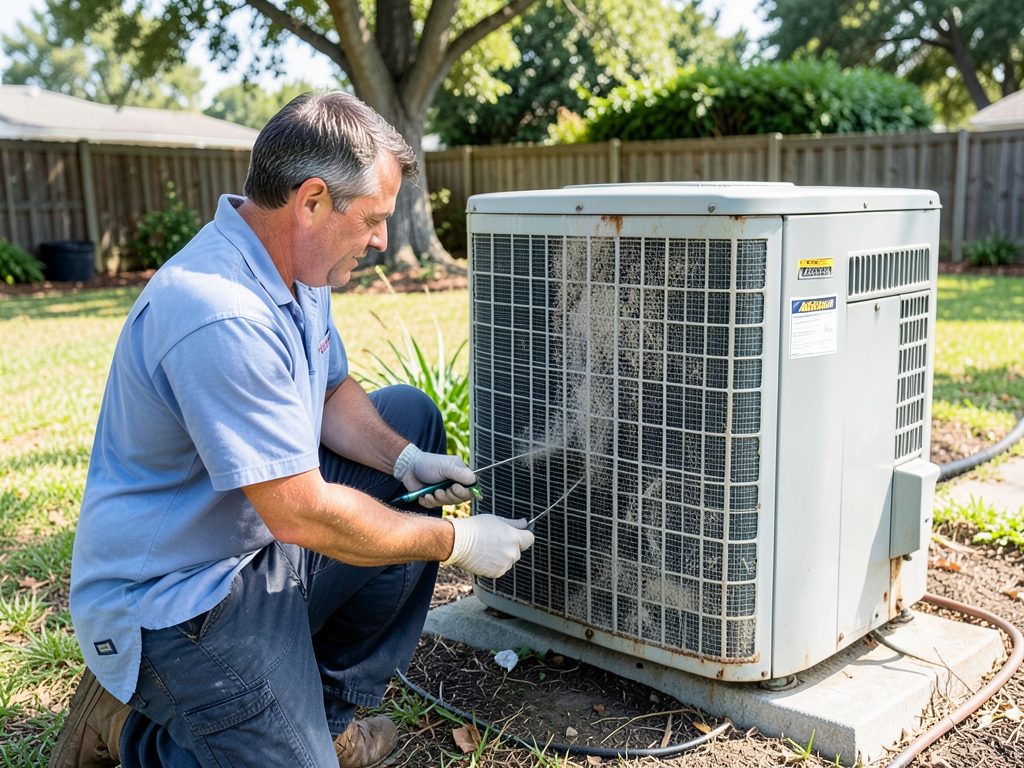
How Many Years Will Your Air Conditioner Actually Last in the Intense Riverside Heat? Most…

Ways to Cool Down Your Woodcrest Garage Workshop Without Spending a Fortune Woodcrest’s summer heat…
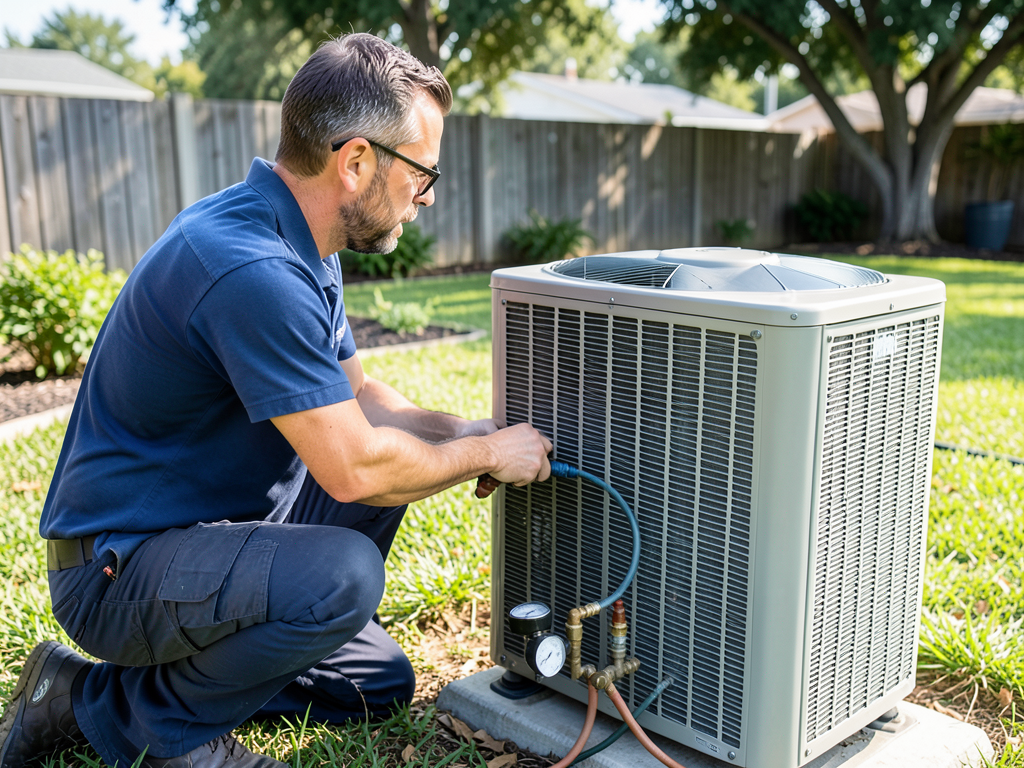
Getting Your AC Ready for Summer with a Professional Riverside Tune-Up Your air conditioner sits…
Your air conditioner or heater just failed and you need it fixed now. Call Horizon HVAC Riverside at (951) 223-9644 for same-day emergency service. Licensed technicians, transparent pricing, and repairs done right the first time.