How Your Backyard Landscaping Might Be Killing Your AC Performance in Presidential Park
Your air conditioner works hardest during Riverside’s scorching summers when temperatures regularly climb above 100°F. But what if the very plants and landscaping you carefully chose to beautify your Presidential Park backyard are actually making your AC work harder, wear out faster, and cost you more money? The truth is that many homeowners unknowingly sabotage their cooling system with landscaping choices that block airflow, trap heat, or create maintenance nightmares.
In Presidential Park’s established neighborhoods near University Avenue and the Riverside City College area, mature trees and dense shrubs are common. While these create beautiful, shaded yards, they can also create serious problems for your outdoor condenser unit. When plants grow too close to your AC, they restrict the airflow needed for heat exchange, forcing your system to run longer cycles and consume more electricity. This isn’t just an efficiency issue—it’s a reliability problem that can lead to expensive repairs or even complete system failure during the hottest days of the year. Same Day Emergency AC Repair for Families in Orangecrest.
The good news is that you don’t have to choose between a beautiful yard and a properly functioning air conditioner. With the right knowledge about clearance requirements, plant selection, and maintenance practices, you can create a landscape that enhances both your home’s curb appeal and your AC’s performance. Let’s explore the specific ways your landscaping might be hurting your system and what you can do to fix it.
The Golden Rule: The 2-3 Foot Clearance Zone
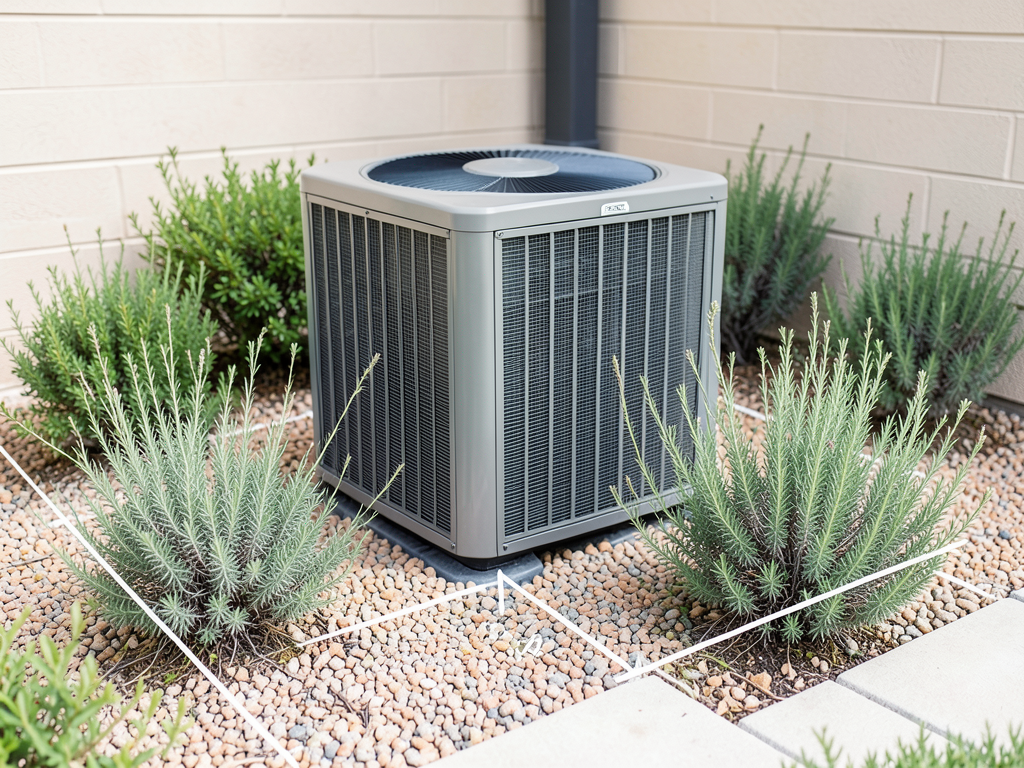
Airflow is the lifeblood of your AC system. Your outdoor condenser unit needs to expel heat efficiently to cool your home properly. When plants, fences, or other objects block this airflow, your system’s efficiency drops dramatically. The industry standard, based on ASHRAE guidelines for heat pump and AC unit clearances, requires a minimum of 24 inches of clearance on all sides of the unit and at least 60 inches of clearance above it. ASHRAE guidelines for heat pump and AC unit clearances.
In Presidential Park’s climate, where summer temperatures often exceed 105°F, this clearance becomes even more critical. The heat your system is trying to expel has nowhere to go if plants are crowding the unit. Think of it like trying to breathe with a pillow over your face—your AC is struggling to expel heat while surrounded by vegetation that’s trapping that heat right next to the coils.
Many Presidential Park homes have mature landscaping installed decades ago when the AC units were newer and smaller. Over time, those shrubs and trees have grown significantly, often encroaching on the clearance zone without homeowners realizing it. A plant that was 18 inches away when installed might now be touching the unit, creating a serious airflow restriction.
Measuring your clearance is simple: use a tape measure to check the distance from the unit to the nearest plant on all sides. If you’re closer than 24 inches, it’s time for some pruning or plant relocation. Remember that this isn’t just about the leaves you can see—the root systems of mature plants can also interfere with the concrete pad your unit sits on, potentially causing it to tilt and creating drainage issues.
Best Materials for the Base: Gravel vs. Pavers
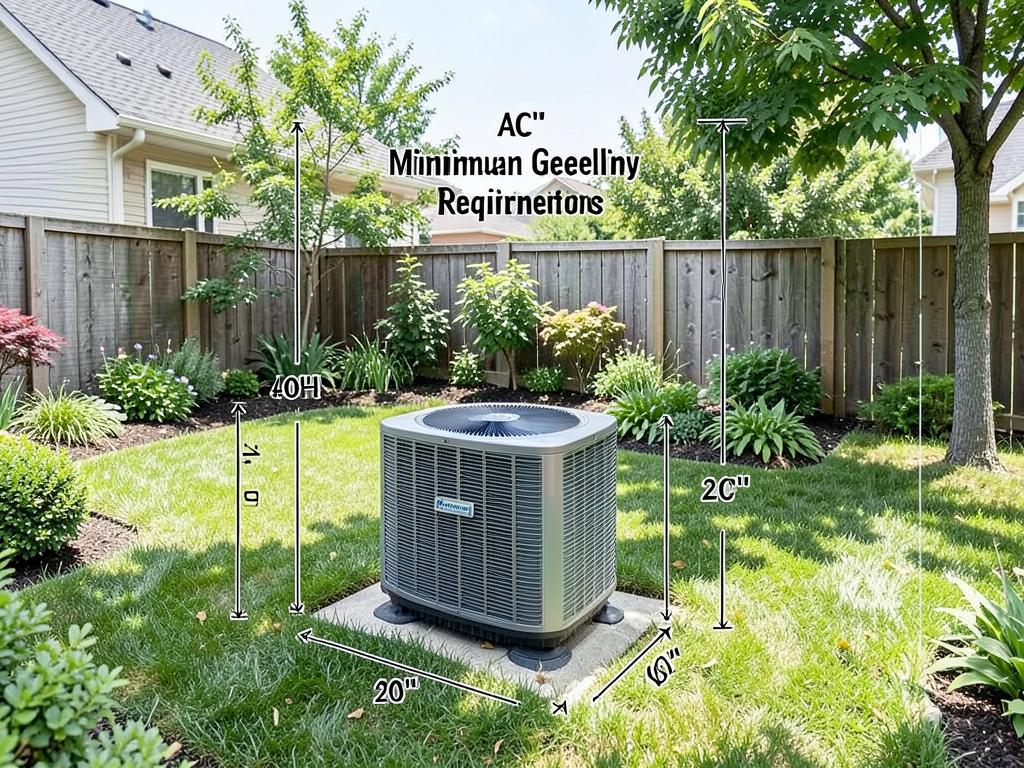
The ground around your AC unit matters more than most homeowners realize. The right base material can prevent weed growth, improve drainage, and even help with heat reflection. In Presidential Park’s clay-heavy soil, proper base materials are essential for preventing moisture problems that can lead to rust and corrosion on your unit’s metal components.
Gravel is often the go-to choice for AC bases because it allows for excellent drainage and doesn’t trap moisture against the unit. A 2-3 inch layer of pea gravel or crushed stone creates a barrier that prevents weeds from growing too close while allowing water to drain away quickly. This is particularly important in Riverside’s rainy season when sudden downpours can create standing water that accelerates corrosion.
Concrete pavers offer a more finished look but require careful installation. They need to be level and properly spaced to allow for drainage. The gaps between pavers should be filled with sand or small gravel to prevent weed growth while maintaining permeability. One advantage of pavers is that they create a stable, level surface that prevents the unit from settling unevenly over time. How Much Does a New AC Installation Cost in Woodcrest Today?.
Wood mulch, despite its popularity in landscaping, is actually one of the worst choices for AC surrounds. Mulch traps moisture against the unit, creates a perfect environment for pests like ants and rodents, and can be easily blown into the unit’s fins by wind or maintenance activities. If you’re using mulch elsewhere in your yard, make sure to maintain at least a 3-foot mulch-free zone around your AC unit.
Top 5 Drought-Tolerant Plants for Riverside AC Surrounds
Choosing the right plants for your AC surround is crucial in Presidential Park’s climate. You need species that can handle the reflected heat from the unit, require minimal water, and won’t drop debris that can clog the condenser fins. Here are five excellent options that meet all these criteria:
1. Texas Sage (Leucophyllum frutescens) – This hardy shrub produces beautiful purple flowers after rainfall and grows to about 4-5 feet tall. It’s extremely drought-tolerant and doesn’t drop messy leaves or flowers that could enter your AC unit.
2. Agave species – These succulents come in various sizes and add a striking architectural element to your landscape. They require virtually no water once established and their rigid leaves won’t blow into your unit. Just be sure to plant them far enough away to maintain clearance.
3. Lantana – This low-growing plant produces clusters of colorful flowers and stays under 2 feet tall, making it perfect for areas where you need to maintain clearance. It’s extremely heat-tolerant and attracts butterflies without creating debris problems.
4. Rosemary (Rosmarinus officinalis) – This fragrant herb grows into a beautiful shrub that can handle reflected heat and requires very little water. The upright varieties grow to about 4 feet and don’t drop leaves that could clog your unit.
5. Red Yucca (Hesperaloe parviflora) – Despite its name, this plant is actually a succulent that produces tall flower spikes and grass-like leaves. It’s extremely drought-tolerant and the flower stalks can be easily removed after blooming to prevent any debris issues.
Creating Shade: Can You Build a Screen?
Many homeowners wonder if they can build a decorative screen or lattice around their AC unit to hide it from view. The answer is yes, but with important caveats. A screen can actually improve your AC’s efficiency by providing shade that reduces the ambient temperature around the unit, but it must be designed correctly to avoid creating more problems than it solves. Switching to a High Efficiency Heat Pump in Riverside to Save on Monthly Energy Bills.
The key principle is that any screen must maintain the required clearance zones. A lattice screen should be at least 3 feet away from the unit on all sides to allow for proper airflow. The screen should also be open enough to allow hot air to escape—solid walls will trap heat and reduce efficiency. A good rule of thumb is that you should be able to see through the screen from at least a 45-degree angle.
Material choice matters significantly. Wood screens can warp and rot in Riverside’s climate, potentially collapsing onto your unit. Metal screens can rust, and vinyl can become brittle in the sun. Consider using powder-coated aluminum or treated cedar that’s rated for outdoor use. The screen should also be designed for easy removal so HVAC technicians can access the unit for maintenance and repairs without having to dismantle your landscaping.
Another consideration is the Santa Ana winds that occasionally sweep through Riverside. These strong winds can blow lightweight screens over or send debris flying that could damage your unit. Make sure any screen is securely anchored and that the design doesn’t create wind tunnels that could direct debris toward your AC.
Common Landscaping Mistakes That Void Your Warranty
Many homeowners don’t realize that certain landscaping practices can actually void their AC manufacturer’s warranty. Manufacturers typically require that the unit be installed and maintained according to specific guidelines, and improper landscaping is a common violation.
One of the most frequent mistakes is planting trees or large shrubs directly over the AC unit. Not only does this violate clearance requirements, but tree roots can grow into and damage the concrete pad, causing the unit to tilt. This can lead to refrigerant line stress, compressor damage, and water pooling issues. Some manufacturers will void warranties if they determine that root damage contributed to a failure.
Another common error is using weed barrier fabric with gravel or mulch right up to the unit. While weed barrier seems like a good idea, it can trap moisture and prevent proper air circulation. Additionally, the fabric can deteriorate over time and get sucked into the unit’s fan, causing catastrophic damage. Always leave a few inches of bare ground directly around the unit’s base.
Installing irrigation systems too close to the AC unit is another warranty-violating mistake. Sprinkler heads that spray directly onto the unit can cause corrosion of electrical components and refrigerant lines. Even indirect spray from nearby sprinklers creates a humid environment that accelerates wear. Keep all irrigation at least 3 feet away from the unit and ensure spray patterns don’t reach it.
Seasonal Maintenance Schedule for Presidential Park Homes
Presidential Park’s unique climate, with its hot, dry summers and occasional winter rains, creates specific maintenance needs for your AC unit and surrounding landscape. A seasonal maintenance schedule can help you stay ahead of problems before they affect your system’s performance.
Spring (March-April): This is the ideal time for a thorough AC inspection and landscaping cleanup. Check all clearance zones, prune any overgrown plants, and remove any leaves or debris that accumulated over winter. Spring is also when you should schedule professional AC maintenance before the summer rush begins.
Summer (May-September): During peak cooling season, check your unit weekly for any new plant growth or debris accumulation. After Santa Ana wind events, which are common in late summer and fall, inspect for any damage or debris that may have been blown into the unit. Keep an eye on plants that might be growing rapidly in the summer heat and encroaching on clearance zones.
Fall (October-November): As leaves begin to fall, increase your inspection frequency. Even drought-tolerant plants in Presidential Park may drop some leaves or flowers that can clog your unit’s fins. Consider installing a temporary mesh cover during the heaviest leaf-fall periods, but remove it during operation.
Winter (December-February): While you’re not using your AC, this is a good time to address any landscaping changes you’ve been considering. The cooler weather makes it easier to transplant or remove plants. Also check for any rodent activity, as cooler weather can drive pests to seek shelter near warm AC units.
The Impact of Local Climate on AC Efficiency
Riverside’s climate presents unique challenges for air conditioning systems. The combination of high summer temperatures, low humidity, and occasional dust storms creates conditions that can significantly impact your AC’s efficiency and longevity. Understanding these local factors can help you make better landscaping decisions.
The extreme heat in Presidential Park means your AC is already working harder than units in more moderate climates. When you add landscaping that restricts airflow or traps heat, you’re compounding the problem. Studies by the California Energy Commission have shown that proper shading and airflow management can improve AC efficiency by 5-10% in hot climates like Riverside’s. California Energy Commission studies on AC efficiency.
Dust is another significant factor. Presidential Park’s location near major roads and construction areas means your AC is constantly battling dust accumulation on the condenser coils. Plants that drop fine particles or create dust when disturbed can make this problem worse. Choosing plants that don’t create airborne debris and maintaining a clean zone around your unit becomes even more important in dusty environments.
The low humidity in Riverside actually helps your AC operate more efficiently in some ways, as there’s less moisture to remove from the air. However, it also means that any water that does accumulate around your unit evaporates quickly, potentially leaving behind mineral deposits that can build up on coils and reduce efficiency over time.
DIY vs. Professional Landscaping Around Your AC
While many landscaping tasks around your AC unit are suitable for DIY, some situations call for professional help. Understanding when to tackle a project yourself and when to call in experts can save you time, money, and potential damage to your system.
DIY-Friendly Tasks:
- Regular pruning of small shrubs and plants to maintain clearance
- Adding or replacing gravel around the unit
- Installing simple lattice screens that don’t require electrical work
- Planting small, drought-tolerant species
Professional Tasks:
- Relocating mature trees or large shrubs
- Installing irrigation systems near the AC unit
- Building permanent structures that might affect the unit’s foundation
- Major landscape redesigns that impact drainage patterns
One area where professional help is almost always worth it is in the initial planning phase. A landscape designer familiar with HVAC requirements can create a plan that looks great while ensuring your AC has adequate clearance and access. They can also help you choose plants that will thrive in the specific microclimate created by your AC unit’s heat output.
Emergency Situations: When Landscaping Becomes a Crisis
Sometimes landscaping issues with your AC escalate into emergency situations that require immediate attention. Knowing the warning signs can help you act quickly before minor problems become major failures.
Signs of Imminent AC Failure Due to Landscaping Issues:
- Unusual noises coming from the unit, especially rattling sounds that might indicate debris in the fan
- Ice formation on the refrigerant lines, which can indicate restricted airflow
- Water pooling around the base of the unit, potentially from root damage to the pad
- Sudden spikes in your electricity bill without corresponding weather changes
If you notice any of these signs, turn off your AC immediately and inspect the area around the unit. Remove any visible debris, check for plant overgrowth, and look for signs of damage to the concrete pad or refrigerant lines. If you can’t identify and resolve the problem quickly, call a professional HVAC technician before running the unit again.
Local Resources and Regulations
Presidential Park falls within Riverside’s jurisdiction, which means local regulations may affect your landscaping choices around HVAC equipment. The City of Riverside follows California’s Title 24 energy efficiency standards, which include requirements for HVAC equipment installation and maintenance.
While there aren’t specific ordinances about landscaping around AC units, the city does have regulations about setbacks from property lines and requirements for maintaining access to mechanical equipment. Additionally, if you’re part of a homeowners association in Presidential Park, there may be additional guidelines about visible equipment and landscaping modifications.
The Riverside County Air Quality Management District also has guidelines about dust control during landscape modifications, which can be relevant when you’re working around your AC unit. If you’re planning major changes, check with the city’s building department to ensure you’re following all applicable regulations.
Cost-Benefit Analysis of Proper AC Landscaping
Investing in proper landscaping around your AC unit isn’t just about aesthetics—it’s a financial decision that can pay off significantly over time. Let’s break down the costs and benefits to understand the real return on investment.
| Improvement | Initial Cost | Annual Energy Savings | Extended Equipment Life | Total 5-Year Value |
|---|---|---|---|---|
| Proper clearance maintenance | $0 (DIY) | $50-100 | 1-2 years | $500-1,000 |
| Drought-tolerant replacement plants | $200-500 | $75-150 | 2-3 years | $875-1,750 |
| Decorative screen installation | $300-800 | $100-200 | 2-4 years | $1,500-3,000 |
| Professional redesign | $1,000-3,000 | $150-300 | 3-5 years | $2,250-7,500 |
These numbers are based on typical Riverside energy costs and AC system lifespans. The energy savings come from improved efficiency, while the extended equipment life represents the cost of avoiding premature replacement. Even the most expensive option shows a positive return within five years, not including the increased home value from improved curb appeal.
Future Trends in AC-Friendly Landscaping
The field of HVAC-friendly landscaping is evolving as new technologies and design approaches emerge. Staying informed about these trends can help you make forward-thinking decisions that will serve you well for years to come.
One growing trend is the use of smart technology to monitor AC performance and environmental conditions. Some homeowners are installing sensors that track temperature, humidity, and airflow around their units, alerting them when conditions deviate from optimal ranges. This technology can help you catch landscaping-related problems before they cause system damage.
Another trend is the development of specialized ground covers designed specifically for use around mechanical equipment. These products combine the benefits of traditional mulch or gravel with improved drainage, heat reflection, and weed prevention. Some even incorporate antimicrobial properties to prevent mold and mildew growth in the humid environment around AC units.
Sustainable landscaping practices are also influencing AC-friendly design. The use of permeable surfaces, rain gardens, and strategic plant placement to create natural cooling zones is becoming more popular. These approaches not only benefit your AC but also contribute to overall environmental sustainability and water conservation in drought-prone areas like Riverside.
Frequently Asked Questions
How close can I plant shrubs to my AC unit?
Maintain at least 24 inches of clearance on all sides and 60 inches above your AC unit. This allows for proper airflow and gives technicians room to service the equipment. Measure from the unit’s housing, not from the concrete pad.
Will shading my AC unit improve its efficiency?
Yes, shading can improve efficiency by 5-10% in hot climates like Riverside’s. However, the shading must be done correctly—use open lattice or strategically placed plants that don’t block airflow. Never build a solid enclosure around the unit.
What’s the best ground cover to use around my AC?
Gravel or crushed stone is typically the best choice. It provides excellent drainage, doesn’t trap moisture, and won’t be easily blown into the unit. Avoid wood mulch, which can trap moisture and create pest problems.
How often should I check the area around my AC unit?
Inspect your AC clearance zones monthly during cooling season and after any major wind or dust events. Remove any debris, trim overgrown plants, and ensure the area remains clear and accessible.
Can I build a fence to hide my AC unit?
Yes, but the fence must maintain proper clearance (at least 3 feet from the unit) and allow for adequate airflow. Use open designs like lattice rather than solid panels, and ensure the structure can be easily removed for maintenance.
What plants should I avoid planting near my AC?
Avoid plants that drop excessive leaves, flowers, or seeds (like cottonwood trees, flowering cherries, or ornamental grasses). Also avoid invasive vines that can grow into the unit, and plants with extensive root systems that could damage the concrete pad.
How do I know if my landscaping is affecting my AC’s performance?
Signs include longer cooling cycles, warmer air from vents, ice formation on refrigerant lines, unusual noises from the unit, and higher than normal electricity bills during cooling season. If you notice these issues, check your clearance zones first.
Should I cover my AC unit in winter?
Generally, no. Modern AC units are designed to withstand winter weather. Covers can trap moisture and create environments for pests. The exception might be temporary covers during extreme leaf-fall in autumn, but these should be removed before operating the unit.
How much does professional AC-friendly landscaping cost?
Costs vary widely based on the scope of work. Simple maintenance and plant replacement might cost $200-500, while a complete redesign with hardscaping could run $2,000-5,000. The investment typically pays for itself through improved efficiency and extended equipment life.
Can landscaping really void my AC warranty?
Yes, certain landscaping practices can void warranties. Common violations include planting trees too close to the unit, using materials that trap moisture against the housing, and creating conditions that lead to damage like root intrusion or corrosion. Always follow manufacturer guidelines.
Your air conditioner is one of the most important and expensive systems in your Presidential Park home. The landscaping around it plays a crucial role in how well it performs and how long it lasts. By following the guidelines in this article, you can create a beautiful yard that works with your AC rather than against it.
Remember that proper clearance, smart plant selection, and regular maintenance are the keys to success. If you’re unsure about any aspect of your AC landscaping, don’t hesitate to consult with both a landscape professional and an HVAC technician. The small investment in getting it right can save you thousands in energy costs and repair bills over the life of your system.
Is your AC struggling because of poor landscaping choices? Don’t wait until the next heatwave to find out. Call (951) 223-9644 today to schedule a professional inspection and get expert advice on optimizing your outdoor unit’s performance. Our experienced technicians understand the unique challenges of Riverside’s climate and can help you create the perfect balance between beautiful landscaping and efficient cooling.
Pick up the phone and call (951) 223-9644 before the next storm hits. We’ll help you identify any landscaping issues that might be compromising your AC’s performance and provide solutions that work for your specific situation. Don’t let another scorching Riverside summer take a toll on your cooling system—take action now and enjoy reliable comfort all season long. Reliable Furnace Repair in Riverside to Keep Your Family Warm This Winter.