
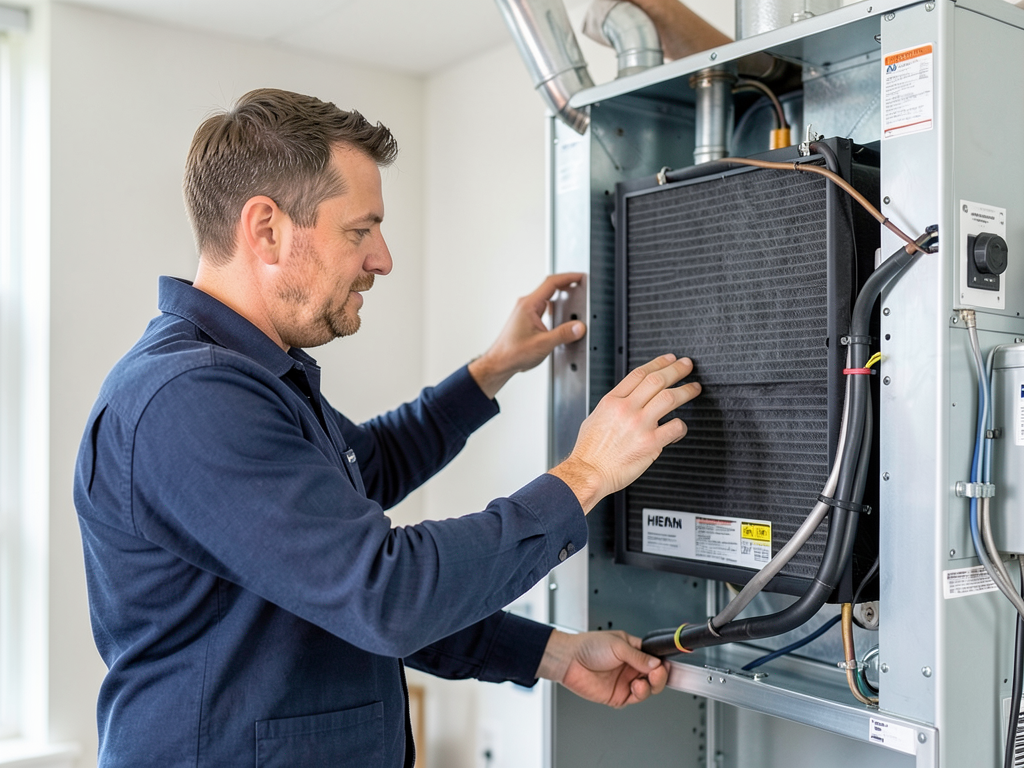
HEPA vs Carbon Filters (Choosing the Best Protection for Your Family in Arlington)
Living in Arlington means dealing with seasonal allergies, dust from nearby construction, and occasional smog from traffic corridors. When your family is sneezing constantly or you notice lingering cooking odors, the right air filter becomes essential. HEPA filters trap microscopic particles like pollen and pet dander, while carbon filters absorb gases and odors. Understanding which one fits your Arlington home’s needs can mean the difference between constant discomfort and breathing easy year-round. EPA Indoor Air Quality information.
How Indoor Air Quality Affects Your Family’s Health in Arlington
Arlington’s unique location near major highways and industrial zones creates specific air quality challenges. The EPA’s Air Quality Index often shows moderate to unhealthy levels during summer months when heat traps pollutants near the ground. Your home should be a refuge, but without proper filtration, indoor air can be two to five times more polluted than outdoor air according to EPA studies.. Read more about Managing Indoor Humidity Levels in Your Jurupa Valley Home During the Monsoon Season.
Common symptoms of poor indoor air quality include persistent coughing, itchy eyes, headaches, and fatigue. Children and elderly family members are especially vulnerable to these effects. The right filtration system doesn’t just remove dust; it actively protects your family’s respiratory health by targeting the specific pollutants common to Arlington’s environment.. Read more about Protecting Your HVAC System from the Persistent Dust and Grime in Jurupa Valley.
Understanding HEPA Filter Technology and Its Limitations
HEPA (High-Efficiency Particulate Air) filters capture 99.97% of particles as small as 0.3 microns. To put that in perspective, a human hair is about 70 microns wide. These filters excel at trapping pollen, pet dander, dust mites, and mold spores that trigger allergy symptoms. Switching to a High Efficiency Heat Pump in Riverside to Save on Monthly Energy Bills.
However, HEPA filters have limitations. They cannot remove gases, odors, or volatile organic compounds (VOCs) from your air. They also require powerful airflow to work effectively, which means your HVAC system must be compatible. Many older Arlington homes have systems that struggle with the increased static pressure from dense HEPA filters.
Carbon Filter Technology and When It’s Most Effective
Carbon filters use activated charcoal to absorb gases, odors, and chemical pollutants. The carbon material has millions of tiny pores that trap molecules as air passes through. This makes carbon filters excellent for removing cooking smells, tobacco smoke, and VOCs from cleaning products. Commercial Duct Cleaning.
Carbon filters work differently than HEPA filters. Instead of physically trapping particles, they chemically bind to gaseous pollutants. This means they’re ineffective against dust, pollen, and other particulate matter. For Arlington families dealing with both allergies and odors, a combination approach often provides the best results.
Comparing HEPA and Carbon Filters Side by Side
| Feature | HEPA Filters | Carbon Filters |
|---|---|---|
| Particle Size Captured | 0.3 microns and larger | N/A (targets gases) |
| Best For | Allergens, dust, pollen | Odors, smoke, VOCs |
| Airflow Impact | High resistance | Low resistance |
| Replacement Frequency | 6-12 months | 3-6 months |
| Cost Range | $20-$100 | $15-$60 |
Special Considerations for Arlington Homes
Arlington’s climate creates unique filtration challenges. Summer humidity levels often exceed 70%, which can promote mold growth in HVAC systems. The area’s clay soil expands and contracts with moisture changes, potentially creating foundation cracks that allow outdoor pollutants inside.
Many Arlington homes were built between 1960 and 1990, featuring HVAC systems not designed for modern high-efficiency filters. Installing a dense HEPA filter in these older systems can reduce airflow so much that your AC runs constantly, increasing energy bills and potentially causing system failure.
Testing Your Home’s Air Quality Before Choosing
Before investing in expensive filtration, test what’s actually in your air. Simple home test kits can detect mold spores, VOCs, and particulate matter. For more accurate results, professional indoor air quality testing measures specific pollutant levels and identifies sources.. Read more about Professional Air Duct Cleaning to Improve Your Mission Grove Home’s Air Quality.
Common Arlington air quality issues include pollen from oak and juniper trees, dust from construction sites, and vehicle emissions from nearby highways. Understanding your specific pollutants helps determine whether HEPA, carbon, or a combination filter will be most effective.
Installation and Maintenance Requirements
Proper installation ensures your filter performs as designed. HEPA filters must fit tightly with no air bypass around the edges. Even small gaps can reduce effectiveness by 50% or more. Carbon filters require proper orientation with airflow direction marked on the frame. How Much Does a New AC Installation Cost in Woodcrest Today?.
Maintenance schedules vary by filter type and home conditions. Arlington’s dusty environment means more frequent changes than recommended for cleaner areas. Check filters monthly during peak allergy seasons or after nearby construction projects.
Cost Analysis Over Five Years
| Filter Type | Initial Cost | 5-Year Replacement Cost | Total 5-Year Cost |
|---|---|---|---|
| HEPA Only | $80 | $400 | $480 |
| Carbon Only | $30 | $150 | $180 |
| HEPA + Carbon | $120 | $550 | $670 |
Energy Efficiency and System Compatibility
High-efficiency filters increase static pressure in your HVAC system. This forces the blower motor to work harder, potentially increasing energy consumption by 10-15%. In Arlington’s hot climate, this added strain can be significant during summer months when systems run constantly.
Before installing dense filters, have a technician measure your system’s static pressure. Systems exceeding 0.5 inches of water column pressure may struggle with HEPA filters. Some Arlington homes require system modifications or upgraded blowers to accommodate high-efficiency filtration.
Alternative Solutions for Arlington Homes
If your system can’t handle high-efficiency filters, consider these alternatives. Portable HEPA air purifiers work well for bedrooms and living areas. UV light systems installed in ductwork kill mold and bacteria. Electrostatic filters capture particles without restricting airflow as much as dense media filters.
Combination systems pair a basic filter for large particles with UV light for microorganisms. These provide good protection without overwhelming older HVAC equipment common in Arlington neighborhoods.
Seasonal Considerations for Filter Selection
Arlington’s distinct seasons affect filtration needs throughout the year. Spring brings high pollen counts from oak, elm, and juniper trees. Summer increases dust from dry conditions and construction activity. Fall introduces mold spores from decaying leaves. Winter concentrates indoor pollutants as homes seal tightly against cold.
Many families benefit from switching filter types seasonally. Use HEPA filters during spring allergy season, then switch to carbon filters in winter when odors from fireplaces and cooking become more noticeable.
Professional Installation vs. DIY
While changing filters seems simple, professional installation ensures optimal performance. Technicians can measure airflow, check for system compatibility, and identify installation issues that reduce effectiveness. They also understand local building codes and can recommend solutions specific to Arlington’s climate challenges.
DIY installation risks include incorrect sizing, poor sealing, and choosing incompatible filter types. These mistakes can actually worsen indoor air quality by reducing system efficiency and creating pressure imbalances.
Frequently Asked Questions
Can I use both HEPA and carbon filters together?
Yes, combination filters exist that include both technologies. However, these are typically more expensive and may restrict airflow in older systems. Some Arlington homeowners use separate HEPA and carbon filters in different areas of their home.
How do I know if my current filter is working properly?
Check for visible dust buildup on supply vents, measure airflow from registers, and monitor allergy symptoms. If air feels stuffy or you see dust accumulating quickly, your filter may be too restrictive or installed incorrectly.
Are expensive filters always better?
Not necessarily. The best filter is one that removes your specific pollutants without straining your HVAC system. A $20 filter that fits your system perfectly outperforms a $100 filter that reduces airflow and causes system problems.
Making Your Final Decision
The right filter choice depends on your specific situation. Consider your family’s health needs, your home’s age and HVAC system, and the types of pollutants common in your Arlington neighborhood. Start with a basic assessment of your air quality and system capabilities.
Many Arlington families find that a mid-range MERV 11 or 13 filter provides the best balance of filtration and system compatibility. These filters capture most allergens while maintaining adequate airflow in typical residential systems.
Take Action for Cleaner Air Today
Don’t let another allergy season pass with poor indoor air quality. Call (951) 223-9644 today to schedule a professional air quality assessment. Our technicians understand Arlington’s specific environmental challenges and can recommend the perfect filtration solution for your home. We’ll test your current system’s compatibility, measure your indoor air quality, and install the right filters to protect your family’s health. Pick up the phone and call (951) 223-9644 before the next high pollen count hits. Your family deserves to breathe clean, healthy air year-round.
Learn more about our complete HVAC services and how we can improve your home’s air quality beyond just filters. For more information, visit ASHRAE technical resources.
You may also find this helpful. A Guide for Riverside Tenants on Requesting HVAC Repairs and Maintenance.
You may also find this helpful. The Truth About Those Expensive High Efficiency Air Filters and Your Older Riverside AC.
You may also find this helpful. The Impact of 91 Freeway Exhaust on Your Riverside Home Air Quality.