Comparing the Benefits of UV Lights vs Air Scrubbers for Better Health in Arlington
Choosing between UV lights and air scrubbers for your Arlington home comes down to what you need to remove from your indoor air. UV lights kill airborne bacteria and viruses but do not remove dust or odors. Air scrubbers capture particles and neutralize VOCs but may require more frequent maintenance. This guide breaks down how each system works where they shine and what makes sense for Arlington’s climate and air quality challenges.. Read more about Managing Indoor Humidity Levels in Canyon Crest Homes During the Muggy Monsoon Months.
How HVAC UV Lights Work to Improve Indoor Air
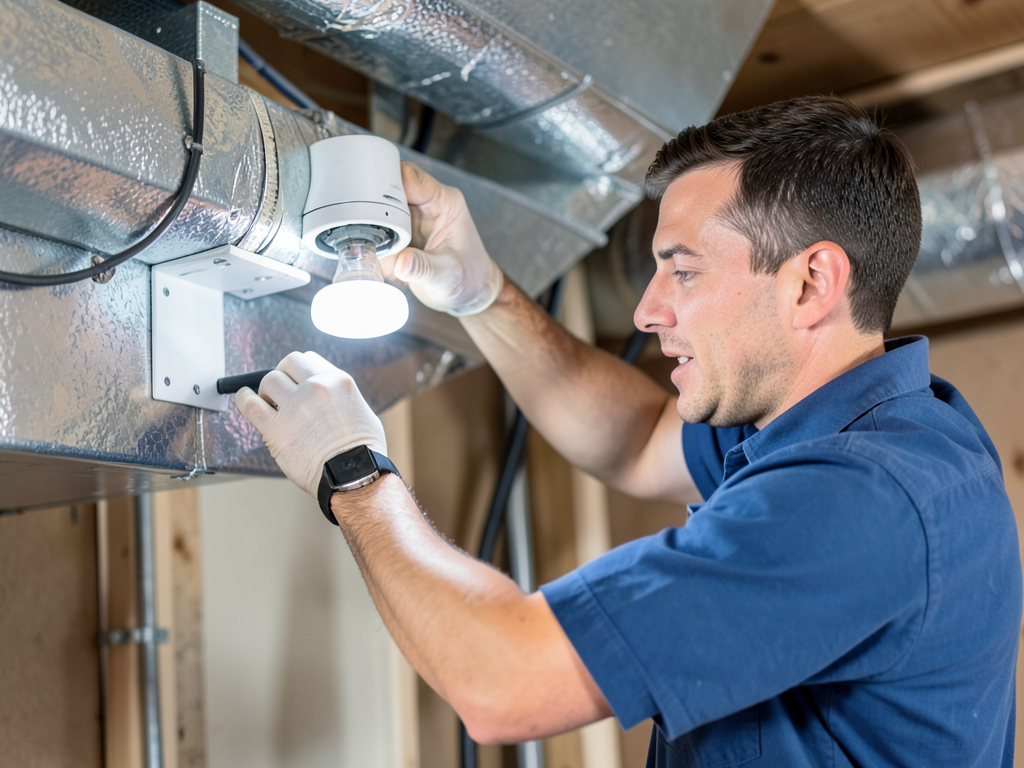
UV lights installed inside your HVAC system use ultraviolet-C radiation to destroy the DNA of microorganisms. When air passes over the UV lamp bacteria mold spores and viruses are rendered inactive. These systems are installed in the ductwork or near the evaporator coil where moisture creates ideal conditions for microbial growth.
Most residential UV lights use a 254-nanometer wavelength proven to inactivate common pathogens. The lamps are low-wattage and safe when installed properly behind a protective shield. They do not produce ozone in most cases making them CARB-compliant for California homes. California Air Resources Board air cleaner guidelines.
Maintenance involves replacing the UV lamp once per year. The cost is relatively low and the system runs continuously without impacting airflow. However UV lights do not capture particulate matter like dust pollen or pet dander. They also do not remove chemical odors or volatile organic compounds.
How Air Scrubbers Purify Your Home Beyond Basic Filtration
Air scrubbers use active air purification technologies to neutralize contaminants. The most common method is photocatalytic oxidation where UV light activates a titanium dioxide catalyst. This process breaks down VOCs smoke odors and biological contaminants into harmless byproducts like water and carbon dioxide.. Read more about Keeping Wildfire Smoke Out of Your Riverside Home with High Performance HVAC Filtration.
Some air scrubbers also use ionization to charge particles making them easier to trap in filters. Others incorporate HEPA filtration for physical particle capture. Unlike UV lights air scrubbers treat the entire home by mounting in the supply plenum and treating air as it circulates. EPA Indoor Air Quality.
Maintenance varies by model. Some require annual replacement of the PCO cell while others need periodic cleaning of ionization plates. Many modern units are ozone-free and certified by UL 2998 for California installation. They are effective against a broader range of pollutants than UV lights alone. How Much Does a New AC Installation Cost in Woodcrest Today?.
Key Differences Between UV Lights and Air Scrubbers at a Glance
| Feature | UV Lights | Air Scrubbers |
|---|---|---|
| Primary Function | Kills bacteria viruses mold | Neutralizes VOCs odors particles |
| Maintenance | Annual lamp replacement | Annual cell replacement or cleaning |
| Effect on Airflow | None | Minimal pressure drop |
| Odor Removal | No | Yes |
| VOC Reduction | No | Yes |
| Ozone Production | Usually none | Depends on model |
| Best For | Germ control | Allergen and odor control |
Performance Comparison for Arlington Homes
Arlington’s air quality is influenced by seasonal pollen dust from the Santa Ana winds and occasional smog from the Inland Empire. UV lights are excellent for reducing bacteria and viruses that circulate through your HVAC system. They are ideal if someone in your home has a weakened immune system or if you want to prevent mold growth on the coil.
Air scrubbers perform better for households with allergy sufferers or pet owners. They capture and neutralize the particles that trigger symptoms. If you notice lingering cooking odors or chemical smells from new furniture an air scrubber will address those issues more effectively than UV light alone.
For comprehensive protection some homeowners install both systems. The UV light handles biological threats while the air scrubber manages particulates and chemicals. This combination is common in homes with elderly residents young children or chronic respiratory conditions.
Arlington Climate Factors That Impact Air Quality
Arlington experiences hot dry summers with average highs above 90 degrees. The Santa Ana winds in fall bring dust and pollen from the mountains. These conditions increase the concentration of airborne particulates inside homes especially if windows are kept closed for cooling.
Humidity levels are generally low but can spike during monsoon season creating conditions for mold growth in ductwork. UV lights are particularly effective in this environment because they prevent biofilm buildup on the evaporator coil where condensation occurs.
Air quality index readings in Riverside County often exceed healthy levels during summer wildfires. During these events air scrubbers with activated carbon filters can reduce smoke particles and VOCs that enter through the HVAC system.
Installation and Maintenance Costs in Arlington
Professional installation of a UV light system typically costs between $300 and $600 depending on the unit size and installation complexity. Annual lamp replacement costs $50 to $100. The system has no impact on energy bills and requires no filter changes.
Air scrubber installation ranges from $800 to $1500. Premium models with activated carbon and HEPA filtration cost more. Maintenance involves replacing the PCO cell every 12 to 24 months at $100 to $250. Some models have washable components that reduce long-term costs.
Both systems qualify for HVAC rebates in California when installed with qualifying high-efficiency equipment. They also extend the life of your HVAC system by keeping the coil and blower assembly cleaner. Switching to a High Efficiency Heat Pump in Riverside to Save on Monthly Energy Bills.
Final Verdict: Which System Should You Choose
Choose UV lights if your primary concern is biological contamination. They are affordable simple to maintain and highly effective against germs. They are the best option for preventing mold in the HVAC system and reducing airborne pathogens.
Choose air scrubbers if you need broader pollutant control. They handle allergens VOCs and odors that UV lights cannot touch. They are ideal for households with pets allergies or sensitivity to chemical smells.
For maximum protection install both. This combination addresses the full spectrum of indoor air pollutants and provides the cleanest possible air for your Arlington home. The investment pays off in better health fewer allergy symptoms and improved HVAC efficiency.
Call (951) 223-9644 today to schedule your inspection and get a personalized recommendation for your home’s air quality needs.
Frequently Asked Questions
Do UV lights produce ozone?
Most residential UV lights use a 254-nanometer wavelength that does not produce ozone. Always verify the unit is CARB-compliant before installation in California.
How long do air scrubber cells last?
Most PCO cells last 12 to 24 months depending on usage and environmental conditions. Some models have indicators that signal when replacement is needed.
Can I install these systems myself?
Professional installation is recommended to ensure proper placement electrical connections and warranty coverage. Incorrect installation can reduce effectiveness or damage your HVAC system.
Will these systems reduce my energy bills?
Both systems can improve HVAC efficiency by keeping coils and blowers cleaner. This may reduce energy consumption slightly but the primary benefit is air quality improvement.
Are these systems safe for pets?
Yes both UV lights and air scrubbers are safe for pets when properly installed. Air scrubbers may actually benefit pets by reducing airborne allergens and odors.