Common AC Problems in Older Magnolia Center Homes and How to Fix Them
Older Magnolia Center homes built in the 1950s and 1960s often face unique AC challenges. The combination of aging ductwork, outdated electrical systems, and Riverside’s intense summer heat creates a perfect storm for cooling failures. Many homeowners notice their AC running constantly but still struggling to maintain comfortable temperatures.
The first sign of trouble usually appears when temperatures climb above 95°F. Your AC might start blowing warm air, cycling on and off rapidly, or making unusual noises. These symptoms often point to specific problems common in Magnolia Center’s aging housing stock.
Why Magnolia Center Homes Face Unique AC Challenges
Magnolia Center’s architectural history plays a major role in AC performance. Many homes feature original ductwork that’s 60+ years old. This aged metal expands and contracts with temperature changes, creating gaps and leaks that reduce efficiency by up to 30 percent. Switching to a High Efficiency Heat Pump in Riverside to Save on Monthly Energy Bills.
The electrical infrastructure in these older homes wasn’t designed for modern cooling demands. Many still have 60-amp service panels that struggle to power high-efficiency AC units. This mismatch causes breakers to trip and compressors to fail prematurely.
Riverside’s climate adds another layer of stress. Summer temperatures regularly exceed 100°F, forcing AC systems to work harder than they were designed for. The combination of heat and dust from the Santa Ana winds clogs filters and coils faster than in newer developments.
Top Five AC Problems in Magnolia Center Homes
1. Refrigerant Leaks in Aging Copper Lines
Older AC systems use copper refrigerant lines that develop pinhole leaks over decades. These tiny leaks allow refrigerant to escape, reducing cooling capacity. You might notice your AC running longer without cooling effectively.
The EPA requires proper handling of refrigerants under Section 608 of the Clean Air Act. Only certified technicians can repair leaks and recharge systems. Continuing to run a system with low refrigerant damages the compressor and wastes energy. EPA Section 608 certification requirements.
Diagnosis involves checking refrigerant pressure and looking for oil stains near connections. A simple recharge without fixing the leak only provides temporary relief and violates EPA regulations.
2. Clogged Evaporator Coils from Years of Dust
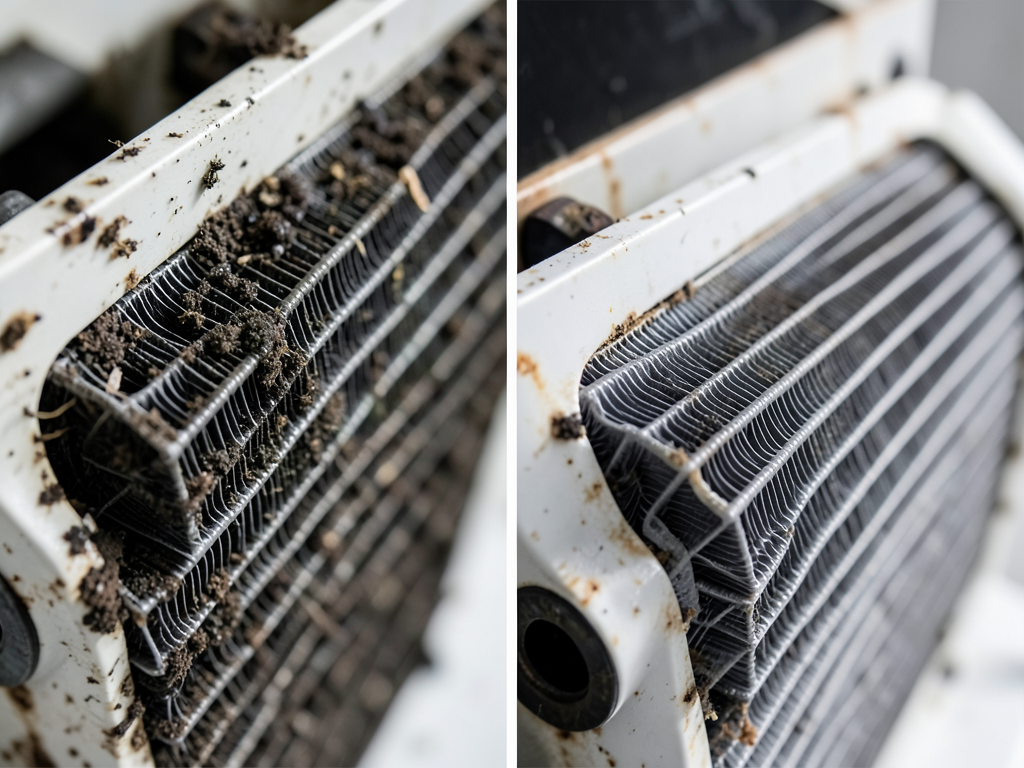
Magnolia Center’s location near agricultural areas means homes accumulate more dust than newer developments. This dust settles on evaporator coils inside your air handler, creating an insulating layer that blocks heat transfer.
Signs of dirty coils include reduced airflow, longer cooling cycles, and ice formation on the refrigerant lines. The system works harder to achieve the same cooling, increasing energy bills and wear on components.
Professional coil cleaning uses specialized foaming cleaners that dissolve buildup without damaging the delicate fins. This service typically restores 15-20 percent of lost efficiency. Commercial Duct Cleaning.
3. Failing Capacitors in Heat-Stressed Systems
Capacitors provide the electrical boost needed to start compressors and fans. Riverside’s extreme heat causes capacitors to degrade faster than in cooler climates. A failing capacitor might cause your AC to hum without starting or shut down after running briefly.
Visual inspection reveals swollen or leaking capacitors. Testing requires a multimeter to check capacitance against manufacturer specifications. Most capacitors fail during the hottest summer days when the system needs them most.
Replacement is straightforward but requires proper safety procedures. The stored electrical charge in capacitors can cause serious injury if mishandled.
4. Duct Leaks Wasting Cool Air
Older duct systems in Magnolia Center homes often have gaps at joints, disconnected sections, and deteriorated insulation. Studies show typical duct systems lose 20-30 percent of conditioned air through leaks.
Signs include rooms that never get cool enough, dust accumulation around vents, and higher than expected energy bills. You might also hear whistling sounds from supply registers.
Professional duct testing uses pressure measurements to identify leak locations. Sealing involves mastic paste or specialized tape for accessible areas and aerosol sealants for hard-to-reach sections.
5. Thermostat Issues Causing Short Cycling
Older homes often have basic thermostats that can’t handle modern AC systems. Improper placement near heat sources or in direct sunlight causes inaccurate temperature readings. This leads to short cycling where the system turns on and off rapidly.
Short cycling increases wear on compressors and reduces efficiency. You might notice the AC running for only a few minutes before shutting off, then starting again soon after.
Modern programmable thermostats with remote sensors provide more accurate control. They can be programmed for different times of day and automatically adjust for Riverside’s temperature swings.
Diagnostic Steps for Magnolia Center AC Problems
- Check Thermostat Settings
Verify the thermostat is set to “cool” and the temperature is below current room temperature. Ensure the fan is set to “auto” rather than “on.”
- Inspect Air Filters
Remove and examine the air filter. If it’s clogged with dust, replace it. Restricted airflow is a common cause of AC problems.
- Examine Outdoor Unit
Check that the outdoor condenser has at least two feet of clearance on all sides. Remove any debris, leaves, or vegetation blocking airflow.
- Listen for Unusual Noises
Turn the system on and listen for rattling, buzzing, or grinding sounds. These indicate mechanical problems requiring professional attention.
- Check Air Vents
Feel airflow from several vents throughout your home. Weak or inconsistent airflow suggests duct problems or fan issues.
Professional Repair Solutions for Magnolia Center Homes
Professional HVAC technicians follow specific diagnostic procedures for Magnolia Center homes. They start with a comprehensive system evaluation that includes refrigerant pressure testing, electrical component checks, and duct leakage assessment.
Many older homes benefit from system upgrades rather than simple repairs. Replacing a 10 SEER unit with a modern 16 SEER system can cut cooling costs by 40 percent while providing better comfort. Same Day Emergency AC Repair for Families in Orangecrest.
Duct replacement is often the most cost-effective improvement. New flexible ducts with proper insulation reduce energy loss and improve airflow to all rooms.
Maintenance Tips to Prevent Common AC Problems
- Change air filters every 30-60 days during cooling season
- Keep outdoor units clear of vegetation and debris
- Schedule professional maintenance before summer heat arrives
- Install ceiling fans to reduce AC workload
- Seal windows and doors to prevent cool air loss
Regular maintenance catches small problems before they become major failures. A typical maintenance visit includes cleaning coils, checking refrigerant levels, testing electrical components, and calibrating thermostats.
When to Replace vs. Repair Your AC System
Age is the primary factor in replacement decisions. AC systems typically last 15-20 years in Riverside’s climate. If your system is over 15 years old and needs expensive repairs, replacement often makes more financial sense.
Consider replacement if repair costs exceed 50 percent of a new system’s price, or if your current system uses R-22 refrigerant, which is being phased out.
Modern high-efficiency systems qualify for utility rebates through Southern California Edison. These rebates can offset 10-15 percent of replacement costs. California Contractors State License Board.
Cost Factors for AC Repairs in Magnolia Center
| Repair Type | Typical Cost Range | Urgency Level |
|---|---|---|
| Refrigerant recharge | $250 – $750 | Medium |
| Capacitor replacement | $150 – $350 | High |
| Duct sealing | $500 – $2,000 | Medium |
| Compressor replacement | $1,500 – $2,500 | Emergency |
| Complete system replacement | $4,000 – $8,000 | Planned |
Emergency repairs during heat waves often cost 20-30 percent more due to demand. Planning major repairs during shoulder seasons can save money.
Energy Efficiency Improvements for Older Homes
Beyond AC repairs, several improvements boost cooling efficiency in older Magnolia Center homes. Adding attic insulation to R-38 standards reduces heat gain through the roof.
Window tinting or solar screens block up to 80 percent of solar heat gain. This simple upgrade can reduce AC runtime by 15-20 percent.
Smart thermostats learn your schedule and adjust temperatures automatically. They can reduce cooling costs by 10-15 percent while maintaining comfort.
Choosing the Right HVAC Contractor in Magnolia Center
Look for contractors with specific experience in older Riverside homes. They should understand the unique challenges of 1950s construction and have proper licensing through the California Contractors State License Board.
Verify they carry liability insurance and workers’ compensation. Ask about their experience with your specific AC brand and model.
Get written estimates that detail the work to be performed. Avoid contractors who pressure you into immediate decisions or offer prices significantly below market rates.
Frequently Asked Questions
How long should my AC run on a hot day?
During extreme heat, your AC should run in 15-20 minute cycles with 7-10 minute off periods. Constant running or very short cycles indicate problems.
Can I recharge my AC refrigerant myself?
No. The EPA requires certification for refrigerant handling. DIY recharging is illegal and can damage your system or cause injury. Always call a licensed professional.
How often should I replace my AC air filter?
Replace standard 1-inch filters every 30-60 days during cooling season. Homes with pets or in dusty areas may need monthly changes. Check filters monthly and replace when dirty.
What’s the best temperature setting for energy savings?
Set your thermostat to 78°F when home and active. Each degree below 78°F increases energy use by 3-5 percent. Use fans to feel cooler at higher temperatures.
How can I tell if my AC needs replacement?
Consider replacement if your system is over 15 years old, needs frequent repairs, uses R-22 refrigerant, or causes electric bills to spike. New systems are more efficient and reliable. Reliable Furnace Repair in Riverside to Keep Your Family Warm This Winter.
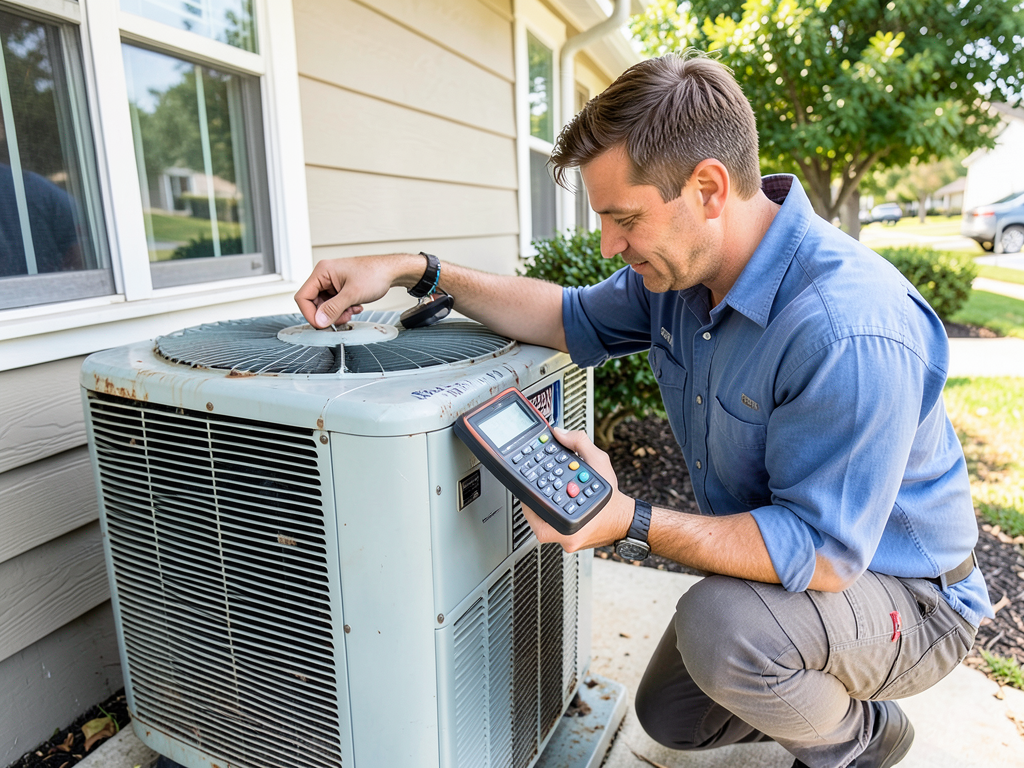
Diagram showing how a dirty evaporator coil reduces heat transfer efficiency in older AC systems.
Technician using a digital manifold gauge to check refrigerant pressure in a Magnolia Center home’s AC system.
Before and after photos of duct sealing showing improved airflow and energy efficiency in an older Riverside home.
Take Action Before the Next Heat Wave
Don’t wait for your AC to fail during a 105°F day. Most AC problems develop gradually, giving you time to address them before complete failure occurs.
Schedule a professional inspection to identify potential issues. A simple tune-up can prevent emergency repairs and extend your system’s life by years.
Call (951) 223-9644 today to schedule your AC inspection. Our experienced technicians understand the unique challenges of Magnolia Center homes and provide honest, effective solutions.
Early intervention saves money and prevents the discomfort of a cooling system failure during Riverside’s hottest months. Take control of your home’s comfort now.