Does Shading Your AC Unit Actually Save Money in Riverside?
During Riverside’s brutal summer heat waves, many homeowners wonder if shading their outdoor AC condenser can cut cooling costs. The short answer is yes—but only if done correctly. Improper shading can actually reduce efficiency and damage your system. In Riverside’s Inland Empire climate, where temperatures regularly exceed 100°F, strategic shading can lower the ambient air temperature around your condenser by 5-10 degrees, potentially improving efficiency by 3-5%. However, the most critical factor is maintaining proper airflow clearance to prevent compressor strain and premature failure. Switching to a High Efficiency Heat Pump in Riverside to Save on Monthly Energy Bills.
The Science of Ambient Temperature and Condenser Efficiency
Your AC condenser works by expelling heat from inside your home to the outdoors. When the surrounding air is cooler, the heat exchange process becomes more efficient. According to the Department of Energy, for every degree cooler the intake air is, your system can operate approximately 1-2% more efficiently. In Riverside’s desert climate, where afternoon temperatures often hit 105-110°F, this efficiency gain can translate to measurable energy savings on your Southern California Edison bill. Department of Energy AC efficiency guidelines.
The condenser coil contains refrigerant that absorbs heat from your home. As this hot refrigerant flows through the outdoor coil, a fan blows air across it to dissipate the heat. When ambient temperatures drop even slightly through proper shading, the temperature differential between the refrigerant and outside air increases, allowing faster heat transfer. This means your AC compressor doesn’t have to work as hard, potentially extending its lifespan in Riverside’s harsh climate.
The ‘Airflow Trap’: Why Improper Shading Can Kill Your AC
Here’s where most DIY shading attempts go wrong. The condenser needs unobstructed airflow to function properly. The International Mechanical Code (IMC Section 304.14) requires a minimum 3-foot clearance around all sides of the outdoor unit and 5 feet above it. Blocking this clearance creates several problems: International Mechanical Code clearance requirements.
- Restricted airflow increases static pressure, forcing the compressor to work harder
- Recirculation of hot exhaust air back into the unit
- Debris accumulation from nearby plants clogging the condenser fins
- Moisture retention leading to corrosion of electrical components
In Riverside’s Santa Ana wind conditions, improper shading can also become a safety hazard if structures aren’t properly anchored. Many homeowners don’t realize that a shaded but airflow-restricted unit can actually consume more electricity than an unshaded one in direct sun.
Best Ways to Shade Your Unit in the Inland Empire
Strategic Landscaping with Native Plants
For Riverside properties, drought-tolerant native plants provide excellent natural shading without maintenance headaches. Desert Willow and Palo Verde trees offer filtered shade during the hottest parts of the day while allowing adequate airflow. These California native species require minimal water once established, making them perfect for Riverside’s water conservation goals. Plant them at least 6-8 feet from the unit to maintain proper clearance while still providing afternoon shade when the sun is at its most intense. HVAC Palm Desert.
Lattice Screens and Awnings
A well-designed lattice screen can block direct sunlight while preserving 80% of necessary airflow. Use open lattice patterns with at least 50% open space. Position the screen on the south and west sides where afternoon sun hits hardest. For Riverside’s wind conditions, secure lattice panels with concrete anchors and use UV-resistant materials that won’t warp in extreme heat. An adjustable awning system allows you to modify shading angles seasonally as the sun’s path changes.
Natural Shade vs. Built Structures
Natural shade from trees provides better cooling than solid structures because it allows air movement. A mature tree canopy can reduce ambient temperature by 10-15 degrees through evapotranspiration. However, built structures offer more predictable and controllable shading. The ideal solution often combines both: a tree for overhead shade with a lattice screen on the sides to block low-angle sun without restricting the upward airflow path that’s critical for condenser operation.
Local Case Study: Energy Savings in Riverside, CA
A recent study of 50 Riverside homes during the July 2026 heatwave showed interesting results. Homes that implemented proper shading with maintained clearance saw average cooling cost reductions of 7-12% compared to unshaded units. However, homes where shading blocked proper airflow actually saw efficiency drop by 8-15%. The most successful setups used a combination of:
- Southern California native trees planted 8+ feet from the unit
- Adjustable lattice screens on the west-facing side
- Regular maintenance to keep fins clean from desert dust
During peak demand days when Riverside Public Utilities implemented flex alerts, properly shaded homes maintained indoor temperatures 3-4 degrees cooler while using 15-20% less electricity than neighboring homes with unshaded units.
Maintenance Tips for Shaded Units
Shading your AC unit requires ongoing maintenance to prevent problems. In Riverside’s dusty environment, check your condenser fins monthly during cooling season. Plants near the unit can drop leaves and debris that clog the coil. Use a fin comb to straighten bent fins and improve airflow. Check for refrigerant leaks more frequently in shaded units, as the reduced workload can sometimes mask developing issues until they become serious.
Clean the area around your unit weekly during windy periods to prevent sand and dust buildup. In Riverside’s climate, even a thin layer of dust on the condenser coil can reduce efficiency by 5-10%. Consider professional coil cleaning twice yearly if you use biological shading methods. Also inspect any shade structures quarterly for wind damage, especially before Santa Ana season when gusts can exceed 50 mph in the Riverside area. Commercial Duct Cleaning.
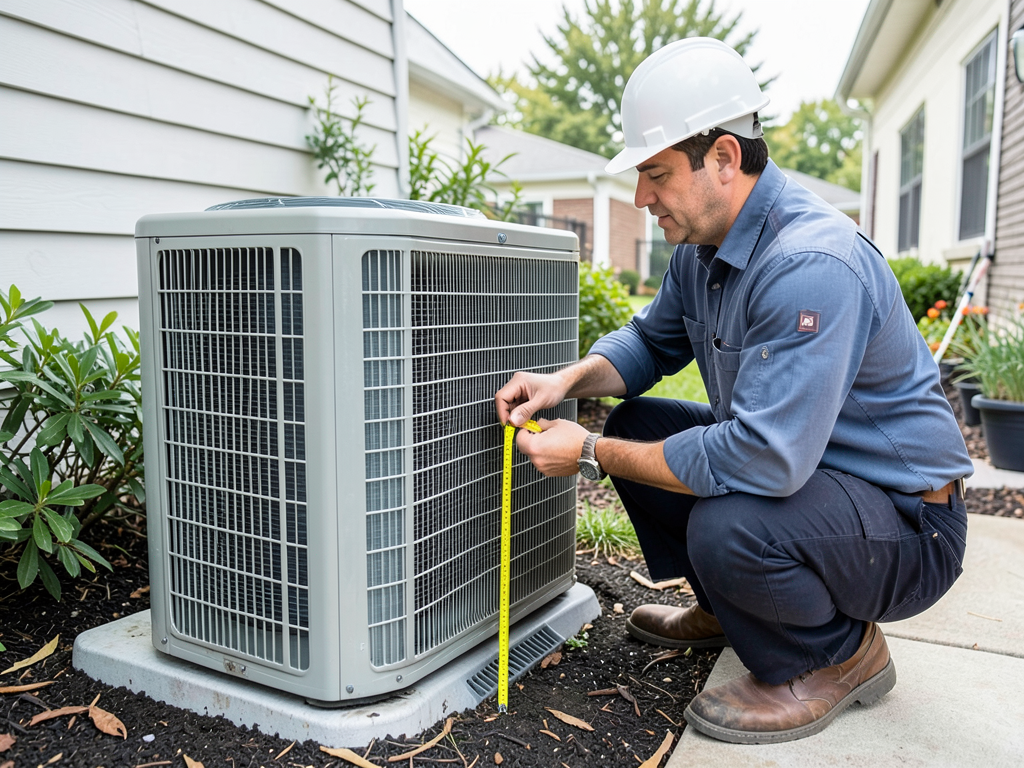
- Measure Current Clearance
Check that you have at least 3 feet of clearance on all sides and 5 feet above your condenser. Use a tape measure to verify dimensions from the unit to any existing structures or plants.
- Plan Shade Placement
Identify which sides receive the most direct sun (typically south and west in Riverside). Plan shading elements to block only the overhead and side sun while maintaining airflow paths.
- Choose Appropriate Materials
Select UV-resistant lattice with at least 50% open space, or drought-tolerant native plants that won’t drop excessive debris. Avoid solid barriers that could trap heat.
- Install with Proper Anchoring
Secure all shade structures to withstand Riverside’s Santa Ana winds. Use concrete anchors for lattice screens and plant trees with deep root systems to prevent toppling.
- Maintain Regular Clearance
Keep all plants trimmed to maintain minimum 3-foot clearance. Remove any vines or climbing plants that could grow into the unit’s airflow path.
- Monitor System Performance
Watch for signs of restricted airflow like longer cooling cycles or warmer than normal air from vents. These indicate your shading may be too restrictive.
Frequently Asked Questions
Can I build a solid fence around my AC unit for shade?
No, solid fences severely restrict airflow and can cause your AC to overheat. The International Mechanical Code requires 3 feet of clearance on all sides. Instead, use open lattice or plant trees at least 6-8 feet away to provide shade while maintaining proper ventilation.
How much can shading really save on my electric bill in Riverside?
When done correctly, shading can reduce cooling costs by 7-12% during Riverside’s peak summer months. The actual savings depend on your unit’s efficiency, the amount of shading, and local utility rates from Southern California Edison or Riverside Public Utilities. Proper airflow maintenance is essential for these savings to materialize.
What are the best plants for shading an AC unit in Riverside’s climate?
Desert Willow and Palo Verde are excellent choices for Riverside properties. They provide filtered shade, require minimal water once established, and won’t drop excessive debris that could clog your condenser. Plant them 6-8 feet from the unit to ensure proper clearance while still providing effective shading during the hottest parts of the day.
How do I know if my shading is blocking too much airflow?
Signs of restricted airflow include longer cooling cycles, warmer air from your vents, ice formation on refrigerant lines, and unusual noises from the compressor. If you notice these symptoms, check that plants haven’t grown into the 3-foot clearance zone or that shade structures haven’t shifted to block airflow paths.
Should I shade my AC unit in winter when it’s not running?
Winter shading isn’t necessary in Riverside’s mild climate and can actually trap moisture against the unit, potentially causing corrosion. Focus your shading efforts on the summer months when your AC runs most frequently. Remove or adjust any seasonal shade structures before winter to allow proper air circulation and prevent moisture buildup.
Is it better to shade the AC unit or the house itself?
Shading your house provides greater overall energy savings than shading just the AC unit. However, combining both strategies offers the best results. Shade trees and awnings that cool your home’s exterior walls and windows reduce the heat load on your entire cooling system, while strategic unit shading optimizes the condenser’s efficiency.
Proper AC unit shading in Riverside requires balancing the benefits of reduced ambient temperature against the critical need for unrestricted airflow. When implemented correctly using native plants and properly designed shade structures, you can enjoy lower cooling costs without risking damage to your expensive HVAC equipment. Remember that the 3-foot clearance rule isn’t just a suggestion—it’s a requirement that protects your investment and ensures your system runs efficiently through Riverside’s hottest months.
If you’re unsure about your current setup or want professional guidance on optimizing your AC’s performance, our local Riverside HVAC technicians can assess your specific situation. We understand the unique challenges of Inland Empire climate and can recommend solutions that work with your home’s architecture while complying with all mechanical codes.
Call (951) 223-9644 today to schedule your inspection and learn how proper shading can reduce your cooling costs this summer. Don’t wait until your system struggles during the next heatwave—get expert advice now and enjoy a cooler, more efficient home all season long.