The Invisible Warning Signs of Carbon Monoxide Leaks in Riverside Homes
Carbon monoxide is a silent killer that can build up in your home without any warning signs you can see or smell. Every year in Riverside County families face serious health risks from this colorless odorless gas produced by malfunctioning gas furnaces and appliances. Understanding the invisible warning signs can save your life. Reliable Furnace Repair in Riverside to Keep Your Family Warm This Winter.
The most dangerous aspect of carbon monoxide is how it mimics common illnesses. Headaches dizziness nausea and fatigue can all be early symptoms of CO exposure. Many people mistake these warning signs for the flu or food poisoning and fail to recognize the real danger lurking in their homes.
Gas furnaces in Riverside homes face unique challenges due to our climate patterns. During the hot summer months furnaces sit idle for months at a time. This extended downtime allows moisture to accumulate inside heat exchangers creating perfect conditions for rust and corrosion. When winter arrives and you fire up your furnace for the first time in months that hidden damage can release deadly carbon monoxide into your living space.
- Get Fresh Air Immediately
Open all windows and doors to ventilate the home. Move everyone outside to fresh air.
- Call Emergency Services
Dial 911 or contact the Riverside Fire Department at (951) 826-5700 for suspected CO emergencies. EPA indoor air quality guidelines.
- Turn Off Gas Appliances
Shut off your furnace water heater and any other gas appliances if it is safe to do so.
- Seek Medical Attention
Even if symptoms seem mild carbon monoxide poisoning requires immediate medical evaluation.
Common Sources of Carbon Monoxide in Riverside Homes
Gas furnaces are the primary source of carbon monoxide in most Riverside homes. The heat exchanger inside your furnace contains combustion gases and when this component cracks or corrodes those gases can leak into your living space. Riverside’s hard water and mineral content can accelerate corrosion in older systems.
Blocked or damaged venting systems pose another serious risk. Birds nests leaves and debris can block flue pipes especially after summer storms. The Santa Ana winds common in Riverside can also damage exterior venting components leaving gaps where exhaust gases escape into your home instead of venting outside.
Improper installation creates hidden dangers that may not show symptoms for years. When gas lines or venting systems are not properly sealed or sized they can allow carbon monoxide to backdraft into your home. This is especially common in older Riverside neighborhoods where homes may have had multiple furnace replacements over the decades. How Much Does a New AC Installation Cost in Woodcrest Today?.
Physical Warning Signs Inside Your Home
While carbon monoxide itself is invisible several physical signs can indicate a developing leak. Soot or dark staining around your furnace base or on walls near vents suggests incomplete combustion which produces carbon monoxide. This soot often appears as black or brown streaks that you might mistake for dust or dirt.
Excessive moisture on windows or walls near your furnace can signal venting problems. When combustion gases cannot escape properly they cool and condense creating water vapor that appears as condensation. This moisture also promotes mold growth creating additional indoor air quality issues.
Yellow or flickering burner flames instead of steady blue flames indicate incomplete combustion. Your furnace flame should burn bright blue with a small yellow tip. Any other flame color suggests your system is producing excess carbon monoxide and needs immediate professional attention.
Health Symptoms That Should Never Be Ignored
Carbon monoxide prevents your blood from carrying oxygen effectively. The first symptoms often include headaches that worsen when you are at home and improve when you leave. These headaches may be accompanied by dizziness confusion and weakness that seem to affect everyone in the household simultaneously.
Nausea and vomiting are common as CO exposure increases. Unlike food poisoning these symptoms typically affect multiple family members at once and worsen over time rather than improving within hours. Pets often show symptoms first because they are smaller and more sensitive to the gas.
Severe exposure leads to chest pain rapid heartbeat and loss of consciousness. At this stage carbon monoxide poisoning becomes life-threatening. The symptoms can progress so quickly that people become too disoriented to help themselves or their family members.
California Safety Standards and Legal Requirements
California Building Code Section 304.5 requires carbon monoxide detectors in all single-family homes with attached garages or fossil fuel burning appliances. This law applies to all Riverside homes regardless of when they were built. Detectors must be installed outside each sleeping area and on every level of the home. California State Fire Marshal carbon monoxide safety guidelines.
The California State Fire Marshal mandates that CO detectors meet Underwriters Laboratories UL 2034 standards. These devices must sound an alarm when CO levels reach 70 parts per million for one to four hours. However health effects can occur at much lower levels making additional protection advisable.
Riverside County follows all state safety mandates but also recommends additional measures. The county fire department suggests installing low-level CO monitors that can detect dangerous concentrations below the UL 2034 threshold. These monitors provide earlier warning for vulnerable individuals like children and the elderly.
Professional Inspection and Maintenance Requirements
California law requires HVAC contractors to hold C20 licenses for furnace work. Licensed technicians must perform annual safety inspections that include checking for heat exchanger cracks testing venting systems and verifying proper combustion. These inspections are not just recommended they are essential for legal compliance and family safety.
The EPA recommends professional furnace maintenance before each heating season. A qualified technician will test for carbon monoxide levels check gas pressure and inspect all safety controls. In Riverside where furnaces sit unused for months this pre-season maintenance becomes even more critical.
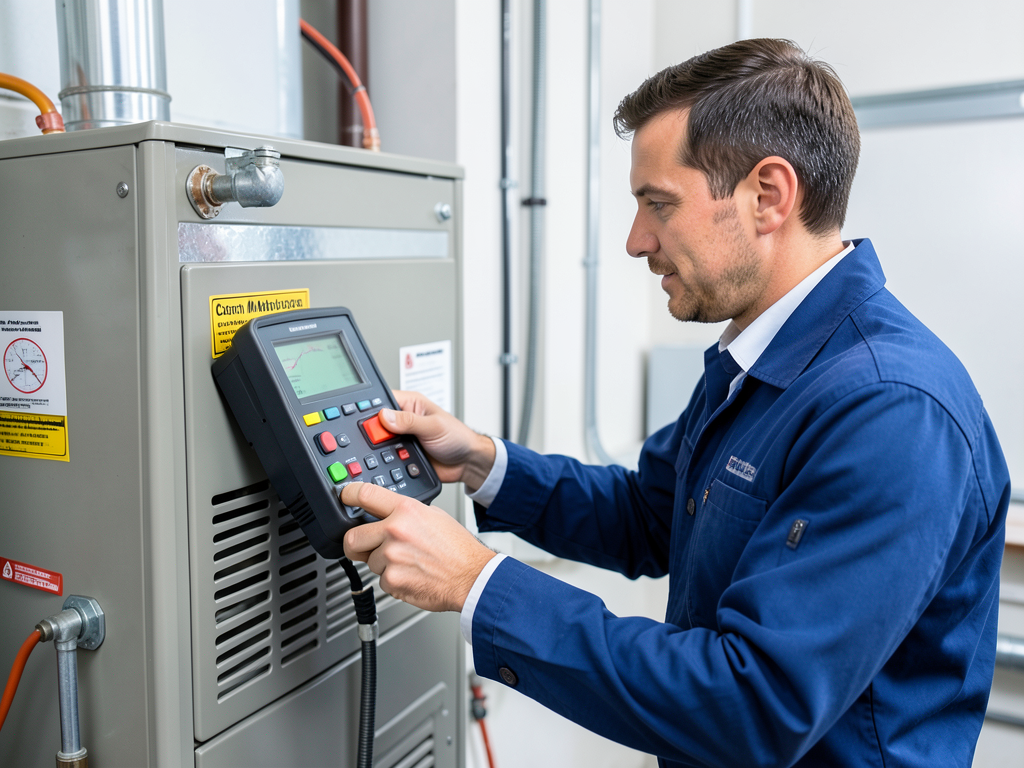
Professional inspections include combustion analysis using specialized equipment that measures exactly how much carbon monoxide your furnace produces. This testing goes far beyond what a basic visual inspection can reveal. Technicians also check for backdrafting conditions that could pull exhaust gases into your home.
Technology That Provides Extra Protection
Standard CO detectors have limitations. They are designed to sound only when levels become immediately dangerous. Low-level CO monitors can detect concentrations as low as 10 parts per million providing early warning before symptoms develop. These devices are especially valuable for homes with elderly residents pregnant women or young children.
Smart home integration allows CO monitoring through your smartphone. These systems can send alerts when you are away from home and some can automatically shut off your furnace if dangerous levels are detected. This technology provides peace of mind for Riverside families who travel frequently or have vacation homes.
Sealed combustion furnaces eliminate many traditional CO risks. These systems draw combustion air directly from outside and vent exhaust gases through dedicated pipes. While more expensive initially they provide superior safety and efficiency especially in tightly sealed modern homes. Switching to a High Efficiency Heat Pump in Riverside to Save on Monthly Energy Bills.
Prevention Through Proper Installation and Operation
Proper furnace sizing prevents many CO problems. An oversized furnace cycles on and off frequently leading to condensation in the heat exchanger. This moisture accelerates corrosion and creates conditions for carbon monoxide production. Professional load calculations ensure your system is correctly sized for your Riverside home.
Regular filter changes improve safety and efficiency. Dirty filters restrict airflow causing the furnace to run hotter and potentially crack the heat exchanger. In Riverside’s dusty environment filters may need replacement every one to three months depending on your location and lifestyle factors like pets.
Never operate fuel-burning appliances in enclosed spaces without proper ventilation. This includes portable generators which should always be operated outdoors at least twenty feet from windows doors and vents. During Riverside’s occasional winter storms the temptation to bring generators inside creates severe CO poisoning risks.
Emergency Response Planning for Your Family
Every Riverside home needs a carbon monoxide emergency plan. This plan should include evacuation routes meeting points outside the home and emergency contact numbers. Practice this plan with your family so everyone knows exactly what to do if the CO alarm sounds. Same Day Emergency AC Repair for Families in Orangecrest.
Keep emergency numbers readily available. Store the Riverside Fire Department number (951) 826-5700 Southern California Gas Company emergency line (800) 427-2200 and your HVAC service provider in your phone and posted near your home phone. Quick access to these numbers can save critical minutes.
Consider installing combination smoke and CO detectors to simplify your safety system. These devices reduce maintenance and provide comprehensive protection. Test all detectors monthly and replace batteries twice yearly during daylight saving time changes.
Age Related Risks in Riverside Homes
Older Riverside homes built before 1980 often contain original furnaces with deteriorating heat exchangers. These systems may have been well maintained but cannot match the safety features of modern equipment. The average furnace lifespan is fifteen to twenty years and aging units become increasingly likely to develop CO leaks.
Historic neighborhoods like Victoria and downtown Riverside contain many older homes with gravity furnaces. These systems lack modern safety controls and their heat exchangers are particularly susceptible to cracking. Replacement with modern equipment often becomes the safest and most cost-effective option.
Foundation settling common in Riverside’s soil conditions can damage venting systems over time. As homes shift slightly each year vent pipes can separate or develop cracks. These separations create pathways for carbon monoxide to enter your living space even when the furnace appears to be functioning normally.
Seasonal Considerations for Riverside Residents
Fall maintenance becomes critical as temperatures drop. Many Riverside families wait until the first cold snap to service their furnaces only to discover problems when they need heat most. Scheduling maintenance in early fall ensures your system is safe before winter arrives.
During Santa Ana wind events inspect your exterior vents. These strong winds can damage vent caps and allow debris to enter your venting system. After wind storms check that all vent pipes remain properly connected and free from obstructions.
Holiday season brings additional risks. Increased cooking and gathering activities can strain your home’s ventilation. Ensure your kitchen exhaust fans and bathroom vents are functioning properly to maintain good indoor air quality when your home is full of guests.
Professional Services That Protect Your Family
Comprehensive furnace safety inspections go beyond basic maintenance. Professional technicians use combustion analyzers to measure exact CO production levels check for backdrafting conditions and inspect every component for wear or damage. This level of testing requires specialized equipment and training that most homeowners cannot perform themselves.
Heat exchanger inspection is the most critical safety test. Technicians use borescopes to examine the interior of heat exchangers for cracks corrosion and deterioration. This inspection can reveal problems that would otherwise go undetected until they cause a dangerous leak.
Vent system testing ensures all combustion gases exit your home safely. Technicians check for proper draft measure vent temperatures and verify that all connections are secure. They also inspect for signs of water damage which can indicate venting problems that may not yet be producing CO.
Cost Considerations for Safety Investments
Carbon monoxide detectors cost between thirty and one hundred dollars depending on features. While this represents an initial investment the cost is minimal compared to potential medical expenses or property damage from CO incidents. Many local fire departments offer free detectors to qualifying residents.
Professional furnace inspections typically cost one hundred to two hundred dollars. This annual expense provides peace of mind and can identify problems before they become emergencies. Some HVAC companies offer maintenance plans that include regular safety inspections at reduced rates.
Heat exchanger replacement costs vary widely based on furnace age and model. While replacement may seem expensive it often costs less than emergency repairs or medical treatment for CO poisoning. Modern high-efficiency furnaces also provide energy savings that offset part of the replacement cost over time.
Building a Safer Home Environment
Carbon monoxide safety requires a comprehensive approach. Install detectors on every level of your home replace them every five to seven years and ensure they have working batteries. Combine this with professional maintenance and awareness of the warning signs to create multiple layers of protection.
Educate your family about CO risks and symptoms. Make sure everyone knows the sound of your CO alarm and understands the emergency procedures. Children should know to exit the home immediately when the alarm sounds and where to meet outside.
Maintain good indoor air quality through proper ventilation. Use exhaust fans when cooking and bathing ensure your clothes dryer vents properly and keep all fuel-burning appliances well maintained. These steps not only prevent CO buildup but also improve overall home comfort and efficiency.
Take Action Today to Protect Your Family
Carbon monoxide poisoning is preventable with proper awareness and maintenance. Do not wait for symptoms to appear before taking action. Schedule your furnace safety inspection today and ensure your CO detectors are functioning properly. The peace of mind is worth the investment.
Call (951) 223-9644 today to schedule your comprehensive furnace safety inspection. Our licensed technicians will perform a complete system evaluation including heat exchanger inspection combustion analysis and venting system testing. We serve all Riverside neighborhoods and can often provide same day service for urgent safety concerns.
Protect your family from the invisible threat of carbon monoxide. One call could prevent a tragedy and ensure your home remains safe and comfortable all winter long. Do not let another day pass without confirming your furnace is operating safely and efficiently.
Frequently Asked Questions
How often should I replace my carbon monoxide detectors?
Replace CO detectors every five to seven years even if they appear to be working. The sensors degrade over time and may not detect dangerous levels when needed. Write the installation date on the back of each detector to track replacement timing.
Can my furnace produce carbon monoxide even if it is running properly?
Yes even well maintained furnaces produce small amounts of CO during normal operation. The danger occurs when this gas leaks into your living space instead of venting outside. Regular inspections ensure your venting system functions properly to keep exhaust gases where they belong.
What should I do if my CO alarm sounds but I feel fine?
Never ignore a sounding CO alarm even if you feel healthy. Evacuate immediately and call emergency services. Carbon monoxide can cause delayed symptoms and some family members may be more sensitive than others. Always err on the side of caution with potential CO exposure.
Are electric furnaces safe from carbon monoxide risks?
Electric furnaces do not produce carbon monoxide since they do not burn fuel. However homes with gas appliances like water heaters or stoves still need CO detectors. Also if you convert from gas to electric ensure all gas lines are properly capped to prevent leaks.