Why Pretty Bougainvillea Vines are Actually Dangerous for Your Outdoor AC Unit
Bougainvillea vines create stunning purple blooms that many Riverside homeowners love. These thorny plants grow rapidly in our warm climate and climb fences and walls with ease. But while they add beauty to your yard, they can also cause serious damage to your outdoor AC unit.
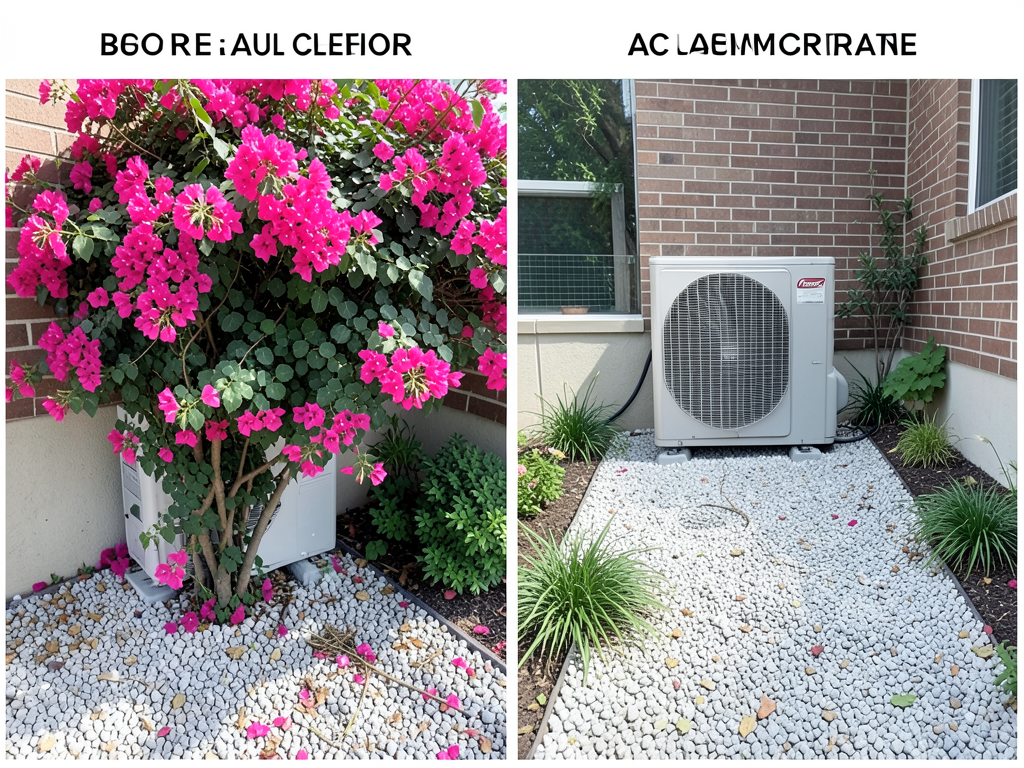
Those sharp thorns can puncture the delicate aluminum fins on your condenser coils. Once damaged, the fins cannot properly release heat from your system. This forces your AC to work harder and longer to cool your home. The dense growth pattern of bougainvillea blocks critical airflow around the unit. Your system needs proper ventilation to function efficiently and last its full lifespan.
Many homeowners discover the problem only after their energy bills spike or their AC stops cooling effectively. By then, the damage may require expensive repairs or even a complete replacement. The thorns can also make it dangerous for technicians to service your unit safely. Energy Department AC maintenance guide.
Protecting your AC from bougainvillea damage starts with understanding how these plants affect your system. We will explore the specific risks, show you safer landscaping alternatives, and explain proper clearance guidelines for Riverside homes. Your beautiful yard and efficient cooling system can coexist with the right planning.
The Hidden Dangers of Bougainvillea Near Your AC Unit
Bougainvillea plants contain sharp thorns that can easily puncture the thin aluminum fins on your AC condenser. These fins are essential for heat transfer and are extremely fragile. Once punctured, they cannot be repaired and must be replaced, which can cost hundreds of dollars. EPA air duct cleaning information.
The dense growth pattern of bougainvillea creates a thick canopy that blocks airflow to your AC unit. Your condenser needs constant air circulation to release heat from the refrigerant. When airflow is restricted, the system works harder and consumes more electricity. This can increase your monthly energy bills by 15 to 20 percent.
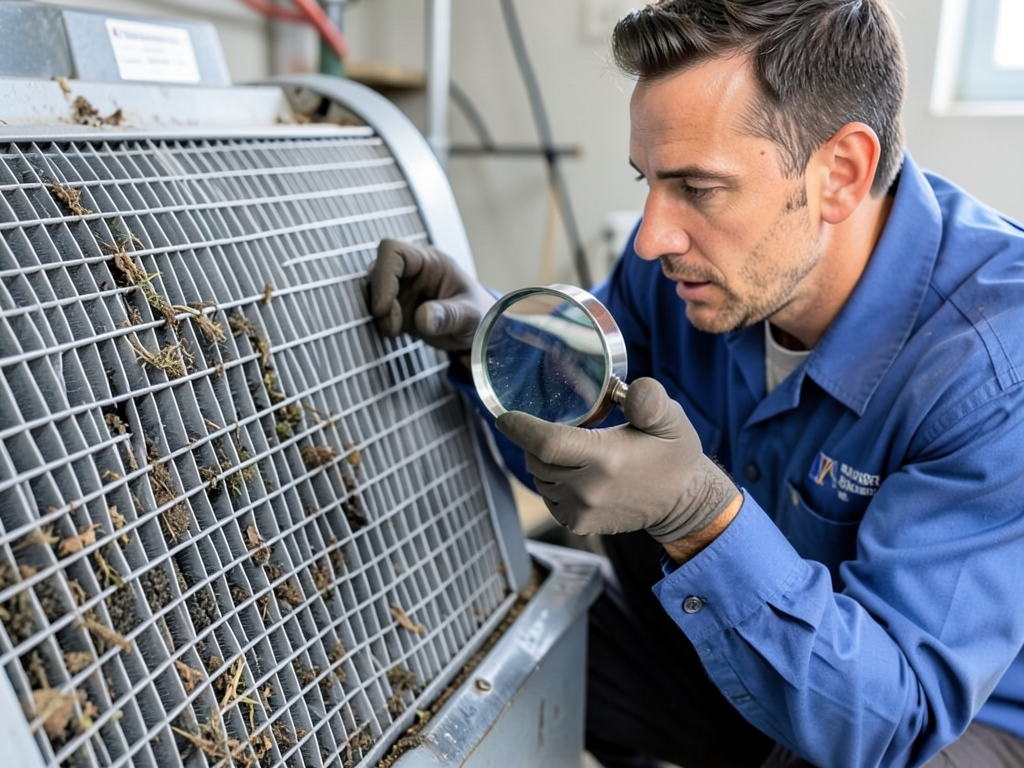
Bougainvillea also drops leaves and flowers that can accumulate inside the unit. This debris clogs the condenser coils and reduces efficiency. In Riverside’s dry climate, the organic matter can become a fire hazard when combined with the unit’s heat output. Switching to a High Efficiency Heat Pump in Riverside to Save on Monthly Energy Bills.
The California Contractors State License Board requires proper clearance around all HVAC equipment for safety and efficiency. Bougainvillea’s aggressive growth makes it difficult to maintain the required space. The thorns also pose a safety risk to technicians who need to access the unit for maintenance or repairs. Same Day Emergency AC Repair for Families in Orangecrest.
Many homeowners plant bougainvillea near their AC units without realizing the long-term consequences. The plant’s beauty comes at the cost of reduced cooling efficiency and potential system damage. Understanding these risks helps you make better landscaping choices for your Riverside home.
Proper Clearance Guidelines for AC Units in Riverside
The National Electrical Code and most HVAC manufacturers recommend specific clearance distances around outdoor units. These guidelines ensure proper airflow, safe access for technicians, and optimal system performance. Following these standards protects your investment and maintains warranty coverage.
Side clearance should be at least two feet on all sides of the unit. This allows air to circulate freely and prevents heat buildup. Top clearance requires five feet of vertical space for heat discharge. These measurements are critical in Riverside’s hot climate where every degree of efficiency matters.
Front clearance needs at least three feet for service access. Technicians need this space to remove panels, check electrical connections, and perform maintenance safely. Without adequate access, routine service becomes difficult and potentially dangerous due to the unit’s electrical components.
The ground around your AC unit should be clear of plants within the two-foot radius. This prevents debris from entering the system and allows technicians to work without obstacles. Gravel or concrete pads provide the best foundation for outdoor units in Riverside’s soil conditions.
Local building codes in Riverside County may have additional requirements for HVAC installations. Always check with your local permitting office before making changes to your landscaping near HVAC equipment. Some neighborhoods have specific rules about plant placement and unit visibility. How Much Does a New AC Installation Cost in Woodcrest Today?.
Following these clearance guidelines helps your AC system run efficiently during Riverside’s extreme summer heat. Proper spacing can extend the life of your unit by several years and reduce the frequency of repairs. The small investment in maintaining clearance pays off through lower energy bills and fewer service calls.
Safer Landscaping Alternatives for Riverside Homes
Several beautiful plants thrive in Riverside’s climate without threatening your AC unit. These alternatives provide the same visual appeal as bougainvillea while protecting your cooling system. Choosing the right plants can enhance your home’s appearance and maintain HVAC efficiency.
Lantana offers vibrant colors and grows well in our hot, dry conditions. This plant stays compact and does not climb or spread aggressively. It attracts butterflies and requires minimal water once established. Lantana works well as a border plant around patios and walkways.
Rosemary serves as both an attractive shrub and a useful herb. It grows to a manageable size and releases a pleasant fragrance when brushed against. The woody stems do not shed leaves that could clog your AC unit. Rosemary handles full sun and poor soil conditions common in Riverside.
Agave plants provide architectural interest with their striking rosette shapes. These succulents need almost no water and grow slowly, making them ideal for low-maintenance landscaping. Their rigid structure does not interfere with airflow or pose a threat to HVAC equipment.
California native plants like Cleveland sage and buckwheat attract local wildlife while requiring minimal care. These species evolved in our climate and resist pests and diseases naturally. They provide seasonal color without the aggressive growth patterns of bougainvillea.
Ornamental grasses such as blue fescue or purple fountain grass add movement and texture to your landscape. These plants stay within defined boundaries and do not produce thorns or sharp edges. They create a soft, flowing look that complements modern and traditional home styles.
Choosing the right plants for your Riverside home protects your AC investment while creating an attractive outdoor space. These alternatives provide beauty and function without the risks associated with thorny, fast-growing vines.
Creating a Maintenance-Friendly Zone Around Your AC Unit
Establishing a clear maintenance zone around your AC unit prevents many common problems. This designated area should remain free of plants, debris, and obstacles at all times. A well-maintained zone makes routine service faster and reduces the risk of accidental damage.
Start by installing a gravel or paver border around your unit. This creates a physical barrier that prevents grass and weeds from growing too close. The solid surface also provides stable footing for technicians and helps with drainage around the base of the unit.
Install a small fence or lattice screen if you want to hide the unit from view. Choose materials that allow air to pass through freely, such as open lattice or slatted wood. Keep the screen at least three feet from the unit to maintain proper clearance.
Place large potted plants at least four feet from the unit. This distance provides visual screening without restricting airflow. Use lightweight containers that can be easily moved when technicians need access. Avoid heavy ceramic pots that could damage the unit if they fall.
Keep the area around your AC unit clean by removing leaves, twigs, and other debris regularly. A shop vacuum works well for cleaning out the bottom of the unit where dirt accumulates. This simple maintenance task can prevent many common AC problems. Commercial Duct Cleaning.
Check the unit’s foundation pad periodically for settling or cracks. The concrete pad should remain level to prevent strain on refrigerant lines and electrical connections. Small adjustments early can prevent major repairs later.
Mark the maintenance zone with landscape edging or decorative rocks. This visual reminder helps family members avoid placing items too close to the unit. A clearly defined zone makes it easier to spot problems like oil leaks or unusual noises early.
Creating a maintenance-friendly zone around your AC unit takes minimal effort but provides significant benefits. This simple step protects your system and makes professional service visits more efficient.
Impact of Riverside’s Climate on AC Unit Protection
Riverside’s hot, dry summers place extra stress on air conditioning systems. Temperatures often exceed 100 degrees Fahrenheit, forcing units to work at maximum capacity for extended periods. This extreme heat makes proper airflow and clearance even more critical for system longevity.
The Santa Ana winds common in Riverside can blow debris into your AC unit. These strong, dry winds carry dust, leaves, and other particles that can clog condenser coils. Regular cleaning becomes essential during wind events to maintain system efficiency.
Riverside’s low humidity affects how heat transfers from your AC unit. In dry conditions, heat dissipates more slowly, making proper clearance even more important. The five-foot top clearance recommendation becomes critical for allowing hot air to rise and disperse effectively.
Hard water in Riverside can cause mineral buildup on AC components. When plants near your unit shed leaves or flowers, they can trap moisture and accelerate mineral deposits. This buildup reduces heat transfer efficiency and may require professional cleaning to remove.
The Inland Empire’s temperature swings between day and night can cause metal components to expand and contract. This thermal cycling stresses connections and can lead to refrigerant leaks if plants restrict airflow and cause uneven cooling. Proper spacing helps maintain consistent operating temperatures.
Wildfire risk in Riverside County makes plant selection around HVAC units especially important. Dry vegetation near your AC can become fuel during fire season. Choosing fire-resistant plants and maintaining proper clearance creates a safety buffer for your home.
Understanding how Riverside’s unique climate affects your AC system helps you make better landscaping decisions. The combination of heat, wind, and dry conditions requires extra attention to plant placement and unit protection.
Professional AC Maintenance in Riverside’s Unique Environment
Professional maintenance becomes even more important in Riverside’s challenging climate. The combination of extreme heat, dry conditions, and local plant growth creates specific risks for HVAC systems. Regular service by qualified technicians can prevent many common problems before they become expensive repairs.
During a professional maintenance visit, technicians check for signs of plant damage to fins and coils. They can identify early wear patterns that indicate airflow restrictions or debris buildup. This diagnostic expertise helps catch problems while they are still minor and inexpensive to fix.
Professional cleaning removes accumulated dust and debris that homeowners often miss. Technicians use specialized tools to clean between fins without causing damage. They also check electrical connections that may have loosened due to thermal cycling in Riverside’s temperature extremes.
Refrigerant level checks are crucial in our climate where units run almost continuously during summer. Low refrigerant levels force the system to work harder and can cause compressor failure. Professional technicians have the equipment to test levels accurately and recharge systems if needed.
Electrical component testing ensures your system can handle Riverside’s high summer loads. Capacitors, contactors, and motors face extra stress during extended heat waves. Early replacement of failing components prevents emergency breakdowns during the hottest days of the year.
Many Riverside homeowners schedule maintenance in early spring before the cooling season begins. This timing allows technicians to address any issues before the system faces its heaviest workload. It also provides peace of mind heading into the extreme heat of summer.
Professional maintenance contracts often include priority service and discounts on repairs. This can be valuable during heat waves when service demand spikes and wait times increase. Regular professional care extends system life and maintains efficiency in Riverside’s demanding climate.
Cost Benefits of Proper AC Landscaping
Protecting your AC unit through proper landscaping can save hundreds of dollars annually. Restricted airflow forces your system to run longer cycles, increasing electricity consumption. Improving airflow through proper plant placement can reduce cooling costs by 10 to 15 percent.
Preventing damage to condenser fins eliminates expensive repair bills. Replacing damaged fins on a typical AC unit costs between $300 and $600. The thorns from bougainvillea can cause multiple punctures, potentially requiring complete coil replacement at $1,000 to $1,500.
Extending your AC system’s lifespan through proper maintenance saves the cost of premature replacement. A well-maintained unit lasts 15 to 20 years, while neglected systems often fail after 10 to 12 years. This difference can mean avoiding a $4,000 to $8,000 replacement cost.
Reducing repair frequency lowers your total cost of ownership. Systems with proper clearance and airflow experience fewer breakdowns during peak cooling season. Emergency repair calls during heat waves often include premium charges and longer wait times.
Maintaining warranty coverage protects you from unexpected repair costs. Many manufacturers require specific clearance and maintenance standards to keep warranties valid. Violating these requirements by allowing plants to grow too close can void coverage.
Energy efficiency improvements from proper landscaping benefit the environment as well as your wallet. Lower electricity consumption reduces your carbon footprint and helps manage Riverside’s peak energy demand during summer heat waves.
The small investment in proper landscaping and maintenance pays for itself through lower utility bills and fewer repairs. Protecting your AC unit from harmful plants like bougainvillea is one of the most cost-effective home maintenance decisions you can make.
Emergency AC Repair: When Landscaping Goes Wrong
Sometimes homeowners discover AC problems only when the system stops working completely. This often happens on the hottest days of summer when the unit has been struggling for weeks or months. Understanding the signs of landscaping-related damage can help you avoid emergency situations.
Unusual noises from your AC unit may indicate debris in the fan or damaged components. A grinding sound often means something is interfering with the fan blades. This requires immediate attention to prevent further damage to the motor or other parts.
Reduced cooling capacity is another warning sign. If your home feels warmer than usual or the AC runs constantly without reaching the set temperature, restricted airflow may be the cause. This often results from plants growing too close to the unit and blocking ventilation.
Ice formation on refrigerant lines or the evaporator coil indicates a serious problem. This can occur when airflow is restricted and the system cannot release heat properly. Continuing to run the AC in this condition can cause compressor failure, a very expensive repair.
Water leaks around the base of your unit may signal drainage problems caused by debris buildup. When the condensate drain line clogs with plant material, water backs up and can damage electrical components. This creates both efficiency and safety issues.
Strange odors coming from your AC vents might indicate mold growth in the system. This can happen when organic debris accumulates inside the unit and creates a moist environment. Mold not only reduces efficiency but can also affect indoor air quality.
If you notice any of these warning signs, turn off your AC immediately and call for professional service. Continuing to run a damaged system often leads to more expensive repairs. Quick action can mean the difference between a simple cleaning and a major component replacement.
Emergency AC repair in Riverside typically costs 25 to 50 percent more than scheduled service. The combination of high demand during heat waves and urgent timing drives up prices. Preventing emergencies through proper landscaping and maintenance saves both money and stress.
Creating a Beautiful and Safe Outdoor Space
Your outdoor area can be both beautiful and functional with the right planning. Many homeowners want to hide their AC units for aesthetic reasons, but this must be done carefully to avoid creating new problems. Thoughtful design can achieve both goals effectively.
Decorative screens made from powder-coated aluminum provide excellent airflow while hiding the unit. These screens come in various patterns and colors to complement your home’s style. They are durable, require no maintenance, and can be easily removed for service access.
Strategic plant placement creates visual barriers without interfering with the AC. Tall, narrow plants like clumping bamboo or certain ornamental grasses can screen the unit from view when planted at the correct distance. Always maintain the required clearance on all sides.
Hardscaping elements like decorative walls or raised planters can define the space around your AC unit. These structures can incorporate storage for gardening tools or outdoor cushions while keeping the area organized. Choose materials that complement your home’s architecture and allow for proper drainage.
Lighting can enhance both the appearance and functionality of your outdoor space. Low-voltage landscape lighting can highlight architectural features while providing safe access to the AC unit at night. Solar-powered lights offer an energy-efficient option that requires no wiring.
Water features near your AC unit require special consideration. The moisture from fountains or ponds can affect the unit’s operation and create additional maintenance needs. Keep water features at least six feet from the unit to prevent moisture-related problems.
Creating distinct zones in your yard helps organize the space effectively. Designate areas for entertaining, gardening, and utility equipment like your AC unit. This planning approach ensures each area serves its purpose without interfering with others.
A beautiful outdoor space enhances your home’s value and your quality of life. With proper planning, you can achieve an attractive landscape that protects your AC investment and provides years of trouble-free operation.
Frequently Asked Questions
How close can I plant bougainvillea to my AC unit?
Keep all plants at least three feet from your AC unit on all sides. Bougainvillea should be planted even farther away due to its aggressive growth and sharp thorns. The two-foot minimum clearance recommended by manufacturers is not sufficient for this vigorous vine.
What are the signs my AC is being damaged by nearby plants?
Watch for reduced cooling capacity, unusual noises, ice formation on lines, water leaks around the base, and higher than normal energy bills. These symptoms often indicate restricted airflow or debris buildup caused by nearby vegetation.
Can I build a fence around my AC unit to hide it?
Yes, but maintain at least three feet of clearance on all sides and five feet above the unit. Use open materials like lattice or slatted wood that allow air to pass through freely. The fence should be easily removable for technician access.
How often should I clean around my AC unit?
Check the area monthly during cooling season and remove any debris. A thorough cleaning by a professional technician should be done annually, preferably in early spring before heavy usage begins.
Will trimming bougainvillea near my AC help?
Regular trimming helps but may not be enough. Bougainvillea grows back quickly and the thorns make maintenance difficult and potentially dangerous. Complete removal and replacement with safer plants is often the best long-term solution.
What ground cover is safe to use around AC units?
Gravel, decorative rock, or concrete pavers work best. These materials do not shed debris, provide good drainage, and create a stable surface for technicians. Avoid organic mulches that can be blown into the unit by wind.
How does Riverside’s heat affect AC clearance requirements?
Our extreme temperatures make proper clearance even more critical. The five-foot top clearance recommendation becomes essential for allowing hot air to rise and disperse effectively. Restricted airflow in our climate can reduce efficiency by 20 percent or more.
Should I turn off my AC if I suspect plant damage?
Yes, turn off the system immediately if you notice reduced cooling, unusual noises, or ice formation. Continuing to run a damaged unit can cause expensive compressor failure. Call a professional technician to inspect the system before turning it back on.
How much can proper landscaping save on cooling costs?
Improving airflow through proper plant placement can reduce cooling costs by 10 to 15 percent. This savings adds up to hundreds of dollars annually while also extending your system’s lifespan and reducing repair needs.
Is professional maintenance really necessary for AC units?
Yes, professional maintenance is essential in Riverside’s climate. Technicians can identify problems early, clean areas homeowners cannot reach, and ensure your system operates at peak efficiency. Annual professional service typically pays for itself through energy savings and prevented repairs.
Protect Your AC Investment Today
Your air conditioning system represents a significant investment in your home’s comfort and value. Protecting it from harmful plants like bougainvillea is one of the simplest ways to ensure reliable performance for years to come. The small changes we have discussed can prevent expensive repairs and extend your system’s life. Reliable Furnace Repair in Riverside to Keep Your Family Warm This Winter.
Take a few minutes today to inspect the area around your AC unit. Look for any plants growing too close, debris accumulation, or signs of restricted airflow. If you notice any problems, address them promptly to prevent further damage.
For professional AC maintenance, repair, or replacement in Riverside, call (951) 223-9644 today. Our experienced technicians understand the unique challenges of our local climate and can help you protect your cooling system while maintaining an attractive landscape. Don’t wait until your AC fails on the hottest day of the year.
Proper landscaping around your AC unit is not just about aesthetics. It is about protecting your investment, reducing energy costs, and ensuring your family stays comfortable during Riverside’s extreme summer heat. Make the smart choice for your home and your wallet today.
Remember that professional maintenance is your best defense against unexpected breakdowns. Schedule your annual AC service now to catch problems early and keep your system running efficiently all summer long. Your comfort and peace of mind are worth the small investment in proper care.
Call (951) 223-9644 today to schedule your AC inspection or maintenance service. Our team is ready to help you create a beautiful, safe outdoor space that protects your cooling system and enhances your home’s value.