How High Ozone Days in the Inland Empire Affect Your Home Indoor Air Quality
When the South Coast Air Quality Management District issues an ozone alert for Riverside County, the air outside becomes a health hazard. But what many homeowners don’t realize is that these harmful gases don’t stay outdoors. Ozone from vehicle emissions and industrial activity seeps through your home’s envelope, reacts with indoor materials, and creates a cocktail of pollutants that can trigger asthma, irritate lungs, and degrade your HVAC system’s efficiency. Understanding this invisible threat is the first step to protecting your family. Switching to a High Efficiency Heat Pump in Riverside to Save on Monthly Energy Bills.
What is Ozone and Why is it in Your Home?
Ground-level ozone is a molecule made of three oxygen atoms (O₃) that forms when nitrogen oxides and volatile organic compounds react in sunlight. Unlike the protective ozone layer high in the atmosphere, ground-level ozone is harmful to breathe. In Riverside’s inland basin, warm temperatures and sunlight create perfect conditions for ozone formation, especially during summer afternoons.
Your home isn’t airtight. Small gaps around windows, doors, and your HVAC system allow outdoor air to infiltrate. During high ozone days, this contaminated air enters your living space where it can react with common household items like air fresheners, cleaning products, and even certain types of furniture. Commercial Duct Cleaning.
Certain indoor appliances can also produce ozone. Some ionic air purifiers, ozone generators marketed for odor removal, and even laser printers emit ozone as a byproduct. When outdoor ozone levels are already high, these indoor sources compound the problem.
Health Risks: How Ozone Affects Your Respiratory System
EPA studies show that ozone exposure causes inflammation and damage to the airways. When you breathe ozone-polluted air, it can cause coughing, throat irritation, and chest tightness. For people with asthma, COPD, or other respiratory conditions, ozone can trigger severe attacks and reduce lung function. EPA Ground-Level Ozone Information.
Children and older adults are particularly vulnerable. Children breathe more air per pound of body weight than adults, and their respiratory systems are still developing. Older adults often have pre-existing heart or lung conditions that ozone can worsen.
Long-term exposure to elevated ozone levels has been linked to reduced lung function growth in children and accelerated decline in lung function in adults. The California Air Resources Board has established strict ozone standards because of these documented health impacts. California Air Resources Board Ozone Facts.
The Riverside Context: Why Inland Empire Air is Unique
Riverside County sits in a geographic bowl formed by surrounding mountains. This topography traps pollutants from Los Angeles, Orange County, and the Inland Empire’s own vehicle traffic. During summer, thermal inversions prevent the natural mixing of air, causing pollutants to accumulate at ground level.
The South Coast Air Quality Management District reports that Riverside frequently exceeds federal ozone standards, with unhealthy air quality days occurring most often between May and October. The area around March Air Reserve Base and the 91 Freeway corridor often records the highest readings.
Local vegetation also plays a role. The combination of urban emissions and natural volatile organic compounds from trees creates a chemical reaction that produces more ozone than either source would alone. This “photochemical smog” is particularly problematic in Riverside’s hot, dry summers.
How to Test and Reduce Ozone Levels Indoors
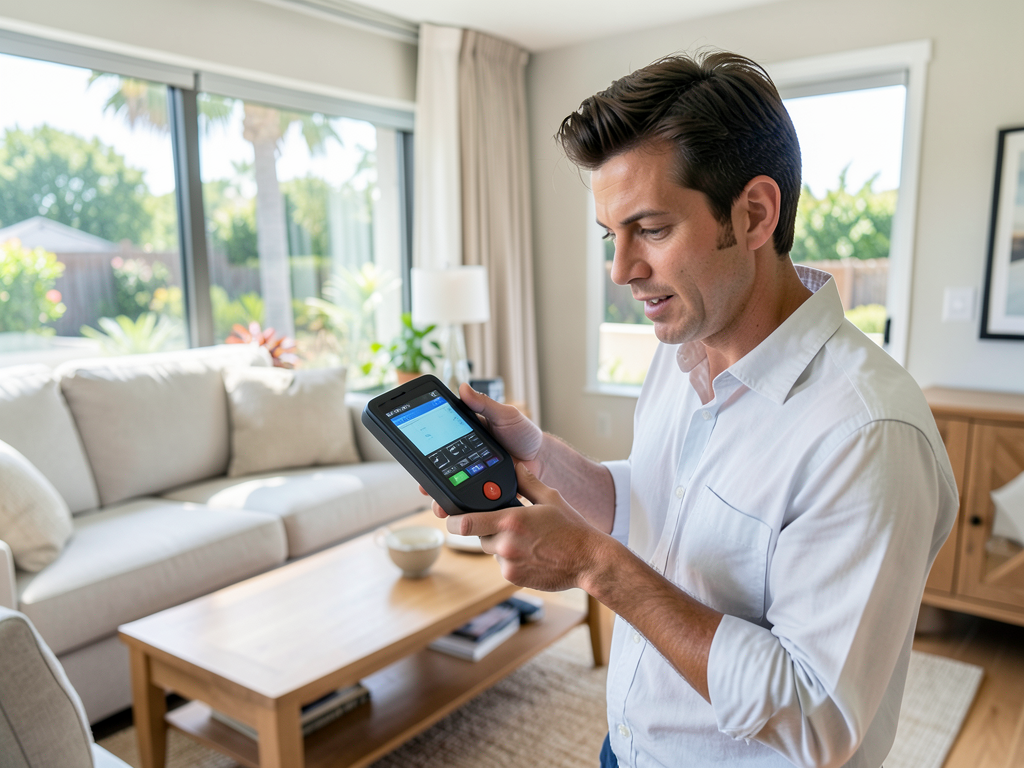
Testing indoor air quality requires specialized equipment. Professional IAQ monitors can detect ozone levels as low as 0.001 parts per million. These devices also measure particulate matter, volatile organic compounds, and carbon dioxide, giving you a complete picture of your home’s air quality.
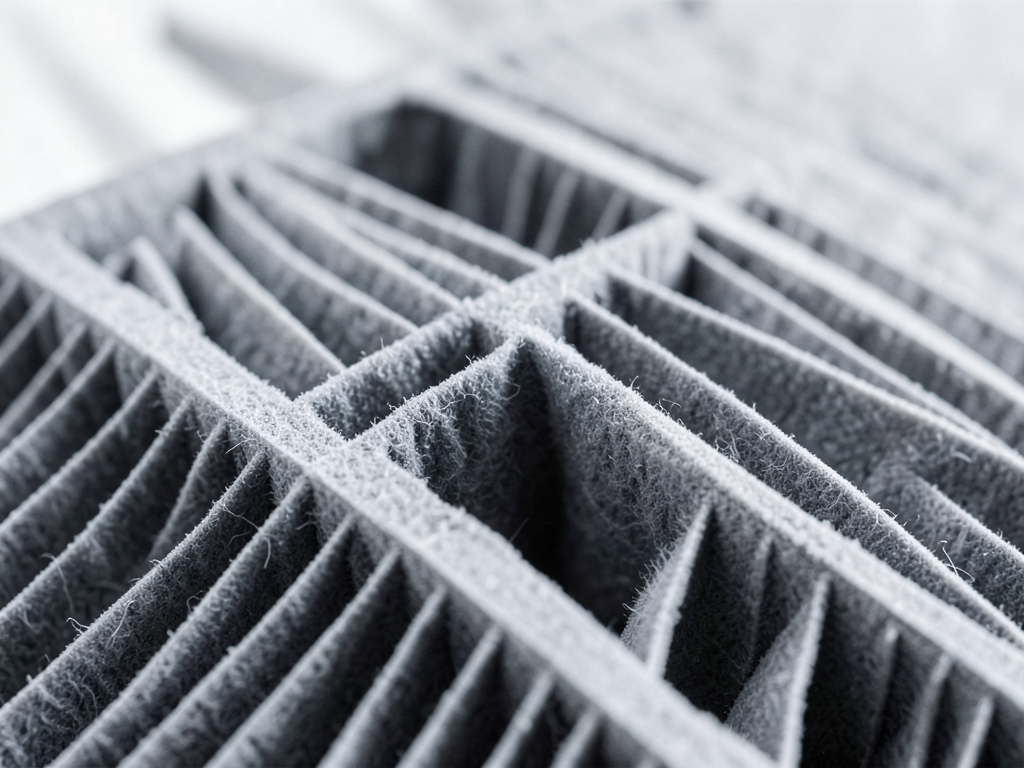
The most effective way to reduce indoor ozone is through proper filtration. Standard HVAC filters capture dust and pollen but allow ozone molecules to pass through. High-efficiency activated carbon filters can absorb ozone before it circulates through your home.
Mechanical ventilation systems with heat recovery (ERVs) or energy recovery ventilators (HRVs) can help by bringing in filtered outdoor air while exhausting stale indoor air. During high ozone days, these systems should be equipped with carbon filtration stages.
Avoid using ozone-generating air cleaners. The EPA and CARB specifically warn against these devices because they can produce harmful levels of ozone indoors. Instead, look for CARB-certified air purifiers that use HEPA filtration combined with activated carbon.
Professional IAQ Solutions for Riverside Residents
Horizon HVAC Riverside offers comprehensive indoor air quality assessments that include ozone testing and HVAC system evaluation. Our technicians use industrial-grade monitoring equipment to identify sources of indoor pollution and recommend specific solutions.
UV-C light installation in your HVAC system can neutralize biological contaminants and reduce the formation of secondary pollutants when ozone reacts with indoor materials. When combined with proper filtration, this technology creates a multi-layered defense against poor air quality. How Much Does a New AC Installation Cost in Woodcrest Today?.
Regular HVAC maintenance is crucial during ozone season. Dirty coils and clogged filters reduce your system’s ability to filter incoming air. Our maintenance service includes coil cleaning, filter replacement with appropriate MERV ratings, and inspection of all ventilation components.
For homes in areas with persistent air quality issues, we recommend whole-house air purification systems that integrate with your existing HVAC. These systems can remove up to 99% of airborne particles, including ozone molecules, while maintaining proper airflow and energy efficiency.
Frequently Asked Questions
How can I tell if my home has high ozone levels?
You typically can’t smell or see ozone at harmful levels. The best way to know is to use an indoor air quality monitor or schedule a professional assessment. Symptoms like throat irritation, coughing, or breathing difficulty during high outdoor ozone days may indicate elevated indoor levels.
Are HEPA filters enough to remove ozone from indoor air?
No. HEPA filters are excellent for capturing particles but cannot trap gas molecules like ozone. You need activated carbon or other specialized gas-phase filtration media to effectively remove ozone from indoor air.
Should I keep my windows closed on high ozone days?
Yes, keeping windows and doors closed helps prevent outdoor ozone from entering your home. However, this also traps indoor pollutants, so proper mechanical ventilation with filtration becomes even more important.
How often should I replace my HVAC filters during ozone season?
During peak ozone season (May through October), replace standard filters every 30-45 days and activated carbon filters every 60-90 days. Homes near busy roads or industrial areas may need more frequent replacement.
Can my air conditioner make indoor air quality worse?
If your AC system isn’t properly maintained, it can contribute to poor indoor air quality. Dirty coils, clogged filters, and ductwork leaks can all reduce filtration effectiveness and allow contaminants to circulate.
Take Control of Your Indoor Air Quality Today
Don’t let Riverside’s high ozone days compromise your family’s health. Our certified technicians understand the unique air quality challenges facing Inland Empire residents and can design a system that protects your home year-round. Call (951) 223-9644 today to schedule your indoor air quality assessment. We’ll test your current levels, inspect your HVAC system, and recommend proven solutions that fit your home and budget. Your family deserves to breathe clean, healthy air every day.