
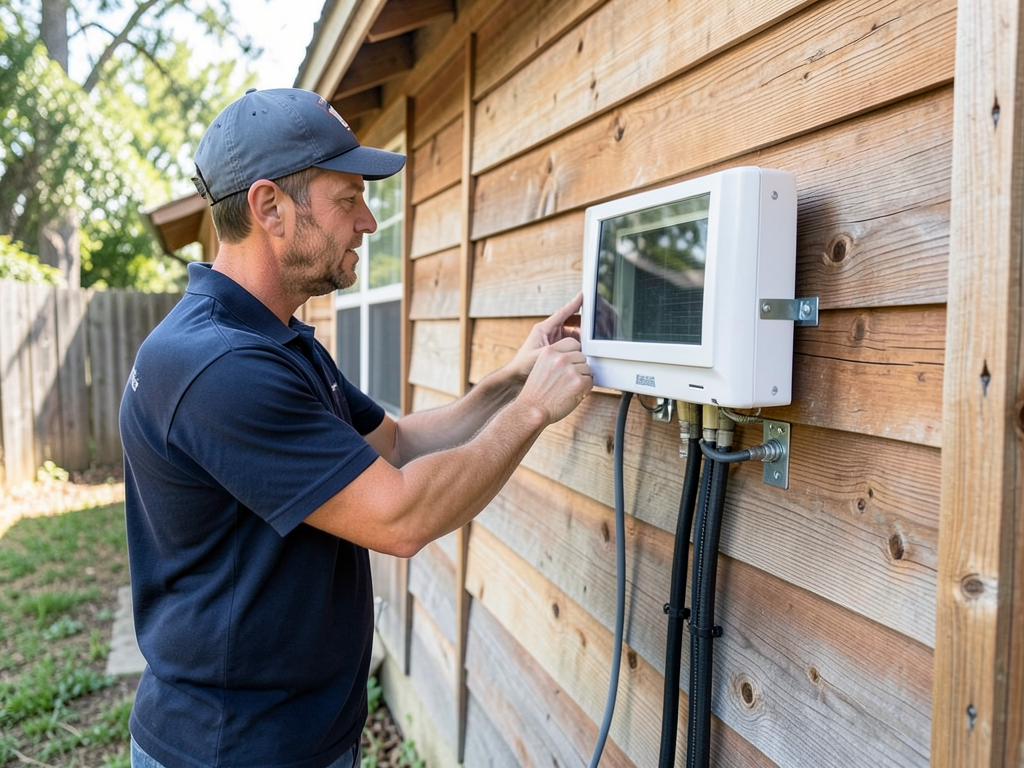
Heating and Cooling Solutions for New Man Caves and She Sheds in Riverside
Your new backyard retreat deserves more than just four walls and a roof. In Riverside’s scorching summers and mild winters, a detached shed quickly becomes unusable without proper climate control. Whether you’re converting a simple storage shed into a home office, hobby space, or entertainment zone, the Inland Empire heat will turn it into an oven by July. This guide covers everything Riverside residents need to know about keeping your man cave or she shed comfortable year-round.
The first step is understanding why standard solutions fail in our climate. Riverside’s Mediterranean conditions mean summer highs regularly exceed 100°F, with Santa Ana winds bringing dust and debris that clog basic window units. A typical portable AC struggles to maintain 75°F when outdoor temperatures hit 105°F, and the constant cycling wears out compressors in months rather than years. Your shed needs equipment sized specifically for Riverside’s heat load, proper insulation to prevent energy waste, and electrical capacity that meets local building standards.
The Riverside Challenge: Heat, Dust, and Humidity
Riverside’s climate creates unique challenges for detached structures. The inland location means less coastal cooling and more extreme temperature swings. A metal shed in Riverside’s 92503 zip code can reach 120°F inside during July afternoons, while a wooden structure might hit 110°F. The Santa Ana winds that sweep through the region carry fine dust particles that settle on condenser coils and reduce efficiency by up to 30%. Switching to a High Efficiency Heat Pump in Riverside to Save on Monthly Energy Bills.
Humidity levels in Riverside typically stay between 20-40% during summer, which seems low but creates condensation problems when cool air meets warm surfaces. Without proper vapor barriers, you’ll get moisture accumulation that leads to mold growth and wood rot. The University of California, Riverside campus experiences these same conditions, which is why their research buildings use specialized climate control systems designed for our specific environmental challenges. California Title 24 Energy Standards.
Top 4 Solutions for Shed Climate Control
Choosing the right system depends on your shed size, usage patterns, and budget. Here’s how the main options compare for Riverside conditions:
| System Type | Best For | Riverside Performance | Installation Complexity |
|---|---|---|---|
| Ductless Mini-Split | Year-round use, 100-400 sq ft | Excellent (SEER2 22+) | Moderate (requires 240V) |
| Through-the-Wall AC | Seasonal cooling only | Fair (struggles >95°F) | Easy |
| Portable Heat Pump | Temporary/rental spaces | Poor in Riverside heat | Very Easy |
| Ventilation Fan | Air exchange only | Limited cooling effect | Very Easy |
Ductless mini-splits dominate for Riverside sheds because they handle our extreme heat while providing heating for cool winter mornings. A 12,000 BTU unit typically handles 400-450 square feet in our climate, compared to 550 square feet in milder regions. The inverter technology maintains consistent temperatures without the energy spikes of traditional AC units. Why Ductless Mini Splits are the Best Cooling Solution for Woodcrest Guest Houses.
The Role of Insulation and Vapor Barriers
Without proper insulation, even the best HVAC system wastes energy fighting Riverside’s heat. For shed walls, R-13 fiberglass batts work for 2×4 construction, while R-15 provides better performance in 2×6 walls. The roof needs R-30 minimum since heat rises and Riverside’s sun beats down directly on shed roofs.
Vapor barriers prevent condensation that damages equipment and creates musty odors. In Riverside’s dry climate, a Class II vapor retarder on the warm side of insulation prevents moisture migration. Pay special attention to the floor if your shed sits on concrete—a vapor barrier under the flooring prevents ground moisture from creating that cold, damp feeling in winter.
Local building codes in Riverside County require permits for electrical work in detached structures. The California Energy Commission’s Title 24 standards, which went into effect in 2022, mandate specific insulation levels for new construction and major renovations. Even for a simple shed conversion, meeting these standards prevents costly retrofits later.
Electrical Requirements and Riverside Building Codes
Most shed HVAC systems need dedicated 240V circuits. A typical mini-split requires a 20-amp breaker, while larger units need 30-amp service. Your existing shed outlet likely provides only 120V at 15-20 amps—insufficient for modern cooling equipment.
Riverside County requires mechanical permits for HVAC installations, even in detached structures. The permit process ensures proper refrigerant handling and electrical safety. Southern California Edison’s service area covers Riverside, and their guidelines specify minimum wire gauges for underground runs to detached buildings. For runs over 50 feet, you’ll need larger gauge wire to prevent voltage drop. Southern California Edison Service Guidelines.
Grounding is critical in Riverside’s sandy soil conditions. The high mineral content in our soil can cause corrosion on metal components if not properly grounded. A licensed electrician will install a grounding rod and ensure your shed’s electrical system meets NEC Article 250 requirements for safe operation.
Cost-Benefit Analysis and Local Rebates
Professional mini-split installation in Riverside typically costs $2,800-$4,500 for a 12,000 BTU system, including electrical work and permits. DIY portable units start around $400 but often fail within one summer in our climate. The energy savings from a SEER2-rated mini-split can offset the higher initial cost within 2-3 years. How Much Does a New AC Installation Cost in Woodcrest Today?.
Riverside Public Utilities offers rebates for high-efficiency HVAC equipment. Current programs provide up to $300 for SEER2-rated mini-splits installed in 2026. Southern California Edison also offers time-of-use rates that make running your shed’s AC during off-peak hours more economical.
Consider the cost of replacing electronics, documents, or hobby equipment damaged by heat and humidity. A climate-controlled shed protects these investments while making the space usable year-round. For home office sheds, the productivity gains from a comfortable workspace often justify the investment within the first year.
BTU Sizing Calculator for Riverside Sheds
Proper sizing prevents short cycling and ensures comfort. Use this simplified calculator for Riverside conditions:
- Base BTU = Square footage × 25
- Add 1,000 BTU for each window
- Add 500 BTU for direct sun exposure
- Add 2,000 BTU if the shed has a metal roof
For example, a 200-square-foot wooden shed with one window and partial shade: 200 × 25 = 5,000 + 1,000 + 0 + 0 = 6,000 BTU minimum. In Riverside’s heat, round up to the next standard size (9,000 BTU) for reliable performance. Reliable Furnace Repair in Riverside to Keep Your Family Warm This Winter.
Maintenance for High-Dust Environments
Riverside’s dust and pollen require more frequent filter changes than standard recommendations. Check your mini-split’s air filter monthly during summer, cleaning or replacing as needed. The fine particulate matter from Santa Ana winds can clog filters in as little as three weeks.
Condenser coils need annual cleaning to maintain efficiency. Riverside’s mineral-rich water leaves deposits that reduce heat transfer. A professional cleaning each spring before summer heat arrives keeps your system running at peak efficiency when you need it most.
Check refrigerant lines annually for UV damage. Riverside’s intense sun degrades insulation over time, leading to efficiency losses and potential system damage. Look for cracked or brittle insulation and replace it before summer begins.
Solar-Powered Ventilation Options
For sheds without electrical service, solar-powered ventilation provides cooling without wiring. A 100-watt solar panel can power a 12-volt exhaust fan that removes hot air during the day. While not as effective as refrigerated cooling, this approach can lower shed temperatures by 15-20°F.
Combine solar ventilation with reflective roof coating to maximize cooling. White elastomeric roof coatings reflect up to 90% of solar radiation, significantly reducing heat gain. This passive approach works well for storage sheds where temperature control matters but isn’t critical.
Smart Controls for Energy Efficiency
Modern mini-splits offer Wi-Fi controls that let you monitor and adjust settings from your smartphone. In Riverside, this means you can cool the shed before you arrive home without running the system all day. Smart thermostats learn your patterns and optimize run times for our specific climate.
Some systems integrate with home automation platforms, allowing coordinated operation with whole-house systems. This prevents conflicts between your main AC and shed cooling, ensuring neither system wastes energy fighting the other.
Choosing the Right Contractor in Riverside
Not all HVAC contractors understand Riverside’s unique challenges. Look for technicians familiar with Inland Empire building codes and SCE’s service requirements. Ask about experience with detached structure installations and request references from similar projects in your area.
A quality installation includes proper refrigerant charging for our high-ambient temperatures, correct electrical sizing for your shed’s load, and compliance with all local permit requirements. The cheapest bid often cuts corners that cost more in repairs and inefficiency later. Same Day Emergency AC Repair for Families in Orangecrest.
Final Considerations for Your Riverside Retreat
Climate control transforms a basic shed into a true extension of your living space. In Riverside’s extreme heat, this isn’t a luxury—it’s what makes your man cave or she shed usable for more than a few months each year. The right system protects your investment in the structure and everything inside it.
Consider future needs when planning your installation. If you might convert the space to a guest room or home office later, invest in a system with adequate capacity and proper permits. Retrofitting later often costs more than doing it right the first time.
Your backyard retreat should be a place of comfort and creativity, not a hotbox that sits unused half the year. With proper planning and the right equipment, your Riverside man cave or she shed can become your favorite room in the house—no matter what the thermometer reads outside.
Frequently Asked Questions
What size mini-split do I need for a 200-square-foot shed in Riverside?
For a 200-square-foot shed in Riverside, you need at least a 9,000 BTU mini-split. Our extreme heat means you should round up from the standard calculation to ensure reliable cooling when temperatures exceed 100°F.
Do I need a permit to install HVAC in a detached shed in Riverside?
Yes, Riverside County requires mechanical permits for HVAC installations in detached structures. This ensures proper refrigerant handling, electrical safety, and compliance with California Title 24 energy standards.
How often should I clean filters in Riverside’s dusty climate?
Check your mini-split filters monthly during summer in Riverside. The Santa Ana winds and local dust can clog filters in as little as three weeks, reducing efficiency by up to 30%.
Can I use a portable AC unit in my Riverside shed?
Portable units struggle in Riverside’s extreme heat, often failing to maintain comfortable temperatures when outdoor readings exceed 95°F. They also require frequent draining in our low-humidity climate and typically last only one or two seasons.
What’s the most energy-efficient option for a Riverside shed?
Ductless mini-splits with SEER2 ratings of 20+ provide the best efficiency in Riverside. They use inverter technology to maintain consistent temperatures without the energy spikes of traditional AC units, often cutting cooling costs by 30-40% compared to window units.
Ready to make your backyard retreat comfortable year-round? Call (951) 223-9644 today to schedule your inspection. Our Riverside HVAC experts understand exactly what your man cave or she shed needs to beat the Inland Empire heat.
Don’t wait until summer hits—pick up the phone and call (951) 223-9644 before the next heat wave makes your shed unusable. We’ll help you choose the perfect climate control solution for your specific needs and budget.