The Essential HVAC Checklist for Off-Campus Student Housing Near UCR
Living in Riverside’s Inland Empire means dealing with summer temperatures that regularly climb above 100 degrees. For students renting off-campus housing near UC Riverside, a working air conditioner isn’t a luxury—it’s a necessity for academic success and basic comfort. This comprehensive checklist helps landlords and tenants understand HVAC responsibilities, maintenance schedules, and when to call for emergency repairs. Same Day Emergency AC Repair for Families in Orangecrest.
Understanding HVAC Responsibilities in California Rentals
California law requires landlords to provide habitable living conditions, which includes functioning heating and cooling systems in areas where extreme temperatures occur. The California Civil Code Section 1941.1 establishes that rental properties must maintain systems that provide adequate climate control. For Riverside rentals, this typically means a working air conditioner during summer months. California Civil Code Section 1941.1.
Tenants have responsibilities too. Most rental agreements require tenants to change air filters monthly and report issues promptly. When students move into older homes near the UCR campus, they often inherit systems that haven’t been properly maintained. This checklist helps both parties understand their roles.
Common HVAC Issues in Riverside Student Housing
Student rentals near UCR face unique challenges. Many homes in the University neighborhood were built in the 1950s-1970s and still have their original HVAC equipment. These systems weren’t designed for today’s cooling demands or the Inland Empire’s increasingly hot summers.
The most frequent problems we see include:
- Clogged condensate drains causing water damage to ceilings and walls
- Failed capacitors in older units struggling with high startup loads
- Refrigerant leaks in systems that haven’t been properly charged in years
- Thermostat wiring issues from previous tenant modifications
Students often report their AC blowing warm air during finals week—right when they need cooling most. This timing isn’t coincidental. Systems under maximum stress during heat waves are most likely to fail.
Seasonal Maintenance Timeline for UCR Property Managers
Property managers overseeing multiple student rentals should follow this seasonal schedule to prevent emergency calls and extend equipment life.
- Early Spring (March-April)
Schedule professional inspection and tune-up. Clean condenser coils, check refrigerant levels, and test all electrical components before summer heat arrives.
- Late Spring (May)
Replace air filters and test thermostat operation. This is when students begin moving in for summer sessions.
- Early Summer (June)
Verify condensate drain lines are clear. Install float switches on systems prone to overflow.
- Peak Summer (July-August)
Monitor systems during heat waves. Keep emergency contact information readily available for tenants.
- Fall (September-October)
Clean outdoor units of debris. Check for rodent damage during cooler months.
- Winter (November-January)
Test heating function if applicable. Check insulation on exposed refrigerant lines.
The Move-Out/Move-In HVAC Inspection Checklist
This inspection checklist protects both landlords and tenants during the critical transition period between renters.
| Inspection Item | Pass/Fail Criteria | Notes |
|---|---|---|
| Air filter condition | Clean or recently replaced | Document filter size and type |
| Condensate drain flow | Water flows freely when tested | Check for algae buildup |
| Thermostat operation | Achieves set temperature within 15 minutes | Test both cooling and heating modes |
| Refrigerant lines | No visible damage or oil stains | Check insulation integrity |
| Electrical connections | Secure with no corrosion | Check for proper voltage |
| Condenser fan operation | Spins freely with no unusual noise | Listen for bearing wear |
| Airflow from vents | Strong and consistent throughout home | Check for blocked registers |
Document all findings with photos. This protects both parties if disputes arise later about system condition.
Emergency Repair Services Near UCR Campus
When student housing AC fails during a Riverside heat wave, response time matters. The 92507 and 92521 zip codes around UCR experience some of the highest emergency HVAC call volumes in Riverside County during July and August.
Common emergency scenarios include:
- Complete system shutdown during heat waves (typically when outdoor temps exceed 105°F)
- Water leaking from ceiling or wall registers
- AC blowing warm air despite thermostat being set correctly
- Strange noises from outdoor condenser unit
Emergency repairs require different diagnostic approaches than routine maintenance. Technicians must work quickly while maintaining diagnostic accuracy. We carry common failure parts on our trucks to complete most repairs in a single visit.
Students should know that attempting DIY repairs on HVAC systems can be dangerous and may violate rental agreements. Always contact your landlord first, then call for professional service if needed.
Partnering with Riverside Property Management for Long-Term HVAC ROI
Property managers who invest in preventative maintenance see significant returns. A well-maintained HVAC system in a student rental typically lasts 15-20 years, while neglected systems often fail before reaching 10 years of service.
The cost-benefit analysis is straightforward:
| Maintenance Approach | Annual Cost | System Life | Total 10-Year Cost |
|---|---|---|---|
| Preventative Maintenance | $250-400 | 15-20 years | $2,500-4,000 |
| Reactive Repairs Only | $800-1,500 | 7-10 years | $8,000-15,000 |
Beyond cost savings, preventative maintenance reduces emergency calls during peak rental seasons and keeps tenants satisfied. Happy students mean fewer complaints and faster lease renewals.
Property managers should also consider energy efficiency upgrades. California Title 24 energy standards continue to evolve, and older systems in student housing often operate at 60-70% efficiency compared to modern units at 80-95% efficiency. California Title 24 energy standards.
Student Housing HVAC: What Every Renter Should Know
Students moving into off-campus housing should inspect HVAC systems before signing leases. Here’s what to check:
- Test the system by setting thermostat to cooling and waiting 10-15 minutes
- Check air vents for dust buildup and proper airflow
- Ask about filter change schedules and who’s responsible
- Look for water stains around vents or near the indoor unit
- Listen for unusual noises when the system starts up
Document any existing issues with photos before moving in. This protects you from being blamed for pre-existing problems when you move out.
Students should also understand their rights. If your AC fails during extreme heat and your landlord doesn’t respond promptly, you may have grounds to arrange repairs and deduct the cost from rent under California Civil Code Section 1942. Keep all documentation of repair requests and temperatures.
Energy Efficiency Tips for Student Rentals
Students can reduce energy costs and HVAC strain with these simple practices:
- Change air filters monthly (even if landlord provides them)
- Keep blinds closed during peak sun hours
- Don’t block air vents with furniture or belongings
- Use ceiling fans to circulate cooled air
- Set thermostats to 78°F when home and 85°F when away
These habits not only save money but also reduce the likelihood of system failures during critical study periods.
Choosing the Right HVAC Service for Student Housing
Not all HVAC companies are equipped to handle student housing needs. Look for providers who:
- Offer 24/7 emergency service in Riverside
- Understand California tenant laws and rental regulations
- Provide clear documentation of all work performed
- Carry proper licensing and insurance for California operations
- Have experience with older homes common in the University neighborhood
Local experience matters. A company familiar with UCR off-campus housing understands the unique challenges of older systems in Riverside’s climate.
Frequently Asked Questions
How often should air filters be changed in student rentals?
Air filters should be changed every 30 days in student housing. The high occupancy and frequent door openings in shared housing create more dust and debris than single-family homes.
What temperature should I set my thermostat to in Riverside?
Set your thermostat to 78°F when home and 85°F when away. This balances comfort with energy efficiency and reduces strain on older systems common in student housing. Switching to a High Efficiency Heat Pump in Riverside to Save on Monthly Energy Bills.
Who pays for HVAC repairs in off-campus student housing?
Landlords are responsible for repairs needed due to normal wear and tear. Tenants may be responsible for damage caused by negligence or failure to perform basic maintenance like filter changes.
How long should I wait for emergency HVAC repairs?
During heat waves, emergency repairs should be completed within 24 hours. Document all communication with your landlord about repair requests and response times.
Can I install a window unit if my central AC isn’t working?
Check your rental agreement first. Many landlords prohibit window units due to electrical load concerns and potential damage to window frames. Always get permission before making modifications.
[IMAGE_PLACEHOVER_1]
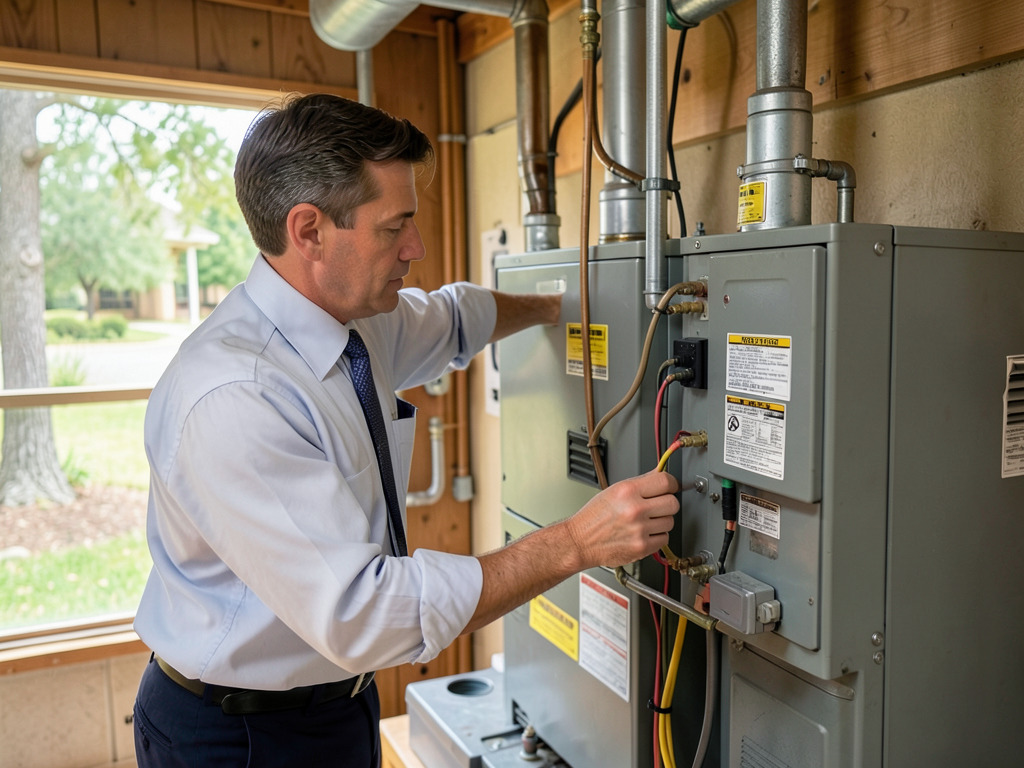
Technician inspecting an HVAC system in a 1960s-era home near the UCR campus, checking refrigerant levels and electrical connections.
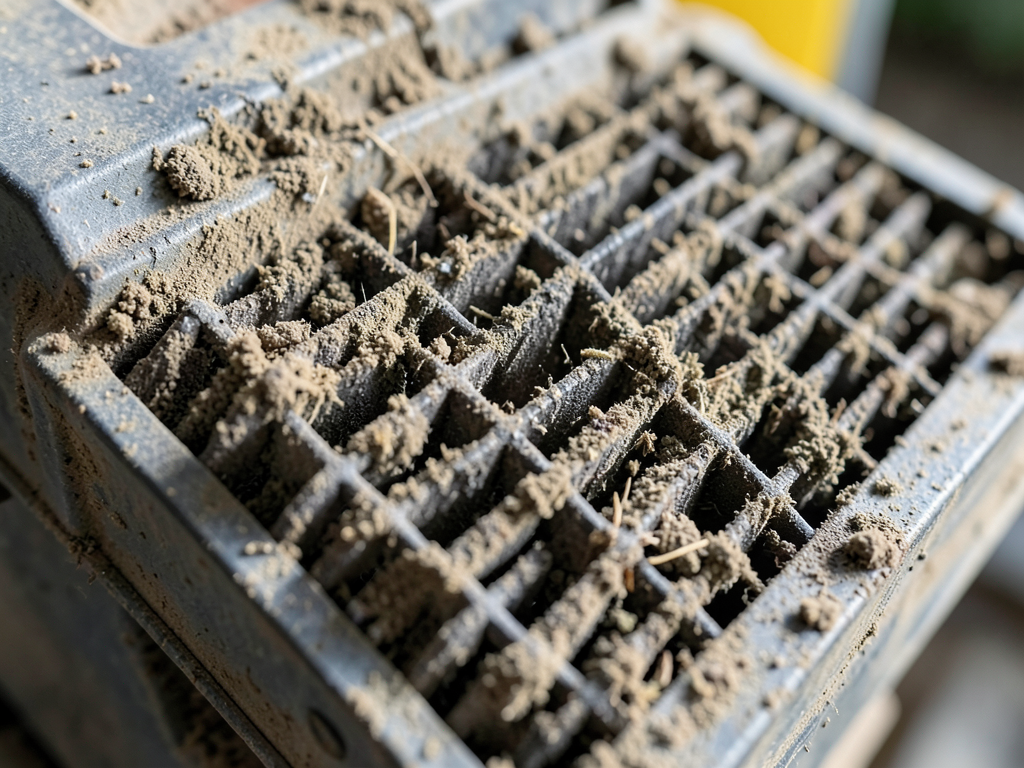
Close-up of a dirty air filter removed from a student rental, showing heavy dust accumulation that reduces system efficiency.
Diagram showing proper condensate drain line installation with float switch to prevent water damage in student housing. How Much Does a New AC Installation Cost in Woodcrest Today?.
Ready to Protect Your Student Rental Investment?
Don’t wait for emergency calls during finals week. A comprehensive HVAC inspection now can prevent costly breakdowns later. Our technicians understand the unique needs of UCR off-campus housing and can identify potential problems before they become emergencies.
Call (951) 223-9644 today to schedule your inspection. We serve the entire Riverside area, including the University neighborhood, Canyon Crest, and surrounding communities near the UCR campus.
Pick up the phone and call (951) 223-9644 before the next heat wave hits. Your students—and your investment—will thank you.