Protecting Your Riverside AC Unit from Falling Palm Fronds and Stringy Fibers
Your air conditioner works hard in Riverside’s desert heat. But something you might not expect is silently attacking its performance. Palm trees are everywhere in Riverside. They line streets, shade yards, and create that classic California look. But those beautiful trees drop something much more dangerous than leaves. Palm fronds, seeds, and stringy fibers get sucked into your AC unit. Once inside, they wrap around fan blades and coat condenser coils. This blocks airflow and makes your system work harder. The result is higher energy bills and possible system failure. HVAC Palm Desert.
The problem is worse than you think. A single palm tree can drop hundreds of fibers each month. During Santa Ana wind season, those fibers travel across neighborhoods. They find their way into outdoor units through vents and grills. Once inside, the organic material holds moisture. This creates the perfect environment for mold growth. The fibers also trap dust and pollen. Your AC has to fight through this thick blanket just to cool your home.
Understanding this threat is the first step to protecting your investment. Let’s look at what makes palm debris so dangerous and what you can do about it.
Why Palm Trees are Uniquely Dangerous to Your AC Unit
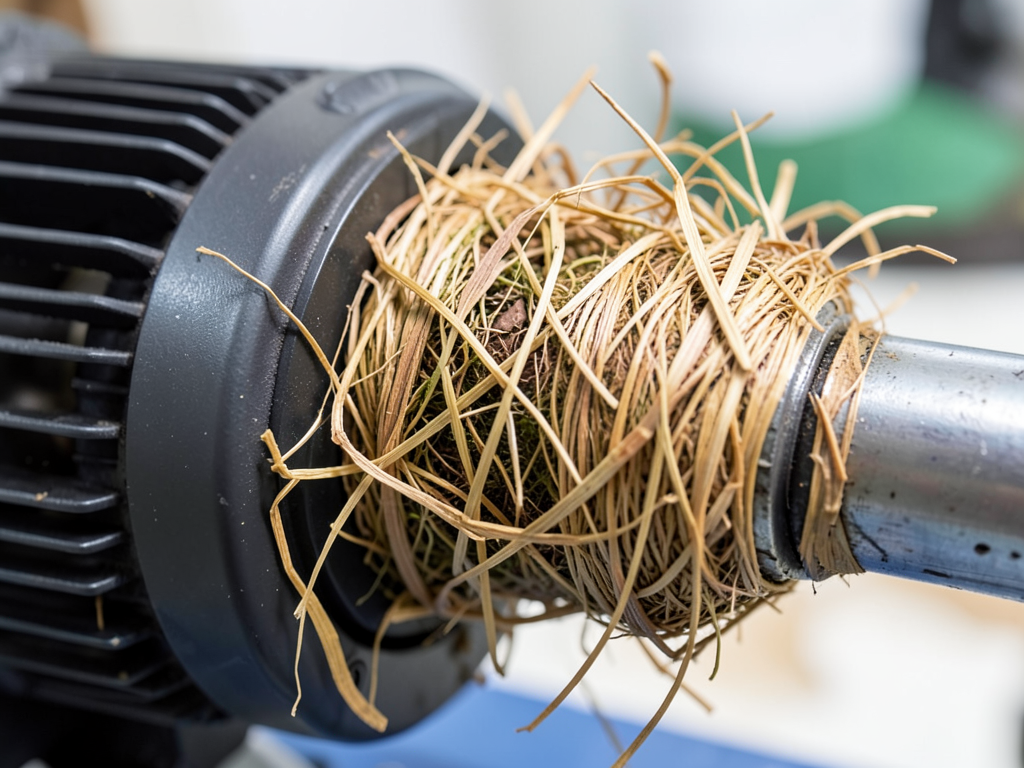
Palm trees produce several types of debris that harm AC systems. Unlike regular leaves, palm fibers are long and stringy. They act like fishing line inside your unit. These fibers wrap around the fan motor shaft. This creates an imbalance that makes the fan wobble. You might hear a thumping noise when this happens.
Palm seeds are another problem. They are small but heavy. Seeds can dent fan blades or get stuck in the motor. When seeds break apart, they leave sticky residue. This residue attracts more debris. It creates a snowball effect inside your condenser.
The biggest threat comes from palm fronds. These large leaves fall during storms or high winds. A single frond can completely block your condenser coil. The coil needs open space to release heat. When blocked, your system overheats. This can cause the compressor to shut down. In worst cases, it burns out completely.
Riverside’s climate makes this problem worse. Our hot, dry summers mean AC units run constantly. This creates more heat that needs to escape through the coils. When palm debris blocks that escape path, the system struggles. The constant heat also makes any moisture in the debris evaporate. This leaves behind salt and mineral deposits. These deposits further reduce heat transfer.
Identifying the Damage: Symptoms of a Debris-Clogged System
How do you know if palm debris is hurting your AC? There are several warning signs. Your energy bills might jump 20-30% without explanation. This happens because your system works harder to move the same amount of air. You might notice your home feels warmer even though the AC runs constantly.
Listen to your outdoor unit. A healthy AC makes a steady humming sound. If you hear clicking, thumping, or grinding, something is wrong. These sounds often mean debris is interfering with the fan. The fan might be hitting something or struggling to spin.
Feel the air coming from your vents. Weak airflow is a red flag. This could mean your condenser coil is blocked. The system cannot push enough air through the debris blanket. You might also notice hot air blowing from the outdoor unit. This means heat is not escaping properly.
Check your AC’s performance during peak heat. If your system cannot keep up when temperatures hit 100°F, debris might be the culprit. Clean systems handle extreme heat much better. Dirty systems struggle and may shut down completely.
Look for ice on the refrigerant lines. This seems backwards in hot weather. But when airflow is restricted, the evaporator coil gets too cold. Moisture in the air freezes on the cold surface. This ice blocks airflow even more. It creates a vicious cycle that can damage your compressor.
DIY vs. Professional Maintenance in Riverside
You can handle some palm debris cleanup yourself. But know your limits. Start by turning off power to your AC at the breaker. Never work on a running unit. Remove large debris you can see from the outside. Use a garden hose to spray off loose material. Spray from the inside out. This pushes debris away from the coils.
Never use a pressure washer on your AC. The high pressure can bend the thin metal fins on the coils. Bent fins block airflow just like debris does. Use a gentle spray and keep the nozzle at least 12 inches away.
For surface cleaning, a fin comb helps straighten bent fins. These tools cost about $10-15 at hardware stores. Run the comb gently along the fins to restore their shape. This improves airflow through the coils. Commercial Duct Cleaning.
However, DIY cleaning has limits. Palm fibers often get deep inside the unit. They wrap around parts you cannot reach. Chemical coil cleaning requires special solutions. These break down the sticky residue that regular water cannot remove. Professional technicians also check for hidden damage. They can spot worn bearings or loose mounts before they cause bigger problems.
Professional cleaning includes coil inspection and straightening. Technicians use industrial-strength cleaners that dissolve organic material. They also check electrical connections and refrigerant levels. This comprehensive approach catches problems early.
The cost of professional cleaning is much less than emergency repairs. A cleaning service costs $150-300 depending on your unit size. Emergency compressor replacement can cost $2,000-4,000. Regular maintenance prevents these expensive breakdowns. EPA Air Conditioning Information.
Seasonal Maintenance Calendar for Riverside Residents
Timing matters when protecting your AC from palm debris. Create a maintenance schedule based on local palm tree cycles. Start in early spring before the heavy debris season. March is ideal for your first professional cleaning.
April through June is peak seed drop season. Mexican Fan Palms and Queen Palms shed seeds during these months. Check your unit weekly during this time. Remove any visible debris from the top and sides.
July and August bring the hottest temperatures. Your AC works hardest now. This is when hidden debris causes the most damage. Schedule another professional cleaning in early July. This prepares your system for the toughest months.
September and October are Santa Ana wind season. These hot, dry winds blow debris from all over. Check your unit after every wind event. Look for accumulated fibers and seeds. The winds can strip entire sections of palm fronds. These large pieces can completely block your condenser.
November is a good time for a comprehensive inspection. Your AC has worked hard all summer. A technician can check for wear and prepare your system for winter. Even in Riverside, cool nights can stress a dirty system.
December through February is the slow season. But do not ignore your AC. Remove any holiday light hooks or decorations from the unit. Check for rodent nests, which are more common in cooler weather. A quick visual inspection takes five minutes.
Mark your calendar with these dates. Set phone reminders for weekly checks during peak seasons. Consistent maintenance prevents most palm debris problems.
Choosing the Right Protection for Your Riverside Home
Several options exist for protecting your AC from palm debris. The simplest is a quality AC cover. But choose carefully. Solid covers trap moisture and cause rust. Mesh covers allow airflow while blocking large debris. Look for UV-resistant materials that last several years.
Custom-fitted screens attach directly to your unit. These provide better protection than loose covers. They stay in place during wind storms. Make sure the screen material is rust-proof. Aluminum or stainless steel work best in our climate.
Consider your yard layout when planning protection. Units under palm trees need more frequent cleaning. If possible, relocate your AC away from the heaviest tree cover. Even moving it 10 feet can reduce debris accumulation by half.
Landscaping choices affect AC performance. Avoid planting new palm trees near your unit. Choose low-debris plants for areas around the condenser. Keep a two-foot clearance around all sides of your AC. This space allows technicians to work and improves airflow.
Regular tree maintenance helps too. Professional palm trimming reduces the amount of debris your trees produce. Schedule trimming in late winter before the growing season. Remove dead fronds that are most likely to fall.
Combine these strategies for best results. No single solution stops all debris. But together they significantly reduce the risk to your AC system.
The Cost of Ignoring Palm Debris: Real Numbers
What happens if you ignore palm debris? The costs add up quickly. A system working 20% harder due to debris uses 20% more electricity. Over a summer, this can add $200-400 to your power bill. That money buys a lot of professional cleaning.
Debris-related wear causes parts to fail early. A fan motor might last 15 years in clean conditions. With constant debris stress, it fails in 8-10 years. Replacement cost: $400-600. The compressor faces even more stress. Debris causes it to overheat repeatedly. This shortens its life by years.
Emergency service calls cost more than scheduled maintenance. After-hours repairs can charge 50-100% premium rates. During heat waves, wait times extend to days. You might pay more just for the urgency. Same Day Emergency AC Repair for Families in Orangecrest.
Complete system replacement becomes necessary when damage is severe. A new AC unit costs $4,000-8,000 installed. Most premature replacements result from neglected maintenance. The debris was the final straw that broke the system.
Insurance may not cover debris damage. Most policies exclude wear and tear. If the damage results from lack of maintenance, you pay the full cost. Regular cleaning is much cheaper than replacement.
Calculate your risk. Multiply your system age by your local debris level. Older units in palm-heavy areas face the highest risk. These need the most protection and frequent cleaning.
Finding Qualified HVAC Technicians in Riverside
Not all HVAC technicians understand palm debris issues. Look for contractors with local experience. They should know common palm species in Riverside. Ask about their cleaning process. Do they use chemical cleaners? Do they straighten fins? Do they check electrical components?
Check online reviews for comments about thoroughness. Some technicians only do surface cleaning. Others provide deep cleaning that addresses hidden debris. The deeper service costs more but protects your system better.
Ask about their tools and equipment. Professional coil cleaning requires specific chemicals and tools. If they only use a garden hose, they are not providing complete service. Quality technicians invest in proper equipment.
Verify their knowledge of local building codes. Riverside County has specific requirements for HVAC work. Technicians should know permit requirements and safety standards. This knowledge shows they are established in the area.
Get written estimates that detail the work performed. A $150 cleaning might sound good, but what does it include? Make sure you compare similar services. The cheapest option is rarely the best value.
Consider maintenance contracts if you have high debris exposure. These provide scheduled cleanings at a discount. They also include priority service during busy seasons. The consistent care prevents most emergency problems.
Emergency Steps When Your AC Fails
Sometimes debris damage causes sudden failure. Your AC stops working on the hottest day. What should you do? First, check the obvious. Make sure the thermostat is set correctly. Verify the circuit breaker has not tripped.
Look at your outdoor unit. Can you see any obvious debris blockage? Do not reach into the unit. But if you see a large frond on top, you might carefully remove it. Always turn off power first.
Check your air filter. A clogged filter can cause system shutdown. This is not debris-related, but it is an easy fix. Replace a dirty filter with a clean one. This might restart your system.
If these steps do not work, call for emergency service. Many Riverside HVAC companies offer 24/7 emergency repair. Have your model number and installation date ready. This helps the technician bring correct parts. How Much Does a New AC Installation Cost in Woodcrest Today?.
While waiting for service, keep your home cool. Close blinds on sunny sides. Use ceiling fans to circulate air. Avoid cooking or using heat-generating appliances. These steps reduce the cooling load on your system.
Document the problem for the technician. When did it stop working? What sounds did you hear? Any recent debris storms? This information helps diagnose the problem faster.
Consider temporary cooling options. Portable fans or window units can help in one room. This keeps your family comfortable while waiting for repairs.
Long-Term Strategies for AC Protection
Protecting your AC from palm debris requires ongoing attention. Create a relationship with a local HVAC company. They learn your system’s history and unique challenges. This knowledge leads to better service and faster problem solving.
Track your energy bills for unusual increases. Sudden jumps often indicate system problems. Compare month-over-month and year-over-year usage. Technology makes this tracking easy with smart meters and apps.
Learn to perform basic inspections. Once a month, spend five minutes looking at your outdoor unit. Check for visible debris, damaged fins, or oil stains. Early detection prevents major problems.
Consider upgrading older units. Systems over 10-12 years old are more vulnerable to debris damage. New units have better protection features. They also use less energy, saving money even before debris issues arise.
Install smart thermostats that monitor system performance. These devices can detect problems early. Some send alerts when efficiency drops or runtime increases. This early warning system catches issues before failure. Switching to a High Efficiency Heat Pump in Riverside to Save on Monthly Energy Bills.
Join neighborhood groups focused on home maintenance. Riverside communities often share tips about local service providers. They also warn about seasonal issues like heavy seed drop or wind storms.
Plan for the long term. Your AC is a major investment. Protecting it from palm debris extends its life by years. This protection saves thousands in replacement costs and energy bills.
Frequently Asked Questions
How often should I clean my AC if I have palm trees nearby?
Professional cleaning twice yearly is ideal for homes near palm trees. Schedule one cleaning in early spring and another in mid-summer. Add extra cleanings if you notice rapid debris accumulation or if your system runs constantly.
Can palm debris really cause my AC to stop working completely?
Yes, severe debris blockage can cause complete system failure. When debris restricts airflow enough, the system overheats and shuts down. If this happens repeatedly, it can permanently damage the compressor, requiring expensive replacement.
What’s the difference between DIY cleaning and professional service?
DIY cleaning removes surface debris only. Professional service includes chemical coil cleaning, fin straightening, electrical checks, and inspection for hidden damage. Professionals also use specialized tools that reach deep into the unit where most debris accumulates.
Are some palm tree species worse than others for AC units?
Mexican Fan Palms and Queen Palms produce the most problematic debris. Their long, fibrous strands wrap around moving parts easily. Date Palms drop heavy seeds that can damage fan blades. All palm species create more issues than broadleaf trees.
How much does professional palm debris cleaning cost in Riverside?
Professional cleaning in Riverside typically costs $150-300 depending on unit size and debris level. Severely clogged units or those requiring chemical treatment may cost more. This is much less than emergency repairs or premature replacement.
Call (951) 223-9644 today to schedule your AC inspection before the next palm debris storm hits. Do not wait until your system fails on the hottest day of the year. Our Riverside technicians know exactly how to protect your unit from local palm tree threats.
Pick up the phone and call (951) 223-9644. We will clean your coils, check for hidden damage, and make sure your AC is ready for whatever our local palms throw at it. Your comfort and your wallet will thank you.
Remember, a clean AC unit runs more efficiently, lasts longer, and keeps your home comfortable when you need it most. Do not let palm debris steal your cool this summer.
Call (951) 223-9644 now for fast, friendly service from Riverside’s palm debris experts. For more information, visit U.S. Department of Energy AC Guide.
Quick Reference Guide
| Task | Frequency | Cost Range |
|---|---|---|
| Professional cleaning | 2-3 times yearly | $150-300 |
| DIY debris removal | Monthly during peak season | $0-20 (tools) |
| Fin comb straightening | As needed | $10-15 (tool) |
| Full system inspection | Yearly | $100-200 |
Warning Signs Checklist
- [ ] Higher than normal energy bills
- [ ] Weak airflow from vents
- [ ] Unusual noises from outdoor unit
- [ ] System running constantly
- [ ] Warm air from vents
- [ ] Ice on refrigerant lines