Managing Inland Empire Ragweed and Pollen Inside Your Riverside Home
If you live in Riverside you already know the air quality shifts dramatically from February through June when oak mulberry and grass pollens saturate the Inland Empire. These allergens invade your home through open doors windows and even tiny gaps around your HVAC system. The right air filtration strategy can reduce airborne particles by 90 percent or more giving your family real relief without relying solely on medication.
Understanding Riverside’s Unique Pollen Calendar
Riverside sits in a bowl-shaped valley where mountain runoff and citrus groves create ideal growing conditions for several high-allergy plants. Oak trees release pollen starting in late February. Mulberry follows in March. Grass pollens peak in April and May. By June ragweed and other wind-borne allergens combine with dust from Santa Ana wind events to create a perfect storm of respiratory irritants.
The Santa Ana winds carry fine particulate matter from the desert and inland valleys directly into Riverside County homes. These winds can increase outdoor particulate matter by 200 percent in a single day. Without proper filtration those particles enter your HVAC system and recirculate continuously. HVAC Palm Desert.
MERV Ratings Explained for Riverside Homes
MERV stands for Minimum Efficiency Reporting Value and measures how well a filter captures particles between 0.3 and 10 microns. Most Riverside homes use MERV 8 filters which capture about 90 percent of larger particles like dust and pollen. MERV 11 filters capture 95 percent of those particles plus smaller allergens. MERV 13 filters capture 99 percent of particles including many bacteria and smoke particles. Switching to a High Efficiency Heat Pump in Riverside to Save on Monthly Energy Bills.
Higher MERV ratings sound better but they also restrict airflow. Your HVAC system needs proper static pressure to operate efficiently. A MERV 13 filter in an older system designed for MERV 8 can strain the blower motor and reduce cooling capacity by up to 15 percent. The key is matching the filter to your specific system capacity.
| MERV Rating | Particle Capture Size | Best For Riverside |
|---|---|---|
| MERV 8 | 3.0 – 10.0 microns | Basic dust and pollen |
| MERV 11 | 1.0 – 3.0 microns | Moderate allergies |
| MERV 13 | 0.3 – 1.0 microns | Severe allergies smoke |
The Santa Ana Wind Effect on Your HVAC System
When Santa Ana winds blow through Riverside they carry fine desert sand and agricultural dust. This particulate matter is much smaller than typical household dust. Standard fiberglass filters cannot capture particles under 10 microns. During wind events your filter loads up faster sometimes reducing efficiency by 30 percent within two weeks.
During high wind periods check your filter weekly. If it appears gray or you notice reduced airflow replace it immediately. Some Riverside homeowners install pressure gauges on their return ducts to monitor filter loading. When pressure rises 0.5 inches above baseline it is time for replacement.
HEPA vs Standard Filters: What Works in Riverside
HEPA filters capture 99.97 percent of particles 0.3 microns and larger. They seem perfect for allergy sufferers but most residential HVAC systems cannot handle them. HEPA filters create too much static pressure for standard blowers. The motor works harder and can burn out within months. EPA Indoor Air Quality.
A better solution for Riverside homes is a whole-house media air cleaner with MERV 13 or 14 rated filters. These units install in your return duct and provide HEPA-level filtration without straining your existing system. They cost more upfront but protect your HVAC equipment while removing allergens.
Wildfire Smoke and PM2.5 Protection
California wildfires send smoke and fine particulate matter into Riverside County several times per year. PM2.5 particles measure 2.5 microns or smaller and can penetrate deep into lungs. MERV 13 filters capture about 75 percent of PM2.5 particles. MERV 14 filters capture about 85 percent. California Air Resources Board.
During smoke events run your HVAC system on fan-only mode to circulate air through the filter continuously. Close all windows and doors. Consider adding a standalone HEPA air purifier for bedrooms and living areas. These portable units can filter a 400 square foot room four times per hour.
Indoor Air Quality Monitoring Tools
Modern IAQ monitors measure particulate matter volatile organic compounds and humidity levels. Some connect to smartphone apps and provide real-time alerts when air quality drops. In Riverside these devices help you track pollen levels and determine when to run your HVAC system or open windows.
Look for monitors that measure PM2.5 levels. When readings exceed 35 micrograms per cubic meter it is time to increase filtration. Many monitors also track temperature and humidity helping you maintain optimal comfort while filtering allergens.
Filter Replacement Schedule for Riverside Climate
Standard replacement schedule is every 90 days but Riverside conditions require adjustments. During peak pollen season February through June replace filters every 30 to 45 days. During Santa Ana wind events check weekly and replace if dirty. In winter when windows stay closed you can extend to 60 to 90 days.
Commercial buildings in the Inland Empire often use pressure differential switches that automatically signal when filters need replacement. This technology prevents system strain and maintains consistent air quality year round. Commercial Duct Cleaning.
Commercial Duct Cleaning and Its Impact on Air Quality
Commercial buildings in Riverside accumulate dust from agricultural operations and transportation corridors. Over time this dust settles in ductwork and gets recirculated. Professional duct cleaning removes this buildup using negative air pressure and specialized brushes.
The EPA recommends duct cleaning when you see visible mold growth substantial dust buildup or vermin infestation. In Riverside commercial facilities near highways or agricultural areas may need cleaning every three to five years versus the standard seven to ten years.
Choosing the Right Filter for Your Riverside Home
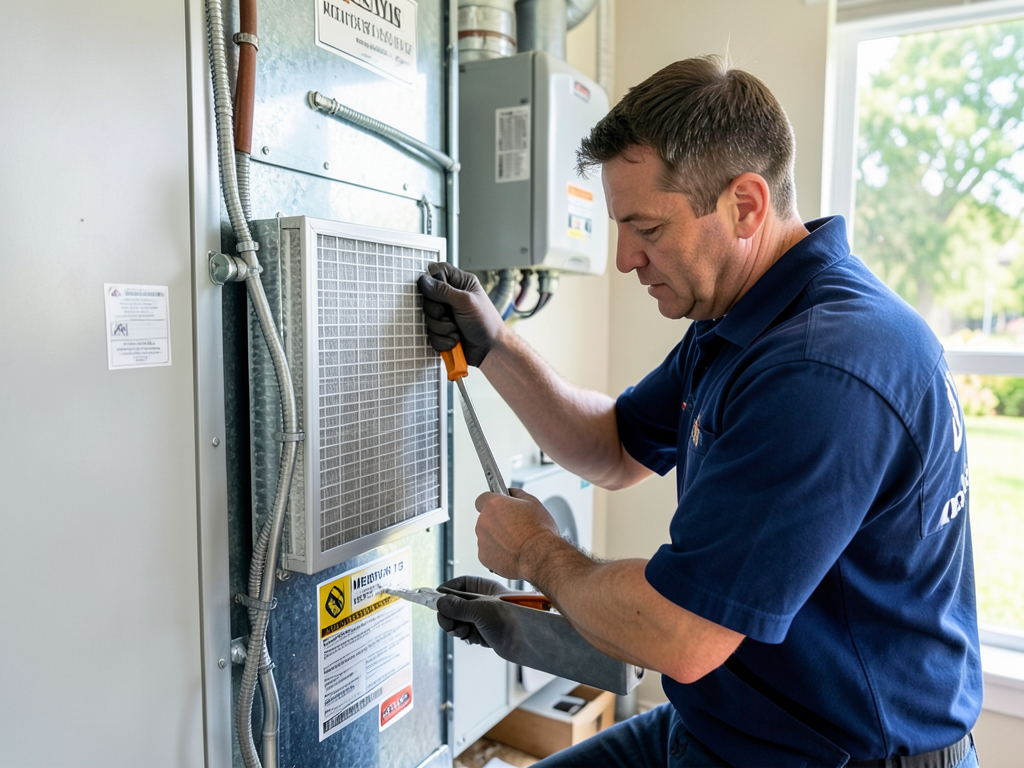
Start by checking your current filter size and MERV rating. Look for the dimensions printed on the side. Most homes use 16x20x1 or 20x25x1 filters. If you have pets or allergies upgrade to MERV 11. If you have severe allergies or smoke concerns consider MERV 13 or a whole-house media cleaner.
Consider your HVAC system age. Systems over 10 years old may not handle MERV 13 filters well. Have a technician measure your system static pressure before upgrading. Some systems need blower motor upgrades to handle higher efficiency filters.
Maintenance Tips to Maximize Filter Performance
Keep your outdoor condenser unit clean. Debris around the unit can get sucked into return ducts. Trim plants at least two feet away from the unit. Check for rodent nests which can block airflow and introduce allergens.
Seal gaps around your air handler and ductwork. Even small leaks can draw unfiltered air into your system. Use metal tape not duct tape for sealing. Replace weatherstripping around doors and windows to reduce allergen entry.
Energy Efficiency and Air Quality Balance
Higher efficiency filters improve air quality but can increase energy consumption if they restrict airflow. The key is finding the right balance. A MERV 11 filter typically adds $5 to $10 per month to your energy bill but provides significant allergy relief.
Consider variable speed blowers which adjust automatically to filter loading. These systems maintain consistent airflow while maximizing filtration. They cost more upfront but save energy and extend filter life.
Common Mistakes Riverside Homeowners Make
The biggest mistake is buying the cheapest filter available. These filters capture almost nothing and let allergens circulate freely. Another mistake is waiting too long between changes. A dirty filter becomes a breeding ground for mold and bacteria.
Some homeowners think closing vents improves efficiency but this actually increases static pressure and can damage your system. Keep all vents open and maintain consistent airflow throughout your home.
Professional IAQ Assessment Benefits
A professional assessment measures your home air quality and identifies specific problems. Technicians use particle counters to measure airborne contaminants. They check for carbon monoxide gas leaks and humidity issues that promote mold growth.
In Riverside assessments often reveal high particulate levels from agricultural dust or traffic emissions. The assessment provides specific recommendations for filtration upgrades UV light installation or duct sealing based on your actual conditions. How Much Does a New AC Installation Cost in Woodcrest Today?.
Future Trends in Residential Air Filtration
New smart filters with RFID chips track usage and automatically reorder replacements. Some integrate with home automation systems to adjust fan speeds based on air quality readings. Electrostatic filters that clean themselves are becoming more affordable for residential use.
UV-C light systems installed in ductwork kill bacteria and mold spores. When combined with high efficiency filters they provide hospital-grade air purification. These systems are particularly valuable in Riverside where humidity and pollen create ideal conditions for microbial growth.
Emergency Response During High Pollen Events
When pollen counts spike above 150 grains per cubic meter take immediate action. Replace your filter if it is more than two weeks old. Run your HVAC system on fan-only mode for 24 hours to circulate and filter all air in your home.
Close all windows and doors. Use ceiling fans to distribute filtered air. Consider temporary relocation if someone has severe asthma or allergies. Keep medications readily available and monitor symptoms closely.
Cost Considerations for Quality Filtration
Premium MERV 13 filters cost $15 to $25 each versus $5 to $10 for basic filters. Over a year this adds $60 to $100 in filter costs. Compare this to allergy medication costs which can exceed $100 per month for severe sufferers.
Whole-house media air cleaners cost $400 to $800 installed but eliminate the need for frequent filter changes. They also protect your HVAC system extending equipment life by reducing dust buildup on coils and motors.
Local Resources for Allergy Sufferers
The South Coast Air Quality Management District provides real-time air quality data for Riverside County. Their website shows current AQI levels and forecasts for the next three days. This information helps you plan indoor activities during high pollen or smoke events.
Local HVAC contractors offer maintenance agreements that include quarterly filter changes and system inspections. These programs ensure your system operates efficiently year round and catches problems before they become emergencies.
Building Code Requirements for Air Filtration
California Title 24 energy efficiency standards require minimum MERV 6 filtration for new construction. Many Riverside builders now install MERV 8 or higher as standard practice. The California Energy Commission updated these requirements in 2022 to address indoor air quality concerns.
Commercial buildings must comply with ASHRAE Standard 62.1 which sets minimum ventilation rates and air filtration requirements. These standards help ensure adequate fresh air exchange while removing contaminants.
Final Recommendations for Riverside Residents
Start with a MERV 11 filter if you have seasonal allergies. Upgrade to MERV 13 if symptoms persist. Install a whole-house media cleaner if you have severe allergies or live near agricultural areas. Check filters monthly during peak seasons and replace when dirty.
Combine filtration with other strategies. Use HEPA air purifiers in bedrooms. Keep indoor humidity between 30 and 50 percent to discourage dust mites. Vacuum with HEPA filtered vacuums and wash bedding weekly in hot water.
Professional maintenance twice per year keeps your system running efficiently and your air clean. Spring maintenance prepares for pollen season. Fall maintenance addresses dust and prepares for winter heating.
Frequently Asked Questions
How often should I change my HVAC filter in Riverside?
Change filters every 30 to 45 days during February through June pollen season. Check weekly during Santa Ana wind events. In winter you can extend to 60 to 90 days. Homes with pets or allergies need more frequent changes.
Can my older HVAC system handle a MERV 13 filter?
Most systems over 10 years old cannot handle MERV 13 filters without modifications. The increased static pressure can strain the blower motor and reduce efficiency. Have a technician measure your system static pressure before upgrading to higher efficiency filters.
What is the difference between MERV and HEPA filters?
MERV filters are designed for HVAC systems and come in various efficiency levels. HEPA filters provide the highest filtration but create too much static pressure for most residential systems. Whole-house media cleaners offer HEPA-level filtration without system damage.
How do Santa Ana winds affect indoor air quality?
Santa Ana winds carry fine desert dust and agricultural particles into Riverside County. These particles are smaller than standard filters capture. During wind events your filter loads faster and may need replacement within two weeks instead of three months.
Should I run my HVAC system during wildfire smoke events?
Yes run your system on fan-only mode to circulate air through the filter continuously. Close all windows and doors. Use a MERV 13 or higher filter and consider adding portable HEPA air purifiers for bedrooms and living areas.
How much does professional duct cleaning cost in Riverside?
Professional duct cleaning for a typical Riverside home costs $300 to $500. Commercial buildings range from $1,000 to $5,000 depending on size and contamination level. Most homes need cleaning every seven to ten years unless near high-dust areas.
What size filter does my HVAC system need?
Check the current filter for exact dimensions printed on the frame. Common sizes are 16x20x1 20x25x1 and 16x25x1. Using the wrong size allows unfiltered air to bypass the filter entirely defeating the purpose of filtration.
Can air filters help with pet dander?
Yes MERV 11 or higher filters capture pet dander effectively. For severe allergies consider MERV 13 filters or whole-house media cleaners. Combine filtration with regular pet grooming and vacuuming to minimize dander in your home.
How do I know if my filter is working properly?
Check for reduced airflow from vents. If your system runs longer than usual or cannot maintain temperature your filter may be clogged. Some homeowners install pressure gauges that show when filter loading reaches 0.5 inches above baseline.
Is it worth installing UV lights in my HVAC system?
UV lights kill bacteria mold and viruses in your ductwork. They cost $500 to $1,500 installed but provide hospital-grade air purification. They work best when combined with high efficiency filters and are particularly valuable in humid Riverside conditions.
Take Action Today
Your family deserves clean air free from Riverside pollen and allergens. Start by checking your current filter and replacing it if it is more than 60 days old. If you are unsure about the right filter for your system or want to explore whole-house air cleaning options call (951) 223-9644 today. Our technicians understand Riverside unique air quality challenges and can recommend solutions that protect your family without straining your HVAC system. Do not wait until allergy season hits full force. Pick up the phone and call (951) 223-9644 before the next Santa Ana wind event brings more dust into your home.