Preparing Your Riverside Furnace for those Rare Frosty Winter Nights
When Riverside’s winter nights dip into the 30s and 40s, your furnace becomes the unsung hero of home comfort. While our winters are mild compared to other regions, those occasional cold snaps can catch unprepared homeowners off guard. This guide walks you through exactly what your furnace needs to handle Riverside’s unique climate conditions. EPA indoor air quality guide.
Understanding Riverside’s Winter Climate
Riverside’s Mediterranean climate means most winter nights stay above freezing, but we still experience temperature swings that stress HVAC systems. The Santa Ana winds can rapidly drop temperatures by 20-30 degrees, and our low humidity levels can affect how your furnace operates. These conditions require specific preparation that generic winter guides don’t address. Reliable Furnace Repair in Riverside to Keep Your Family Warm This Winter.
Why Riverside Winters Require Specific HVAC Prep
The transition from Riverside’s long cooling season to occasional heating needs creates unique challenges. Your system has been running AC for months, and suddenly you need heat. This rapid seasonal shift can reveal problems that developed during the summer. Additionally, Riverside’s air quality issues mean your furnace filters accumulate more debris than systems in cleaner environments.
Local building codes under California Title 24 require specific efficiency standards for new installations, but older systems need proper maintenance to meet current performance expectations. The Riverside County Air Quality Management District also monitors emissions from gas appliances, making regular maintenance both an efficiency and compliance issue. Switching to a High Efficiency Heat Pump in Riverside to Save on Monthly Energy Bills.
Step-by-Step HVAC Winterization Checklist
Following a systematic approach ensures nothing gets overlooked. Here’s the exact process our technicians use when preparing Riverside homes for winter:
- Replace or Clean Air Filters
Start with a fresh MERV 8-11 filter rated for Riverside’s dust conditions. Dirty filters reduce efficiency by up to 15% and can cause system overheating.
- Check Thermostat Calibration
Test your thermostat by setting it 5 degrees above room temperature. The furnace should start within 3 minutes. If not, the thermostat may need recalibration or replacement.
- Inspect Heat Exchanger
Look for cracks, rust, or soot accumulation. Even small cracks can allow carbon monoxide into your home. This requires professional inspection with a combustion analyzer.
- Clean and Test Burners
Remove dust and debris from burner assemblies. Dirty burners create inefficient combustion and can produce dangerous carbon monoxide levels.
- Check Gas Pressure and Connections
Low gas pressure causes incomplete combustion. Our technicians use manometers to verify proper pressure against manufacturer specifications.
- Inspect and Clean Blower Assembly
Dust accumulation on blower wheels reduces airflow and efficiency. Clean with appropriate brushes and vacuum equipment.
- Test Safety Controls
Verify limit switches, flame rollout switches, and pressure switches function correctly. These protect against dangerous operating conditions.
Addressing the ‘Santa Ana Wind’ Factor
Riverside’s Santa Ana wind events create specific maintenance challenges for outdoor HVAC components. These hot, dry winds carry fine dust and debris that accumulates on outdoor units and enters your home through any available opening.
During Santa Ana conditions, outdoor condenser coils can become coated with a fine layer of dust that reduces heat transfer efficiency by up to 30%. This same dust enters your home when doors and windows are opened, quickly clogging filters and reducing indoor air quality.
Our technicians recommend checking outdoor units after major wind events and using compressed air to remove accumulated debris. Pay special attention to the area around the base of the unit where wind-driven debris collects.
Energy Efficiency Tips for Riverside Homeowners
Proper winterization doesn’t just prevent breakdowns—it can significantly reduce your utility bills. Riverside Public Utilities and Southern California Edison offer different rate structures that affect heating costs.
| Efficiency Upgrade | Estimated Annual Savings | Payback Period |
|---|---|---|
| Programmable Thermostat | $75-125 | 1-2 years |
| Annual Tune-up | $100-150 | 1 year |
| Duct Sealing | $150-300 | 2-3 years |
| High-Efficiency Filter | $50-75 | Immediate |
Sealing leaky ductwork can reduce heating costs by 10-30% in older Riverside homes. Many homes built before 2000 have duct leakage rates exceeding 20%, meaning 20% of your heated air never reaches living spaces.
Professional vs. DIY: When to Call a Riverside Specialist
Some furnace maintenance tasks are safe for homeowners, while others require professional expertise. Understanding the difference can prevent dangerous situations and costly mistakes.
Safe DIY Tasks:
- Replacing air filters
- Cleaning around outdoor units
- Checking thermostat batteries
- Vacuuming accessible vents
Professional-Only Tasks:
- Gas line inspection
- Heat exchanger examination
- Combustion analysis
- Blower motor bearing checks
- Electrical component testing
California building codes require licensed professionals to handle gas appliances and electrical systems. Improper work can create carbon monoxide hazards, fire risks, or void manufacturer warranties.
Carbon Monoxide Safety for Riverside Homes
Gas furnaces produce carbon monoxide as a byproduct of combustion. While properly functioning systems vent this safely outside, any crack or malfunction can allow CO to enter your home.
Install carbon monoxide detectors on every level of your home, especially near sleeping areas. Test batteries monthly and replace detectors every 5-7 years according to manufacturer specifications.
Symptoms of CO poisoning include headache, dizziness, nausea, and confusion. If multiple family members experience these symptoms simultaneously, evacuate immediately and call emergency services. Same Day Emergency AC Repair for Families in Orangecrest.
Heat Pump vs. Gas Furnace Maintenance Nuances
Many Riverside homes use heat pumps rather than traditional gas furnaces. These systems require different maintenance approaches:
| Component | Gas Furnace | Heat Pump |
|---|---|---|
| Primary Heat Source | Gas Combustion | Refrigerant Compression |
| Winter Maintenance | Burner Cleaning | Defrost Cycle Testing |
| Airflow Requirement | Moderate | High (for efficiency) |
| Emergency Heat | Not Needed | Electric Backup Required |
Heat pumps need their reversing valves tested to ensure proper switching between heating and cooling modes. The defrost cycle must also function correctly to prevent ice buildup on the outdoor coil during cold mornings.
Common Riverside Furnace Problems and Solutions
Based on our 15+ years servicing Riverside homes, these are the most frequent issues we encounter:
Frequent Cycling – Often caused by dirty filters or improper thermostat placement near heat sources. Riverside’s temperature swings can also trigger short cycling if the system isn’t properly sized.
No Heat Production – Check thermostat settings first, then verify the gas valve is open. Many service calls are resolved by simply turning the gas back on after summer maintenance.
Strange Noises – Banging sounds often indicate delayed ignition in gas furnaces. Clicking noises may signal failing igniters or control boards.
Weak Airflow – Dirty filters, blocked ducts, or failing blower motors reduce airflow. Riverside’s dust levels accelerate filter clogging compared to coastal areas.
Emergency Preparation for Winter Nights
Even well-maintained systems can fail during critical cold snaps. Prepare for emergencies with these steps:
- Locate your furnace’s emergency shutoff switch
- Keep space heaters as backup (never use outdoor equipment indoors)
- Know how to relight your pilot light if applicable
- Have emergency contact numbers readily available
Keep cabinet doors open under sinks during extreme cold to prevent pipe freezing. Riverside’s occasional freezing temperatures can affect plumbing even when heating systems remain operational.
Local Rebates and Incentives
Riverside Public Utilities offers rebates for high-efficiency heating equipment that can offset upgrade costs. Southern California Gas Company also provides incentives for converting from electric to natural gas heating in certain circumstances.
Check current rebate programs before scheduling service, as incentives change annually. Many programs require specific efficiency ratings or installation by certified contractors. How Much Does a New AC Installation Cost in Woodcrest Today?.
Long-Term System Planning
Most furnaces last 15-20 years with proper maintenance. If your system is over 12 years old, consider these factors when planning replacements:
- Energy efficiency improvements in newer models
- Available utility rebates
- Phase-out of certain refrigerants in heat pumps
- Smart thermostat integration capabilities
Modern high-efficiency furnaces can reduce heating costs by 30% or more compared to units installed in the 1990s. The energy savings often justify replacement even when older units still function.
Frequently Asked Questions
How often should I replace my furnace filter in Riverside?
Replace standard 1-inch filters every 30-60 days. Riverside’s dust levels mean more frequent changes than coastal areas. Use HEPA filters if you have allergies or pets.
What temperature should I set my thermostat in winter?
Set to 68-70°F when home and awake, 60-65°F when sleeping or away. Each degree lower can save 3-5% on heating costs.
How can I tell if my furnace is producing carbon monoxide?
Install carbon monoxide detectors—they’re the only reliable way to detect CO. Warning signs include yellow burner flames, soot around vents, or unusual odors.
Should I cover my outdoor AC unit in winter?
No. Covering traps moisture and can cause rust. Instead, clean debris away and ensure proper drainage around the unit.
How long does a professional furnace tune-up take?
A thorough inspection takes 60-90 minutes. This includes safety checks, cleaning, and performance testing that DIY maintenance cannot provide. Commercial Duct Cleaning.
Ready for Winter? Take Action Today
Don’t wait until the first cold snap to discover furnace problems. Our experienced technicians know exactly what Riverside’s climate demands from your heating system. We’ve helped thousands of local homeowners stay warm through every winter surprise.
Call (951) 223-9644 today to schedule your comprehensive furnace inspection. We’ll ensure your system is ready for whatever winter brings to Riverside.
Remember: A properly maintained furnace isn’t just about comfort—it’s about safety, efficiency, and peace of mind. Make that call now before you need heat on a 35-degree Riverside night.
Pick up the phone and call (951) 223-9644 before the next cold front arrives. Your family’s comfort depends on it.
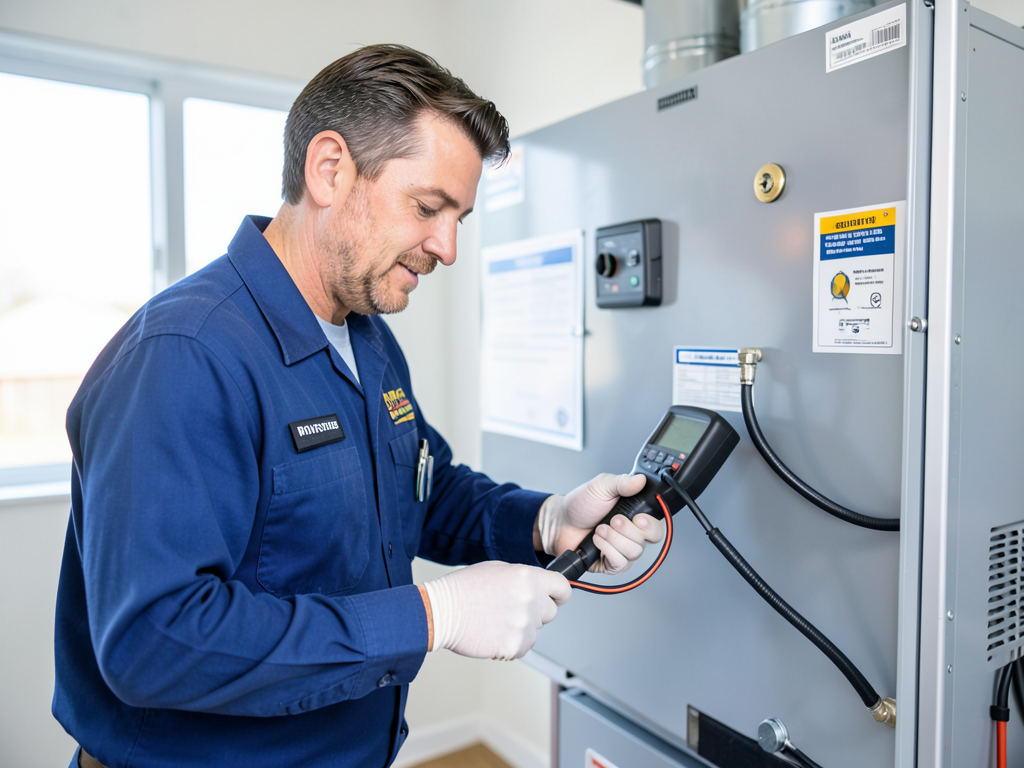
– Technician performing combustion analysis on a Riverside gas furnace, checking for proper CO2 levels and efficiency.
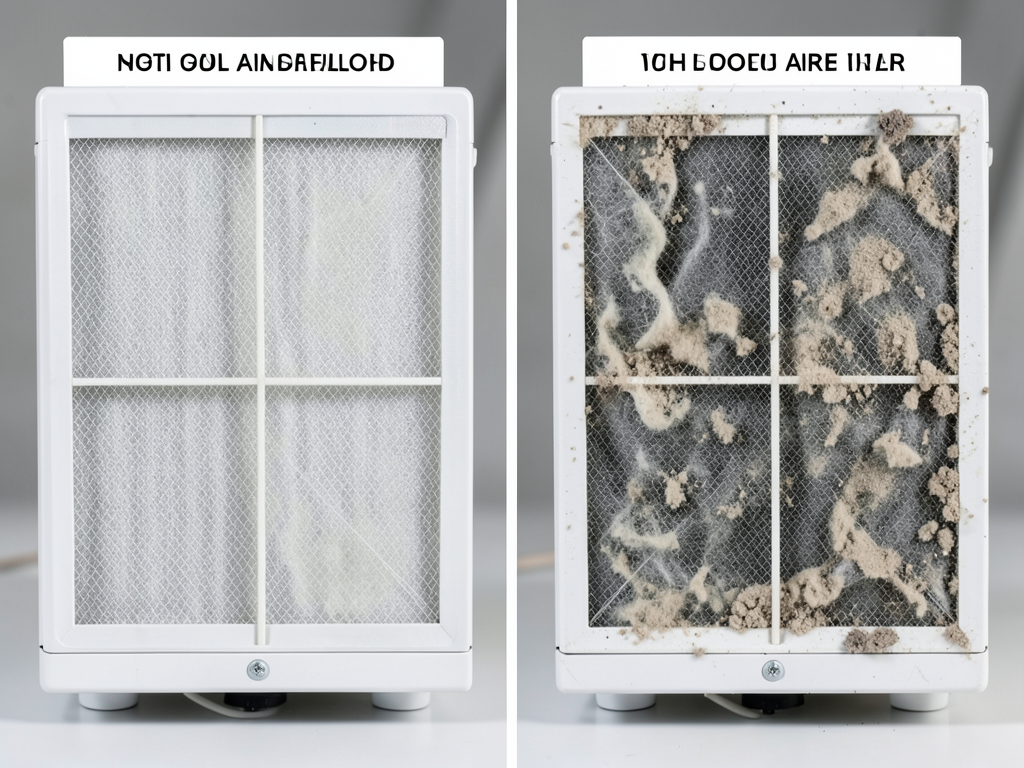
– Close-up of a clean vs. dirty furnace filter showing the dramatic difference in airflow restriction.
– Diagram showing proper thermostat placement away from heat sources and drafts for accurate temperature readings. For more information, visit U.S. Department of Energy heating guide.