Solving the Temperature Wars for Roommates in University City Apartments
Living with roommates in Riverside’s Inland Empire heat means constant battles over the thermostat. One person freezes while another sweats through their sheets. The University of California Riverside campus sits in a valley where summer temperatures regularly climb above 100°F, and off-campus apartments near University Avenue often lack proper insulation or modern HVAC systems. This guide gives you practical, budget-friendly solutions that work in real Riverside housing, from Dundee dorm rooms to GrandMarc apartments. Riverside Public Utilities.
The Riverside Climate Factor
Riverside’s inland valley location creates extreme heat conditions that differ from coastal Southern California. The area experiences low humidity but intense solar radiation, with summer temperatures often exceeding 105°F. These conditions strain older apartment HVAC systems, especially those in buildings constructed before current energy efficiency standards. Many UCR-area apartments were built in the 1970s and 1980s with minimal insulation, making temperature control even more challenging. Switching to a High Efficiency Heat Pump in Riverside to Save on Monthly Energy Bills.
The Inland Empire’s diurnal temperature swings mean nights might cool to 65°F, but afternoons can hit triple digits. This variation makes it difficult for older AC units to maintain consistent temperatures throughout the day. Additionally, Riverside Public Utilities reports that electricity demand peaks between 4 PM and 9 PM during summer months, when everyone returns home and turns on their air conditioning simultaneously.
Dorm-Friendly Cooling Hacks (No AC Required)
University housing like Dundee and Lothian dormitories typically prohibit portable air conditioners due to electrical load concerns and fire safety regulations. However, several strategies can make these spaces livable without violating housing policies.
High-velocity fans create effective air circulation that makes rooms feel 4-8 degrees cooler than stagnant air. Position one fan in a window facing outward to exhaust hot air, while another fan near the door pushes cooler air from the hallway. This cross-ventilation technique works best when outdoor temperatures drop below indoor temperatures at night.
Thermal curtains block up to 90% of solar heat gain through windows. Choose blackout curtains with reflective backing, and mount them as close to the window as possible to create an insulating air pocket. During the day, keep east-facing windows covered until noon, then switch to west-facing windows for the afternoon heat.
Evaporative cooling works surprisingly well in Riverside’s dry climate. Place shallow pans of ice water in front of fans, or use a spray bottle to mist lightweight cotton sheets before bed. The evaporation process absorbs heat from the surrounding air, creating a cooling effect without electricity-hungry AC units.
Optimizing Your Off-Campus Apartment AC
Off-campus apartments near UCR offer more flexibility but come with their own challenges. Many buildings use older central AC systems that struggle with multiple tenants adjusting the thermostat. The key is finding a compromise that keeps everyone comfortable while preventing the system from freezing or cycling inefficiently. Flex Alert California.
Set your thermostat to 78°F during occupied hours and 82°F when the apartment is empty. This range balances comfort with energy efficiency, preventing the AC from running constantly while maintaining livable conditions. Use ceiling fans to create a wind-chill effect that makes 78°F feel closer to 72°F.
Change your air filter every 30-45 days during summer months. Riverside’s dust levels and pollen counts mean filters clog faster than in other regions. A dirty filter reduces airflow, causing the AC to work harder and potentially freeze the evaporator coil. Set calendar reminders for filter changes to avoid roommate disagreements about maintenance responsibilities.
Clear the area around your outdoor AC unit. Many Riverside apartments have condenser units surrounded by landscaping, debris, or stored items. Maintain at least two feet of clearance on all sides to ensure proper airflow. Use a garden hose to gently clean the condenser coils every month during heavy use periods.
Energy Saving Tips to Lower Your RPU/SCE Bill
Sharing utility bills with roommates requires strategic planning to avoid conflicts and excessive costs. Riverside Public Utilities offers Time-of-Use rates that charge different prices based on when you use electricity. Peak hours (4-9 PM) cost significantly more than off-peak times.
Program your thermostat to pre-cool your apartment before 4 PM, then allow temperatures to rise slightly during peak hours. This strategy reduces expensive cooling when rates are highest. Use appliances like dishwashers and laundry machines during off-peak hours to further reduce costs.
Invest in smart power strips that cut power to electronics when not in use. Many devices draw power even when turned off, a phenomenon called phantom load. Roommates often overlook these small drains, but they can add $20-30 monthly to electricity bills in shared apartments.
Consider a portable evaporative cooler for common areas instead of running central AC constantly. These units use 75% less electricity than traditional air conditioners and work effectively in Riverside’s dry climate. They’re ideal for living rooms where roommates gather, allowing you to keep bedroom AC usage minimal.
When to Call a Professional
Knowing when DIY solutions aren’t enough can prevent costly damage and uncomfortable living conditions. Several warning signs indicate your AC system needs professional attention rather than roommate adjustments.
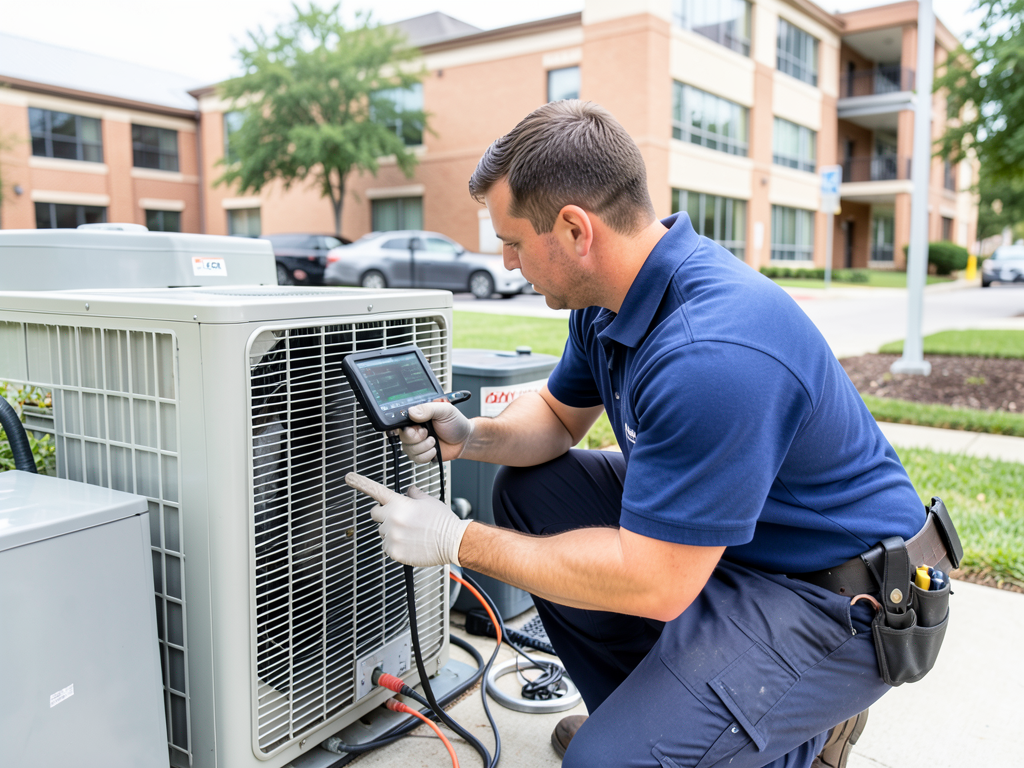
If your AC runs constantly but can’t maintain temperatures below 80°F, the system may be low on refrigerant or have a failing compressor. This is especially common in older Riverside apartments where AC units weren’t properly maintained by previous tenants. A professional can check refrigerant levels and identify leaks that cause inefficient cooling.
Strange noises from your AC unit signal mechanical problems. A grinding sound often indicates failing bearings in the blower motor, while hissing might mean refrigerant leaks. These issues won’t resolve through thermostat adjustments and typically worsen without professional repair. Same Day Emergency AC Repair for Families in Orangecrest.
Water pooling around your indoor unit suggests a clogged condensate drain line. Riverside’s dust and pollen can quickly block these small pipes, causing water to back up and potentially damage your apartment. This requires professional cleaning to prevent mold growth and water damage to floors and walls. Commercial Duct Cleaning.
Don’t wait until your AC completely fails during a heatwave. Schedule a preseason inspection each spring to catch developing problems before they become emergencies. A professional technician can clean coils, check electrical connections, and ensure your system is ready for Riverside’s extreme summer temperatures.
Creating a Roommate Cooling Agreement
Prevent temperature wars by establishing clear guidelines before conflicts arise. Create a written agreement that outlines thermostat settings, fan usage rules, and maintenance responsibilities. This document should address common scenarios like when someone works night shifts or when guests visit.
Designate specific temperature ranges for different times of day. For example, 76-78°F during waking hours, 74-76°F during sleeping hours, and 80-82°F when everyone is away for extended periods. Use a lockbox or programmable thermostat to prevent unauthorized adjustments.
Establish a shared maintenance fund for filter replacements and minor repairs. Each roommate contributes $10-15 monthly to cover these costs, eliminating debates about who should pay for routine maintenance. Keep receipts and track expenses to ensure fair contributions.
Consider rotating responsibility for monitoring the thermostat and adjusting settings based on weather conditions. This prevents one person from feeling burdened with temperature management while ensuring someone pays attention to energy efficiency and comfort levels.
Advanced Cooling Solutions for Tech-Savvy Roommates
Modern technology offers sophisticated solutions for managing shared living spaces. Smart thermostats like the Nest Learning Thermostat or Ecobee can track individual preferences and create schedules that satisfy multiple roommates.
These devices learn your habits over time, automatically adjusting temperatures based on when people are home, asleep, or away. Many models include remote sensors that monitor temperatures in different rooms, ensuring the bedroom where someone sleeps isn’t freezing while the living room remains warm.
Wi-Fi-enabled window AC units allow individual control through smartphone apps. Each roommate can set their preferred temperature in their bedroom without affecting common areas. Some models even include voice control through Amazon Alexa or Google Assistant.
Energy monitoring systems track real-time electricity usage by device, helping roommates identify which appliances consume the most power. This data enables informed decisions about when to run high-energy devices and which roommates might need to adjust their usage patterns.
Emergency Cooling Strategies for Heatwaves
When Riverside experiences extreme heat events, standard cooling strategies may not be enough. Prepare an emergency plan for when temperatures exceed 110°F or when your AC system fails during a heatwave.
Identify cooling centers near your apartment, such as the Riverside Public Library or community centers that offer air-conditioned refuge during heat emergencies. Many UCR buildings remain open during summer sessions and can provide temporary relief.
Stock up on battery-powered fans and cooling towels before heatwaves hit. These items sell out quickly when extreme temperatures are forecast. Keep frozen water bottles ready to place in front of fans for emergency evaporative cooling.
Know the signs of heat-related illness in yourself and your roommates. Dizziness, nausea, and excessive sweating can indicate heat exhaustion, requiring immediate cooling and possibly medical attention. Establish a check-in system during extreme heat events to ensure everyone stays safe.
Have emergency contact numbers readily available, including Horizon HVAC at (951) 223-9644 for urgent AC repairs. Keep a list of 24-hour emergency services, including Riverside County emergency management and utility company outage hotlines.
Long-Term Solutions for Chronic Temperature Issues
If you consistently struggle with temperature control despite implementing these strategies, consider advocating for building improvements with your landlord. Many Riverside landlords are willing to invest in energy-efficient upgrades that benefit all tenants and reduce their maintenance costs.
Suggest installing programmable thermostats that prevent extreme temperature settings while maintaining comfort. These devices typically pay for themselves within one cooling season through energy savings. Some utility companies offer rebates for installing energy-efficient controls.
Request an energy audit to identify specific areas where your apartment loses cooling efficiency. Common issues in older Riverside buildings include inadequate attic insulation, leaky ductwork, and single-pane windows that allow heat transfer. Document these problems with photos and temperature readings to strengthen your case.
Consider forming a tenant association with other residents in your building to collectively approach the landlord about HVAC improvements. Landlords often respond more positively to organized requests that demonstrate widespread concern rather than individual complaints.
Frequently Asked Questions
Can I install a portable AC in my UCR dorm room?
Most UCR dormitories prohibit portable AC units due to electrical limitations and fire safety regulations. Check your specific housing contract, but generally, only fans and personal cooling devices are allowed. Some off-campus apartments managed by third parties may have different policies.
How much should roommates budget for summer cooling costs?
Expect $50-150 per person monthly during peak summer months, depending on your apartment’s insulation and AC efficiency. Older buildings near UCR often cost more to cool due to poor insulation. Using the strategies in this guide can reduce costs by 20-30%.
What’s the ideal thermostat setting for Riverside summers?
Set your thermostat to 78°F when occupied and 82°F when away. This range balances comfort with energy efficiency. Each degree below 78°F can increase your cooling costs by 3-5%, according to Riverside Public Utilities.
How often should we change our AC filter in a shared apartment?
Change your filter every 30-45 days during summer months. Riverside’s dust levels mean filters clog faster than in coastal areas. Set a recurring calendar reminder and split the cost among roommates to ensure consistent maintenance.
Conclusion
Managing temperature conflicts in Riverside apartments requires understanding both the local climate and practical roommate dynamics. By implementing these strategies, you can create a comfortable living environment while keeping energy costs manageable. Remember that small changes like proper fan placement, regular filter changes, and smart thermostat use can make a significant difference in both comfort and utility bills.
When DIY solutions aren’t enough, don’t hesitate to call professionals who understand Riverside’s unique cooling challenges. Horizon HVAC specializes in helping students and families in the Inland Empire maintain comfortable homes throughout our extreme summer months. Pick up the phone and call (951) 223-9644 before the next heatwave hits. Our experienced technicians can diagnose problems quickly and get your system running efficiently, ensuring you and your roommates can focus on studies rather than thermostat battles.
Ready to solve your temperature wars permanently? Contact Horizon HVAC today at (951) 223-9644 for a comprehensive cooling system evaluation. We’ll help you find solutions that work for your specific apartment layout and roommate preferences, ensuring everyone stays comfortable all summer long.